 11
11
In an era where global mobility defines career trajectories, Germany stands out as a beacon of opportunity for ambitious English-speaking students and researchers. Imagine pursuing a world-class Master’s or PhD without the crushing burden of tuition fees, while receiving a generous monthly stipend to cover living expenses in one of Europe’s most innovative and livable countries. This is not a dream—it is the reality offered by the German Academic Exchange Service, better known as DAAD (Deutscher Akademischer Austauschdienst). For English speakers from the United States, United Kingdom, Canada, Australia, Brazil, India, and beyond who are drawn to Germany’s cutting-edge engineering, sustainable tech, humanities, or social sciences programs, DAAD scholarships represent the golden ticket to transformative education and international networking.
Germany hosts over 400,000 international students annually, with a growing number choosing English-taught programs that require no prior German proficiency for academic success. DAAD, the world’s largest funding organization for academic exchange, supports more than 100,000 German and international students and researchers every year. Since its founding over 100 years ago, it has enabled nearly 3 million academics to cross borders, fostering innovation, cultural understanding, and global collaboration. In 2025, DAAD celebrated its centenary under the theme “100 Years – Change by Exchange,” reaffirming its mission to create perspectives, connect worlds, and drive progress. For English-speaking applicants in 2026 and beyond, this legacy translates into accessible, fully funded opportunities tailored to global talent.
This 3,000-word guide is crafted specifically for you—the English-speaking professional, recent graduate, or aspiring researcher eyeing Germany. Whether you dream of developing renewable energy solutions in Berlin, studying AI ethics in Munich, or exploring cultural diplomacy in Hamburg, DAAD opens doors that few other scholarships can match. We will explore DAAD’s rich history, the unparalleled benefits of studying in Germany, the full spectrum of scholarships available, step-by-step application strategies, life as an international student, real-world success stories, and practical tips to maximize your experience. By the end, you will have a complete roadmap to turn your interest in Germany into a funded academic adventure.
✅ Also Read: Germany’s School System Explained: Gymnasium, Realschule & Hauptschule
The German Academic Exchange Service was established in 1925, born from the post-World War I desire to rebuild international academic ties. What began as a modest initiative to promote cultural and scientific exchange has evolved into a powerhouse with 1,100 employees worldwide and a network spanning every continent. DAAD’s early decades focused on rebuilding Germany’s global reputation through student and researcher mobility. By the 1950s and 1960s, it expanded dramatically during the Cold War era, supporting scholars from developing nations and fostering East-West dialogue.
Key milestones include the launch of structured scholarship programs in the 1970s, the integration of English-taught Master’s programs in the 1990s to attract global talent, and the post-2000 boom in STEM and sustainability initiatives aligned with Germany’s Energiewende (energy transition). Today, DAAD operates under a 2025 strategy emphasizing Funding, Networking, and Advising. It partners with over 200 German universities and research institutes, including powerhouses like the Technical University of Munich (TUM), Heidelberg University, and the Max Planck Society.
DAAD’s impact is measurable: alumni include Nobel laureates, heads of state, CEOs of multinational corporations, and thousands of professors who credit their German experience with shaping their worldviews. For English speakers, DAAD has deliberately expanded access. While German remains the language of daily life in many regions, over 2,000 English-taught degree programs now exist across bachelor’s, master’s, and doctoral levels—many directly supported or promoted by DAAD. This shift makes Germany uniquely welcoming compared to other European destinations where language barriers can be insurmountable.
Germany is not just affordable—it is strategically superior for ambitious English speakers. Public universities charge no tuition fees for most international students (only a small semester contribution of €150–€350 covering admin and public transport). Combine this with DAAD funding, and your financial worries vanish. Living costs average €800–€1,200 per month depending on the city—far below London, New York, or Sydney—yet the quality of life is exceptional. Efficient public transport, universal healthcare, and a strong social safety net create an environment where you can focus entirely on your studies and research.
Academically, German institutions dominate global rankings. The country leads in engineering, automotive innovation, environmental sciences, philosophy, and data analytics. English-taught programs at universities like RWTH Aachen, University of Freiburg, or the Karlsruhe Institute of Technology (KIT) rival Ivy League offerings but at a fraction of the cost. Employers worldwide value a German degree for its emphasis on practical application, research rigor, and interdisciplinary thinking. Post-graduation, the 18-month job-seeker visa allows ample time to secure employment. With Germany’s skilled labor shortage—especially in IT, green tech, and healthcare—many DAAD alumni transition seamlessly into high-paying roles or startups.
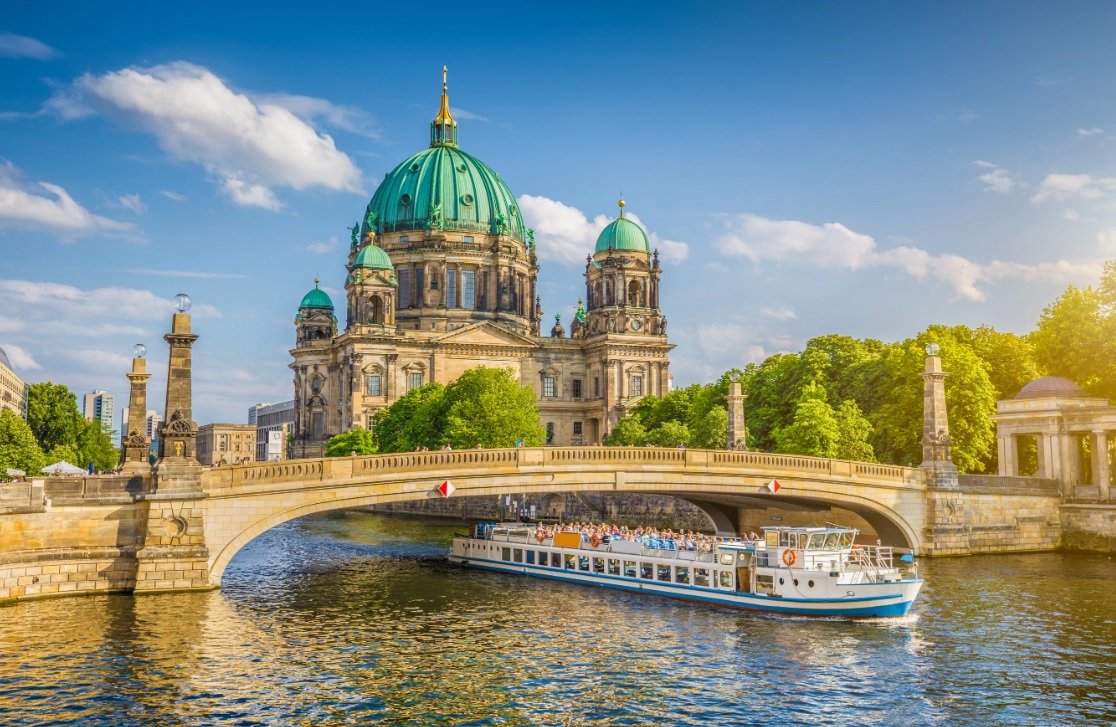
Culturally, Germany offers a perfect blend for English speakers. English is widely spoken in universities, tech hubs, and major cities (Berlin, Munich, Hamburg). International student communities thrive, with dedicated orientation programs, buddy systems, and English-language support services. DAAD itself provides pre-arrival German courses (often funded) to ease integration, but many scholars thrive academically without advanced German skills. Beyond academics, Germany’s rich history, vibrant arts scene, efficient infrastructure, and commitment to sustainability make it an ideal place to live, explore, and grow. Weekend train travel to Paris, Amsterdam, or the Alps is affordable and seamless.
Economically, international students contribute significantly. A 2025 study by the German Economic Institute (IW) found that each cohort of international graduates generates billions in long-term tax revenue for Germany—proof that investing in talent like yours benefits everyone. Retention rates are high: around two-thirds of international students plan to stay post-graduation, drawn by career prospects and quality of life.
DAAD scholarships are merit-based, competitive, and transformative. They primarily target graduates, doctoral candidates, and postdocs for study or research stays at German universities and non-university institutes. Internships are funded in select programs. Applications are submitted through the official DAAD portal after reviewing the Scholarship Database, where hundreds of programs are listed with country-specific deadlines.
Core Benefits (2026 figures):
Scholarships are non-repayable and typically last 10–24 months for Master’s or up to 48 months for structured PhDs. Selection committees—independent academics—evaluate applications holistically: academic excellence, project quality, personal motivation, and potential impact.
Key Programs for English Speakers:
English-taught options dominate DAAD’s international offerings. Popular examples include the International Master’s in Renewable Energy at Oldenburg University, the English-language MBA in Sustainable Management at Leipzig, or PhD tracks at the Helmholtz Association. The DAAD International Programmes portal lists hundreds of such degrees with built-in support for non-German speakers.
For 2026–2027, deadlines vary but often fall between September and March (e.g., October for many Master’s programs; check the database for your country). U.S. applicants benefit from additional partnerships like Gilman-DAAD scholarships.
Applying is straightforward but demands preparation. Here is your 10/10 roadmap:
Common pitfalls to avoid: missing deadlines, generic motivation letters, or weak project proposals. Tailor everything to show how your work aligns with German strengths and global challenges. English speakers have an edge—highlight intercultural skills and how you will contribute to diverse classrooms.
Upon arrival, DAAD scholars receive comprehensive support. Universities offer free German integration courses, welcome weeks, and international offices staffed in English. Housing is manageable via student dorms (€300–€500/month) or shared flats. Cities like Berlin offer vibrant expat scenes; smaller university towns like Göttingen provide quieter, affordable living.
Daily life balances rigor with joy. Lectures emphasize critical thinking and hands-on projects. Research labs are state-of-the-art. Weekends bring festivals, hiking in the Black Forest, or museum visits. Public transport (included in semester fees) is world-class. Health insurance is mandatory and covered. Safety is high, and work-study opportunities (up to 120 full days or 240 half-days per year) supplement income.
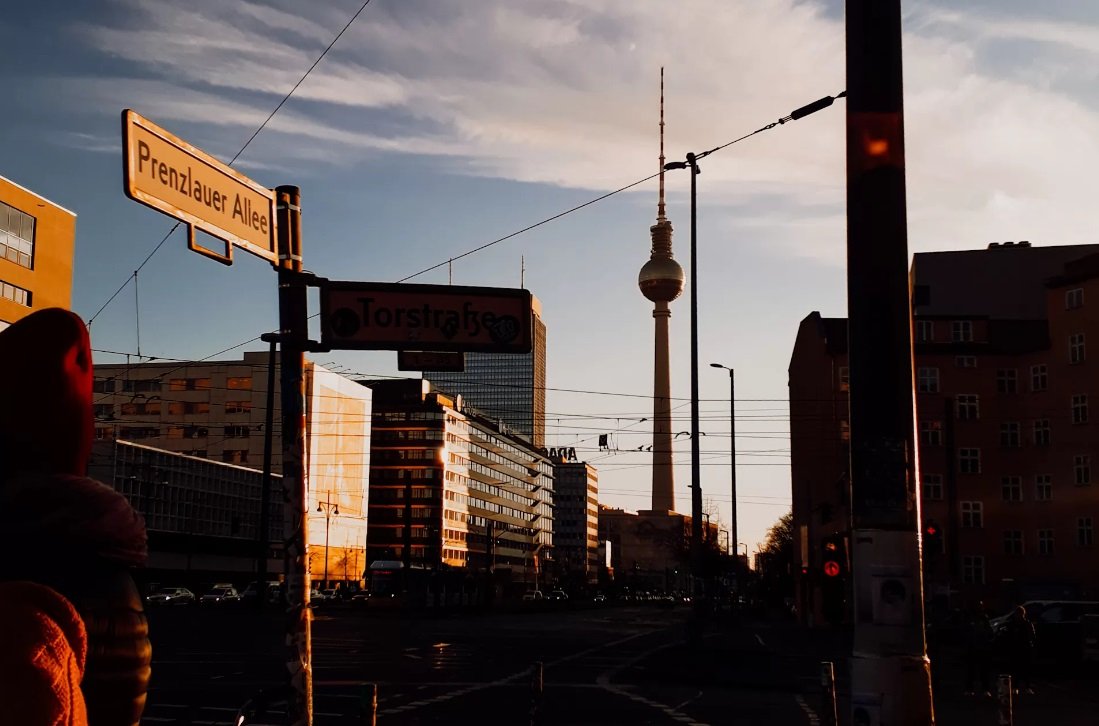
Challenges? Bureaucracy (residence permit, bank account) takes patience, but DAAD and university staff guide you. Winter can be cold, but efficient heating and cozy “Hygge”-style culture compensate. For families, spouse visas and child allowances are available.
Post-study, the German job market welcomes talent. The EU Blue Card fast-tracks skilled workers. DAAD alumni networks (over 300,000 strong) provide lifelong connections.
Sarah Thompson (USA, 2024 DAAD Master’s in Environmental Engineering, TU Dresden): “DAAD covered everything—stipend, flights, insurance. My English-taught program let me focus on climate modeling without language stress. I now work at Siemens Energy, developing green hydrogen tech. Germany changed my career forever.”
Dr. Raj Patel (India, 2023 PhD in AI Ethics, University of Tübingen): “The €1,300 monthly stipend gave me freedom to research deeply. English was the working language in my lab. DAAD’s networking events connected me to EU projects. Today I consult for the UN on digital rights.”
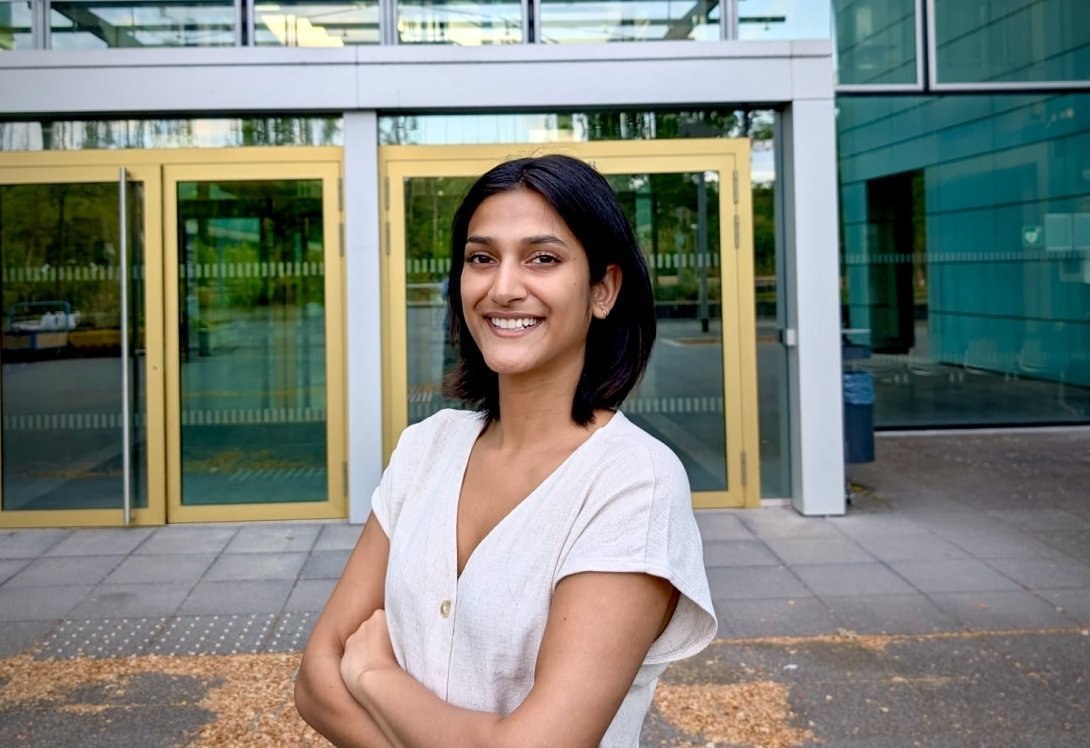
Maria Silva (Brazil, 2025 Master’s in International Relations, FU Berlin): “As an English-speaking Brazilian, I felt at home immediately. The motivation letter I crafted around Brazil-Germany climate partnerships won me the scholarship. Living in Berlin opened doors to think tanks and startups. I recommend it to every ambitious Latin American professional.”
These stories illustrate a pattern: DAAD scholars gain not just degrees but global mindsets, professional networks, and lifelong confidence.
DAAD scholarships are more than funding—they are investments in your potential and in a more connected world. For English speakers drawn to Germany’s innovation ecosystem, cultural depth, and career opportunities, there has never been a better time. With no tuition, generous stipends, English programs, and a supportive community, barriers are lower than ever.
Start today: visit the DAAD Scholarship Database, identify your perfect program, and craft a compelling application. Deadlines intakes are approaching—act decisively. Germany awaits not just to educate you, but to transform you into a global leader.
Whether you seek to pioneer sustainable technologies, advance social justice research, or build bridges between continents, DAAD makes it possible. Your journey to academic excellence and personal growth in Germany begins with one click. Seize the opportunity. Apply now. The world—and Germany—needs your unique perspective.