 11
11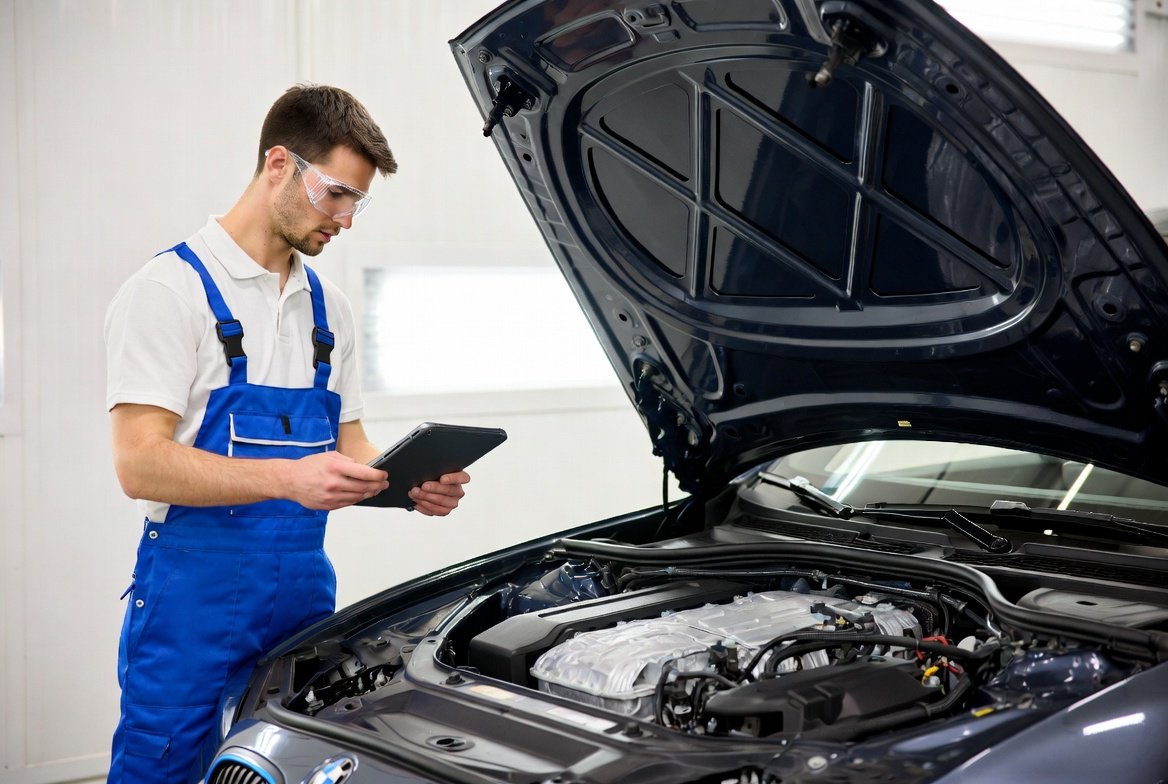
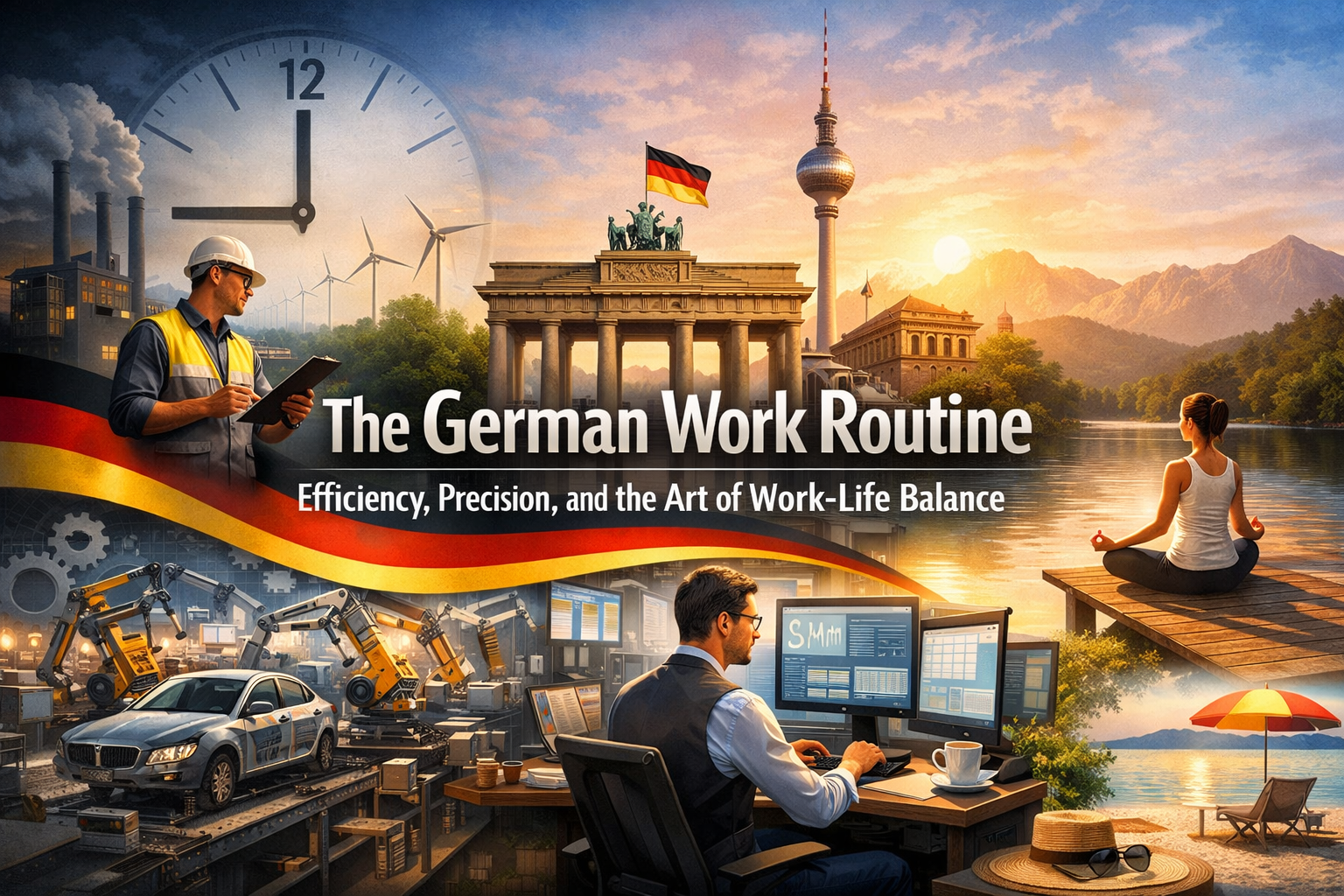
Germany stands as the undisputed engineering powerhouse of Europe—and arguably the world. With its legendary precision manufacturing, cutting-edge innovation hubs, and an economy built on technical excellence, the country offers engineers not just jobs, but careers that shape the future. From pioneering the automobile to leading the fourth industrial revolution, Germany’s “Made in Germany” seal represents reliability, ingenuity, and quality that global markets trust. In 2026, amid a persistent skilled labor shortage exceeding 387,000 positions nationwide, engineers remain in exceptionally high demand.
For aspiring and experienced engineers alike, Germany combines world-class education with minimal or no tuition fees, competitive salaries often exceeding €60,000–€85,000 annually, generous work-life balance, and streamlined immigration pathways like the EU Blue Card. International students and professionals flock here because opportunities are abundant, research is state-of-the-art, and quality of life ranks among the highest globally. This article explores every facet—history, education, job market, innovation, culture, visas, real-life experiences, and even challenges—to show why Germany truly is a dream destination for engineers.
✅Also Read: German Work Friends: The Practical Guide for Expats and Newcomers
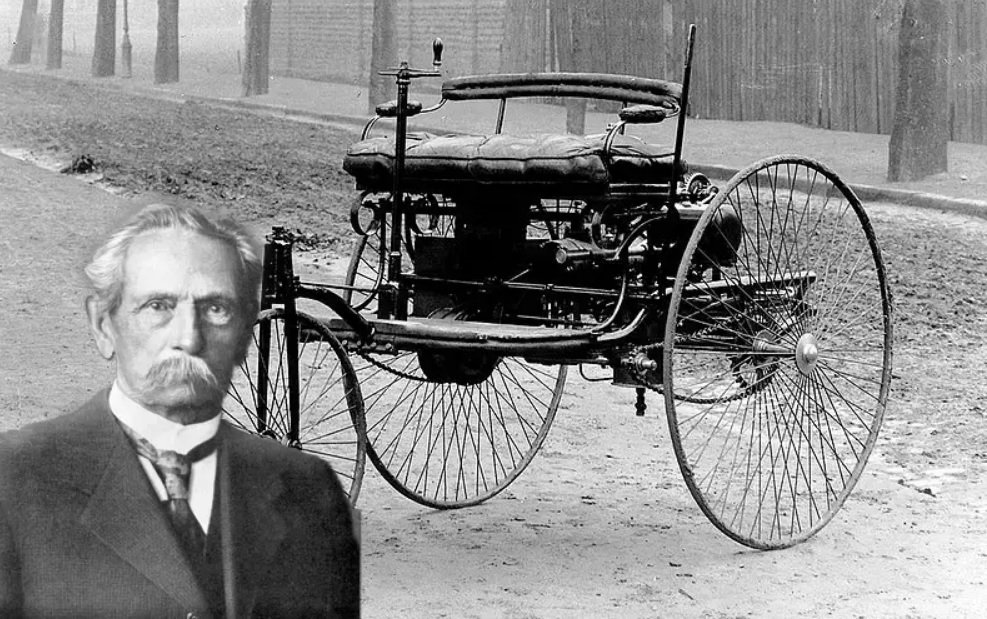
Germany’s engineering prowess is no accident; it is rooted in centuries of innovation. The 19th-century Industrial Revolution transformed the nation into Europe’s manufacturing heartland. Think Carl Benz and Gottlieb Daimler inventing the modern automobile in the 1880s, Rudolf Diesel perfecting the diesel engine, or Werner von Siemens founding electrical engineering giants. Post-World War II reconstruction further cemented Germany’s reputation for precision and efficiency.
Today, this heritage lives on. Germany is Europe’s largest economy and a top global exporter of machinery, vehicles, and high-tech products. The country invests heavily in R&D—over 3% of GDP—outpacing many peers. Engineers here benefit from a cultural emphasis on Gründlichkeit (thoroughness) and Qualität (quality). Whether designing sustainable energy systems or autonomous vehicles, professionals inherit a tradition where technical rigor meets practical impact.
This legacy translates into real advantages. Companies trace their roots to these innovators, offering engineers projects with global reach. Young talents enter a sector where history fuels ambition, and every blueprint carries the weight of excellence.
Germany’s higher education system is a magnet for engineering talent. Public universities charge little to no tuition—even for international students in most programs—making it one of the most affordable destinations for a top-tier degree. Only a small semester contribution (€150–€350) covers administrative fees and public transport.
Top institutions dominate global rankings. Technical University of Munich (TUM) consistently ranks in the top 20–30 worldwide for engineering and technology, with strengths in mechanical, electrical, and aerospace fields. RWTH Aachen University excels in mechanical and automotive engineering, while Karlsruhe Institute of Technology (KIT) and TU Berlin round out the elite. These universities boast state-of-the-art labs, partnerships with industry giants, and English-taught master’s programs ideal for internationals.
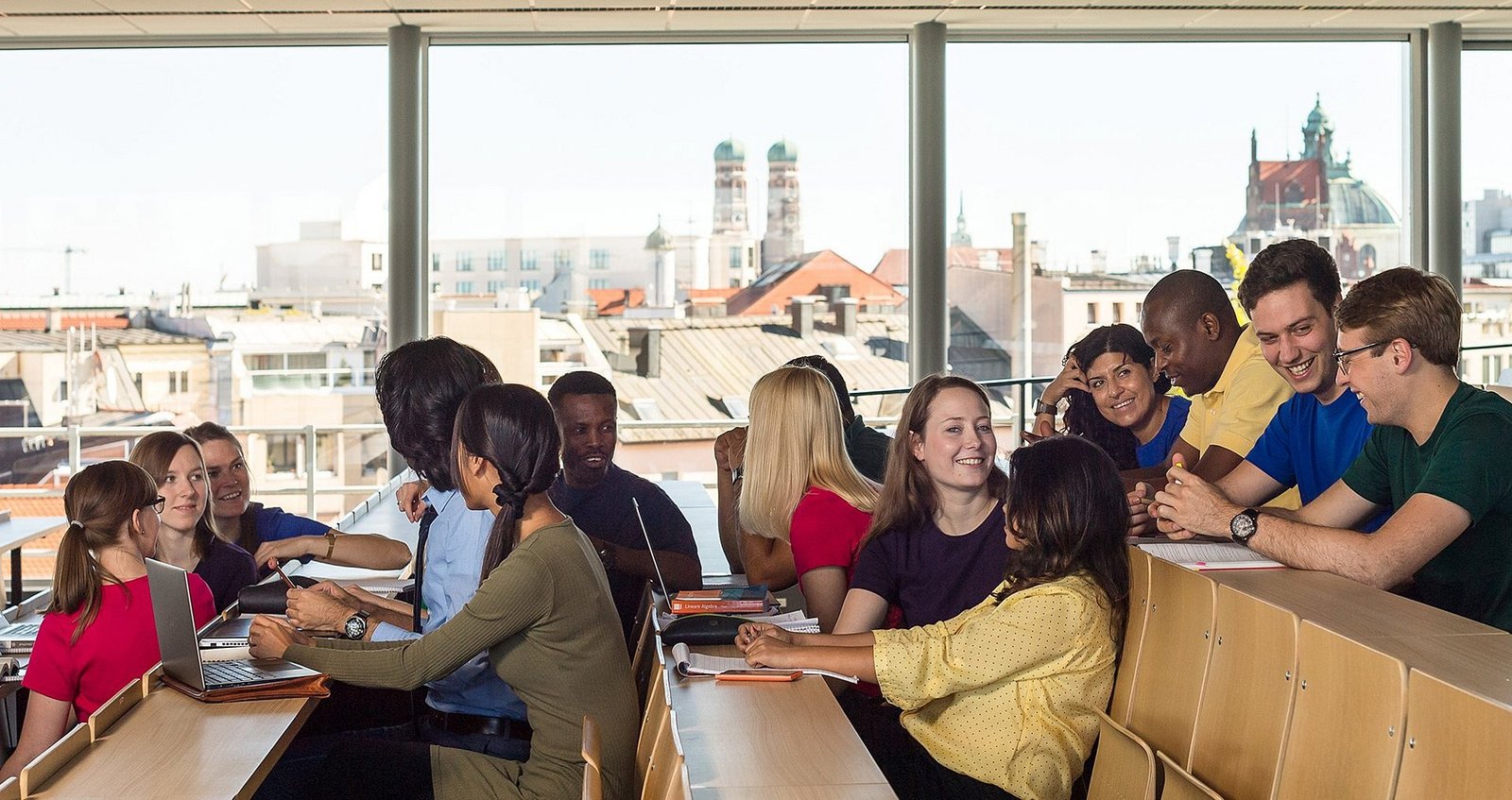
What sets German education apart is its practical focus. The renowned dual education system (duales Studium) blends classroom theory with paid on-the-job training. Students spend time at universities and partner companies like Siemens or BMW, gaining hands-on experience, a salary during studies, and often a job offer upon graduation. Over 3,600 engineering programs exist nationwide, covering everything from traditional mechanical engineering to emerging fields like renewable energy and AI-driven robotics.
International students thrive here too. In 2022/23, over a million were enrolled in STEM fields, with foreign STEM workers surging 190% since 2012. Post-graduation, a job-seeker visa allows 18 months to find employment, and many transition seamlessly into the workforce.
The curriculum emphasizes problem-solving, sustainability, and Industry 4.0 technologies—preparing graduates for real-world challenges. Alumni networks and research collaborations with Fraunhofer Institutes provide unparalleled access to innovation pipelines.
Germany faces a chronic engineering shortage. In 2025–2026, mechanical, electrical, and civil engineers top bottleneck occupation lists, with tens of thousands of vacancies unfilled annually. The automotive sector alone—home to Volkswagen, BMW, Mercedes-Benz, and suppliers like Bosch—drives massive demand. Renewable energy, digitalization, and infrastructure projects under the €500 billion fund further amplify needs.
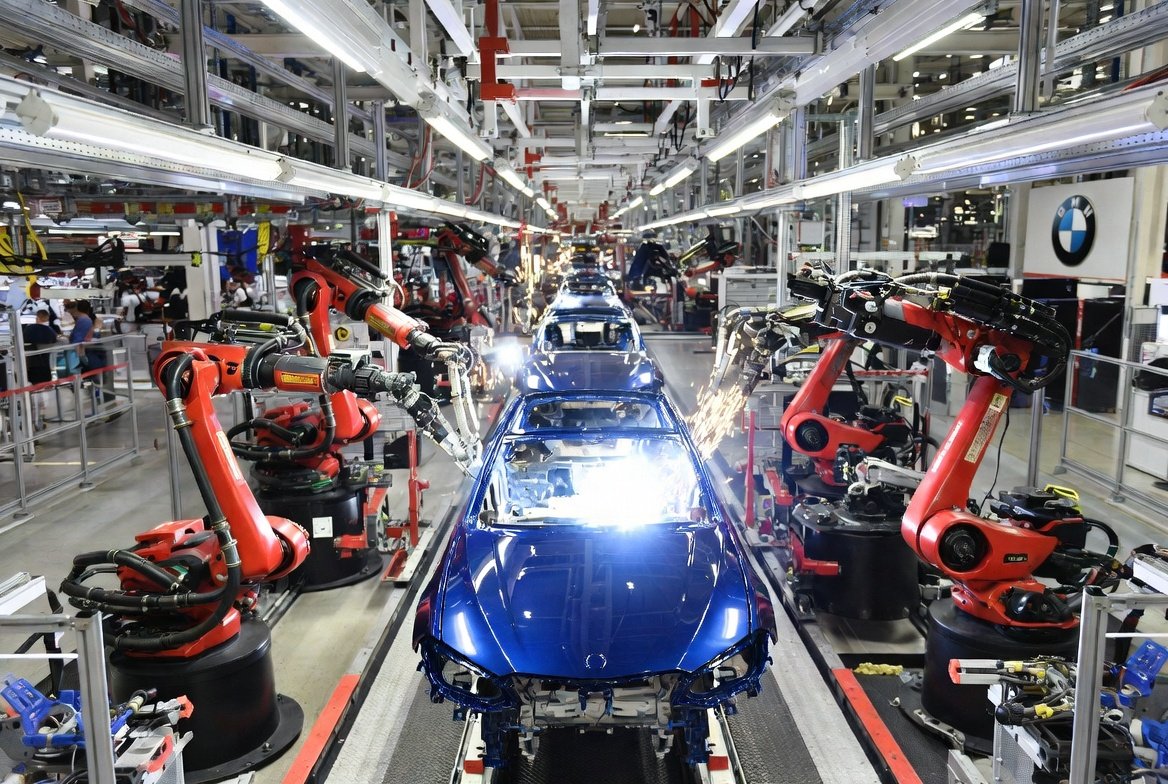
Major employers include:
Engineers enjoy job security, diverse roles—from R&D to project management—and opportunities for international assignments. The dual system feeds directly into employment; many apprenticeships convert to full-time positions with benefits.
Foreign talent is welcomed: over 200,000 international STEM workers already contribute, and policies actively recruit globally. Cities like Munich, Stuttgart, Berlin, and Frankfurt offer tech clusters with vibrant ecosystems.
Compensation in Germany rewards expertise. Entry-level engineers earn €45,000–€60,000 gross annually, rising to €60,000–€85,000 mid-career and €90,000+ for seniors or specialists in automotive/electrical fields. Automotive engineers average around €60,000–€86,000, mechanical engineers €60,000–€94,000 total compensation.
Beyond base pay, benefits shine: 13th-month bonuses, profit-sharing, company cars or public transport subsidies, generous pensions, and health insurance. Working hours average 35–40 per week, with overtime rare and well-compensated. Paid vacation starts at 30 days, plus public holidays.
Taxes are progressive, but net take-home remains strong after accounting for high social security contributions. Cost of living varies—affordable in smaller cities (€900–€1,200/month for singles), higher in Munich—but engineering salaries comfortably cover housing, travel, and savings.
Germany invests billions in research. Institutions like Fraunhofer-Gesellschaft (applied research) and Max Planck Society collaborate closely with industry. Engineers work on breakthroughs in battery tech, quantum computing, sustainable materials, and smart manufacturing.
The country leads Europe in patents per capita, especially in automotive, energy, and machinery. Initiatives like the National Hydrogen Strategy and digital transformation under “Industrie 4.0” create exciting roles. Startups in Berlin and Munich attract venture capital, while established firms offer intrapreneurship programs.
International engineers contribute fresh perspectives, accelerating projects in green tech and AI.
German work culture prioritizes efficiency over hours. Strict labor laws cap overtime, mandate breaks, and protect weekends. Engineers report high satisfaction: focused workdays, clear boundaries, and respect for personal time.

Companies offer flexible/hybrid models, parental leave (up to 14 months paid), and mental health support. This balance enables side pursuits—hobbies, family, travel—without career penalties. Many describe it as “work to live, not live to work.”
Germany delivers exceptional living standards. Efficient public transport, universal healthcare, and low crime rates make daily life seamless. Cities blend historic charm with modern amenities: Munich’s Alps proximity, Berlin’s vibrant culture, Hamburg’s maritime vibe.
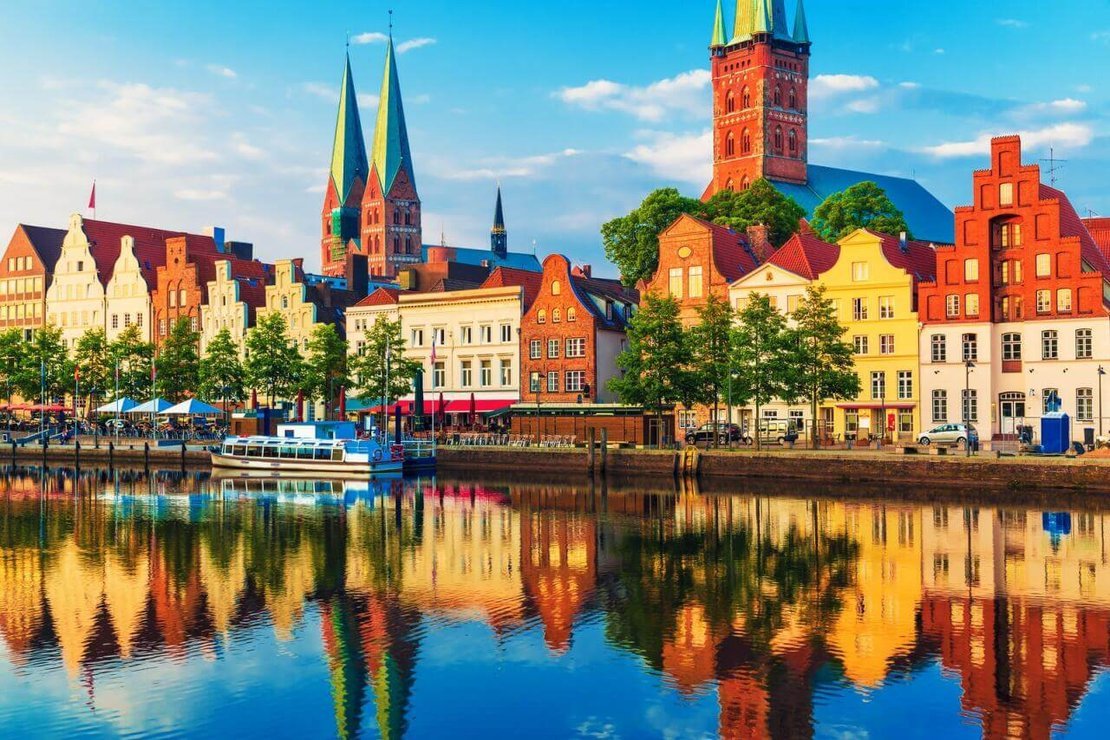
Outdoor activities abound—hiking, cycling, beer gardens. Excellent schools, diverse food scenes, and strong social safety nets enhance family life. Engineers often settle in engineering hubs like Baden-Württemberg or Bavaria, enjoying high salaries alongside affordable leisure.
Non-EU engineers access the EU Blue Card with a recognized degree and job offer meeting salary thresholds (€45,934 for shortage occupations like engineering in 2026; €50,700 otherwise). It grants work rights, family reunification, and permanent residency after 21–33 months (with German language). Post-study options and fast-track visas make relocation straightforward.
Take Maria, a Brazilian mechanical engineer who graduated from RWTH Aachen via a dual program. She now designs EV components at BMW in Munich, earning €72,000 with 30 days’ vacation and hybrid work. “The practical training gave me skills no textbook could,” she says.
Or Ahmed from India, an electrical engineer at Siemens in Berlin. Via the Blue Card, he brought his family and now leads renewable grid projects. “Shortages mean rapid advancement—within two years, I’m managing international teams.”
Countless stories echo this: hands-on learning, stability, and growth in a welcoming environment.
Challenges exist. German proficiency (B1 level) boosts integration, though many tech roles use English. Bureaucracy—visas, registration—requires patience, but official websites and expat services help. Cultural directness and punctuality take adjustment, yet build trust.
Learning basics via free courses or apps smooths the transition. Most report these hurdles pale against the rewards.
Germany offers engineers more than employment—it delivers purpose, prosperity, and balance. World-renowned education, insatiable demand, innovation frontiers, competitive pay, and enviable lifestyle create an unparalleled package. Whether launching a career or advancing one, the country welcomes talent ready to build the future.
With demographic shifts ensuring long-term opportunities, now is the ideal time. Research programs, polish your CV, and consider the Blue Card. Germany isn’t just a destination—it’s where engineering dreams become reality.