 11
11
In today’s globalized workforce, Germany stands out as one of Europe’s most attractive destinations for skilled professionals. With its robust economy, world-class engineering, innovative tech hubs in Berlin and Munich, and strong emphasis on work-life balance, the country draws thousands of expats every year. Yet many arrive with high hopes only to discover a surprising hurdle: forming genuine friendships at work feels unexpectedly difficult. German colleagues are polite, reliable, and professional—but the leap from “co-worker” to “friend” can take months, sometimes years.
This 3,000-word complete guide is designed to change that. Whether you are a recent graduate on a working visa, a mid-career specialist relocating from Brazil, the United States, or India, or even a German returning after years abroad, you will find actionable, culturally attuned strategies to build meaningful connections in the German workplace. We will explore the unique features of German work culture, debunk myths, provide step-by-step tactics for every stage of relationship-building, address common pitfalls, and share proven long-term maintenance techniques. By the end, you will have a roadmap that turns the office from a place of transactions into a source of lasting friendships—without sacrificing professionalism or authenticity.
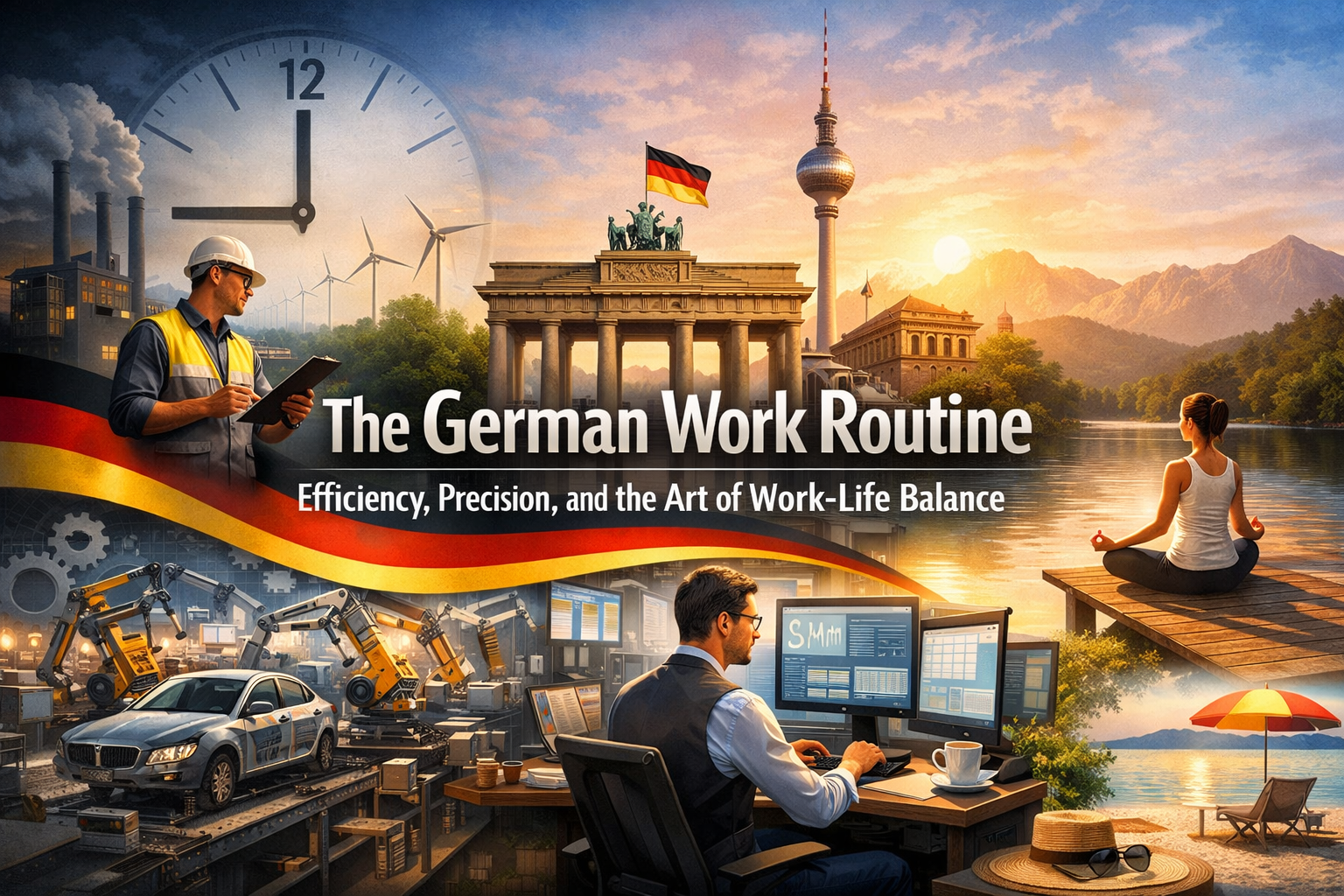
✅ Also Read: The German Work Routine: Efficiency, Precision, and the Art of Work-Life Balance
German work culture is built on three pillars: Pünktlichkeit (punctuality), Direktheit (directness), and Trennung von Beruf und Privatleben (strict separation of professional and private life). Understanding these is not optional; it is the prerequisite for any successful social overture.
Punctuality is non-negotiable. Arriving five minutes late to a meeting signals disrespect. Germans plan their calendars with military precision, and this extends to social invitations. If a colleague suggests “a quick coffee after the 3 p.m. stand-up,” expect the invitation to be literal. Showing up on time communicates reliability—the first building block of trust.

Direct communication replaces the small talk common in many other cultures. Germans value clarity over pleasantries. A typical water-cooler chat might skip “How was your weekend?” and go straight to “Did you see the new KPI report?” This can feel cold to expats accustomed to warmer, relationship-first styles. The key insight: directness is not rudeness; it is respect for everyone’s time. Once you mirror this style—being honest yet polite—colleagues perceive you as kompetent and sympathisch.
The most important cultural rule for friendship-making is the ironclad boundary between work and private life. In many countries, happy-hour drinks or weekend barbecues with the team are standard. In Germany, after-work socializing is the exception, not the rule. Most employees leave the office promptly at the end of their contractual hours (often 37.5–40 per week) to protect Feierabend—their sacred free time. A 2025 Expatica survey and countless Reddit threads confirm that Germans already possess tight-knit friend circles formed in school or university. They do not “need” new friends the way expats often do.
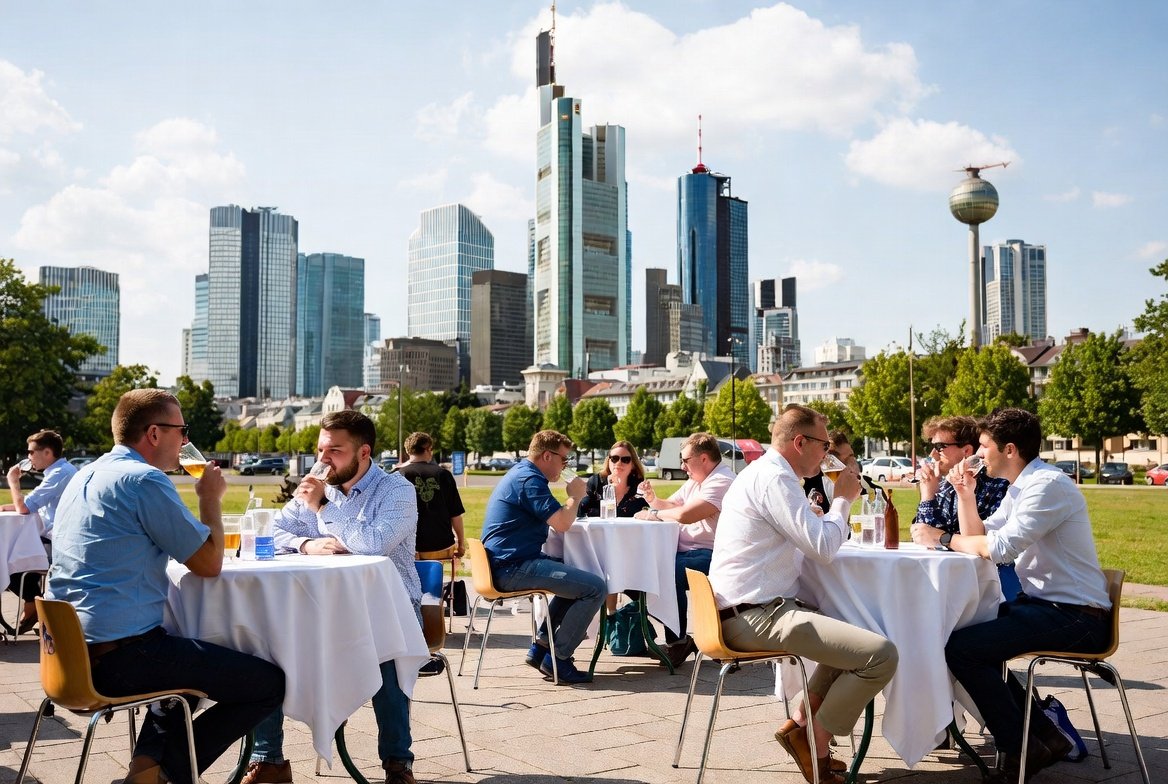
Yet this separation is not absolute. Many companies—especially international firms, startups in Berlin or Hamburg, or large corporates like Siemens, BMW, or SAP—organize structured social opportunities. Betriebsausflüge (company outings), Betriebssportgruppen (company sports teams), summer festivals, and Christmas parties are paid work-time events designed to foster team spirit. Participation is rarely mandatory but is noticed and appreciated. These are your golden entry points.
Industry variations matter. In traditional manufacturing or public-sector offices, boundaries are stricter. In creative agencies, fintech, or multinational headquarters, English is often the lingua franca and after-work drinks more common. Remote or hybrid roles add another layer: virtual coffee chats or digital team-building platforms like Donut or Wonder become essential substitutes.
The phrase “Germans are cold” is repeated so often it has become cliché. In reality, Germans are reserved, not unfriendly. Friendship here is a serious commitment. Once granted, it is deep, loyal, and long-lasting—often described as “once a friend, always a friend.” But earning that status requires patience. Reddit users and expat blogs consistently report a timeline: 6–7 months for casual small talk to evolve into after-work drinks; another 12 months before home invitations; and 2–3 years before birthday gifts or family meet-ups.
Language is the second major barrier. Even in English-speaking offices, deeper conversations happen in German. A 2025 Expatrio survey found that 29 % of newcomers cited language as their biggest integration challenge. Speaking even basic German signals respect and opens doors. Conversely, relying solely on English can unintentionally signal that you expect others to adapt to you rather than integrating yourself.
Other pitfalls include over-familiarity (jumping to first-name basis too soon), oversharing personal problems early, or pushing for frequent social plans. Germans plan weeks in advance; last-minute invitations are often declined not out of dislike but because calendars are full. Cultural faux pas such as arriving late, interrupting, or discussing politics and money casually can also stall progress.
Success begins before your first day. Adopt the “slow-burn friendship” mindset. View every interaction as a long-term investment rather than an immediate payoff. Research your company’s culture: check Glassdoor reviews, LinkedIn employee posts, or internal intranet pages for mentions of team events. Join the company’s internal social channels (Slack, Microsoft Teams, or Yammer) and observe conversation styles.
Language preparation is non-negotiable. Aim for B1–B2 level via apps like Duolingo, italki tutors, or Volkshochschule courses. Learn workplace-specific vocabulary: Kaffeepause, Mittagessen, Feierabendbier, Betriebsrat. Even simple phrases like “Hast du Lust auf einen Kaffee?” go a long way.

Cultivate observable hobbies that Germans value: hiking, cycling, football, board games, or craft brewing. These provide natural conversation starters and future activity ideas. Prepare a concise “elevator pitch” about yourself that is professional yet reveals personality—e.g., “I’m from USA and I love hiking in the Alps on weekends; I’m still discovering the best trails around Munich.”

Your first 30 days are about visibility and consistency, not friendship.
Document small wins in a private journal: who smiled back, who asked about your weekend. These data points help you identify receptive colleagues.
Once you have established basic rapport (usually 4–8 weeks), test the waters with low-commitment invitations.
If declined, do not take it personally. Follow up weeks later with a different, specific suggestion. Persistence without pushiness is key.
True friendships emerge when colleagues begin sharing private details or inviting you into their personal sphere.
Success stories abound. One engineer in Stuttgart joined his team’s weekly football group; two years later he was invited to family barbecues and now considers three colleagues close friends. An Indian software developer in Berlin started a monthly international potluck; it evolved into a mixed German-expats circle that meets regularly.

Remote/hybrid work: Schedule recurring virtual social events. Use tools like Gathertown or organize online game nights.
Different age groups: Younger Germans (Gen Z/Millennials) in startups are more open. Older colleagues value formality longer.
Gender dynamics: Mixed teams are common, but maintain professional boundaries. Group activities are safest.
Rejection: If someone consistently declines, move on gracefully. Not every colleague will become a friend—and that is normal.
Mental health: Loneliness is real for expats. Supplement workplace efforts with expat meetups (Internations, Meetup.com), language tandem partners, or sports clubs outside work.
Legal note: German labor law protects private life. Never pressure colleagues into after-work activities.
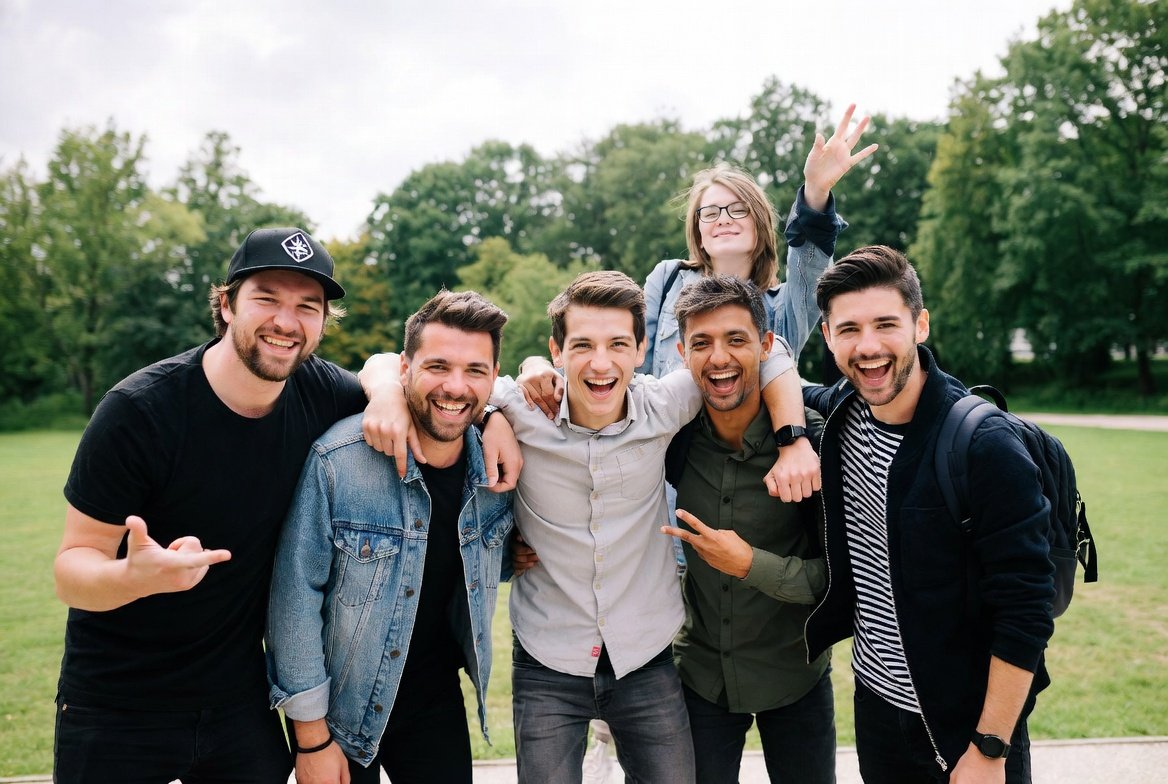
Once friendships form, Germans expect reliability. Keep commitments. Offer help when needed. Celebrate successes together. The reward is profound loyalty—friends who will support you through job changes, family events, and even future relocations.
Remember: quality trumps quantity. Three genuine German friends often provide more emotional and practical support than a dozen superficial acquaintances elsewhere.
Making friends at work in Germany demands cultural intelligence, patience, and consistent effort. Yet the payoff is immense: deeper professional networks, emotional support during tough projects, insider knowledge of local life, and lifelong relationships that transcend borders. By respecting German values of punctuality, directness, and privacy while gently introducing warmth and initiative, you transform the office from a transactional space into a second home.
Start today. Smile at the next coffee break. Suggest that group beer next week. Learn one new German phrase. The path is slower than in many cultures—but the friendships you build will be among the most reliable and rewarding of your life.