 11
11
In the annals of medical history, few discoveries have rivaled the profound and enduring impact of aspirin. Synthesized in 1897 by German chemist Felix Hoffmann while working at the Bayer Company, acetylsalicylic acid—better known by its trade name Aspirin—transformed from a laboratory curiosity into one of the most widely used medications in human history. Over a century later, it remains a cornerstone of pain relief, fever reduction, inflammation control, and cardiovascular prevention, with an estimated 40,000 tons produced annually worldwide and billions of tablets consumed each year. Yet its story is not merely one of scientific triumph; it is a tale woven through ancient herbal remedies, industrial innovation, corporate ambition, ethical controversies, and revolutionary medical insights. This article explores the full arc of aspirin’s invention at Bayer, from its prehistoric roots to its modern legacy, revealing how a single chemical modification by Hoffmann reshaped global health, economics, and pharmacology.
✅Also Read: Ruhezeit: Germany’s Sacred Quiet Hours – The Law, Culture, and Unbreakable Tradition of Enforced Silence
The journey to aspirin begins not in a late-19th-century German laboratory but in the mists of antiquity, more than 3,500 years ago. Ancient civilizations recognized the medicinal properties of willow trees (genus Salix), whose bark and leaves contain salicin, a glycoside that the body metabolizes into salicylic acid—the active precursor to aspirin. Sumerian clay tablets from around 3000 BCE document the use of willow extracts for alleviating pain and inflammation. Egyptian physicians, as recorded in the Ebers Papyrus (circa 1500 BCE), prescribed willow for treating non-specific aches, wounds, and fevers.
In classical Greece, the father of medicine, Hippocrates (c. 460–370 BCE), recommended willow bark tea to ease the pain of childbirth and reduce fevers. Roman authors like Dioscorides, Pliny the Elder, and Galen echoed these practices, incorporating willow into treatments for inflammation characterized by redness, heat, swelling, and pain. Chinese healers similarly employed willow and related plants for rheumatic conditions, hemorrhages, and colds. These early uses relied on empirical observation: chewing the bitter bark or brewing it into infusions provided noticeable relief, though the exact mechanism remained a mystery for millennia.

The remedy faded somewhat during the Middle Ages but reemerged in the 18th century through systematic experimentation. In 1763, Reverend Edward Stone, an English clergyman, presented a landmark paper to the Royal Society detailing five years of trials with powdered white willow bark (Salix alba) on nearly 50 patients suffering from “agues” (fevers, including malaria-like symptoms). Inspired by the bark’s astringent taste—reminiscent of the cinchona bark used for malaria—Stone found it dramatically reduced fevers without the severe side effects of other treatments. His work marked the first controlled clinical observation of salicylates in Europe.
By the early 19th century, chemists isolated the active compound. In 1828, Italian researchers extracted salicin from willow bark. French chemist Henri Leroux refined the process in 1829, and in 1838, Raffaele Piria converted salicin into salicylic acid. German chemist Hermann Kolbe later synthesized salicylic acid from phenol and carbon dioxide in 1860, paving the way for industrial production. Sodium salicylate, a more soluble form, entered medical use in the 1870s for rheumatism and gout. Physicians hailed it as a breakthrough, but patients endured harsh side effects: intense gastric irritation, nausea, vomiting, tinnitus (ringing in the ears), and an unpleasant taste that made compliance difficult. High doses could even induce coma. These limitations spurred the search for a gentler derivative—one that would culminate in Hoffmann’s work at Bayer.
The mid-19th century saw rapid advances in organic chemistry, driven by the dye industry. Salicylic acid itself was synthesized in pure form by 1853, and early attempts at acetylation—adding an acetyl group (CH₃CO-) to mask its acidity—date back to that era. French chemist Charles Frédéric Gerhardt produced a crude acetylsalicylic acid in 1853 using acetyl chloride and sodium salicylate, but the compound was unstable and impure, rendering it impractical. Subsequent efforts by Karl Kraut and others in the 1860s yielded similar results: the product decomposed quickly and retained irritating properties.
Pharmaceutical companies, emerging from dye manufacturers, recognized the commercial potential. Pain and fever were ubiquitous afflictions, and a stable, palatable salicylate could dominate the market. Bayer, founded in 1863 by Friedrich Bayer and Johann Friedrich Weskott as a dye producer in Barmen (now Wuppertal), Germany, exemplified this shift. Under the visionary leadership of Carl Duisberg, who established a dedicated pharmaceutical research department in the 1890s, Bayer invested heavily in synthetic medicines. Successes like phenacetin and antipyrine had already boosted the firm’s reputation; now, the salicylate problem beckoned.
Bayer’s transition from dyes to drugs was strategic. The company recruited top chemists, fostering an environment of innovation. In 1894, a young pharmacist-chemist named Felix Hoffmann joined the pharmaceutical group at Elberfeld. Born on January 21, 1868, in Ludwigsburg, Germany, to an industrialist father, Hoffmann initially trained in pharmacies across Germany before studying chemistry and pharmacy at the University of Munich. He graduated in 1893, recommended by his professor Adolf von Baeyer (Nobel laureate in Chemistry, 1905, unrelated to the company). At Bayer, Hoffmann worked under the supervision of Arthur Eichengrün, head of chemical research, and alongside pharmacologist Heinrich Dreser.
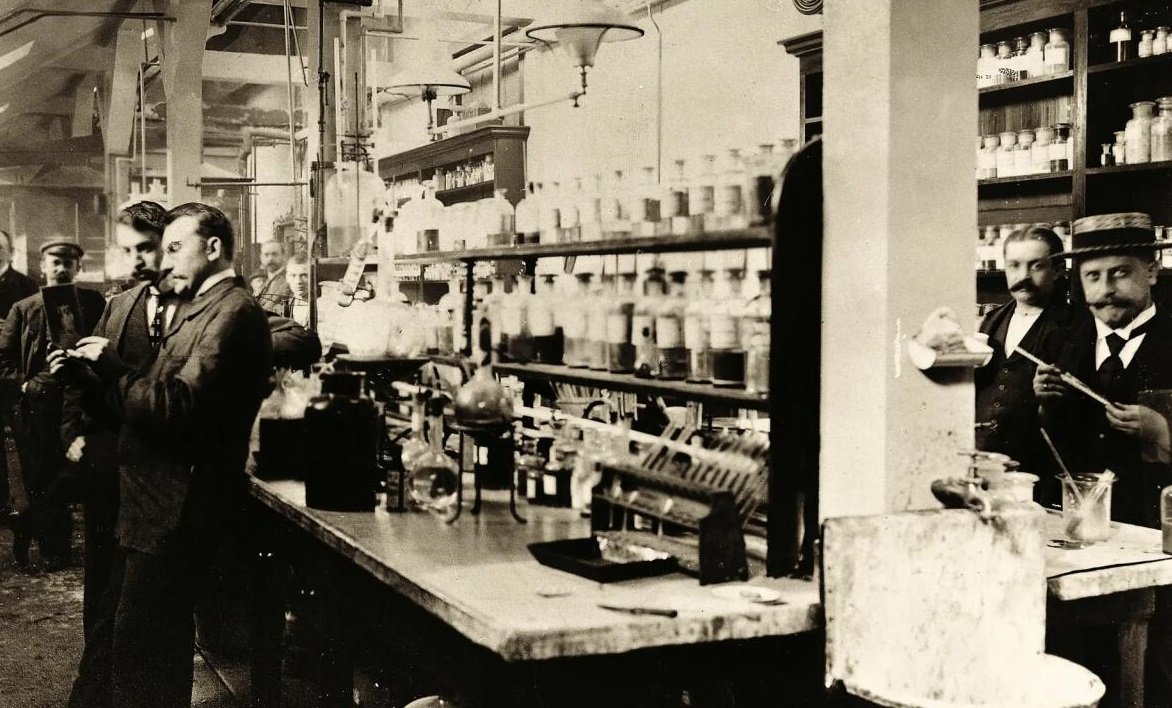
Hoffmann’s motivations were personal as well as professional. Legend holds that his father suffered from severe rheumatism and found sodium salicylate’s side effects intolerable. Whether this anecdote is literal or apocryphal, it underscores the era’s drive to improve existing remedies. In 1897, Bayer’s team was systematically acetylating compounds to enhance tolerability, building on the success of acetanilide (an earlier pain reliever). Hoffmann’s task aligned perfectly with this research program.
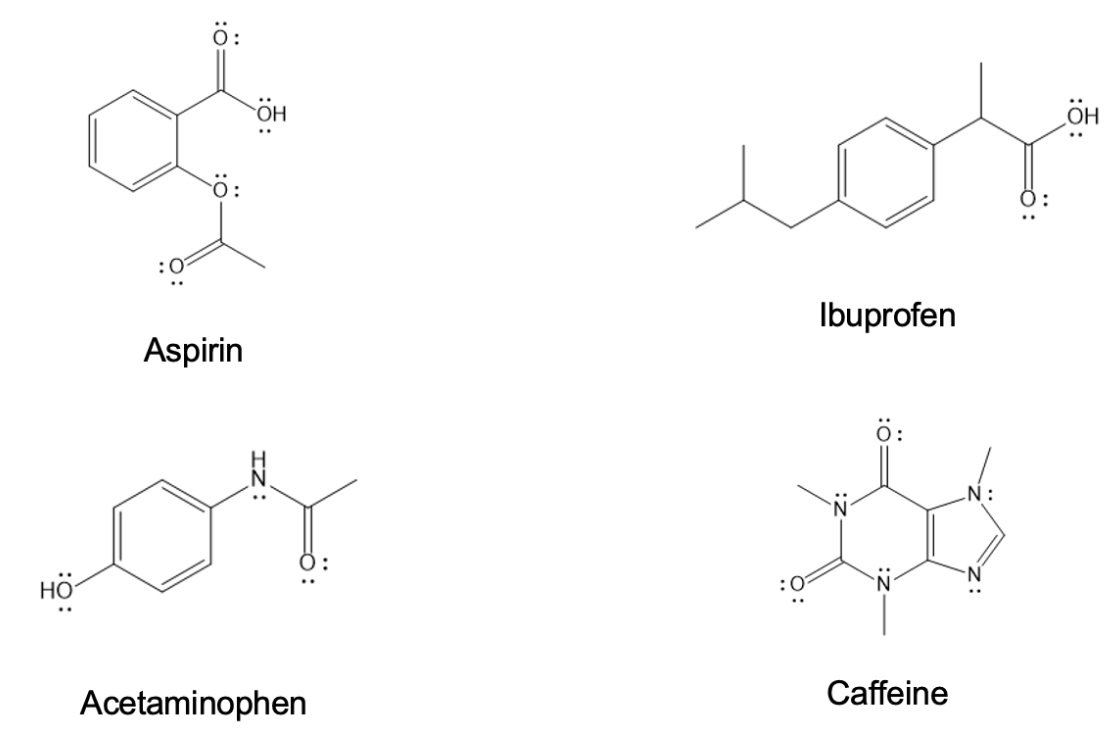
On August 10, 1897, in a two-week burst of focused experimentation, Hoffmann achieved the breakthrough. He refluxed salicylic acid with acetic anhydride, producing acetylsalicylic acid (ASA) in a chemically pure and stable form:
CX6HX4(OH)COOH+(CHX3CO)X2OCX6HX4(OCOCHX3)COOH+CHX3COOH
This acetylation process buffered the molecule’s acidity without diminishing its therapeutic potency. Unlike earlier impure versions, Hoffmann’s ASA did not hydrolyze rapidly in storage or the stomach, reducing irritation while retaining analgesic, antipyretic, and anti-inflammatory effects. Lab records confirm the synthesis yielded a white, crystalline powder that was tasteless and stable—qualities that eluded predecessors.
Remarkably, in the same fortnight, Hoffmann also synthesized diacetylmorphine (heroin) by acetylating morphine, initially promoted by Bayer as a non-addictive cough suppressant before its dangers were recognized. These dual discoveries highlight the era’s experimental fervor—and the ethical ambiguities of early pharmaceutical testing.
While Bayer has long credited Hoffmann as the inventor, a significant historical debate surrounds the discovery. Arthur Eichengrün, Hoffmann’s superior and a Jewish chemist, claimed in a 1949 paper (published after World War II) that he directed the project, instructing Hoffmann to acetylate salicylic acid specifically to create a less irritating salicylate. Eichengrün asserted that Hoffmann performed the synthesis “without understanding the purpose,” and that he himself pushed for further development after Dreser initially dismissed the compound as valueless. A 1944 letter from Eichengrün, written while imprisoned in the Theresienstadt concentration camp, reiterated these details and listed his contributions to Bayer, including the aspirin name suggestion.
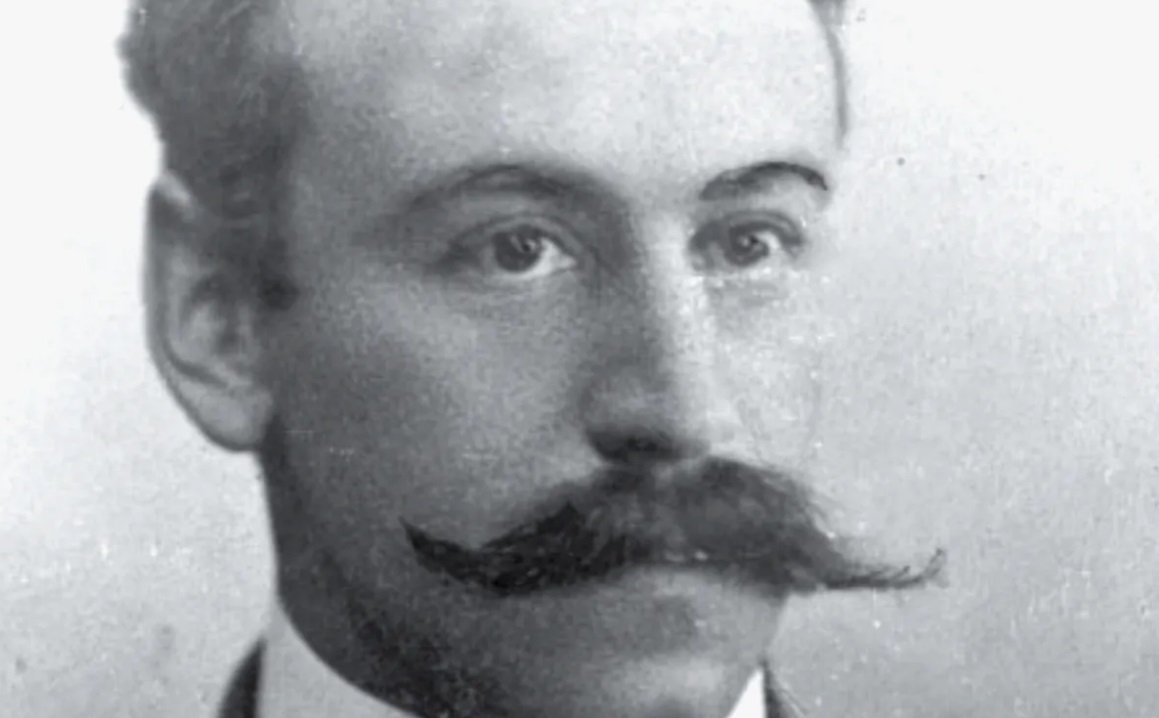
Historians like Walter Sneader have supported Eichengrün’s account, arguing that the 1934 attribution to Hoffmann alone—appearing in a Nazi-era encyclopedia—reflected anti-Jewish revisionism. Bayer’s American patent (filed 1899) lists Hoffmann, but company archives and early records emphasize team efforts. Eichengrün held 47 patents and advanced to head of pharmacology research. Bayer maintains Hoffmann’s primacy, citing his lab notebook and initiative, yet the controversy underscores how politics and corporate narratives can obscure collaborative science. Modern scholarship often credits Eichengrün with vision and direction, Hoffmann with execution, and Dreser with pharmacological validation.
Dreser, initially skeptical, tested ASA for toxicity—first on himself, then animals, and finally hospital patients in Halle an der Saale. Results confirmed superior tolerability: effective against pain, fever, and rheumatism with fewer gastric issues. Bayer patented the process in Germany (though the compound itself could not be patented there) and secured international rights. The name “Aspirin” was coined in 1899: “A” for acetyl, “spir” from Spiraea ulmaria (meadowsweet, another salicin source), and “in” as a common drug suffix. Launched as a powder in glass bottles, it was distributed to physicians for one-gram doses.
By 1900, Aspirin was Bayer’s flagship product. Tablets followed in 1915, making it the first synthetic over-the-counter drug. Aggressive marketing—free samples, physician endorsements, and global advertising—propelled sales. The Spanish Flu pandemic of 1918–1919 further cemented its reputation as a fever and pain reliever.
Aspirin’s success catapulted Bayer into a pharmaceutical powerhouse. The U.S. patent (No. 644,077, granted 1900) granted a 17-year monopoly, but World War I altered the landscape. Bayer lost trademark rights in the U.S. and U.K. as enemy assets; “aspirin” became a generic term. Post-war, Sterling Drug acquired U.S. rights, but Bayer regained some control in 1994. Production scaled dramatically: from kilograms in 1899 to millions of tablets daily by the 1920s.
Initial uses focused on headaches, rheumatism, and fever. The 20th century revealed broader applications. In the 1950s, California physician Lawrence Craven observed excessive bleeding in tonsillectomy patients using aspirin gum, hypothesizing anti-clotting effects. His reports on daily low-dose aspirin preventing heart attacks and strokes were initially ignored but validated decades later.

In 1971, pharmacologist John Vane (Nobel Prize 1982) elucidated the mechanism: aspirin irreversibly inhibits cyclooxygenase (COX) enzymes, blocking prostaglandin and thromboxane production. This explains its anti-inflammatory, analgesic, antipyretic, and antiplatelet actions. By the 1980s–1990s, large trials (e.g., Antiplatelet Trialists’ Collaboration) confirmed aspirin’s role in preventing myocardial infarctions, strokes, and colorectal cancer. It even traveled to the Moon aboard Apollo 11 in 1969 as part of NASA’s medical kit.
Aspirin’s story includes caveats. Rare but serious risks—gastrointestinal bleeding, Reye’s syndrome in children with viral infections—prompted warnings. Yet its benefits for secondary cardiovascular prevention remain undisputed, with ongoing research into cancer chemoprevention and Alzheimer’s. Production today involves efficient synthetic routes from phenol, far removed from willow bark. Bayer continues as a leading manufacturer, producing under the Aspirin™ brand while generics dominate
Economically, aspirin generated billions for Bayer and transformed the industry. It democratized medicine: affordable, accessible relief for the masses. Societally, it alleviated suffering on a planetary scale—headaches for office workers, fevers for children, heart attacks for the elderly. Its invention exemplified the power of targeted chemical modification and corporate R&D. Culturally, “aspirin” entered everyday language as a metaphor for quick fixes. Controversies like the Eichengrün affair remind us of the human stories behind “eureka” moments.
Felix Hoffmann’s 1897 synthesis at Bayer was no accident but the culmination of millennia of observation, decades of chemistry, and a company’s ambition. Whether driven by paternal compassion or scientific curiosity, it yielded a drug that has saved countless lives and eased billions of pains. From ancient willow groves to modern cardiology wards, aspirin’s journey embodies humanity’s quest to conquer suffering through ingenuity. As new applications emerge and debates over credit persist, one truth remains: aspirin is not just a pill—it is a testament to the enduring alliance between nature, science, and industry. More than 125 years on, it continues to prove that the simplest molecular tweak can change the world.