 11
11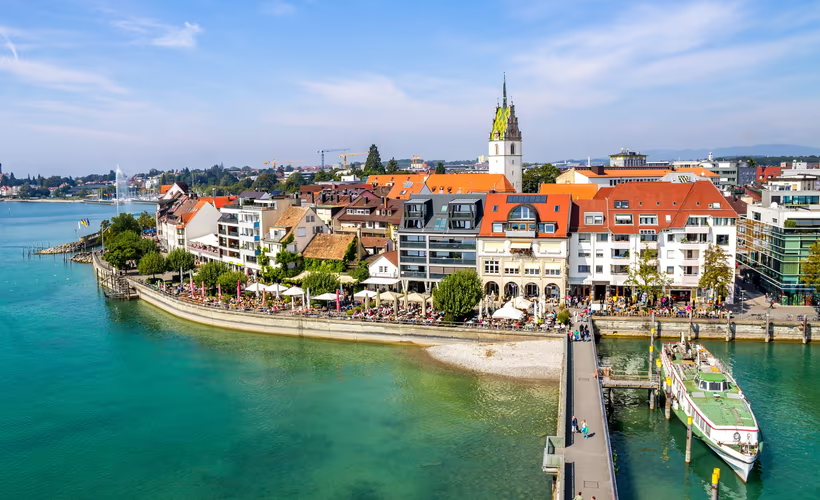
Friedrichshafen, a gem nestled on the northern shore of Lake Constance in Baden-Württemberg, Germany, offers a rare blend of high-tech industry, breathtaking natural beauty, and a laid-back yet vibrant lifestyle. The city buzzes with energy thanks to events like AERO Friedrichshafen, the world’s leading general aviation trade show, which regularly draws thousands of visitors, pilots, and innovators to the shores of the Bodensee. ZF Friedrichshafen AG, the city’s industrial powerhouse, anchors the local economy alongside aviation and tourism. This is no sleepy lakeside town—it’s a dynamic place where Zeppelin history meets cutting-edge engineering, and where daily life feels like a permanent holiday postcard.
With a population of around 63,400, Friedrichshafen strikes the perfect balance between urban convenience and small-city charm. Expats and locals alike praise its proximity to three countries (Germany, Switzerland, and Austria), its world-class quality of life, and the endless recreational opportunities on Europe’s third-largest lake. But is it the right fit for you? This comprehensive guide (approximately 3,000 words) dives deep into every aspect of living here—from housing costs and job markets to family life, culture, and practical tips for newcomers. Whether you’re an engineer eyeing ZF or Airbus opportunities, a family seeking nature-filled weekends, or a retiree dreaming of lakeside sunsets, here’s everything you need to know.
✅ Also read: Schwarzenberg: 10 Charming Reasons to Choose This City to Live In
Friedrichshafen’s story is inextricably linked to the sky. Founded in 1811 by King Frederick I of Württemberg, the city rose to prominence in the early 20th century as the birthplace of the Zeppelin airships. Count Ferdinand von Zeppelin built his legendary rigid airships here, and the Zeppelin Museum today stands as a world-class tribute, housing the largest collection of airship artifacts anywhere. World War II brought destruction, but post-war reconstruction turned Friedrichshafen into a hub for Dornier aircraft and, later, ZF’s global automotive empire.
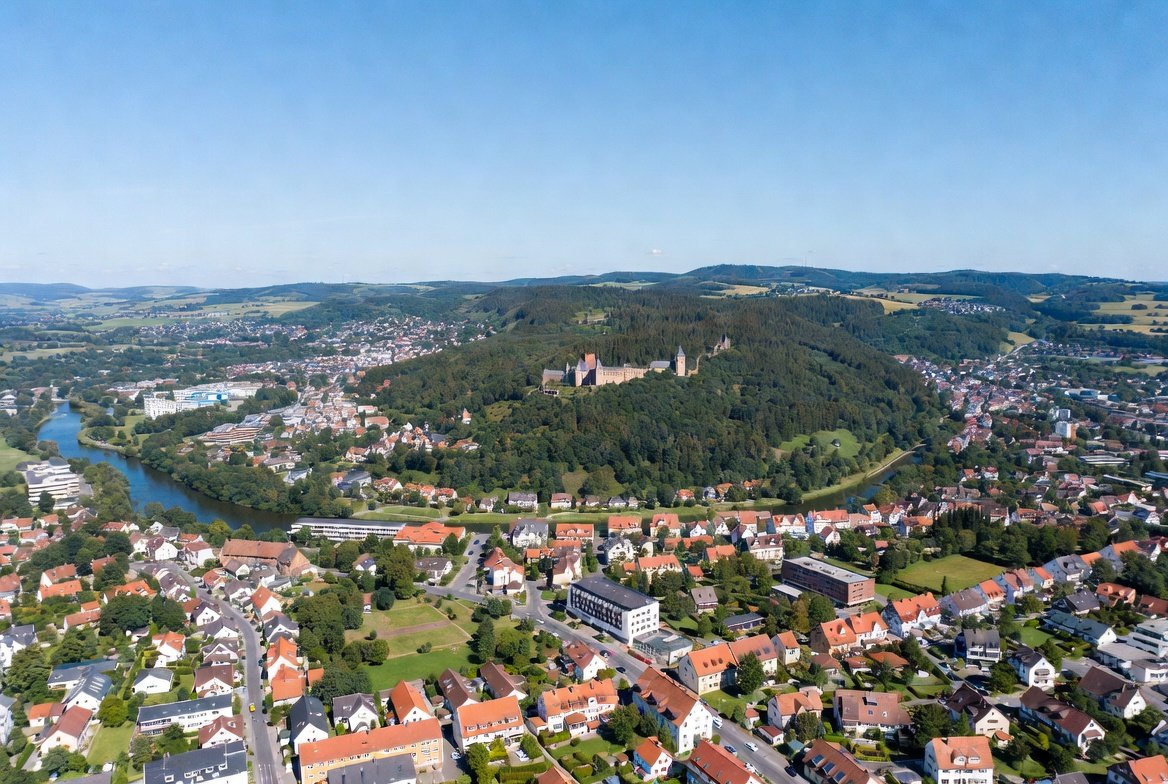
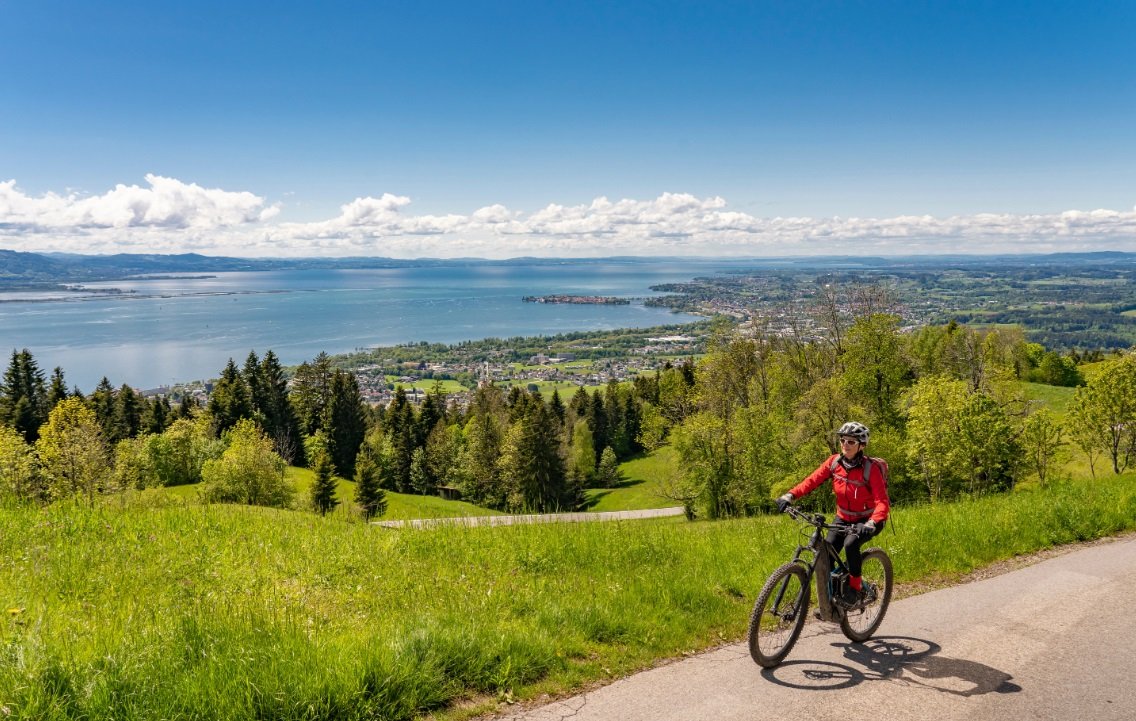
Geographically, the city sits at the heart of the “Bodensee” region—a tri-national area famous for mild microclimates, rolling vineyards, and the Alps visible on clear days. The lake moderates temperatures: summers rarely exceed 24–28°C (75–82°F), while winters dip to -2°C (28°F) but feel less harsh than inland Germany thanks to the water. Precipitation is steady (about 1,200 mm annually), with wetter summers and occasional fog, but the “Föhn” wind from the Alps can bring crystal-clear views of the Swiss mountains. This setting isn’t just scenic—it shapes daily life. You can swim in the lake in summer, cycle along 270 km of dedicated paths, or hop a ferry to Konstanz, Lindau, or even Bregenz in Austria for a day trip.
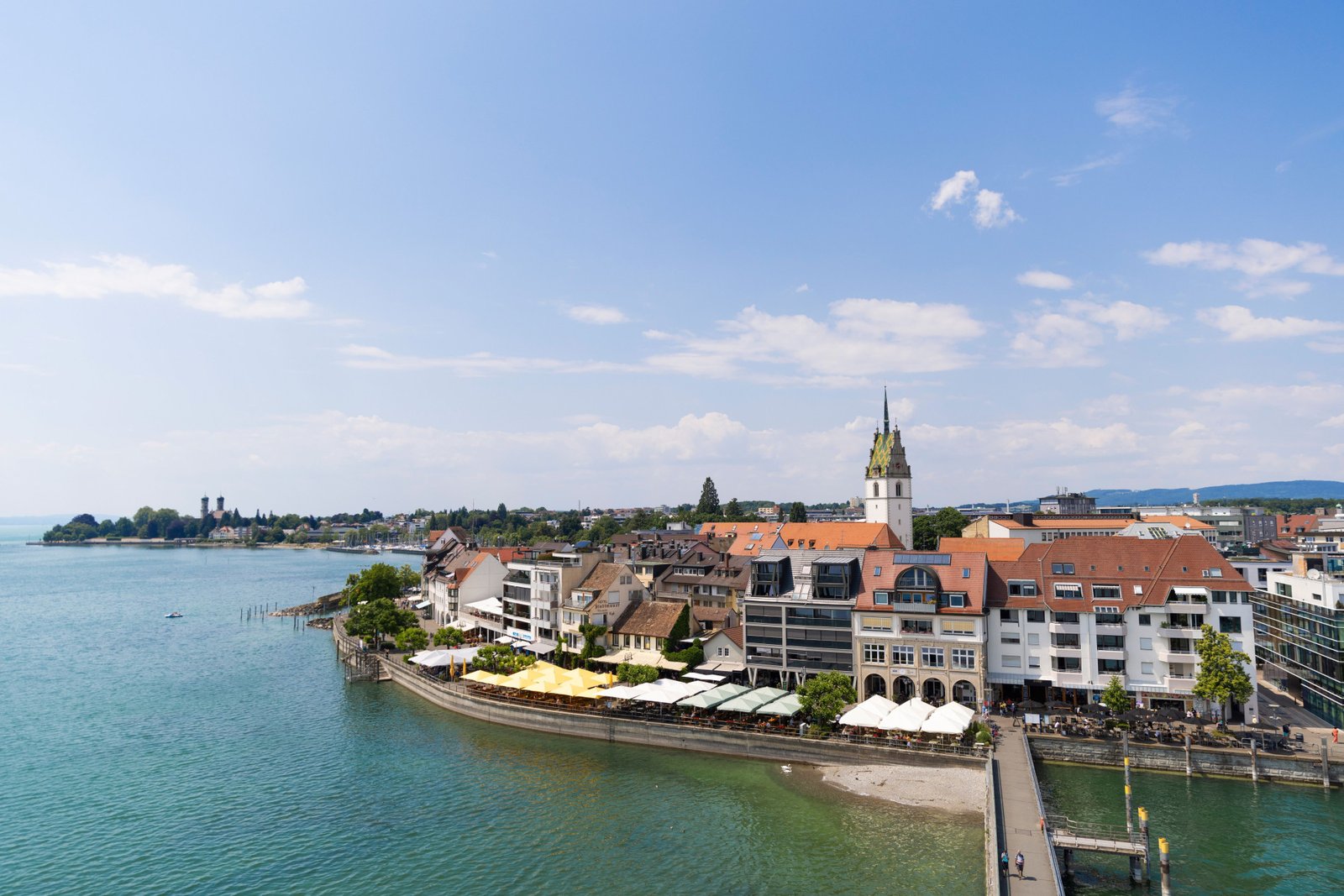
Living here means embracing a “lake lifestyle.” Neighborhoods like the historic Stadtmitte (city center) mix 19th-century architecture with modern waterfront promenades. Suburbs such as Ailingen or Manzell offer family-friendly quietude near ZF’s campuses or the airport. The city’s compact size (you can cross it by bike in 20 minutes) fosters a strong community feel, yet its international airport and high-speed rail links to Munich (2 hours), Stuttgart (2.5 hours), and Zürich (1 hour) keep you connected to the world.
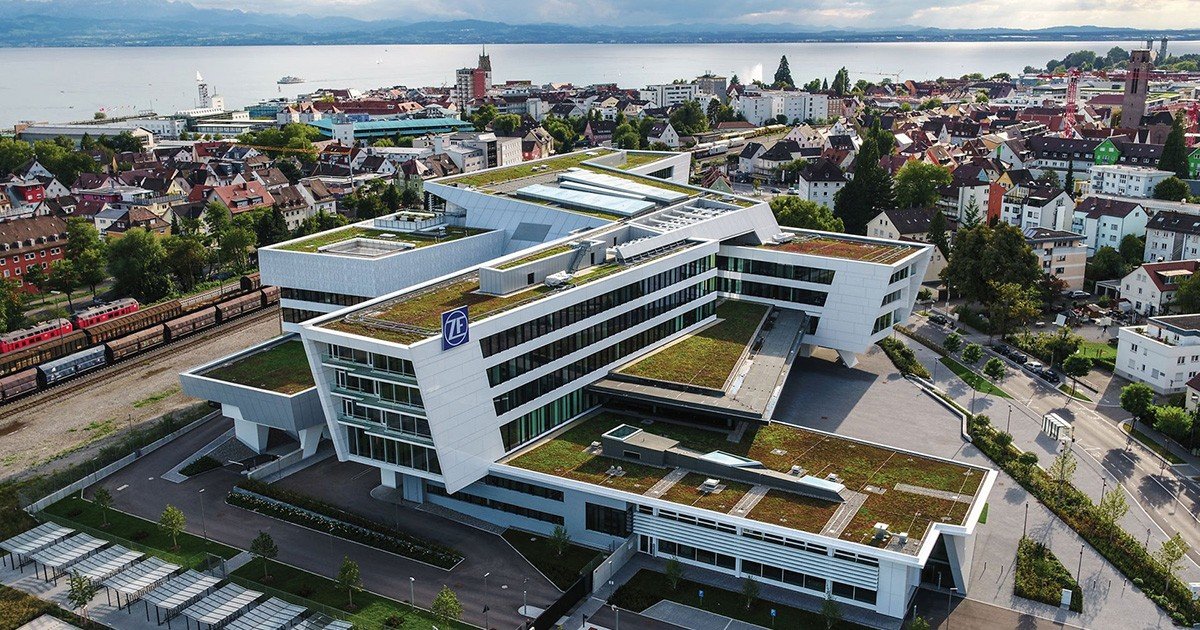
Friedrichshafen’s economy thrives on innovation. ZF Friedrichshafen AG employs thousands locally and is a global leader in driveline and chassis technology, with a strong focus on electric vehicles and autonomous systems. Airbus Defence and Space, Diamond Aircraft, and numerous suppliers create a vibrant aerospace cluster. Other sectors include tourism (hotels, restaurants, and lake cruises), IT, and precision manufacturing.
Average net monthly salary is competitive for the region and sufficient for a comfortable life. Engineers, technicians, and project managers in aviation or automotive command higher pay—often in the upper ranges. English is widely spoken in multinational firms, but German fluency (B1–B2 level) unlocks better opportunities and social integration. Unemployment is low, and the city attracts skilled workers from across Europe.
For expats, the Facebook group “Friedrichshafen Expats and English Meetup Group” is a lifeline for networking, job tips, and social events. Remote workers will appreciate reliable broadband and co-working spaces near the harbor. Drawbacks? The job market is specialized; non-technical roles (retail, hospitality) pay less and face stiffer competition from locals.
Friedrichshafen’s cost of living is moderate-to-high for Germany—about 4% above the national average—but a steal compared to Munich or Zürich just across the border. A single person needs roughly €1,900–€2,500 monthly (including rent) for a comfortable lifestyle; a family of four around €3,500–€4,500.
Housing is the biggest expense but manageable outside peak tourist season:
Buying? Expect €5,000/m² in the center, €3,000/m² elsewhere. Rents have risen with demand from ZF employees and cross-border workers, but options in nearby villages (e.g., Tettnang or Immenstaad) can save 20–30%. Furnished short-term rentals are available via platforms like Immowelt or local agencies, though long-term leases require a German bank account and Schufa credit check.
Daily expenses (recent data):
Gasoline (€1.69/L) and cars are pricier than in the US, but public transport and cycling reduce the need. Overall, your salary stretches further here than in bigger German cities because of lower entertainment and commuting costs—plus free or low-cost lake access.
Mornings often start with a jog or coffee along the 1.5 km lakeside promenade, watching ferries glide past the harbor. The city center features pedestrian zones with cafés, boutiques, and the iconic Dornier Museum. Weekends revolve around the lake: sailing, kitesurfing, stand-up paddleboarding, or simply picnicking at the Strandbad (public beach).
Culture thrives year-round. The Zeppelin Museum (€12 entry) hosts rotating exhibitions; the Theaterhaus offers plays and concerts; and summer brings open-air festivals, wine tastings from local Bodensee vineyards, and harbor events. Winter transforms the area into a Christmas-market wonderland, with mulled wine and ice skating. Nearby Konstanz (20 minutes by train) adds big-city energy without the hassle.
Outdoor enthusiasts are spoiled: 400 km of hiking trails, cycling routes circling the lake, and easy access to the Alps for skiing (1–2 hours). Families love the low traffic and green spaces. Food scene? Expect hearty Swabian classics (Maultaschen, Käsespätzle) alongside fresh lake fish, Italian influences (from cross-border workers), and international options at expat-friendly spots. Supermarkets like REWE and Aldi keep costs down; farmers’ markets overflow with seasonal produce.
Public transport is seamless: buses, trains, and tourist passes for ferries. Friedrichshafen Airport connects to major hubs; the city is bike-friendly with extensive paths.
Families rave about the quality. Public schools are excellent and free; international options include the SIS Swiss International School nearby. Zeppelin University (ZU) in Friedrichshafen offers English-taught programs in economics, politics, and cultural studies—ideal for students or adult learners.
Healthcare follows Germany’s top-tier statutory system (public insurance ~€200–€400/month depending on income). Doctors speak English in larger practices; specialist wait times are short compared to many countries. Hospitals like the Klinikum Friedrichshafen handle everything from routine care to advanced treatments. Pharmacies (Apotheken) are ubiquitous and helpful.
Childcare is available but competitive—plan ahead for Kita spots. Playgroups and expat parent networks ease the transition.
Pros:
Cons:
Reddit users (from long-term threads) echo this: “Rent is expensive but there’s probably no better place to live in Germany. The area around the lake is beautiful.”
Living in Friedrichshafen isn’t about chasing big-city glamour—it’s about embracing a high-quality, balanced life where work meets wonder. You’ll commute with lake views, spend weekends sailing or hiking, and build friendships in a welcoming, international community. The city’s forward momentum in aviation and technology is clear, yet its soul remains timeless: Zeppelins overhead, vineyards on the hills, and the ever-present Bodensee shimmering below.
For engineers, families, or anyone seeking serenity with opportunity, Friedrichshafen delivers a 10/10 lifestyle. The rent may pinch, but the sunsets over the lake more than compensate. If you’re considering the move, pack your sense of adventure—and perhaps a good rain jacket. Welcome to life on the lake.
This guide draws from the latest available data and resident insights to give you an accurate, actionable picture. Friedrichshafen isn’t perfect, but for many, it’s paradise. What’s stopping you from making it home?