 11
11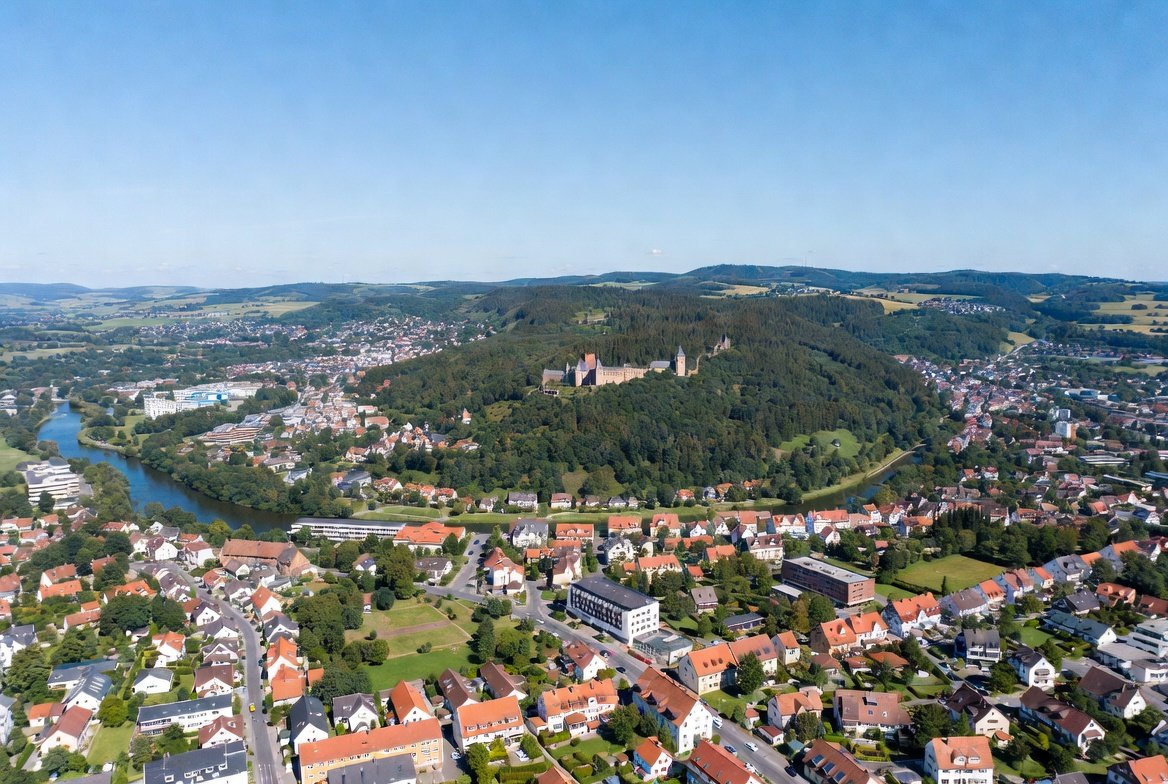
Imagine waking up in a quiet German town where the morning mist rises over rolling hills and the River Wurm, then stepping out to grab fresh bread before hopping on a train that whisks you to a vibrant university city in under fifteen minutes. Or crossing an invisible border on foot to enjoy Dutch cafés and markets, all while benefiting from Germany’s world-class infrastructure, healthcare, and work-life balance. This is daily life in Herzogenrath, a welcoming municipality of around 48,500 residents in North Rhine-Westphalia’s Aachen district. Tucked right against the Dutch border and just a short ride from Aachen, Herzogenrath offers English-speaking expats, families, professionals, and retirees a rare combination: the charm of a small town, the innovation of a tech hub, and seamless access to three countries in the heart of Europe.
For those drawn to Germany but seeking something beyond the tourist crowds of Berlin or the high prices of Munich, Herzogenrath stands out as an authentic, forward-looking choice. It has evolved from a historic mining settlement into a modern European community that feels both rooted in tradition and open to the future. Here, technology parks sit alongside medieval castles, new family neighborhoods blend with scenic recreation areas carved from former industrial sites, and cross-border cooperation turns everyday life into a genuinely binational experience. Whether you’re relocating for work, education, or a better quality of life, Herzogenrath delivers high standards at a fraction of the cost of larger German cities—without sacrificing convenience or community.
✅ Also Read: Living in Friedrichshafen: A Expat and Resident’s Guide to Life on Lake Constance (Bodensee)
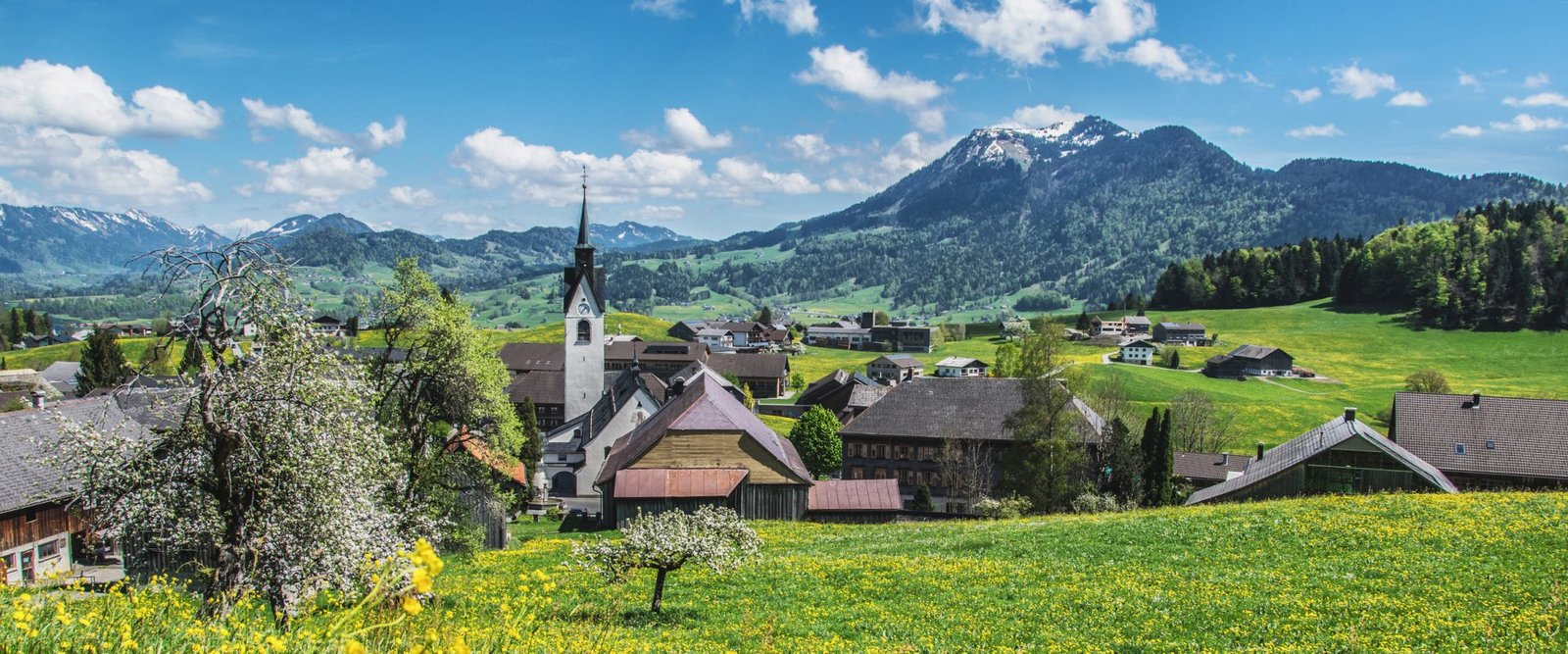
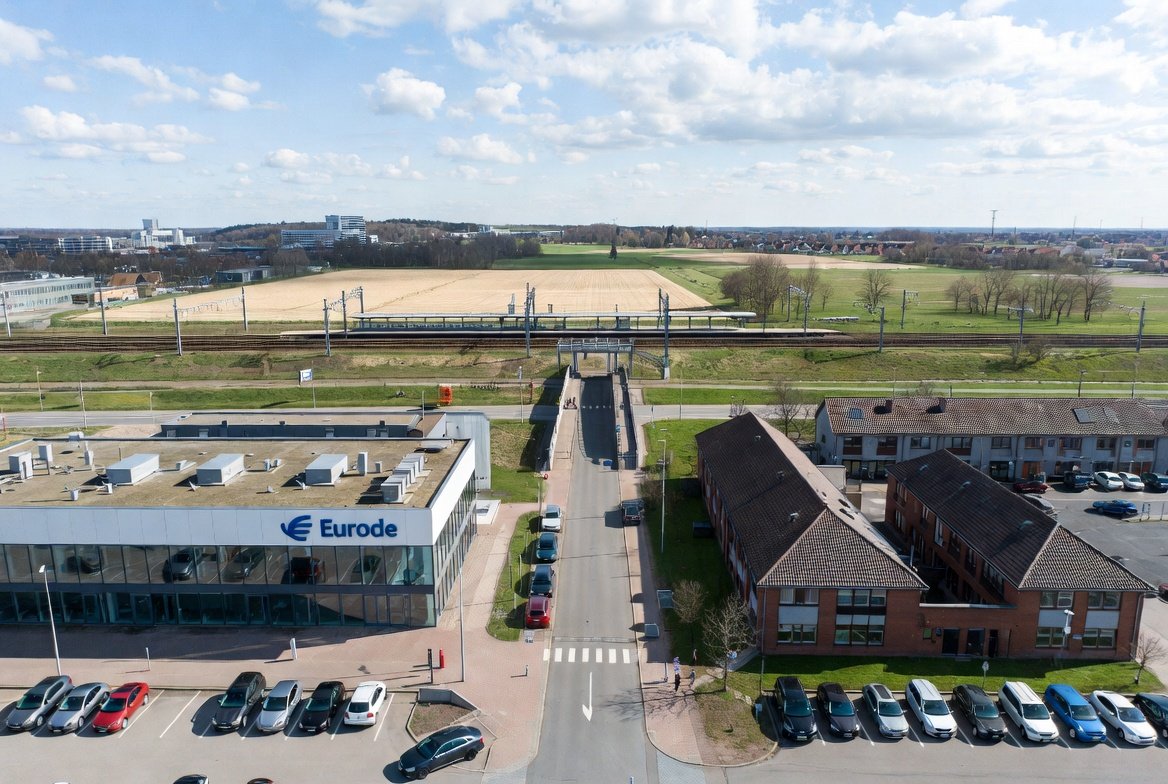
Herzogenrath lies in the westernmost part of Germany, in the Eifel region’s gentle foothills. At just 140 meters above sea level and covering 33 square kilometers, the town enjoys a compact layout that makes it easy to navigate on foot or by bike. The River Wurm flows through the center, creating picturesque green corridors lined with walking paths, while forests and hills frame the outskirts. To the west, the national border with the Netherlands runs straight through the heart of the Eurode district—a unique binational zone where German and Dutch services coexist under one roof.
This location is a major draw for expats who crave both countryside tranquility and urban access. The climate is typically Central European: mild winters with average temperatures around 2–5°C (rarely dipping below freezing for long) and pleasant summers reaching 20–25°C. Rainfall is steady but not extreme, supporting lush greenery year-round. Spring brings blooming orchards and vibrant festivals, while autumn paints the Eifel hills in fiery colors ideal for hiking. Summers offer long evenings perfect for outdoor dining or cycling along the river. Unlike the hotter, drier south of Germany, Herzogenrath’s weather feels refreshingly temperate, with fewer heatwaves and a refreshing breeze from the nearby Low Countries.
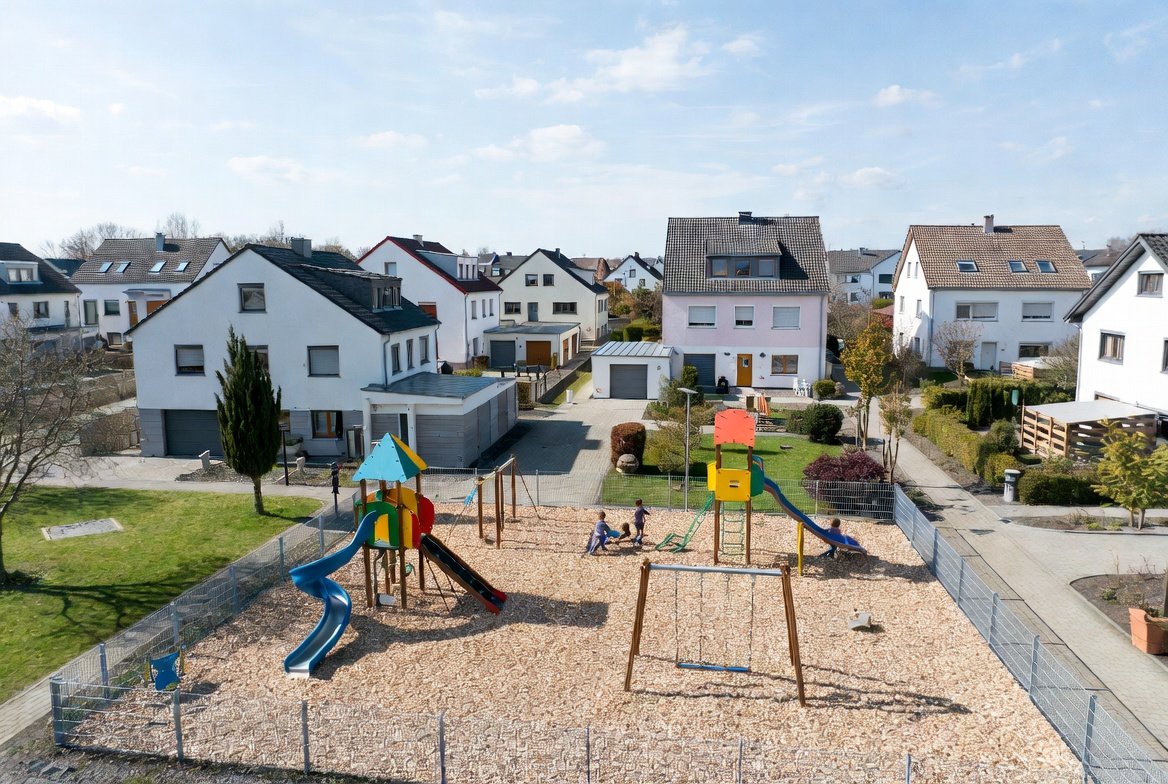
The town’s designation as a “natural community” reflects its commitment to green spaces. Former mining slag heaps have been transformed into family-friendly recreation zones like the Merkstein adventure area, complete with viewpoints and trails. New residential developments such as Schleypenhof, Finkenstraße, Raderfeld, and An Vieslapp prioritize family living with playgrounds, parks, and car-free paths. For English speakers dreaming of a European lifestyle that balances nature and convenience, Herzogenrath’s setting is hard to beat—especially when you can reach Aachen’s thermal spas or the Belgian Ardennes in under an hour.
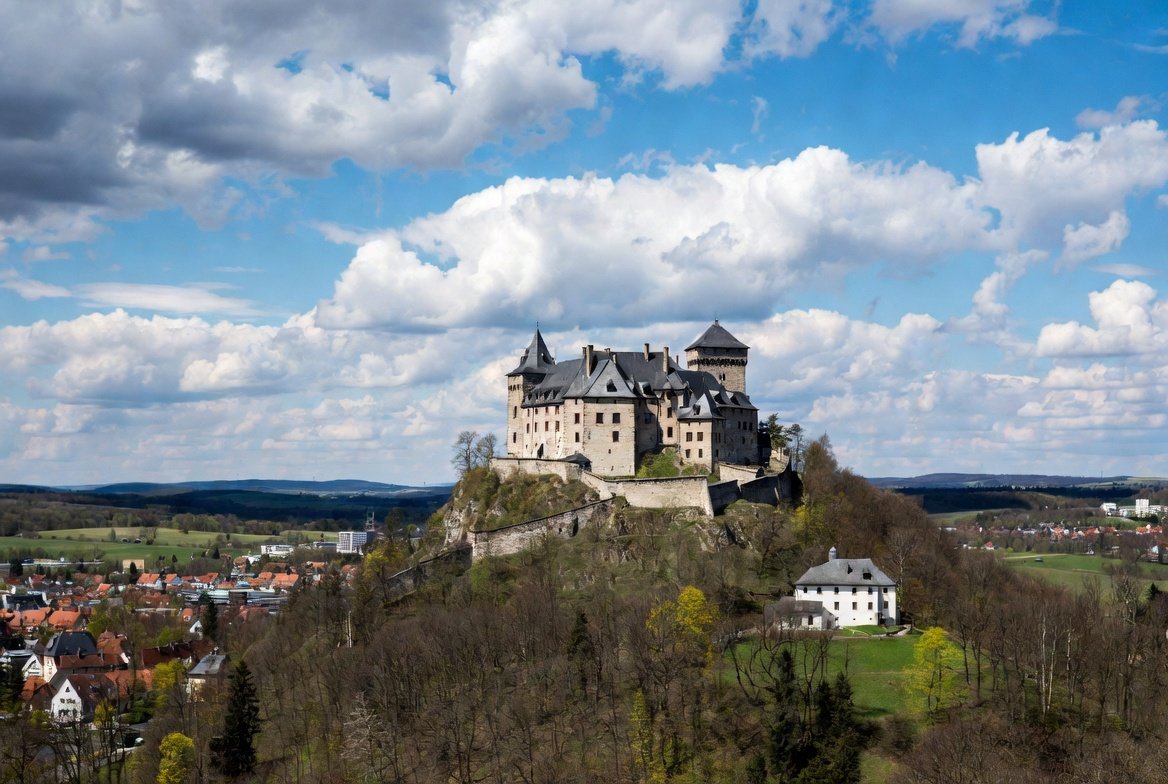
Herzogenrath’s story dates back to the 11th century, when it began as a settlement called Rode along the Wurm. By 1104, Augustinian monks had founded a nearby abbey, and the area became known as ’s-Hertogenrode—“the Duke’s Rode”—under the Duchy of Brabant. The historic Burg Rode castle, perched on a hill overlooking the town center, remains the town’s most iconic landmark. Once a defensive stronghold, it now hosts weddings, concerts, cultural events, and the annual castle fair with music, markets, and family entertainment. Its romantic atmosphere makes it a favorite backdrop for photos and local celebrations.
Centuries of border shifts have left their mark. After changing hands among Spanish, Austrian, and French rulers, the 1815 Congress of Vienna split the original territory: the eastern half became Prussian Herzogenrath, while the western half formed Dutch Kerkrade. The border once ran along what is now Neustraße (Nieuwstraat), marked by a low wall until Schengen integration removed it in the 1990s. Today, that shared history fosters deep cooperation through the Eurode partnership, including joint business centers and public services. Residents often joke that they live in a place where you can buy groceries in Germany and enjoy them on a Dutch terrace minutes later.
Industrial heritage adds another layer. Coal mining dominated until the 1950s, leaving behind distinctive slag heaps that have been greened over into hiking destinations. This transition from heavy industry to high-tech mirrors Germany’s broader economic story, and locals take pride in it. Churches like St. Mariä Himmelfahrt and St. Gertrude of Nivelles anchor the old town, while dialect-speaking residents preserve Ripuarian linguistic traditions shared with neighboring Kerkrade. For history enthusiasts among English-speaking newcomers, Herzogenrath offers living history lessons without the overtourism of more famous German sites.
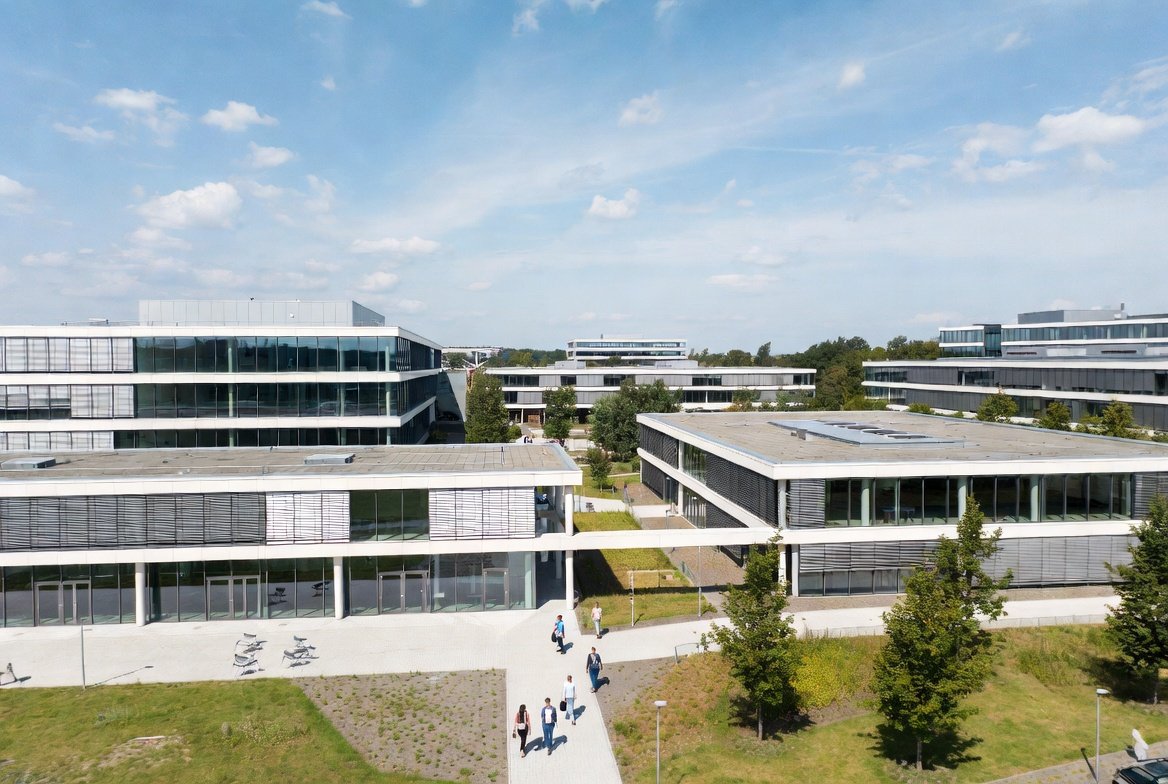
Herzogenrath has successfully reinvented itself as a technology city. The Technology Park Herzogenrath (TPH), launched in 1989, now houses over 180 companies and employs more than 2,500 people across 25,000 square meters of modern facilities. Key sectors include ICT, automotive technology, photonics, semiconductors, measurement and control systems, and advanced materials. Major players like Aixtron (a global leader in semiconductor equipment), Saint-Gobain, and HEAD acoustics call the park home, alongside numerous startups that benefit from proximity to RWTH Aachen University—just a quick train ride away.
This tech focus creates excellent opportunities for skilled professionals, particularly in engineering, software development, and research. English is widely used in international teams, making the transition smoother for expats. Many residents commute to Aachen for roles at the university or larger firms, while others work locally or even across the border in the Netherlands. The Eurode Business Center, literally straddling the frontier, supports cross-border entrepreneurship with streamlined regulations and shared resources.
Beyond tech, the broader StädteRegion Aachen offers diverse employment in healthcare, education, logistics, and services. Unemployment remains low, and Germany’s strong social safety net—including generous parental leave, affordable childcare, and vocational training—supports work-life balance. Average net monthly salaries hover around €3,250, providing solid purchasing power in a town where costs are notably lower than in western Germany’s metropolitan hotspots. For English-speaking families or career-focused individuals interested in Germany’s innovative yet livable regions, Herzogenrath’s economy delivers stability and growth potential without the competitive frenzy of bigger cities.
One of Herzogenrath’s biggest advantages is its affordability. The overall cost of living sits comfortably below Germany’s larger urban centers. A typical single person or couple can live well on €1,400–1,800 per month, covering rent, utilities, food, and transport. Groceries are reasonable: expect to pay around €1.30 for a liter of milk, €1.80 for a loaf of bread, and €4–5 for a meal at an inexpensive restaurant. A mid-range dinner for two costs about €30–50, and a cappuccino runs €3.50–4. Public transport passes are just €49 monthly.
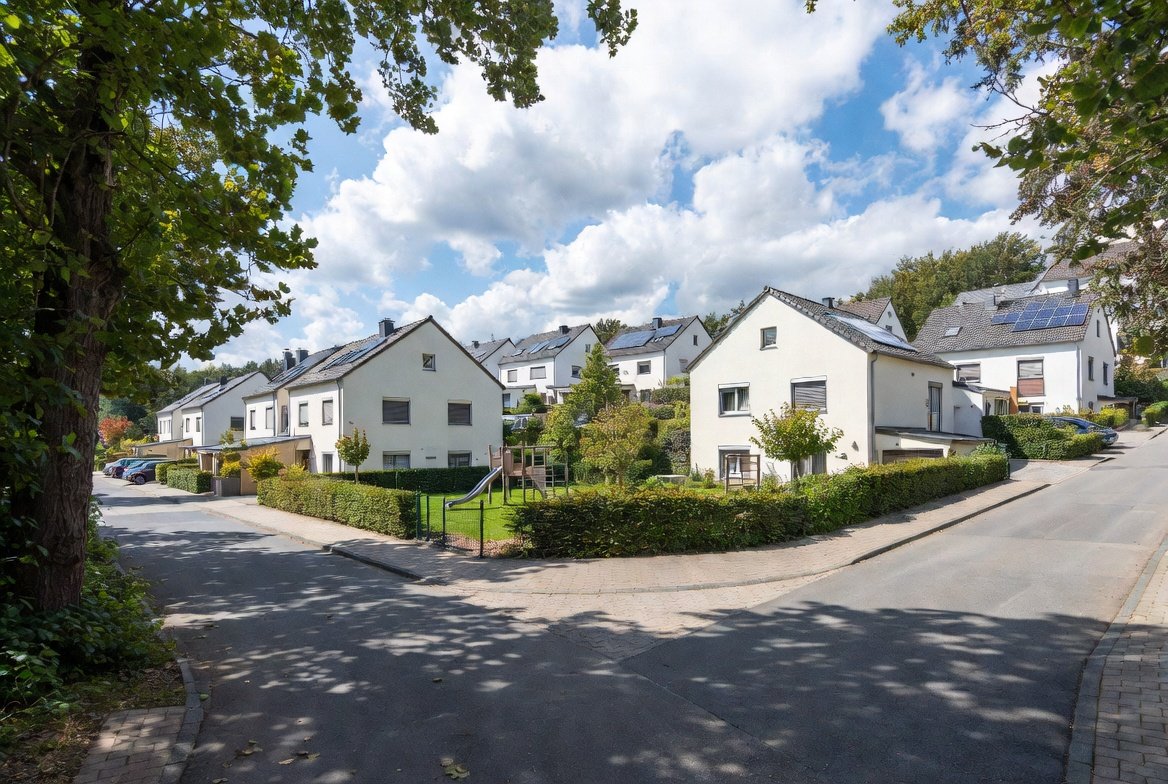
Housing stands out as particularly attractive. One-bedroom apartments outside the center start around €360–500, while modern three-bedroom family units in new developments range from €700–1,400 depending on location and amenities. Buying property is also accessible, with apartments averaging €2,000–3,000 per square meter—far more reasonable than Aachen or Cologne. New residential areas feature energy-efficient homes with balconies, gardens, and nearby schools and shops, ideal for young families. Rentals often include modern kitchens and high-speed internet (around €35 monthly for fast broadband).
Utilities for a standard apartment average €255 monthly, including heating, electricity, water, and garbage. Car ownership is optional thanks to excellent public transport, though gasoline runs about €1.67 per liter if needed. Compared to the UK, US suburbs, or even many German cities, Herzogenrath offers exceptional value: spacious homes, low taxes relative to services received, and a high quality of life. Expats frequently note that their money stretches further here, allowing savings for travel or home improvements while enjoying Germany’s renowned public services.
Getting around Herzogenrath and beyond is straightforward and eco-friendly. The town’s central train station (Herzogenrath Bahnhof, also known as Station Eurode) connects directly to Aachen in 12–14 minutes, with frequent services throughout the day. From Aachen, high-speed trains reach Cologne in under an hour, Brussels in two, and Paris or Amsterdam in a few more. The Euregiobahn regional network enhances cross-border travel, making daily commutes or weekend getaways seamless.
Motorways A4 and A44 provide quick car access to major hubs, while local buses and a growing network of bike paths and car-free streets encourage sustainable living. The park-and-ride facilities at the station make combining car and train simple. For international travelers, nearby airports in Aachen, Maastricht, and Düsseldorf are within easy reach.
This connectivity transforms Herzogenrath from a small town into a European base. English-speaking residents can work in Germany, shop in the Netherlands, and explore Belgium on weekends—all without long commutes or language barriers in professional settings. The Schengen Area means no border checks, turning the tri-national region into one extended living space.
Families thrive in Herzogenrath thanks to Germany’s excellent public systems. Local schools follow the high-standard German curriculum, with strong emphasis on academics, vocational tracks, and languages (including early English and Dutch exposure due to the border location). Nearby Aachen offers international schools and the prestigious RWTH Aachen University, ranked among Europe’s top technical institutions and home to a large English-speaking student and research community.
Healthcare is universal and high-quality. Residents enjoy access to modern clinics, hospitals, and specialists through public insurance (affordable at around 15% of gross salary, split with employers). Preventive care, dental services, and family doctors are readily available, with short wait times compared to many countries. Maternal and pediatric care receive particular praise.
Childcare and family support are generous: subsidized kindergartens, after-school programs, and parental leave policies make balancing career and family feasible. New housing developments cater specifically to young families with playgrounds and safe neighborhoods. The town’s club scene—sports teams, music groups, and cultural societies—helps newcomers integrate quickly. For English-speaking parents, the combination of quality education, affordable living, and safe, green surroundings makes Herzogenrath an ideal place to raise children while staying connected to international opportunities.
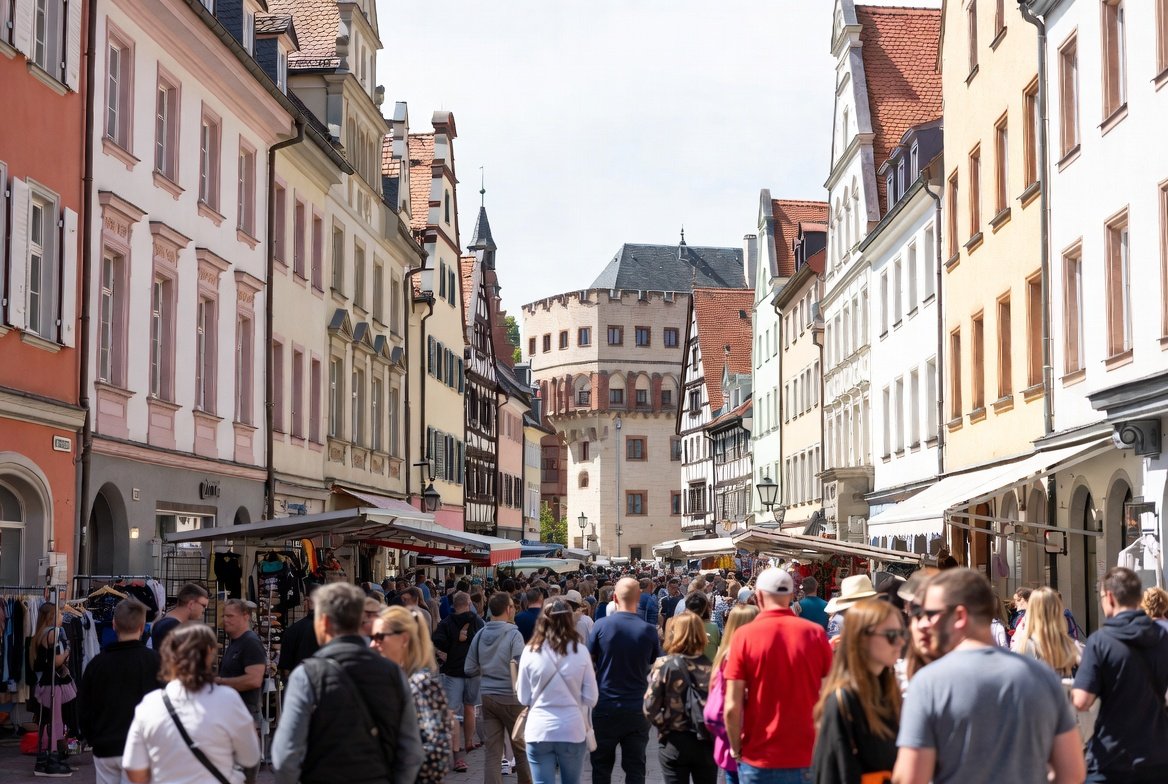
Daily life here blends German efficiency with a relaxed, community-oriented vibe. The old town center buzzes with small shops, cafés, and the weekly market. Burg Rode hosts year-round events: summer castle parties with live music and fairs, winter Christmas markets glowing with lights and local crafts, and regular concerts. Sports facilities include the Waldstadion, tennis clubs, swimming pools, and gyms, while cultural centers offer theater, exhibitions, and libraries.
Cross-border life adds flavor. Residents frequently visit Kerkrade’s abbey (Rolduc Congress Center) or enjoy Dutch shopping and dining. The shared Ripuarian dialect fosters a sense of regional identity that transcends nationality. English is commonly understood in shops, tech workplaces, and among younger residents, easing the transition for newcomers.
Leisure options abound: cycling along the Wurm, hiking in the Eifel, or day trips to Aachen’s historic cathedral and thermal baths. Nightlife is low-key but satisfying—pubs, ice-cream cafés like Eis Café Calvi, and seasonal festivals provide social outlets without big-city overwhelm. For those who value authenticity over hustle, Herzogenrath’s cultural scene feels genuine and inclusive.
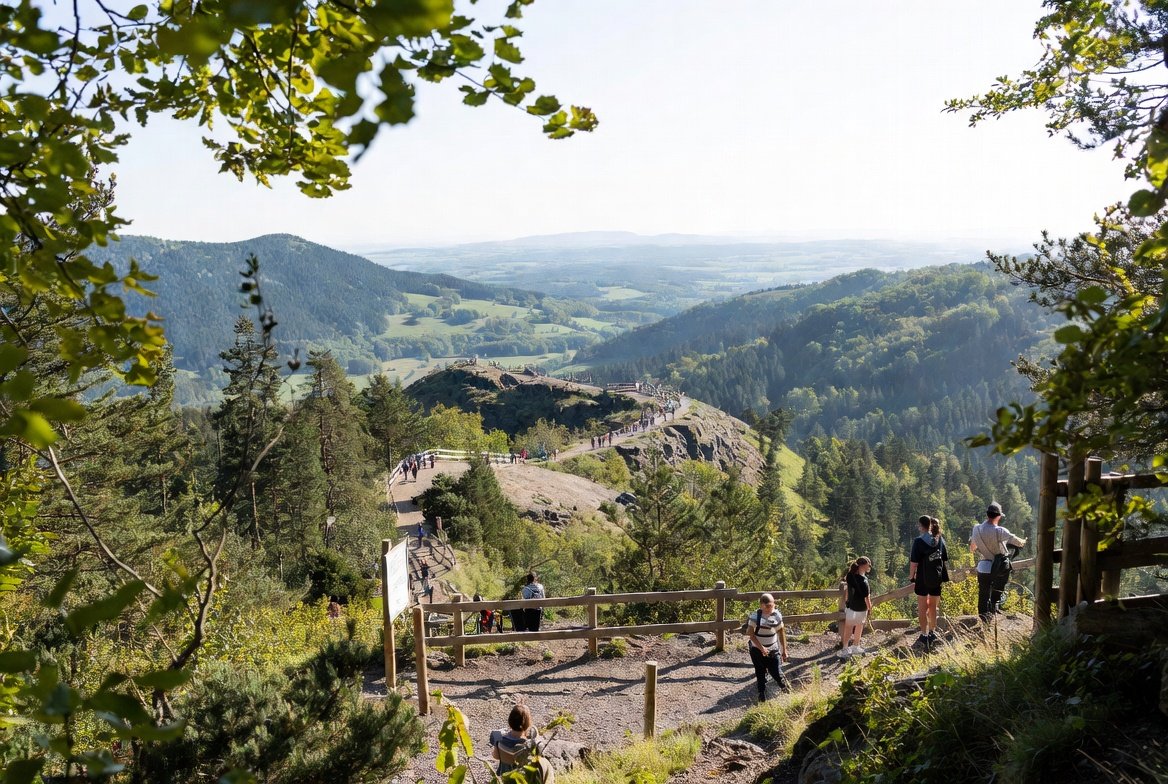
The surrounding landscape invites active lifestyles. Scenic trails follow the river and climb gentle hills, offering panoramic views. Transformed industrial sites like the Merkstein slag heap provide family adventures with climbing walls and viewpoints. Nearby Eifel National Park and Belgian countryside expand options for longer hikes, cycling, or even paragliding.
Seasonal activities include kayaking on the Wurm, forest picnics in summer, and cross-country skiing in rare snowy winters. The town’s emphasis on recreation makes it easy to maintain fitness and mental well-being—key advantages for expats seeking balance.
English-speaking residents often describe Herzogenrath as “Germany at its most livable.” The international tech community, proximity to RWTH’s global talent pool, and Eurode’s openness create a welcoming atmosphere. Many expats from the UK, US, Canada, and beyond appreciate the lower stress, cleaner air, and stronger community ties compared to larger cities.
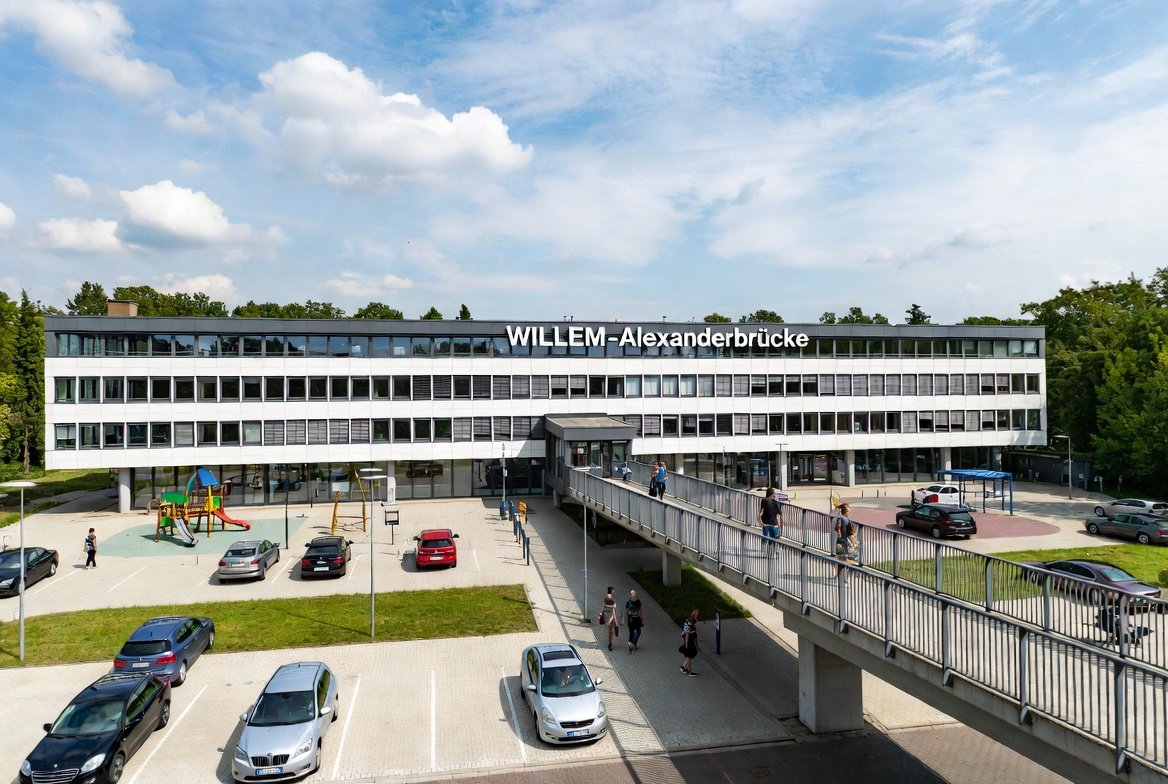
Practical steps for relocation are straightforward. EU citizens can move freely; others may need a residence permit tied to work or study. Register at the local Bürgeramt (citizens’ office) upon arrival for your Anmeldung, which unlocks healthcare, banking, and utilities. The modern service center offers English-friendly support and short wait times. Learning basic German accelerates integration, though many services accommodate English speakers. Housing agencies and the Technology Park provide relocation assistance for professionals.
Challenges include adjusting to smaller-town pace (fewer late-night options) and mastering bureaucracy, but these are typical across Germany and outweighed by the benefits. Local expat groups and online forums help bridge the gap.
Herzogenrath proves that Germany’s appeal extends far beyond its famous metropolises. It offers a sophisticated yet unpretentious lifestyle where history, innovation, nature, and international connections coexist harmoniously. Affordable housing, strong job prospects in growing tech sectors, excellent public services, and effortless cross-border living create an environment where English-speaking residents can truly thrive—whether building a career, raising a family, or enjoying retirement.
If you’re exploring Germany as a place to call home, put Herzogenrath on your shortlist. Here, you don’t just visit Europe—you live it every day, with the castle on the hill as your constant reminder that the best places often sit quietly on the map, waiting for those ready to discover them. From the first morning coffee with a view of the Wurm to evening strolls across the border, life in Herzogenrath feels like the perfect balance of comfort, opportunity, and adventure. Welcome to your new chapter in western Germany’s best-kept secret.