 11
11
For many English-speaking visitors, expats, or business professionals first encountering Germany, one cultural trait stands out immediately: everything seems to require prior planning. Arrive five minutes late to a dinner invitation and you might sense subtle disapproval. Suggest a spontaneous weekend getaway and your German friends may look mildly horrified. Trains run (mostly) on time, meetings start precisely at the scheduled second, and even casual social gatherings are often locked into calendars weeks in advance. This is not mere stereotype—it is a deeply ingrained cultural value known as Pünktlichkeit (punctuality), Ordnung (order), and Deutsche Gründlichkeit (German thoroughness).
The phrase “Ordnung muss sein” (“order must prevail”) is more than a cliché; it encapsulates a worldview in which predictability, structure, and foresight are acts of respect, reliability, and even moral responsibility. To outsiders—especially those from more spontaneous cultures like the United States, United Kingdom, or Latin America—this can feel rigid or joyless at first. Yet understanding why Germans plan so meticulously reveals profound insights into efficiency, trust, historical resilience, and a society that values collective harmony over individual improvisation. This article explores the roots, manifestations, and implications of Germany’s planning culture for English-speaking readers fascinated by the country—whether you’re planning a move, a business trip, or simply seeking to appreciate one of Europe’s most successful societies.
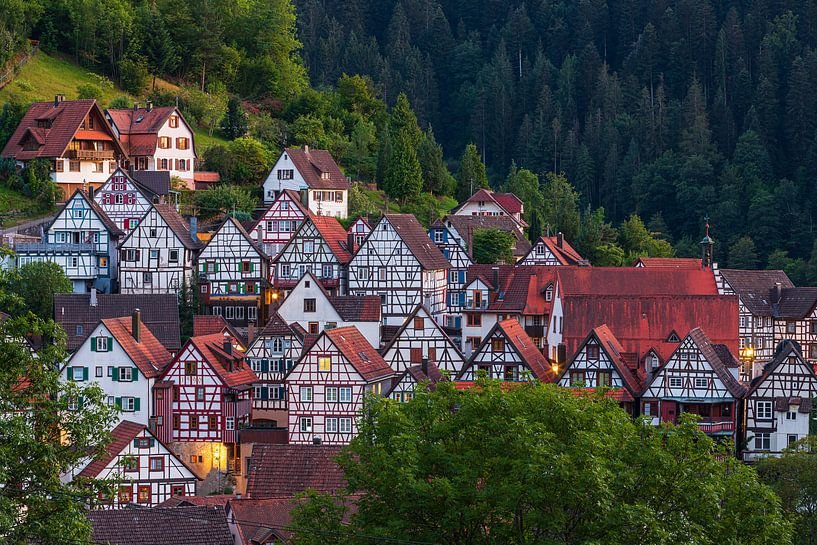
✅Also Read: Half-Timbered Houses: The Symbol of Historical German Neighborhoods
Germany’s emphasis on planning did not emerge in a vacuum. Its foundations trace back to the Prussian bureaucratic tradition of the 18th and 19th centuries, when the Kingdom of Prussia developed one of Europe’s most efficient administrative systems to manage a fragmented, resource-scarce territory. After the devastating Thirty Years’ War (1618–1648) and later the Napoleonic Wars, order became synonymous with survival. The Industrial Revolution amplified this: Germany’s rapid transformation into Europe’s economic powerhouse in the late 19th century relied on meticulous engineering, standardized processes, and long-term infrastructure planning.

Post-World War II reconstruction further cemented the value. Facing total devastation in 1945, West Germany’s Wirtschaftswunder (economic miracle) was built on precision, discipline, and forward-thinking policies like the social market economy (Soziale Marktwirtschaft). East Germany’s planned economy, though ultimately flawed, reinforced a cultural habit of structuring life around forecasts and rules. Even today, the federal system—with its layered governance—requires coordination and documentation that would overwhelm less planning-oriented societies.
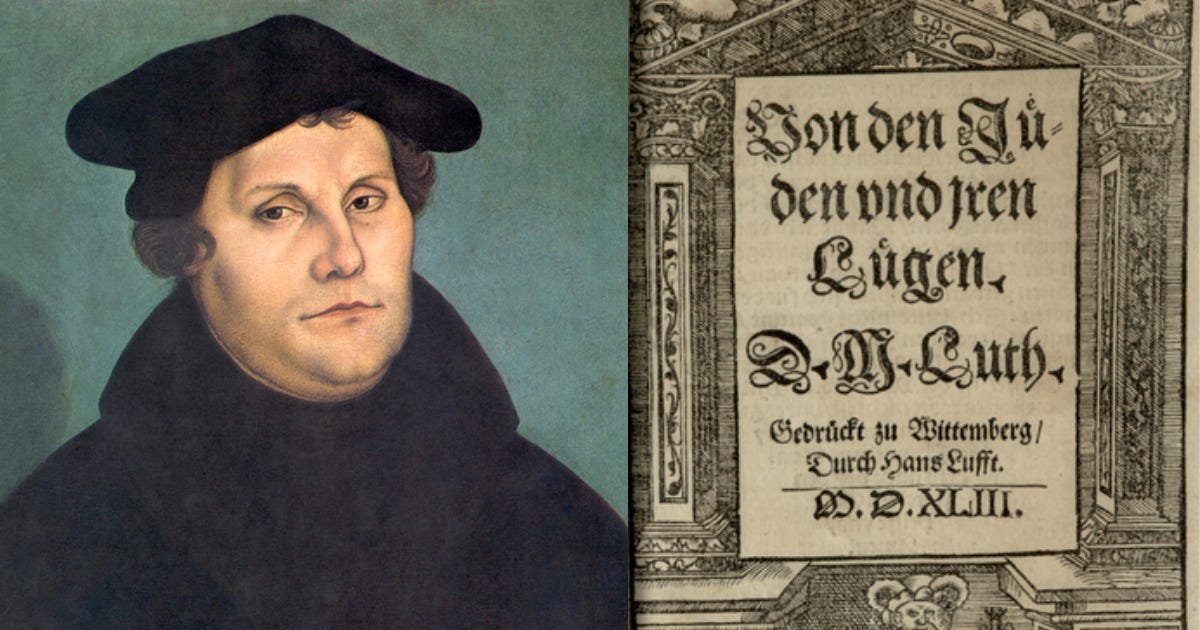
Philosophically, the Protestant work ethic (influenced by Martin Luther’s emphasis on vocation and diligence) and Enlightenment rationalism played roles. Thinkers like Immanuel Kant stressed duty and moral order, while Max Weber later analyzed how Protestantism fostered methodical capitalism. In modern terms, Germans view planning not as control-freakery but as ethical behavior: respecting others’ time, minimizing waste, and creating conditions for excellence.
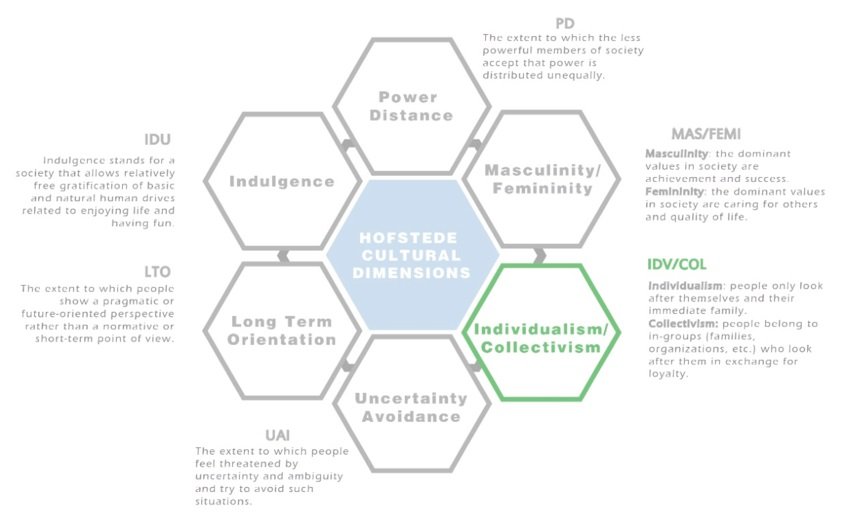
Cross-cultural researchers quantify this trait. In Geert Hofstede’s famous six-dimensional model, Germany scores moderately high on Uncertainty Avoidance (65 out of 100), indicating a preference for structured environments over ambiguity. More strikingly, it scores very high on Long-Term Orientation (83), reflecting a pragmatic focus on future rewards, perseverance, and thrift rather than short-term gratification. These scores contrast sharply with, say, the United States (Uncertainty Avoidance 46, Long-Term Orientation 26) or the UK (similarly lower). Germans mitigate uncertainty through rules, detailed contracts, and advance preparation—behaviors that foster stability in an unpredictable world.
This data explains why Germans invest heavily in planning: it reduces stress, builds trust, and aligns with core values of reliability (Zuverlässigkeit) and respect. As one cultural observer notes, planning is “a form of emotional safety” and mutual respect.
In Germany, being on time is non-negotiable. The “15-minute rule” is legendary: arriving early is polite; on time is expected; even one minute late can require an apology. Public transport epitomizes this—DB (Deutsche Bahn) platforms display countdowns to the second, and real-time apps keep passengers informed. Late trains trigger genuine public frustration because they violate an unspoken social contract.
Daily routines reflect the same mindset. Grocery shopping, doctor appointments, and even recycling follow strict schedules and rules. Parents organize children’s extracurriculars months ahead. The phrase “Gut geplant ist halb gewonnen” (“well-planned is half won”) captures the belief that foresight prevents chaos. For English-speaking newcomers, this can feel stifling—until you experience the relief of predictable services and minimal last-minute drama.
German business culture elevates planning to an art form. Meetings begin precisely on schedule, agendas are distributed in advance, and deviations are minimized. “Deutsche Gründlichkeit” demands thorough preparation: reports are exhaustive, risks are analyzed upfront, and quality is achieved “the first time.” This approach explains Germany’s global reputation for engineering excellence—think BMW, Siemens, or Mittelstand family firms that dominate niche markets through meticulous long-term strategies.
Contracts are detailed and binding; changes require justification. Hierarchy is respected, yet decision-making is consensus-driven and evidence-based. Expats from more flexible cultures often note the absence of “water-cooler” spontaneity—socializing after work is planned, not impromptu. Yet this separation protects work-life balance: Germans average generous vacation days (at least 20–30) and rarely check emails after hours. Planning enables boundaries.
Even leisure is planned. Dinner parties or Stammtisch (regular pub gatherings) are scheduled weeks ahead. Vacations are booked six to twelve months in advance—popular destinations like the Alps or Baltic coast fill up early. Spontaneous bar-hopping? Rare. Germans prefer knowing what to expect so they can relax fully.

This extends to hobbies: hiking clubs, sports teams, and cultural events run on precise timetables. The result? Low-stress enjoyment. A German friend once explained: “If I know the plan, I can be present. Spontaneity feels like uncertainty.” For visitors, adapting means embracing calendars—propose dates early, confirm details, and show up on time. The reward is deeper connections built on reliability rather than fleeting charm.
Nowhere is the planning ethos more visible—or notorious—than in German bureaucracy (Bürokratie). Registering residence (Anmeldung), obtaining permits, or filing taxes involves forms, appointments, and documentation that can seem labyrinthine. Yet this system stems from the same desire for fairness, transparency, and predictability: rules apply equally to all, reducing favoritism.
Critics call it inefficient in practice (long wait times, paper-heavy processes), but supporters note its role in maintaining one of the world’s most stable societies. Recent digitalization efforts (e.g., online portals) aim to modernize without sacrificing thoroughness.
The habit begins early. German schools emphasize structure—detailed timetables, homework logs, and punctual attendance. Children learn organization through projects requiring advance planning. Parents model it: family calendars are shared, chores scheduled. By adulthood, the cultural script is internalized: planning equals maturity and respect.
Germany’s planning culture delivers undeniable benefits: world-class infrastructure, high productivity, low corruption, and social trust. It underpins economic success and quality of life (Germany consistently ranks high in global happiness and innovation indices when adjusted for stability).
Yet rigidity has drawbacks. Unforeseen events—strikes, weather, or global crises—can cause disproportionate stress. Immigrants and younger urbanites (especially in Berlin or Hamburg) sometimes chafe at the inflexibility, pushing for more adaptability. Critics argue excessive planning can stifle creativity or exclude those unfamiliar with the rules. In multicultural Germany, balancing Ordnung with diversity remains an ongoing conversation.

Comparisons illuminate this. Americans prize improvisation and optimism (“It’ll work out”). Britons value dry humor amid uncertainty. In contrast, German culture treats planning as kindness: it spares others surprises and demonstrates care. Understanding this shift in perspective transforms frustration into appreciation.
Globalization, immigration, and digital tools are softening edges. Apps like Doodle simplify scheduling; remote work introduces flexibility. Younger Germans in creative industries experiment with hybrid approaches. Yet core values endure—punctuality remains a social norm, and “order must prevail” still resonates.
Climate awareness and sustainability further reinforce long-term planning: energy transitions (Energiewende) and green policies demand decades of foresight.
Germany’s insistence on prior planning is not about joyless rigidity—it is a philosophy of mutual respect, shared responsibility, and intelligent foresight. In a world of chaos, Germans choose structure so life can flourish within safe, predictable bounds. For English-speaking audiences drawn to Germany—whether for its beer gardens, engineering marvels, or philosophical depth—embracing this trait unlocks authentic experiences. Arrive early, plan ahead, and watch how seamlessly society flows.
Mastering the German art of planning does not mean abandoning spontaneity forever. It means recognizing that, in Germany, true freedom often begins with a well-made schedule. As the saying goes, Ordnung muss sein—and once you understand why, you might just find yourself adopting a bit of it too.