 11
11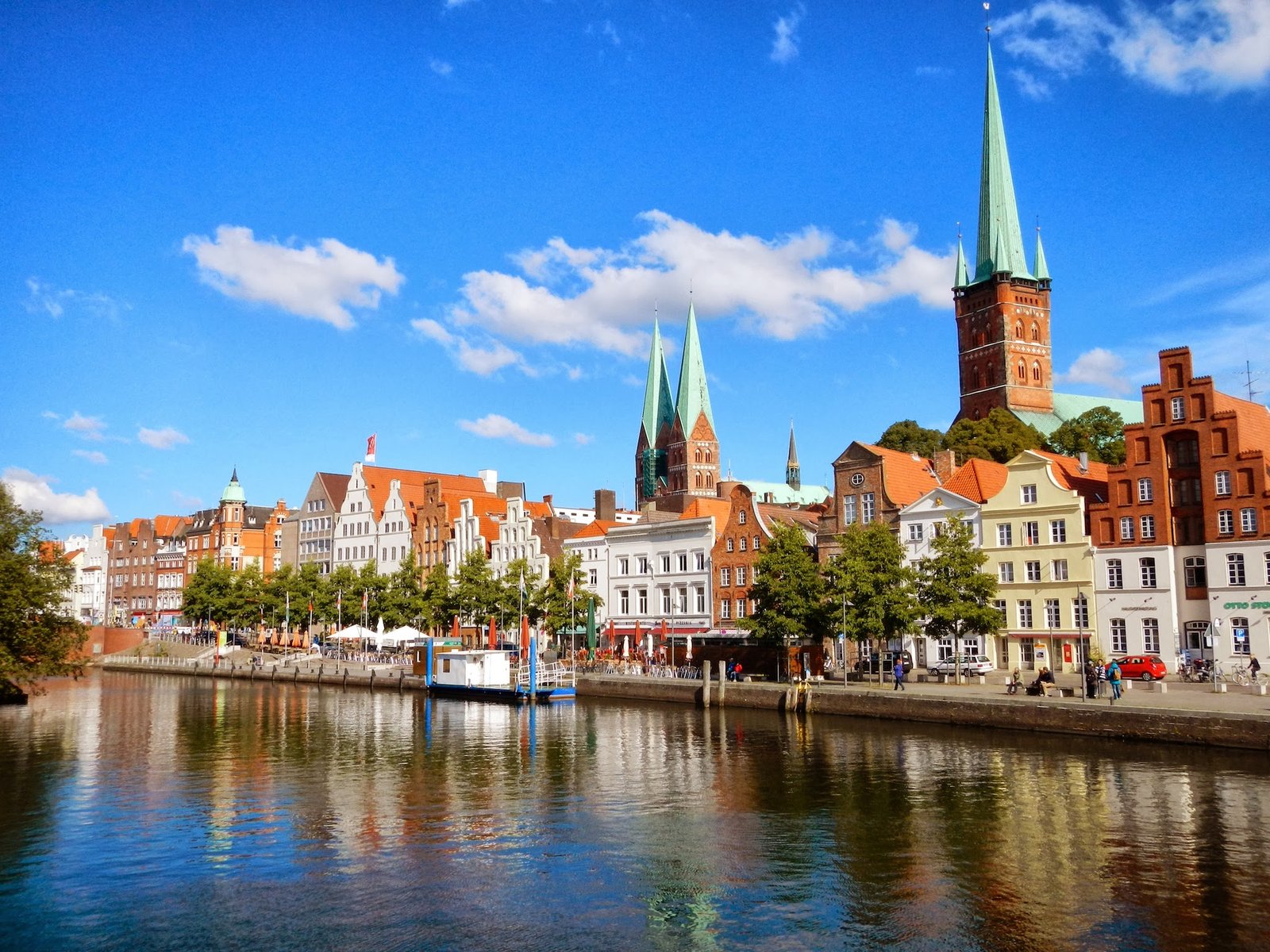
Tucked away on a small island embraced by the gentle curves of the Trave River, just before it meets the Baltic Sea, lies one of Northern Europe’s best-kept secrets: Lübeck. Affectionately known as the “Queen of the Hanseatic League,” this red-brick city feels like a living storybook — where medieval grandeur, maritime romance, and quiet Northern charm come together in perfect harmony.
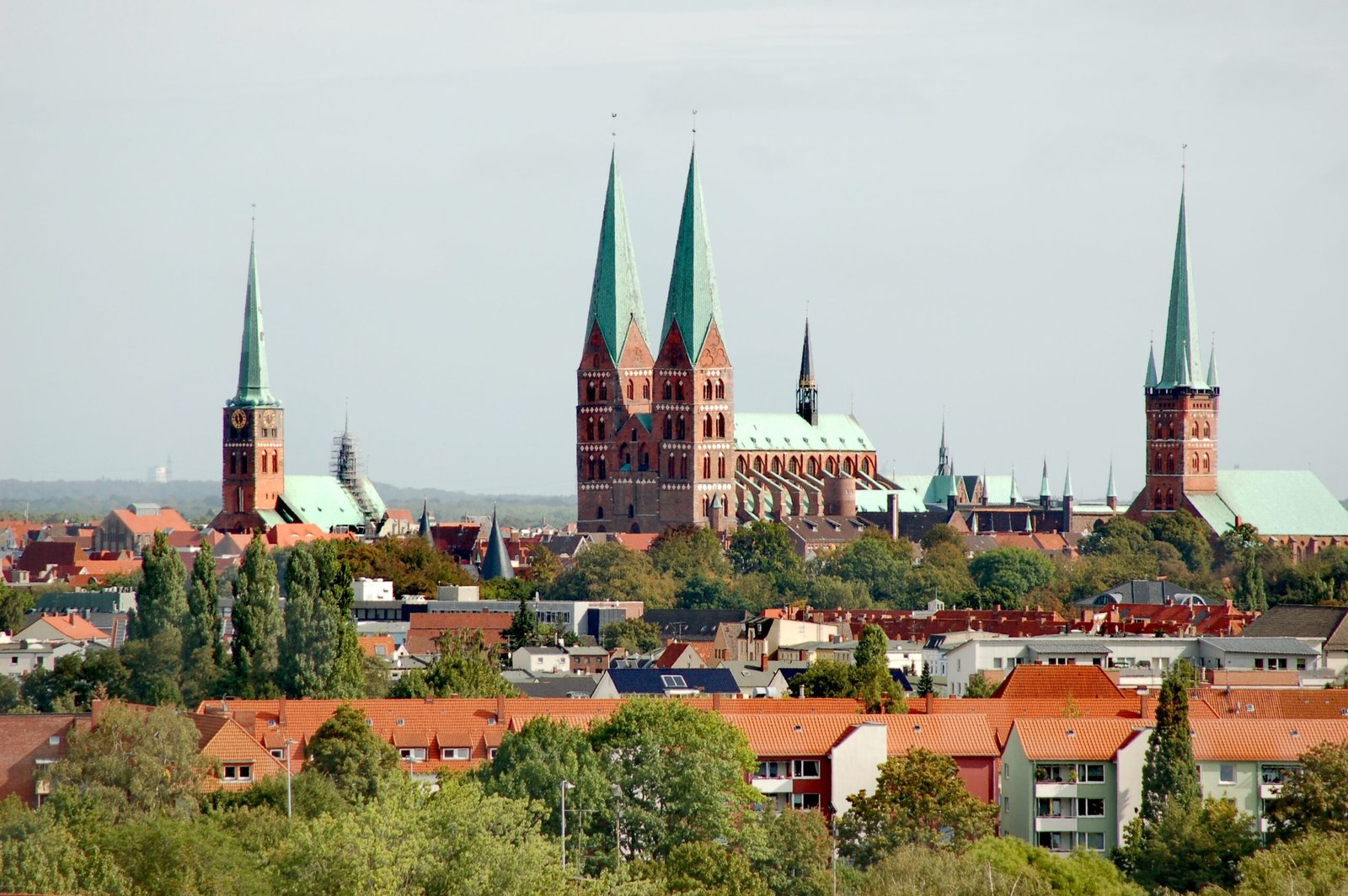
With roughly 217,000 to 233,000 inhabitants, Lübeck offers the rare pleasure of a place that is both intimate and alive. Seven elegant church spires pierce the skyline, while below them a maze of narrow cobblestone streets and hidden Gänge (alleys) opens into sun-dappled courtyards that have witnessed centuries of traders, dreamers, and storytellers.
Whether you come for the soaring Brick Gothic architecture, the legendary marzipan that has delighted kings and commoners alike, the salty breeze of the Baltic coast, or the literary ghosts of Thomas Mann and Günter Grass, Lübeck rewards every visitor with layers of discovery. This in-depth 2026 guide blends rich history, practical advice, hidden gems, and carefully crafted itineraries to help you experience the city like a local — not just as a tourist.
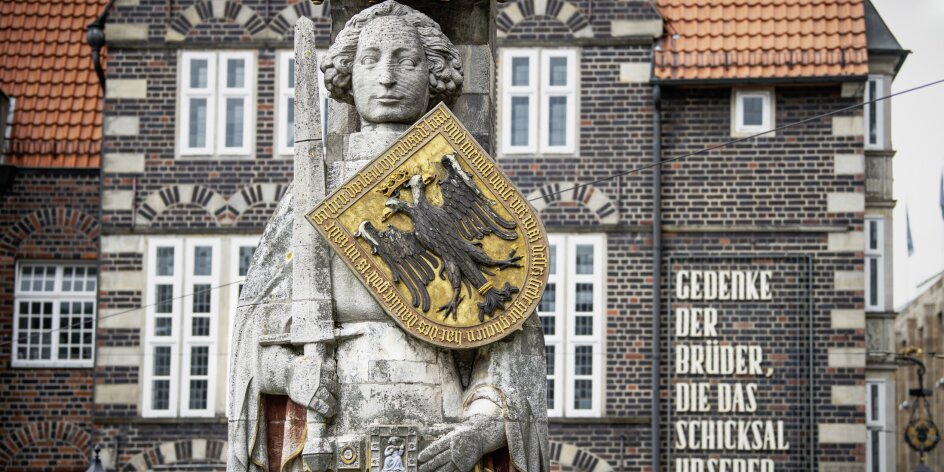
✅ Also read: Bremen Roland Statue Ultimate Guide to Its 620-Year History, Symbolism & Expert Visitor Tips
Lübeck’s story began in 1143 when Henry the Lion, Duke of Saxony, founded the settlement on a strategically perfect island. Within decades it had become the beating heart of the Hanseatic League — a powerful alliance of merchant cities that ruled trade across the North and Baltic Seas for over 400 years.
By the 13th century, Lübeck was the League’s unofficial capital. Ships laden with salt from Lüneburg, herring from the Baltic, timber from the north, and spices from afar filled its harbors. The wealth that flowed in funded an architectural revolution: the Brick Gothic (Backsteingotik) style. With no local stone available, builders turned to red clay bricks, creating towering churches, ornate merchant houses, and formidable gates that still define the city today.
The motto Concordia domi foris pax (“Harmony at home, peace abroad”) guided this golden age. Lübeck wasn’t just rich — it was influential, shaping politics and culture across Northern Europe.
Even after the League’s decline in the 17th century and the devastating 1942 bombing that destroyed large parts of the center, the city rose again with meticulous care. In 1987, the entire Old Town was named a UNESCO World Heritage Site — Germany’s largest by area. Today it remains an astonishingly intact example of a medieval Hanseatic trading city.
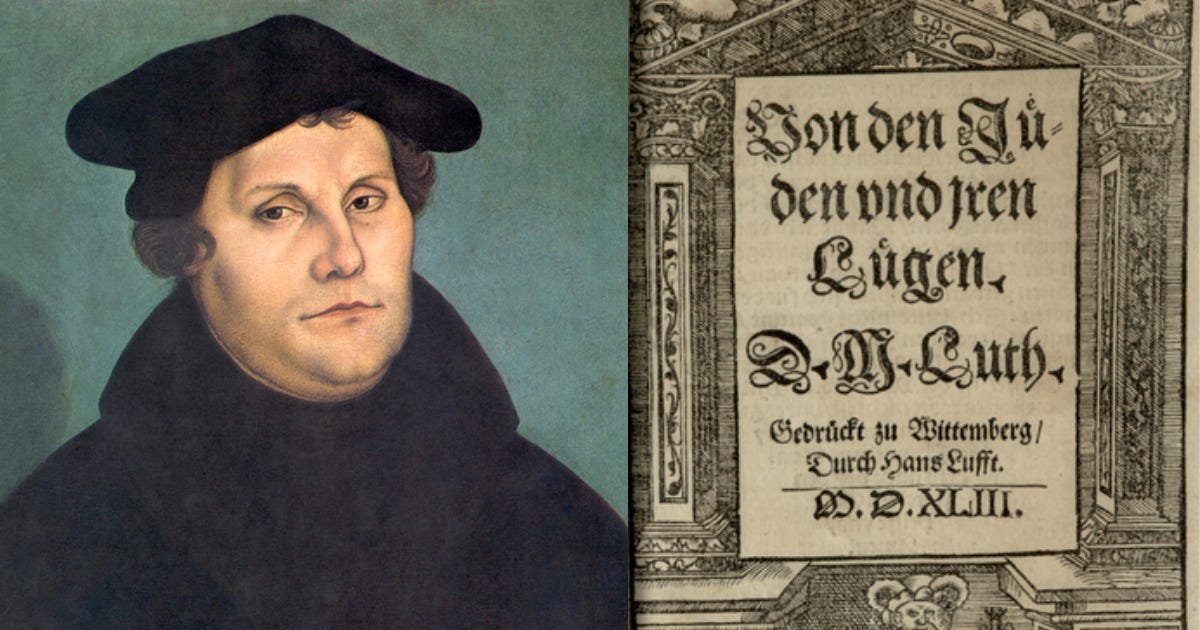
Literary giants also left their mark. Thomas Mann’s Nobel Prize-winning novel Buddenbrooks drew directly from his family’s merchant roots in Lübeck. His brother Heinrich and later Günter Grass found inspiration in the city’s streets, adding a profound cultural depth that museums now celebrate.
Beyond the famous landmarks, Lübeck hides delightful surprises:
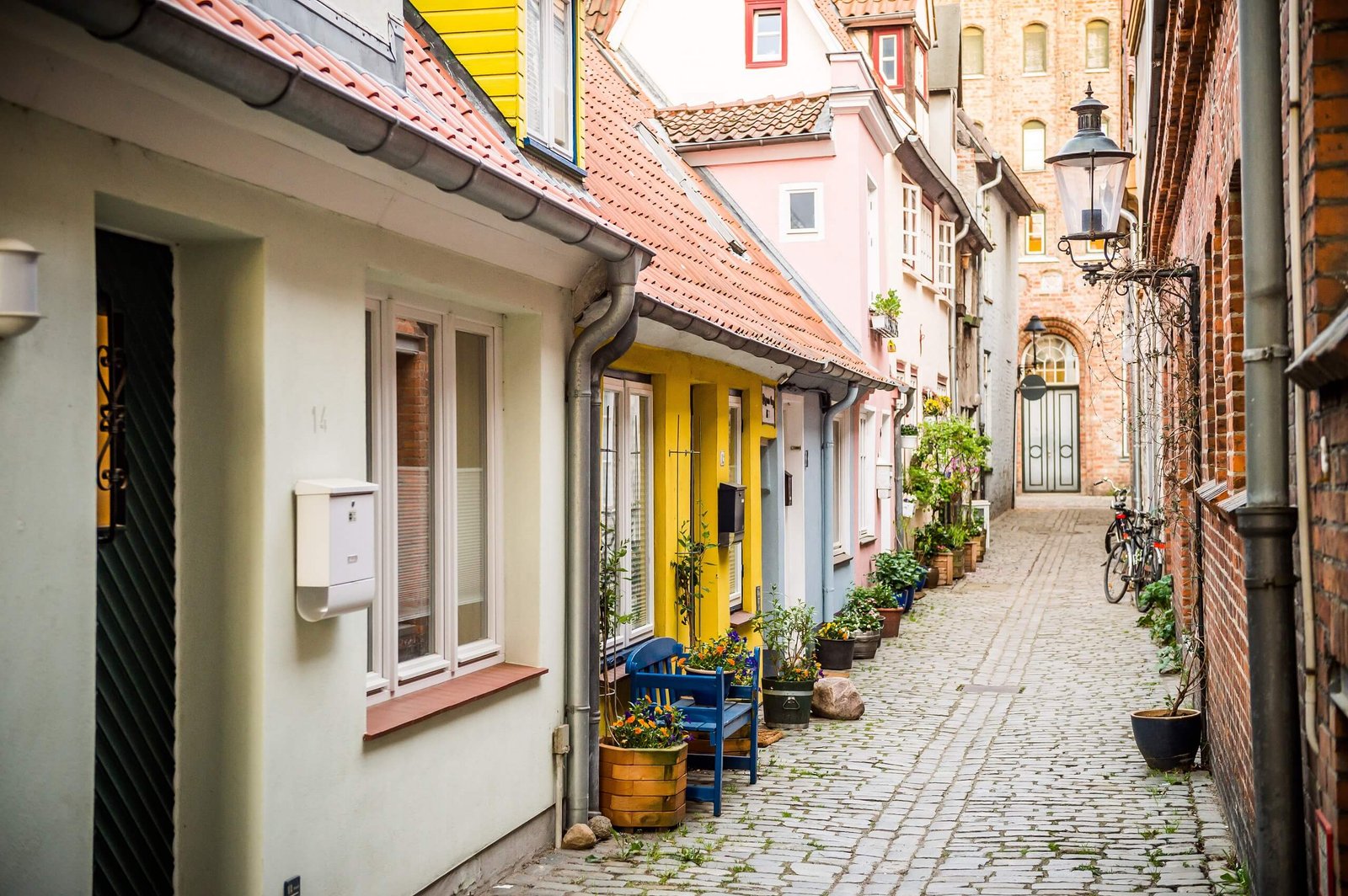
These lesser-known spots transform Lübeck from a checklist destination into a city you genuinely fall in love with.
Begin at the Holstentor (Holsten Gate), Lübeck’s iconic twin-towered brick gateway built in 1478. Its slight lean only adds to its charm. Inside, the engaging Holstentor Museum brings Hanseatic trade to life with interactive displays and a sense of adventure.
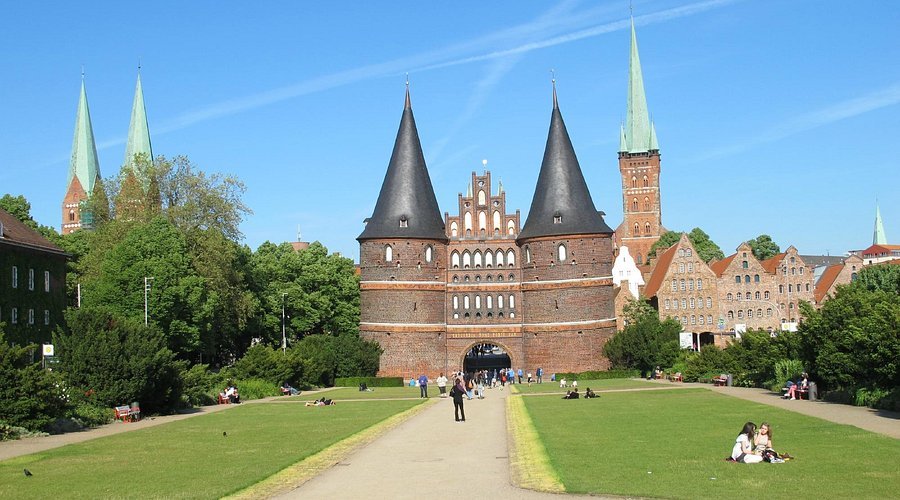
Next door, the row of elegant Salt Warehouses lines the river — once vital for preserving the herring that fueled the League’s economy.
Just steps away stands St. Mary’s Church (Marienkirche), the crown jewel of Brick Gothic. Its 120-meter towers dominate the skyline, while inside you’ll find the world’s highest brick vaults and a moving memorial to the bells damaged in 1942. The astronomical clock from 1405 is a mechanical masterpiece.
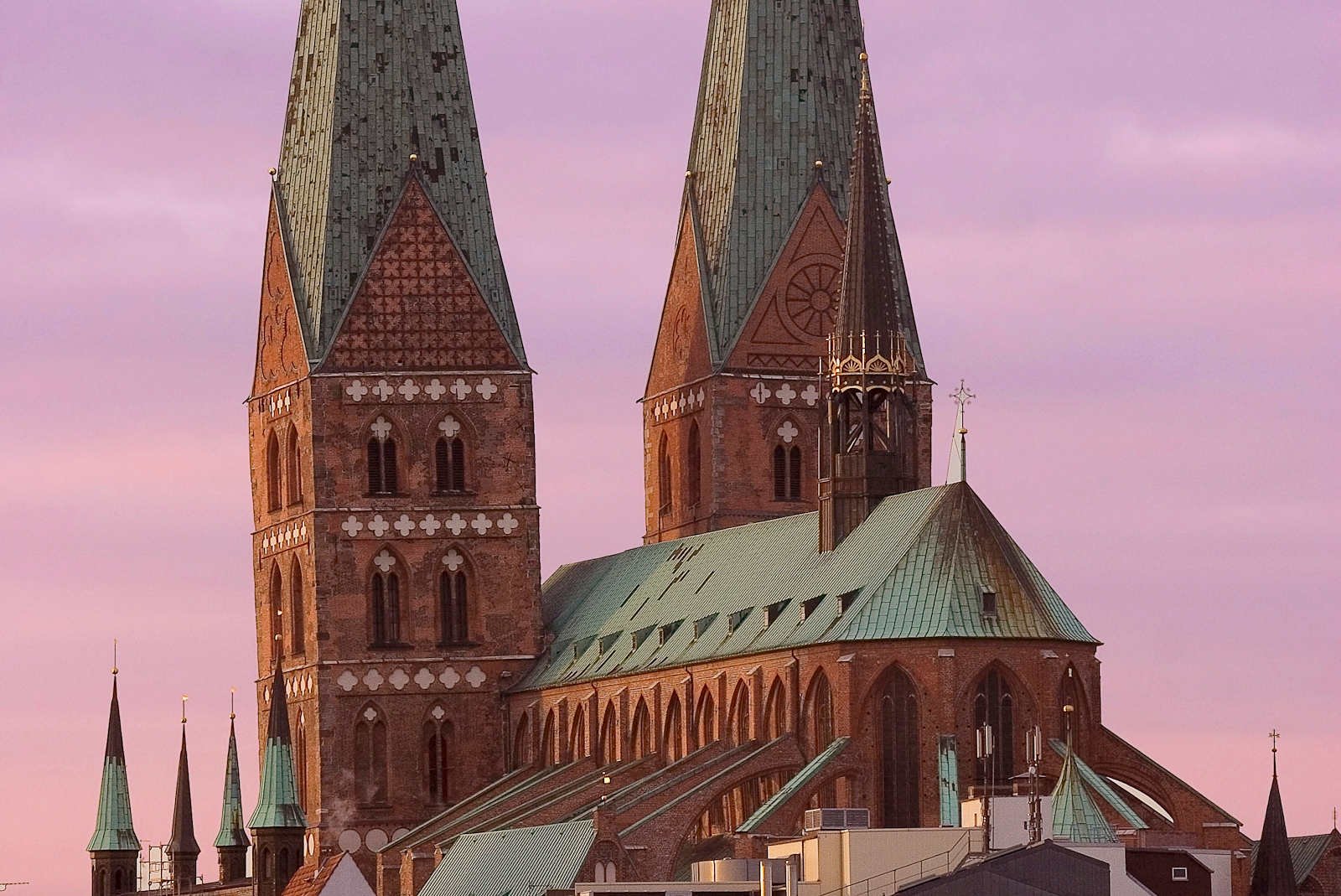
The Lübeck Cathedral (Dom), founded in 1173, blends Romanesque solidity with Gothic grace and houses impressive artworks, including a monumental triumphal cross.
The Town Hall (Rathaus) is a masterpiece of civic architecture, its colorful shields and arcades overlooking the lively market square. Guided tours reveal ancient council chambers and wine cellars where deals were once sealed with raised glasses.
Don’t miss the Heiligen-Geist-Hospital (founded 1286), one of Europe’s oldest charitable institutions. Its grand hall with frescoes now hosts concerts and Christmas market stalls.
For the best perspective, take a relaxing boat tour around the island. The waterways that once carried prosperity still whisper the city’s maritime soul.
Lübeck’s cultural scene is surprisingly rich. The European Hansemuseum offers a modern, immersive journey through the League’s history, complete with a reconstructed medieval cog ship.
Literature lovers should visit the Buddenbrookhaus, which explores the Mann family and their famous novel, and the Günter Grass House, dedicated to the Nobel laureate’s bold creativity.
The city pulses with events: the prestigious Schleswig-Holstein Music Festival fills Gothic churches with world-class performances, while the Nordic Film Days and Hansekulturfestival add contemporary energy.
Lübeck is the undisputed world capital of marzipan. The tradition dates back centuries, but it was Johann Georg Niederegger who elevated it in 1806. His secret recipe — maximum almonds, minimal sugar, and one closely guarded ingredient — remains the gold standard.
At Café Niederegger (opposite the Town Hall), you can taste classic marzipan loaves, elegant cakes, the famous Nusstorte, and even explore the free Marzipan Museum with its life-sized marzipan sculptures and fascinating history of the sweet treat.
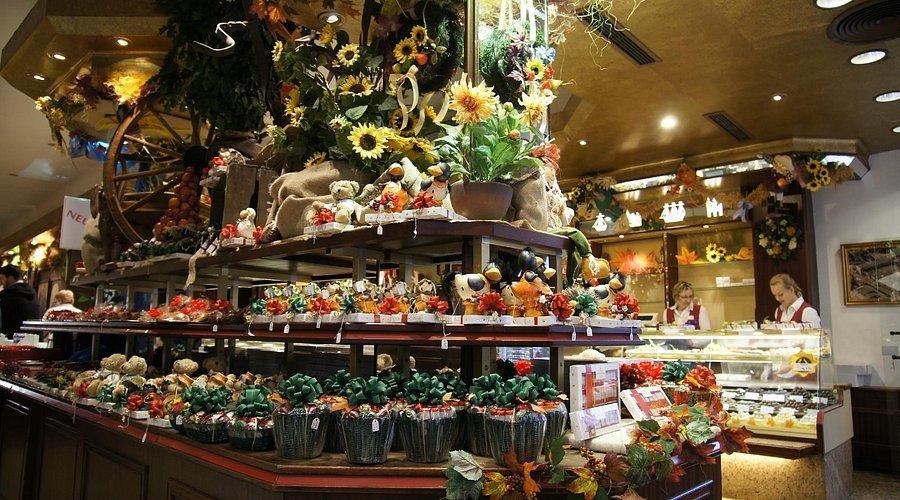
Beyond sweets, savor fresh Baltic herring in crispy Fischbrötchen, hearty Labskaus (sailor’s hash), local beers, and wines from the Trave valley. Many restaurants occupy restored merchant houses, blending historic atmosphere with excellent food. Vegetarian and modern options ensure everyone is satisfied.
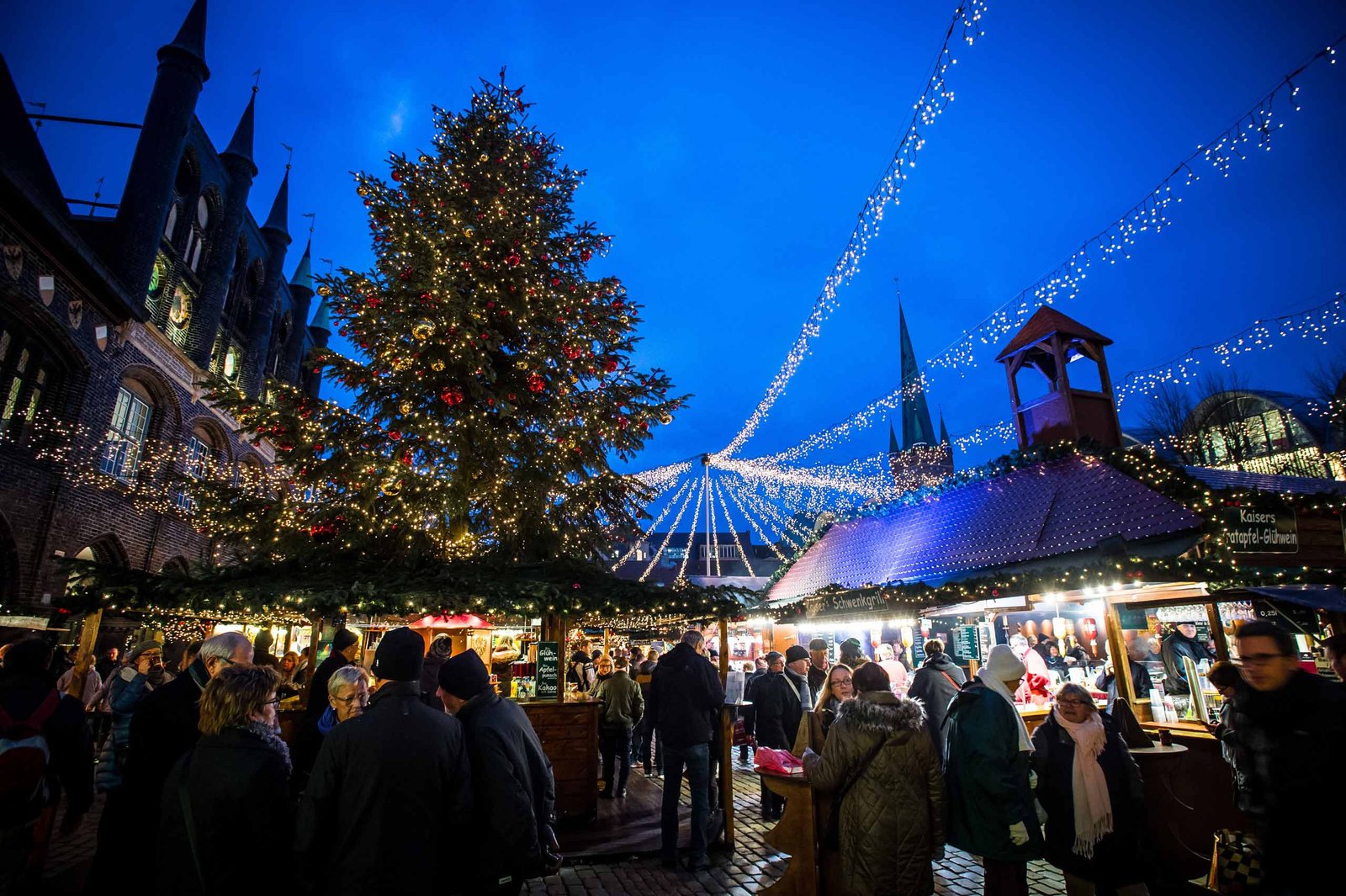
The Lübeck Christmas Market is pure magic — twinkling lights, mulled wine, handmade crafts, and the irresistible scent of marzipan turning the Old Town into one of Germany’s most enchanting winter experiences.
One Perfect Day in Lübeck
Two Days in Lübeck (Recommended)
Day 1 – Old Town Deep Dive Focus on the UNESCO core: Holstentor, Marienkirche, Cathedral, Town Hall, Heiligen-Geist-Hospital, and plenty of Gänge wandering. End with marzipan and a relaxed dinner.
Day 2 – Culture, Nature & the Baltic Morning: Günter Grass House or more museums. Afternoon: Train to Travemünde (20 minutes) for sandy beaches, the historic harbor, and the iconic sailing ship Passat. Walk the promenade, rent a beach chair, or enjoy fresh fish by the sea. Evening: Return to Lübeck for a concert or quiet riverside stroll.
Getting There Hamburg Airport is the main gateway (60 km away) with fast train connections. Lübeck’s own small airport serves select routes. Trains from Hamburg Hauptbahnhof run frequently and take about 40 minutes. Excellent roads connect from Berlin, Copenhagen, and Scandinavia.
Getting Around The Old Town is compact and best explored on foot. Buses serve outer areas and Travemünde. Renting a bike is wonderful for river and coastal paths.
Where to Stay From the elegant Radisson Blu Senator to boutique hotels in historic buildings and sustainable guesthouses — options suit every style and budget. Book early for summer or Christmas market season.
Best Time to Visit
Bring comfortable shoes for cobblestones, a light rain jacket, and an empty stomach for marzipan.
As a UNESCO site, Lübeck prioritizes careful preservation. Choose walking tours, electric boats, and eco-certified accommodations. Support local businesses, use public transport, and tread lightly so future generations can experience the same magic.
Lübeck is not just another pretty European town. It is a place where history feels alive, where every brick tells a story, and where the simple pleasure of wandering hidden courtyards or tasting perfect marzipan becomes memorable.
In a world of crowded tourist hotspots, Lübeck offers something increasingly rare: authenticity, depth, and genuine Northern warmth. Whether you spend one sunlit day or a leisurely long weekend, you’ll leave with the quiet satisfaction of having discovered a true gem.
Let the Queen of the Hanseatic League welcome you in 2026. Walk her ancient streets, taste her legendary sweets, breathe her sea air, and create your own chapter in a story that has been unfolding for nearly 900 years.
If you’d like to explore the Old Town with a passionate local guide who will bring all these stories to life, I highly recommend booking the Lübeck Old Town Guided Walking Tour on GetYourGuide. It’s the perfect way to discover the hidden details and make your visit truly unforgettable.