 11
11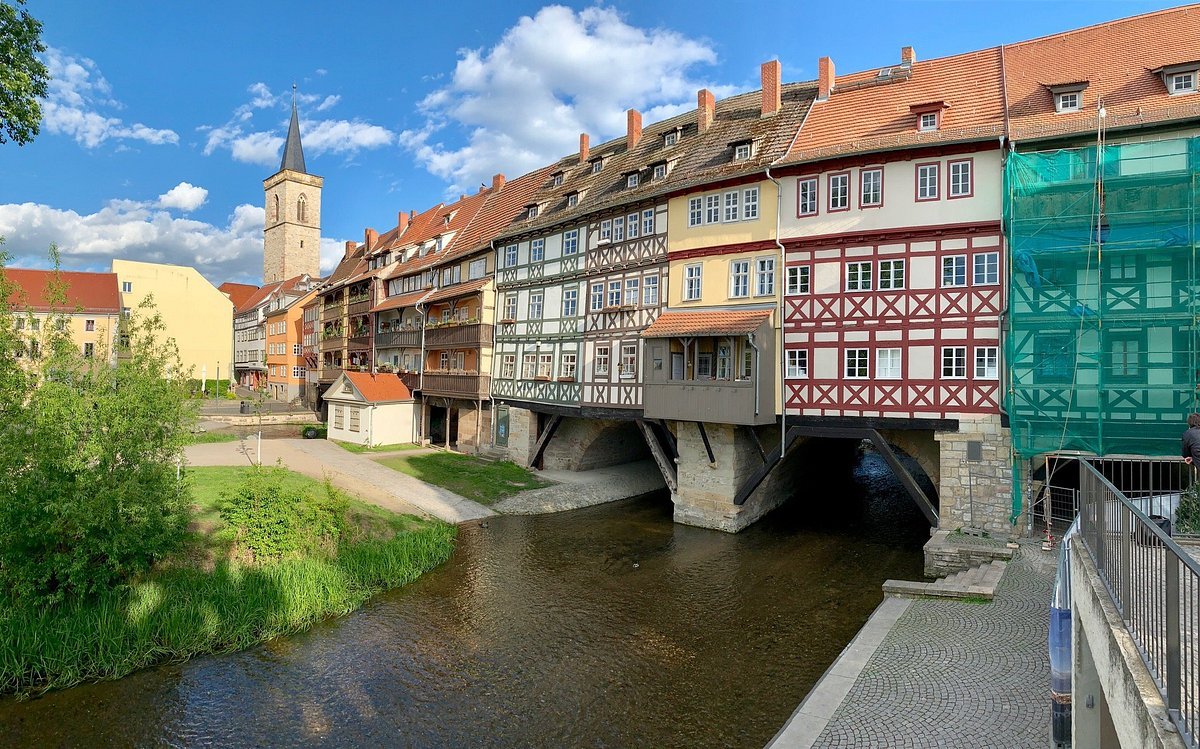
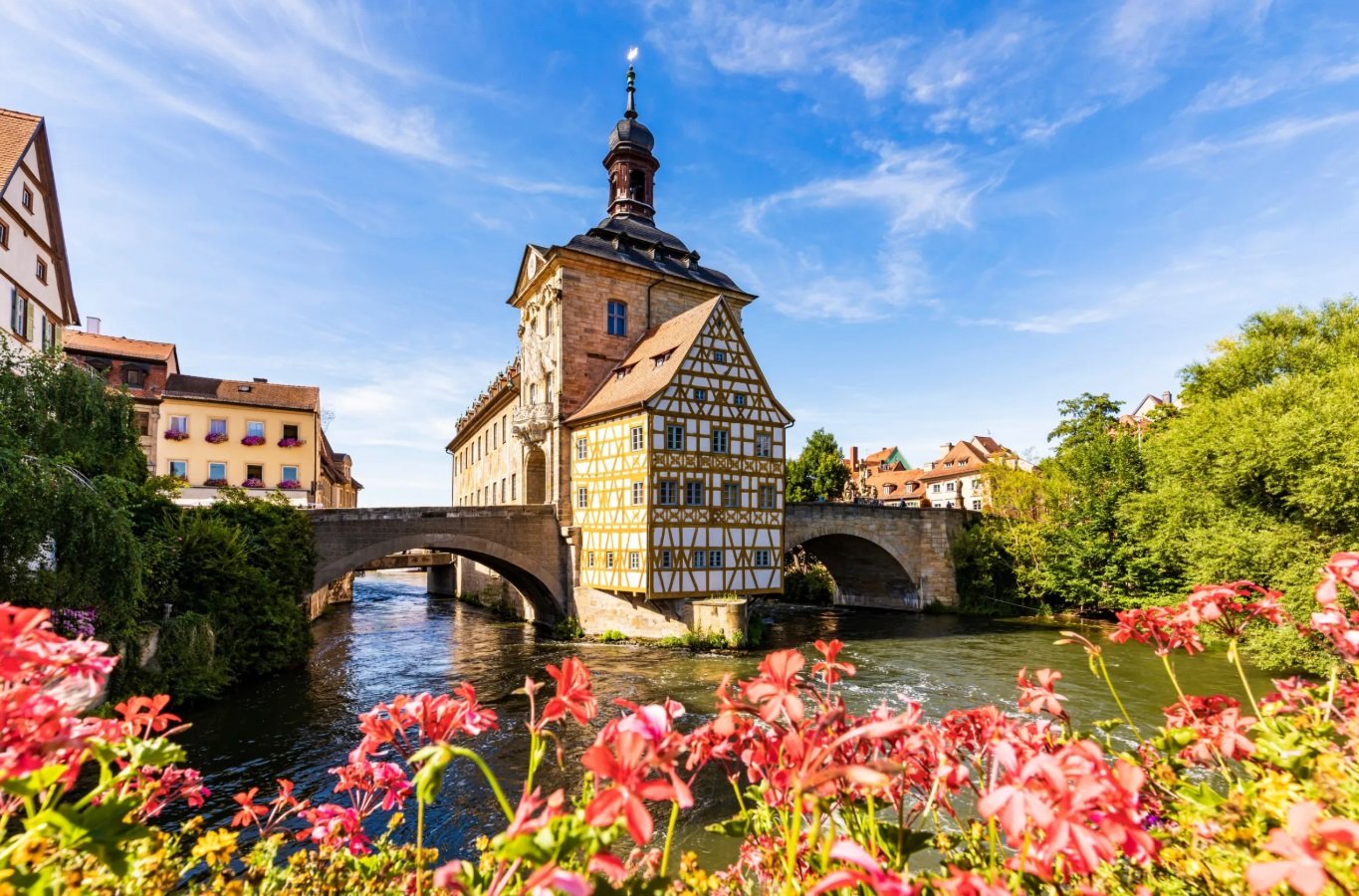
Imagine this: You step off a sleek ICE high-speed train in the dead center of Germany. No hordes of tour groups, no selfie-stick traffic jams, no overpriced souvenir shops hawking the same generic “Germany” merch you see everywhere else. Instead, the air smells of pine resin and fresh bread. Ancient beech forests stretch endlessly to the horizon. A medieval bridge lined with flower-boxed half-timbered houses hums with quiet café chatter. In the distance, the faint strains of a Bach organ prelude drift from a thousand-year-old cathedral. This isn’t a fairy tale. This is Thuringia—Thüringen—and it remains one of Europe’s most criminally underrated travel destinations for English-speaking visitors.
While Bavaria grabs the Oktoberfest spotlight, Berlin the nightlife buzz, and the Rhine the postcard river cruises, Thuringia quietly delivers the authentic Germany that travelers actually dream about: profound history, soul-stirring nature, world-class culture, and hearty food—all without the crowds or the inflated prices. With just over 2.1 million residents across 16,171 square kilometers (roughly the size of Connecticut or twice the size of Wales), this compact central state punches wildly above its weight. It boasts 18 UNESCO World Heritage connections, more castles and palaces per square kilometer than almost anywhere else in Europe, and a tourism scene that’s finally gaining traction as a “hidden gem for 2026” according to recent travel reports.
This guide is written exclusively for curious —whether you’re a history obsessive from Chicago, a classical music fan from Sydney, a hiker from Vancouver, or a family from Manchester looking for a meaningful European escape. We’ll unpack why Thuringia has been overlooked for decades, why that anonymity is now its greatest gift, and exactly how to plan an unforgettable trip that will leave you raving about it to everyone back home. By the end, you’ll have a complete, practical blueprint: itineraries, budgets, insider tips, and the kind of stories that make your friends jealous. Let’s dive in.
✅ Also Read: Saarland: The Place Where France and Germany Became One
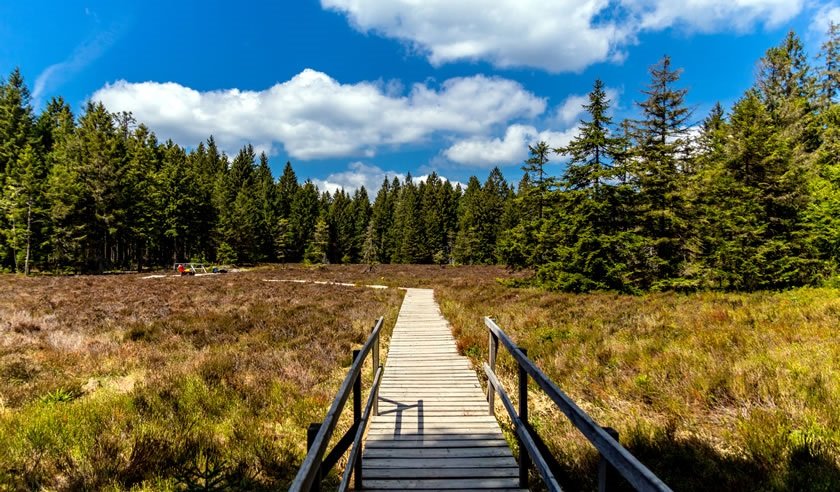
Thuringia earns its poetic nickname “the Green Heart of Germany” with zero exaggeration. Thirty-two percent of the state is dense, ancient forest—higher than any other German Bundesland. The Thuringian Forest (Thüringer Wald) forms the southern spine, a rolling, rumpled carpet of beech, fir, and spruce that climbs to 983 meters at the Großer Beerberg and 978 meters at the Schneekopf. These aren’t just pretty trees; they’re living history. Many stands in Hainich National Park have never been commercially logged, earning UNESCO World Heritage status as one of Europe’s last primeval beech forests. Walk the elevated canopy walkway there at dawn and you’ll feel like you’ve entered a prehistoric world—birdsong echoing, mist rising, zero crowds.
The crown jewel for hikers is the Rennsteig, Germany’s oldest and most legendary long-distance trail. Stretching 169–170 kilometers along the forest ridge, it has been trodden since at least the 14th century by merchants, pilgrims, smugglers, and, later, Cold War border guards. English-speaking walkers often compare sections to the Appalachian Trail or the Scottish Highlands: same rugged beauty, same sense of solitude, but with actual medieval waymarkers and summit huts serving hot Thüringer sausage. In 2026, the trail is busier than ever thanks to new eco-friendly shuttle services, yet you can still hike full days without seeing another soul. Autumn turns the canopy into a firework display of crimson and gold; winter brings world-class cross-country skiing around Oberhof, host to annual biathlon World Cups.
Beyond the highlands lie the gentle river valleys of the Saale, Unstrut, and Ilm—perfect for relaxed cycling or kayaking. The Ilm Valley Cycle Path, awarded four stars by the German Cyclists’ Association, follows Goethe’s favorite routes past classical parks and vineyards. In spring, cherry and apple orchards explode in blossom; in summer, wild strawberries line the paths. Dams like the Bleiloch Reservoir create mirror-like “inland seas” where you can rent electric boats or simply picnic on the shore.
What sets Thuringia apart from the overhyped Alps or Black Forest? Accessibility and authenticity. Trails are well-marked in English via the official “Thüringen entdecken” app. Eco-lodges and organic farms offer farm-to-table stays for €80–120 per night. And because international visitors still number far fewer than in Munich or Berlin, you share the paths with friendly locals—retirees with walking poles, families on e-bikes, and the occasional shepherd. Sustainability isn’t marketing speak here; it’s policy. Forests are managed for biodiversity, renewable energy supplies 40% of the state’s power, and tourism operators are increasingly certified green. For English speakers craving nature without the Instagram overload, this is pure gold.
Thuringia’s story is Germany’s story in miniature—and it’s far richer than most outsiders realize. The region takes its name from the Thuringii, a Germanic tribe famed for horse-breeding around AD 300. Conquered by the Franks, it became a duchy by 631 under King Dagobert I. By the High Middle Ages it was a landgraviate in the Holy Roman Empire, fragmented into dozens of small states ruled by the Wettin dynasty’s Ernestine branch.
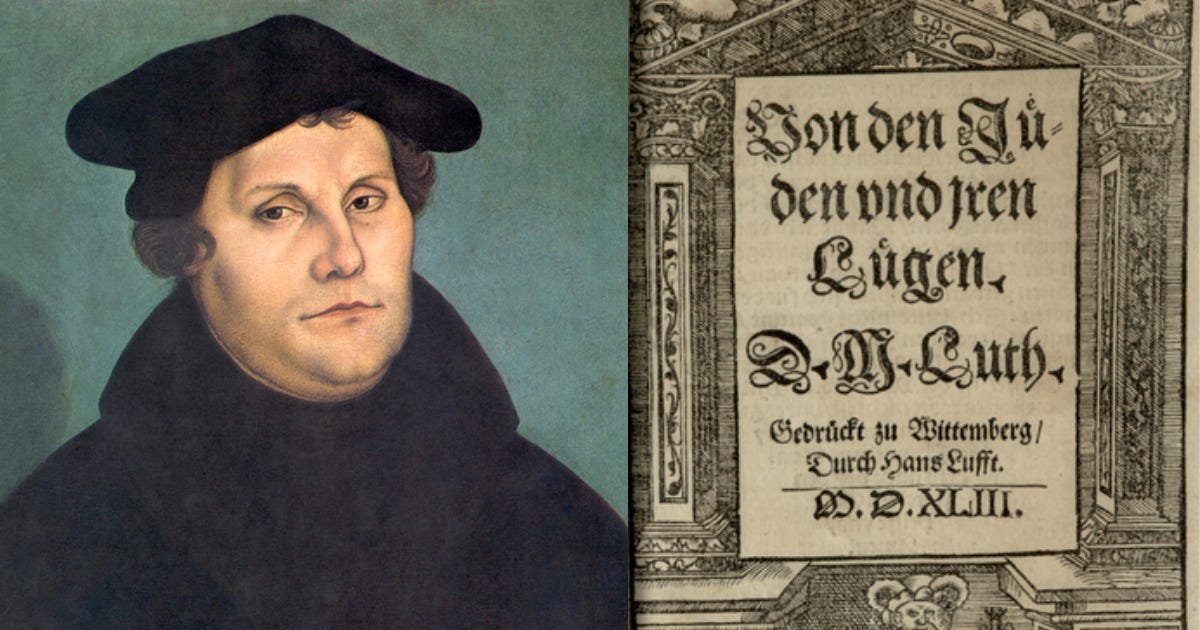
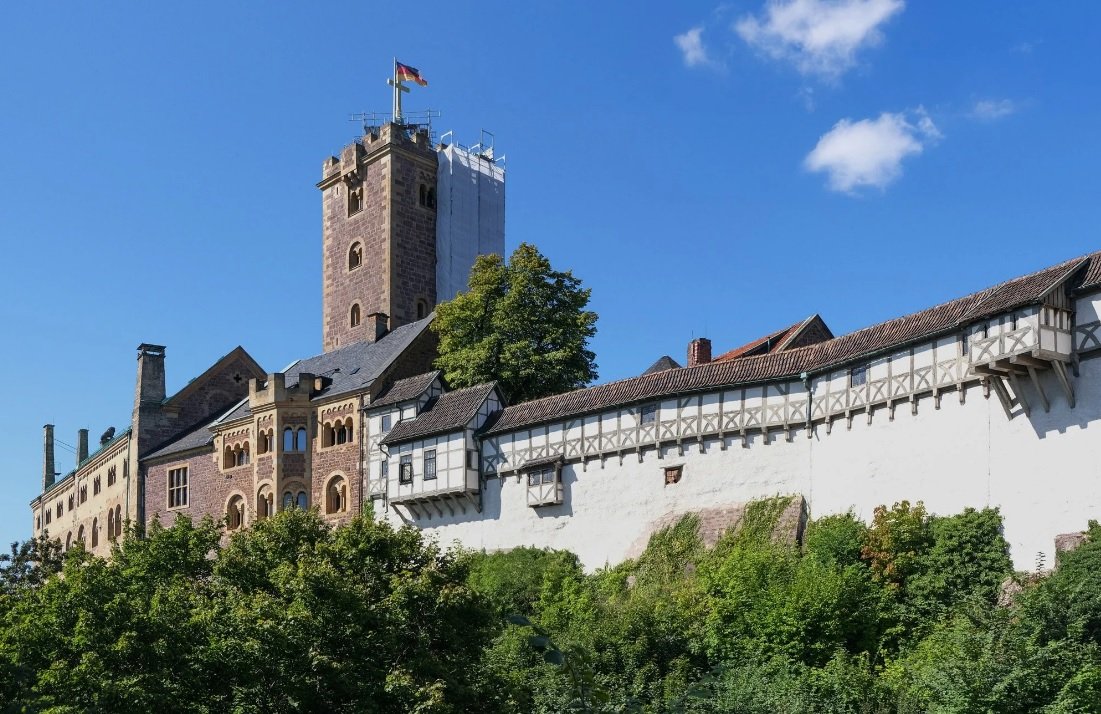
The 16th century changed everything. Martin Luther studied at Erfurt’s university (founded 1392), preached in multiple Thuringian towns, and in 1521–22 hid at Wartburg Castle near Eisenach while translating the New Testament into everyday German. That single act standardized the language we still speak today. Perched dramatically on a wooded crag, Wartburg is a UNESCO site that feels straight out of a Brothers Grimm tale—complete with a museum displaying Lucas Cranach portraits of Luther. English audio guides and tours make it accessible for non-German speakers.
Fast-forward to the late 18th century: tiny Weimar became Europe’s intellectual capital under Duchess Anna Amalia. Johann Wolfgang von Goethe lived here for decades, shaping Faust and modern German literature. Friedrich Schiller wrote nearby. Herder, Wieland, and later Nietzsche all left their mark. The Classical Weimar ensemble—Goethe’s house (frozen in time since 1832), Schiller’s residence, the rococo Duchess Anna Amalia Library with its 200,000 volumes—is another UNESCO gem. Stand in the Ilm Park where the two giants strolled and debate philosophy over coffee; English translations and guided tours abound.
The 20th century brought darker chapters. In 1919 the Weimar Republic was proclaimed in the National Theater. The Nazis gained early traction here in 1929. Just outside Weimar, Buchenwald concentration camp stands as a harrowing memorial—visited by thoughtful travelers seeking to confront history rather than escape it. Post-1945, Thuringia became part of the GDR; the 1990 reunification brought massive investment. New high-speed rail links (completed 2017) finally connected Erfurt to Berlin, Frankfurt, and Munich in under two hours. Yet the region kept its unhurried soul—exactly why it feels timeless in 2026.
Thuringia doesn’t just host culture—it birthed it. Johann Sebastian Bach was born in Eisenach in 1685. The Bach House museum there is interactive heaven: hear period instruments, trace his family tree across 60+ Erfurt church records, and attend the Thuringian Bach Festival (27 March–19 April 2026), which fills authentic venues with baroque magic under the theme “Heavens Above!” English program notes and international artists make it welcoming.
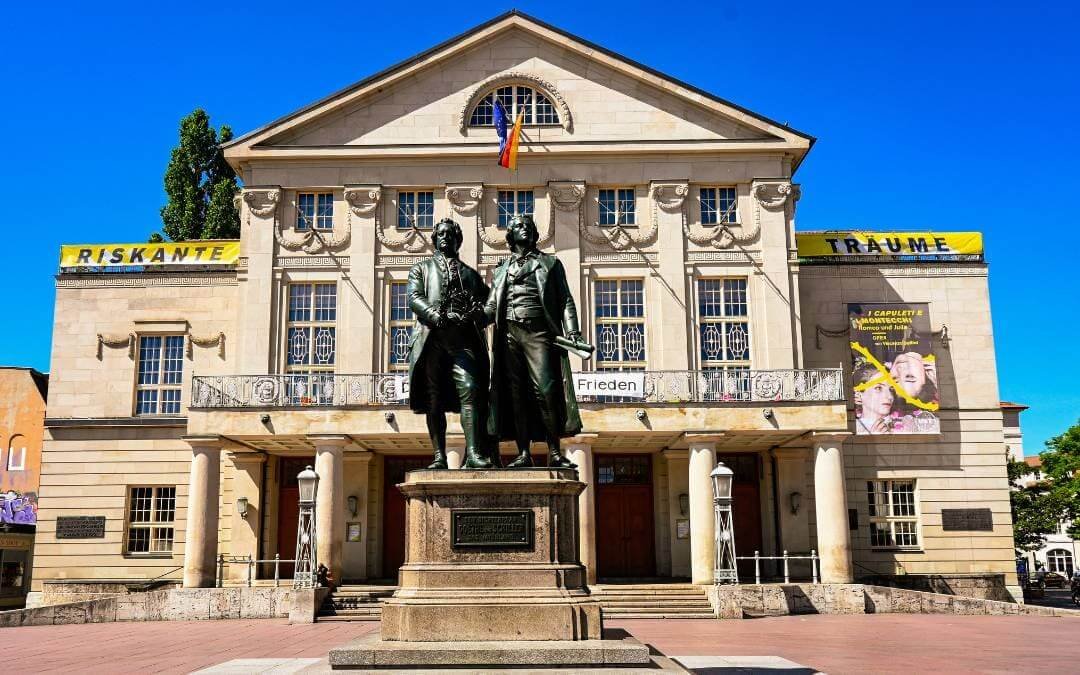
Weimar’s UNESCO Classical sites extend far beyond literature. The Bauhaus movement launched here in 1919 under Walter Gropius; the original buildings and Haus am Horn are must-sees for design lovers tracing modernism’s roots (think clean lines that influenced everything from IKEA to Apple). Jena, the “city of light,” gave the world Carl Zeiss optics—visit the oldest operating planetarium on Earth for English astronomy shows that will blow your mind.
Theater Year 2026 and the Thuringian Palace Days (22–25 May) add extra layers: 20 castles and gardens host “On Stage!” events with traveling troupes and court theater. English-speaking visitors can join guided walks or download apps with translations. Thuringia supports a thriving contemporary scene too—indie festivals in repurposed factories, jazz in Gothic cellars, and literature slams in Goethe’s old haunts. With 214 museums and over 400 castles, the cultural density is staggering.
Erfurt, the lively capital, is the perfect base. Its medieval old town is one of Germany’s best preserved. The Krämerbrücke (1325) is Europe’s longest inhabited bridge—32 half-timbered houses with cafés and shops. Cross at sunset for golden-hour magic; climb the cathedral tower for 360° views. English-friendly tourist offices stock maps and offer free walking tours.
Weimar is pure classical immersion: stroll Schillerstraße, visit the Bauhaus Museum, picnic in parks designed by Goethe himself. Eisenach pairs Wartburg with the Bach sites and easy forest access. Jena dazzles with Zeiss tech and the Zeiss Planetarium. Gotha hides the opulent Friedenstein Palace; Mühlhausen offers perfectly restored half-timbered streets and Reformation history; Rudolstadt boasts a fairy-tale castle park where Goethe and Charlotte von Stein shared platonic romance.
Hidden gems abound: the Kyffhäuser uplands for quiet walks, the Dragon Gorge in the forest, fairy grottoes, and canopy trails. Schmalkalden’s Viba Nougat World delights chocolate lovers. English speakers rave about the personal scale—no lines, genuine welcomes, and stories from locals who remember the Wall coming down.
Thuringian food is honest, hearty, and proudly regional. The Thüringer Rostbratwurst—long, thin, spiced with caraway and marjoram—claims to be Germany’s original bratwurst. Grilled over beechwood at markets, served in a roll with sharp mustard, it’s street food perfection. Every town debates the best butcher.

Potato lovers swoon over Thüringer Klöße—giant dumplings blending raw and cooked spuds. Pair with Rostbrätel (marinated pork) or wild game from the forests. Mustard from Altenburg, bio-wines from the Saale-Unstrut, and over 100 breweries keep beer fans happy. Christmas markets in Erfurt and Weimar feel magical without the chaos of bigger cities. Farm-to-table is the norm; many restaurants source directly from surrounding fields.
Don’t let the medieval charm fool you—Thuringia is forward-looking. GDP reached €80.639 billion in 2025 with per-capita income of €38,394. Jena’s optics giants (Carl Zeiss, Schott, Jenoptik) supply global medical tech and lenses. Automotive suppliers, renewables, and a strong Mittelstand keep unemployment around 6%. Universities in Jena, Erfurt, Weimar, and Ilmenau retain talent.
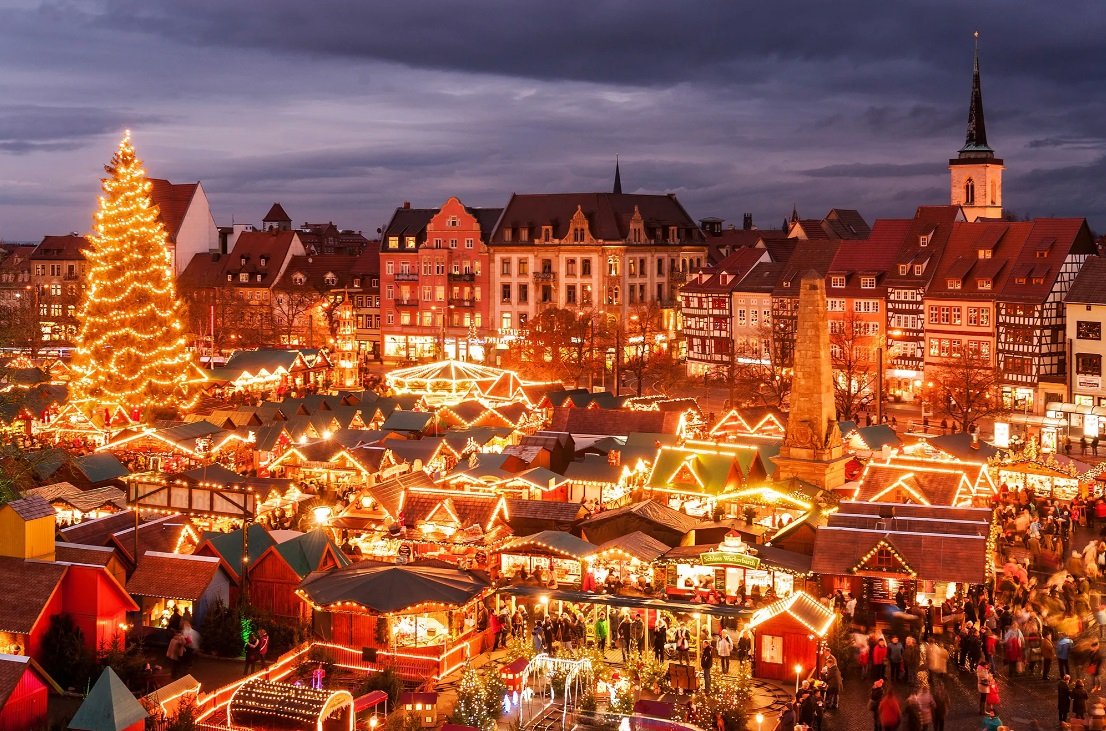
Tourism is booming sustainably. Events like the State Garden Show and Palace Days are drawing international attention while preserving the low-key vibe. English is increasingly common in tourist zones; apps and audio guides bridge gaps.
Post-reunification stereotypes lingered. No single “wow” landmark screams TikTok fame. Marketing was modest. No major airport inside the state (Frankfurt or Berlin are easy trains). Yet that anonymity is a gift: no queues at Wartburg, genuine locals, prices 30–50% lower than Bavaria. Recent 2026 articles call it Germany’s best-kept secret. Visit before the secret spreads.
Getting there: Fly into Frankfurt (1.5-hour ICE to Erfurt) or Berlin. Internal trains are excellent.
Best bases: Erfurt for centrality; Weimar for culture; Eisenach for nature.
Timing: Spring for blossoms and Bach Festival; autumn for colors; May for Palace Days; winter for markets and Oberhof snow.
Sample 10-day itinerary:
Budget: €90–140/day mid-range (accommodation, food, entries, trains). Excellent value.
Tips: Download the Thüringen app. Book festival tickets early. Pack sturdy shoes, rain jacket, and curiosity. Choose eco-certified stays. English brochures are standard.
Thuringia whispers instead of shouts. It offers the Germany of deep forests, living history, and human-scale wonder. For English-speaking travelers tired of the same overcrowded icons, this is the antidote. Come for Bach in candlelit churches, Goethe’s gardens at dawn, and Rennsteig sunrises painted just for you. Leave with stories, new friends, and a deeper understanding of what makes Germany extraordinary.
The green heart has been beating steadily for centuries. It’s ready when you are. Pack your bags, download the train app, and go. You’ll wonder why it took you so long—and you’ll already be planning your return.