 11
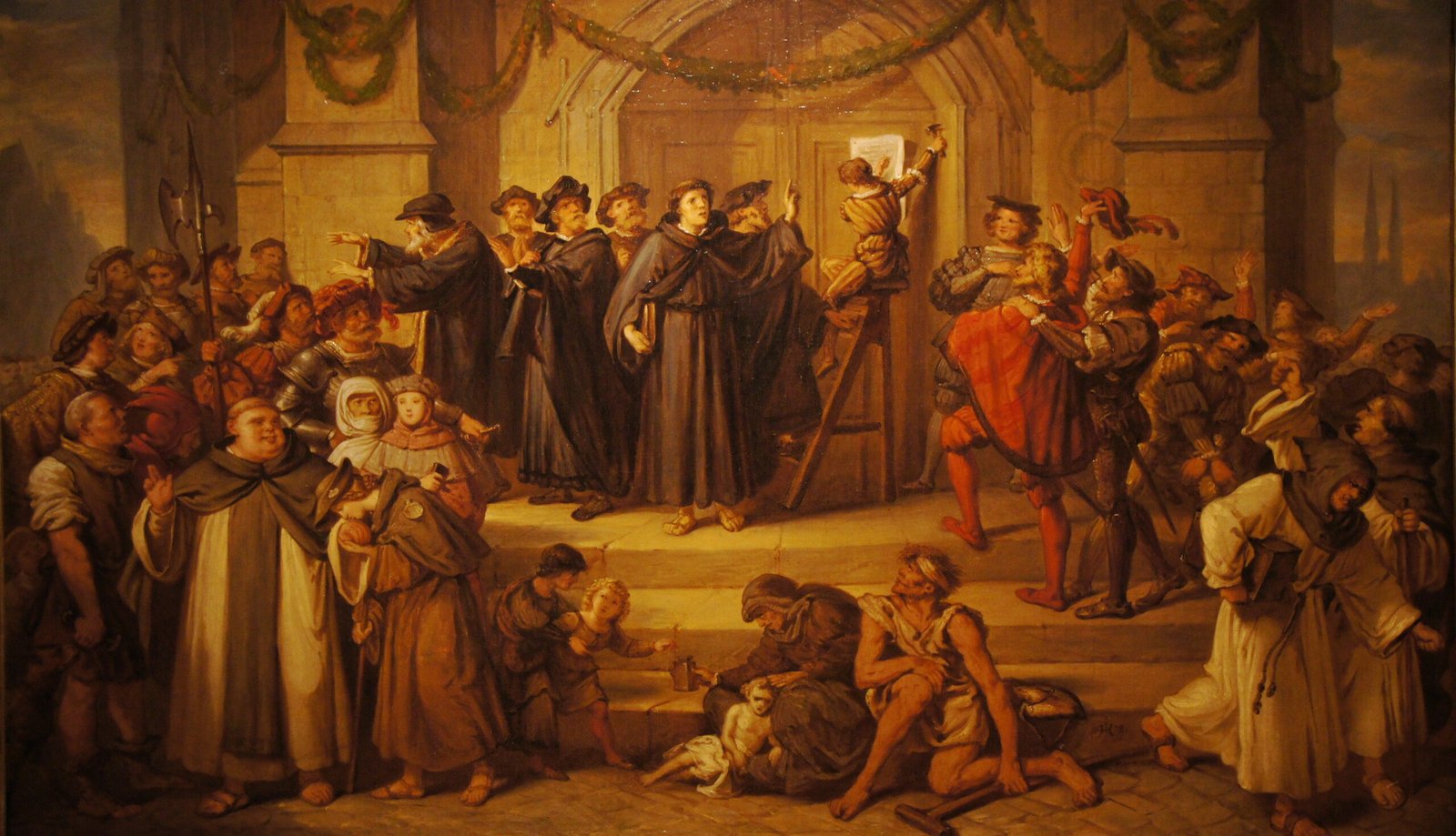
11 The Protestant Reformation, ignited by Martin Luther’s nailing of the Ninety-Five Theses to the door of the Castle Church in Wittenberg in 1517, is often celebrated as a pivotal moment in Western history. It is credited with challenging ecclesiastical corruption, promoting literacy through Bible translation into vernacular languages, fostering individualism, and laying groundwork for modern concepts of religious freedom and secular governance. Yet, this narrative glosses over a profoundly violent, divisive, and destructive underbelly, particularly in the German lands of the Holy Roman Empire. The Reformation unleashed not only theological debate but also social upheaval, mass slaughter, religious intolerance, and long-term instability that devastated Central Europe.
Far from a clean break toward enlightenment, the Reformation in Germany fractured Christendom, empowered secular princes at the expense of the common people, radicalized anti-Semitism, fueled witch hunts, and culminated in the catastrophic Thirty Years’ War. This article examines these darker dimensions, drawing on historical events, primary sources, and scholarly analyses to reveal how the movement’s ideals of reform devolved into persecution, rebellion, and unprecedented bloodshed. While the Reformation had transformative positive effects, its human cost in 16th- and 17th-century Germany was staggering—hundreds of thousands dead, societies polarized, and scars that influenced European history for centuries.
✅Also Read: Weimar’s Collapse: Timeless Lessons on the Fragility of Democracy
The Holy Roman Empire in the early 16th century was a fragmented patchwork of principalities, bishoprics, free cities, and knightly estates under the nominal authority of the Habsburg Emperor. Economic pressures mounted: rising prices, enclosure of common lands, and the imposition of Roman civil law eroded traditional peasant rights, pushing many into serfdom-like conditions. The Catholic Church, with its sale of indulgences, simony, and vast landholdings, was seen by many as exploitative. Luther’s critique resonated deeply, spreading rapidly via the printing press.
However, Luther’s emphasis on sola scriptura (Scripture alone) and the priesthood of all believers inadvertently empowered radical interpretations. Peasants and urban radicals saw in Reformation rhetoric a call not just for spiritual freedom but for social and economic justice. Princes, meanwhile, viewed it as an opportunity to seize church lands and assert independence from Rome and the Emperor. This convergence of religious fervor, class resentment, and political ambition created a volatile mix. What began as a theological protest quickly spiraled into violence that neither Luther nor the authorities could fully control.
One of the earliest and most tragic manifestations of the Reformation’s dark side was the German Peasants’ War, Europe’s largest popular uprising before the French Revolution. Sparked in the southwest (Swabia, Alsace, and Franconia) and spreading across much of German-speaking Central Europe, it involved up to 300,000 rebels. Peasants, inspired partly by Luther’s ideas of Christian liberty and equality before God, demanded an end to serfdom, arbitrary taxes, enclosure of commons, and ecclesiastical abuses. Their famous Twelve Articles (1525) blended religious language with calls for fairer governance and the right to choose pastors.
Radical reformers like Thomas Müntzer amplified this. A former Lutheran who broke with the Wittenberg reformer, Müntzer preached an apocalyptic theology of the “elect” rising against the “godless” tyrants. He led forces in Thuringia, framing the revolt as divine judgment. Other leaders like Michael Gaismair in Tyrol and Florian Geyer organized disciplined bands that captured castles, monasteries, and towns.
Luther’s response was devastating. Initially sympathetic to peasant grievances, he condemned their violence in his pamphlet Against the Murderous, Thieving Hordes of Peasants (May 1525). He urged princes to “smite, strangle, and stab” the rebels “secretly and publicly,” likening them to “mad dogs.” Luther sided decisively with authority, arguing that rebellion against secular rulers undermined God’s order. This stance provided moral cover for brutal suppression.
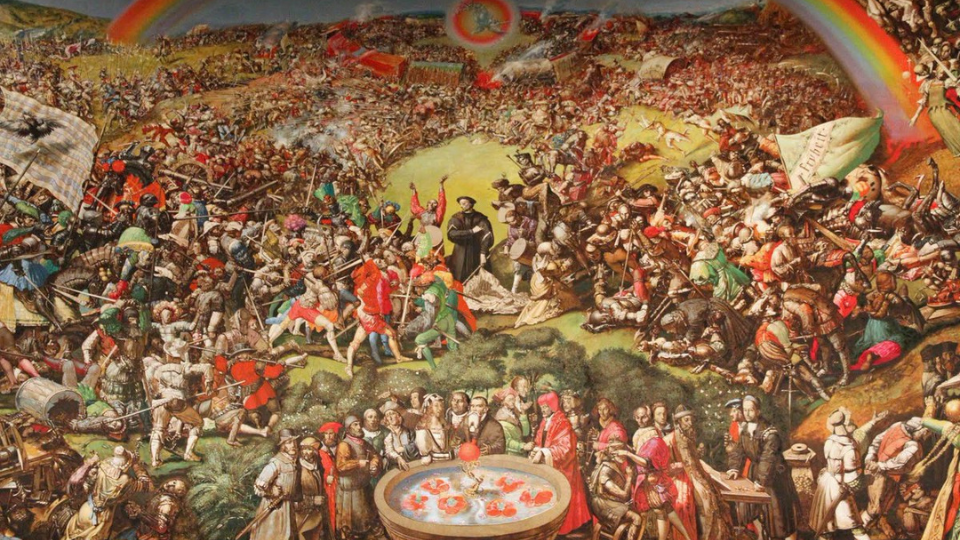
The Swabian League and princely armies, better equipped and led, crushed the disorganized peasant forces. At the Battle of Frankenhausen (May 1525), Müntzer’s army was annihilated; he was captured, tortured, and executed. Estimates suggest 100,000 or more peasants killed—through battle, massacre, and execution—while noble losses were minimal. Survivors faced crippling fines, further entrenching serfdom in many areas. The war radicalized survivors toward Anabaptism and hardened class divisions. Luther’s betrayal alienated the lower classes from mainstream Protestantism, associating it with princely power rather than liberation.
The Peasants’ War exposed the Reformation’s limits: theological freedom did not extend to social upheaval. Princes consolidated control over churches, confiscating monastic lands and establishing territorial churches (Landeskirchen) loyal to them. This “magisterial Reformation” subordinated religion to state power, a pattern that would define German Protestantism.
The Reformation’s radical wing—Anabaptists—fared even worse. Rejecting infant baptism as unbiblical, they practiced adult (re)baptism, emphasized separation of church and state, pacifism (in most branches), and sometimes communal property. Groups inspired by Müntzer, Hans Denck, or Melchior Hoffman spread in southern Germany, Switzerland, and the Low Countries, appealing to the disaffected.
Mainstream Protestants and Catholics alike viewed them as existential threats. Luther, Melanchthon, and Zwingli condemned them. In 1529, the Diet of Speyer decreed death for rebaptism. Both Catholic and Protestant authorities executed thousands—by drowning (a mocking reference to their baptism), beheading, or burning. Zurich’s Protestants drowned Felix Manz in 1527, the first Anabaptist martyr. In Saxony and elsewhere, Lutherans beheaded or imprisoned them.
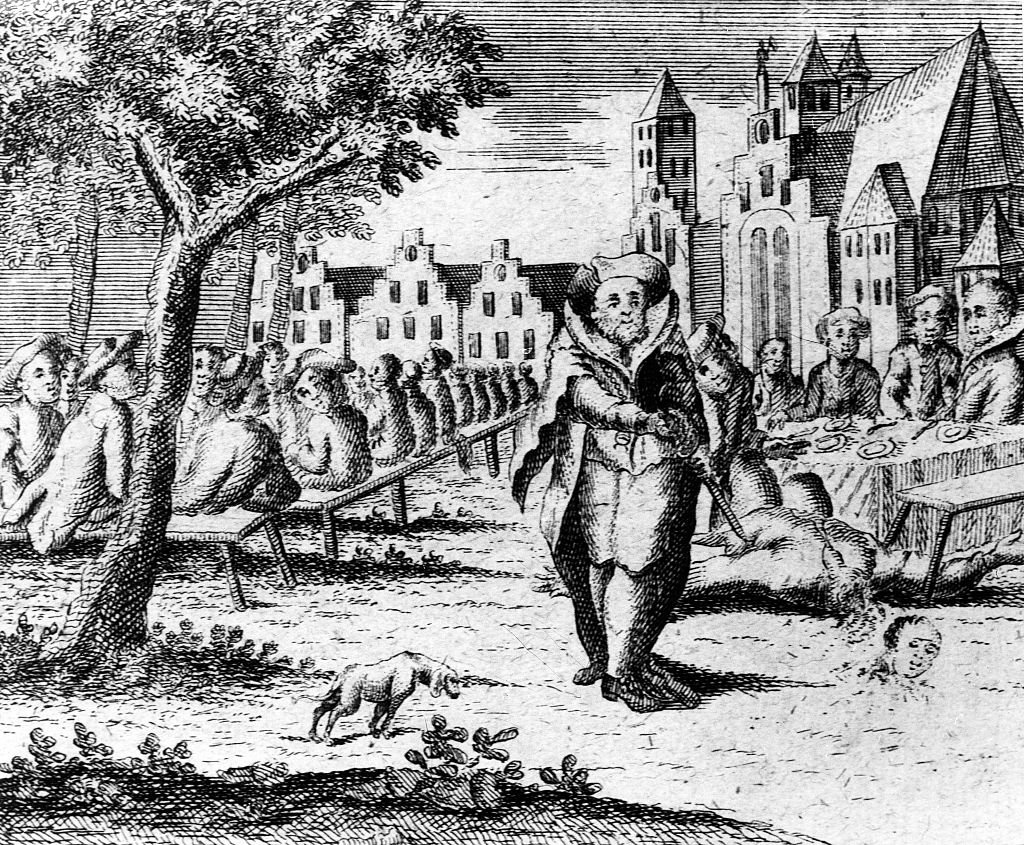
The Münster Rebellion (1534–1535) epitomized the fears. Radical Anabaptists under Jan Matthys and John of Leiden seized the city, establishing a theocratic “New Jerusalem” with communal goods, polygamy (justified biblically amid demographic imbalance), and apocalyptic rule. Besieged by combined Catholic and Lutheran forces, the city fell after horrific suffering. Leaders were tortured and executed; their bodies displayed in iron cages on St. Lambert’s Church steeple—cages still visible today as a grim reminder.
This episode justified widespread repression. Peaceful Anabaptists (precursors to Mennonites and Amish) were hunted, with thousands martyred across the Empire. The Martyrs Mirror (1660) catalogs their suffering. The Reformation, meant to restore primitive Christianity, instead replicated the very intolerance it protested against in Rome. Radical dissent was crushed to preserve the alliance between reformers and princes.
Luther’s evolving views on Jews represent one of the Reformation’s most disturbing legacies. Early on, in That Jesus Christ Was Born a Jew (1523), he criticized Catholic mistreatment and hoped Jews would convert under purified Gospel preaching. By the 1530s–1540s, frustrated by their refusal, he turned venomous.
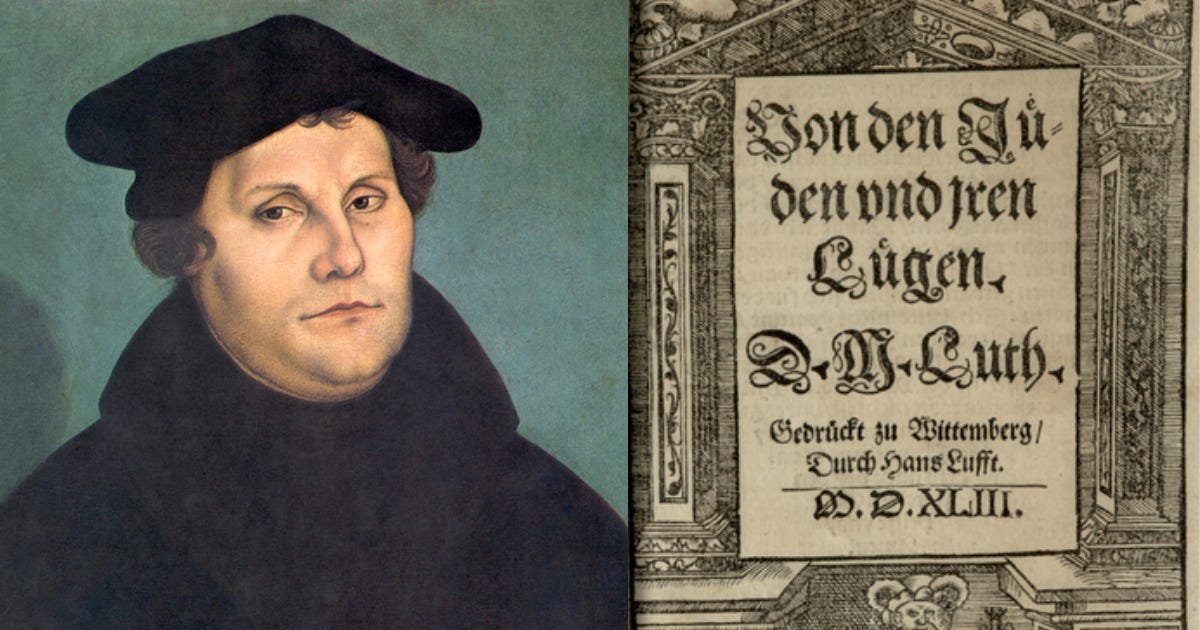
In On the Jews and Their Lies (1543), a 65,000-word tract, Luther advocated burning synagogues, destroying Jewish homes, confiscating books and wealth, forbidding rabbis to teach, and forcing manual labor—or expulsion. He called Jews “poisonous envenomed worms,” “base, whoring people,” and suggested Christians were at fault for not slaying them. In Vom Schem Hamphoras, he equated them with devils and pigs (echoing Judensau imagery on churches). His final sermons urged expulsion.
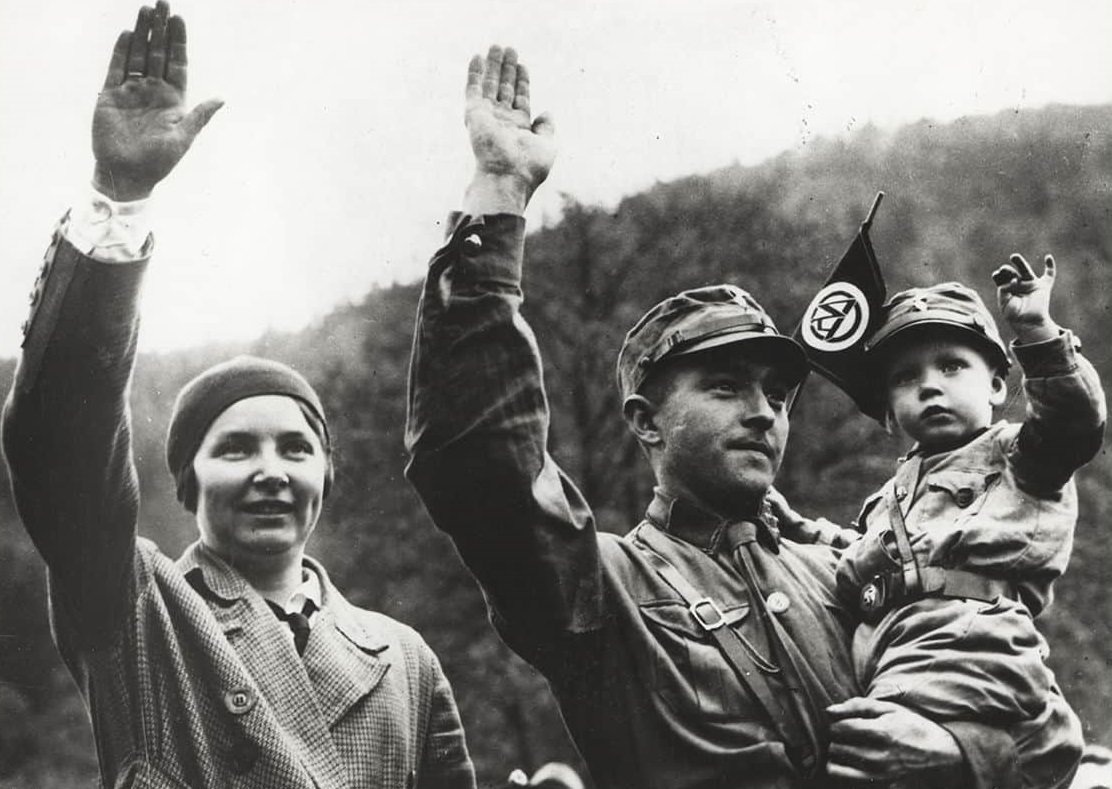
These writings influenced Protestant territories. Expulsions increased in Saxony and elsewhere. While not causing the Holocaust, they provided a potent cultural reservoir of hatred. Nazi propagandists later reprinted Luther’s tracts. German Protestant churches have since repudiated them, but the stain remains. The Reformation, by intensifying confessional identity, often sharpened “othering” of non-Christians.
Witch persecutions exploded in the Reformation era, with Germany accounting for nearly 40% of European trials. Between roughly 40,000–60,000 executed across Europe (mostly 1560–1630), the Holy Roman Empire saw intense activity, especially in fragmented, confessionally contested regions.
Economists Peter Leeson and Jacob Russ argue this stemmed from “non-price competition” between Catholic and Protestant churches for “market share.” In areas of religious rivalry, both sides used witch trials to demonstrate piety, combat perceived demonic threats, and legitimize authority. Trials peaked where neither confession dominated. Catholic prince-bishoprics like Würzburg, Bamberg, and Trier conducted massive hunts (hundreds executed each), as did Protestant areas. Accusations targeted women, the poor, and outsiders amid crises like the Little Ice Age, famine, and plague.
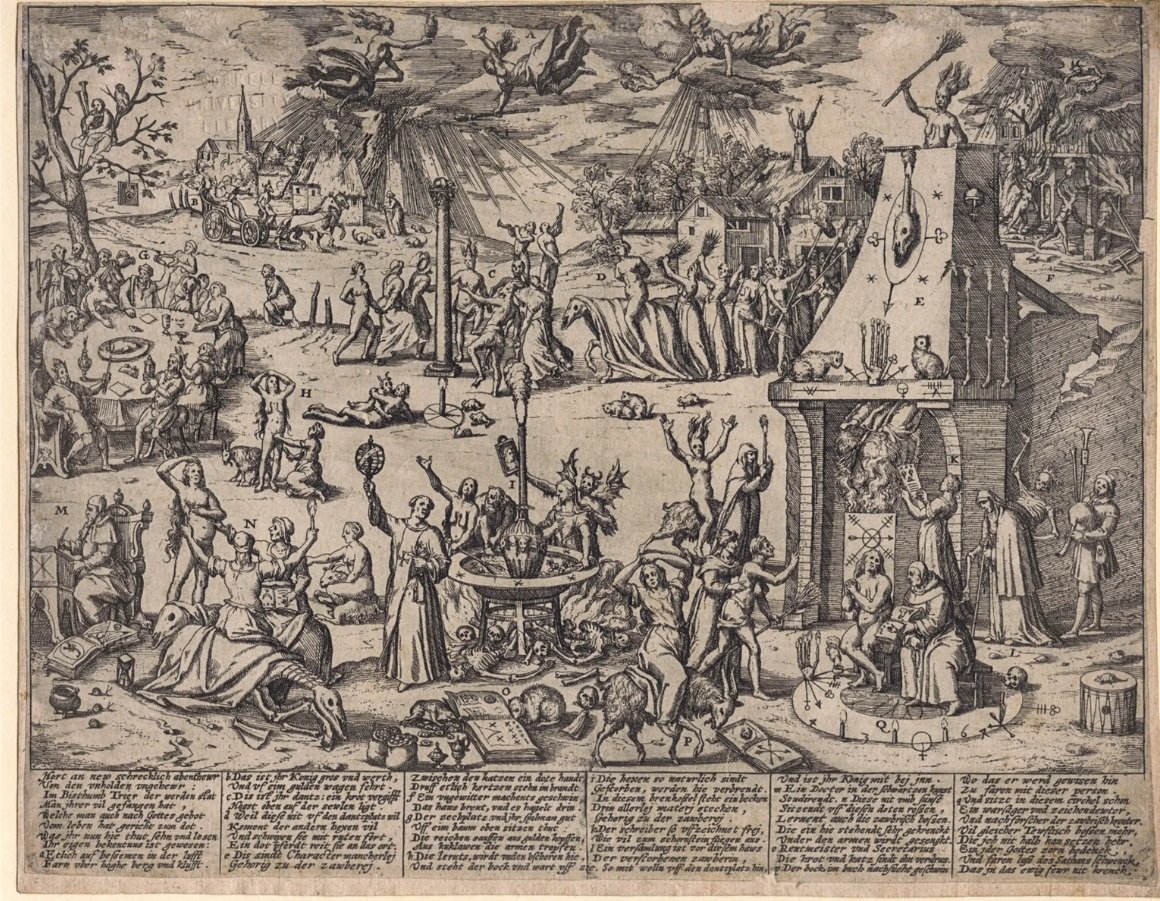
The Reformation’s emphasis on personal faith and biblical literalism (e.g., Exodus 22:18, “Thou shalt not suffer a witch to live”) removed medieval skepticism, while breaking monastic networks disrupted social welfare. Both sides produced demonological manuals. The hunts reflected deeper instability: religious division bred paranoia, and authorities redirected unrest onto scapegoats. Germany’s decentralized politics amplified this, with local lords and cities competing in zeal.
The Reformation’s divisions set the stage for Europe’s most destructive conflict before the World Wars. The Peace of Augsburg (1555) had established cuius regio, eius religio (whose realm, his religion), but tensions grew with Calvinism’s spread, Habsburg Counter-Reformation, and princely ambitions. The Defenestration of Prague (1618) ignited the Bohemian Revolt.
What began as a religious and dynastic struggle became a continental melee involving Habsburgs, Sweden, France, Denmark, Spain, and German states. Armies lived off the land, causing famine and disease. Mercenaries like Albrecht von Wallenstein ravaged territories. Population losses reached 20–50% in parts of Germany—estimates of total deaths range from 4.5 to 8 million, mostly civilians. Cities like Magdeburg were sacked with horrific atrocities.
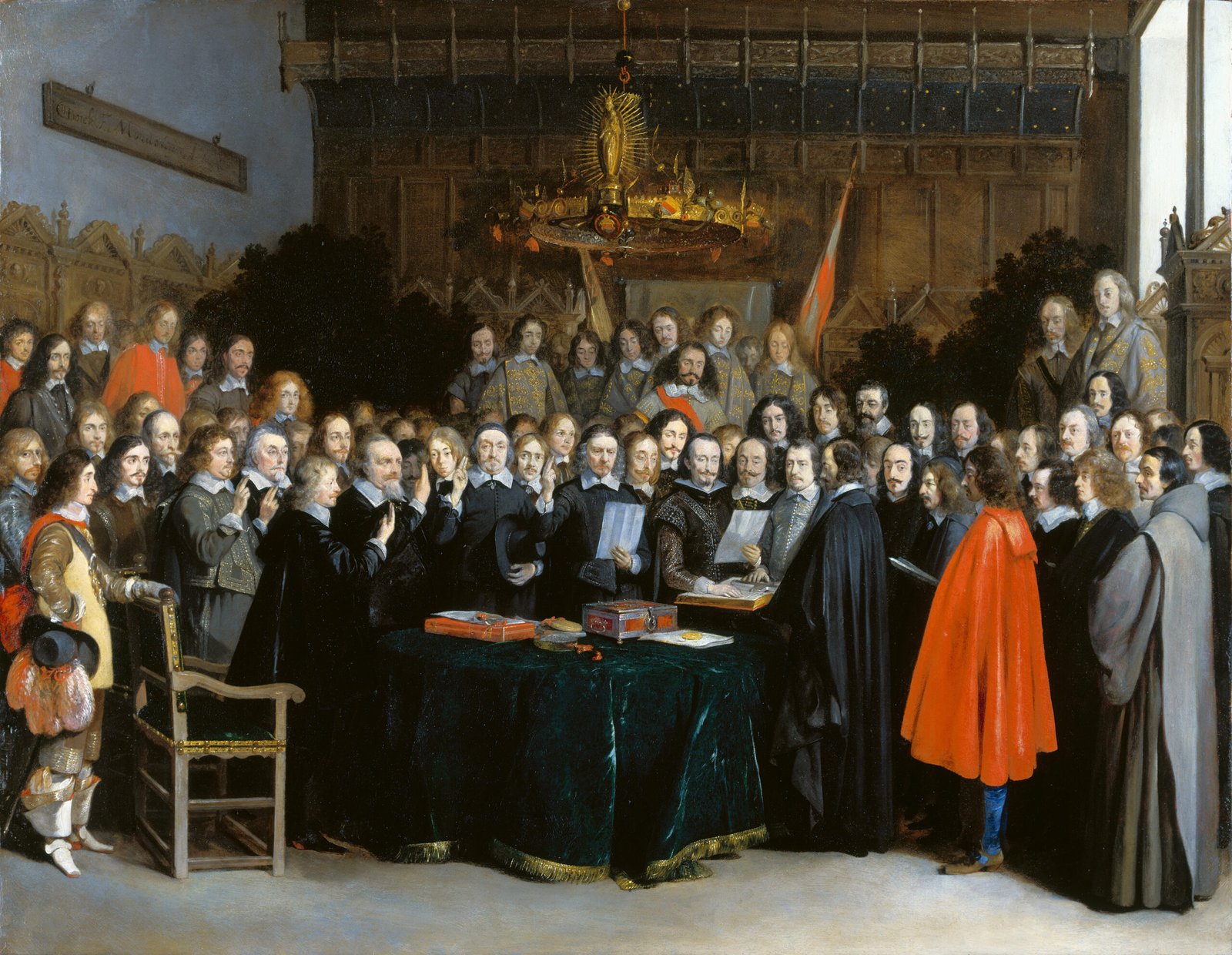
The war devastated the economy, fragmented the Empire further, and shifted power toward France and independent German states. The Peace of Westphalia (1648) enshrined state sovereignty and religious tolerance (for Catholics, Lutherans, Calvinists), but at immense cost. It marked the bloody birth of the modern international order from Reformation ashes.
Beyond immediate violence, the Reformation exacerbated inequality. Protestant areas introduced particularistic poor relief favoring “deserving” locals, worsening outcomes for the marginal poor compared to more universal Catholic systems. Church land seizures enriched princes and burghers but disrupted traditional charity. Confessional division hindered unified development.
Culturally, it fostered literacy but also propaganda wars, censorship, and mutual demonization. The alliance of throne and altar in Protestant territories centralized power, contributing to authoritarian tendencies in German history. While enabling the Enlightenment later, it first produced centuries of religious strife.
The dark side of the German Reformation reveals a paradox: a movement born of moral protest against corruption generated new forms of it. Luther’s genius unleashed forces he could not contain—peasant revolts he crushed, radicals he persecuted, hatreds he inflamed, and wars his legacy helped spark. Millions suffered as ideals clashed with power, fear, and human frailty.
Modern Germany and Protestant churches have confronted this: apologies for anti-Semitism, memorials to Anabaptist martyrs and peasants, and recognition of the Thirty Years’ War’s toll. Yet the episode cautions against idealizing religious or ideological revolutions. They promise liberation but often deliver division and blood.
In an era of renewed polarization, the German Reformation’s shadows remind us that challenging authority requires safeguards against chaos, and that true reform must prioritize compassion over purity. The light of Wittenberg shone brightly, but in its glare, Germany endured a long, terrible night.