 11
11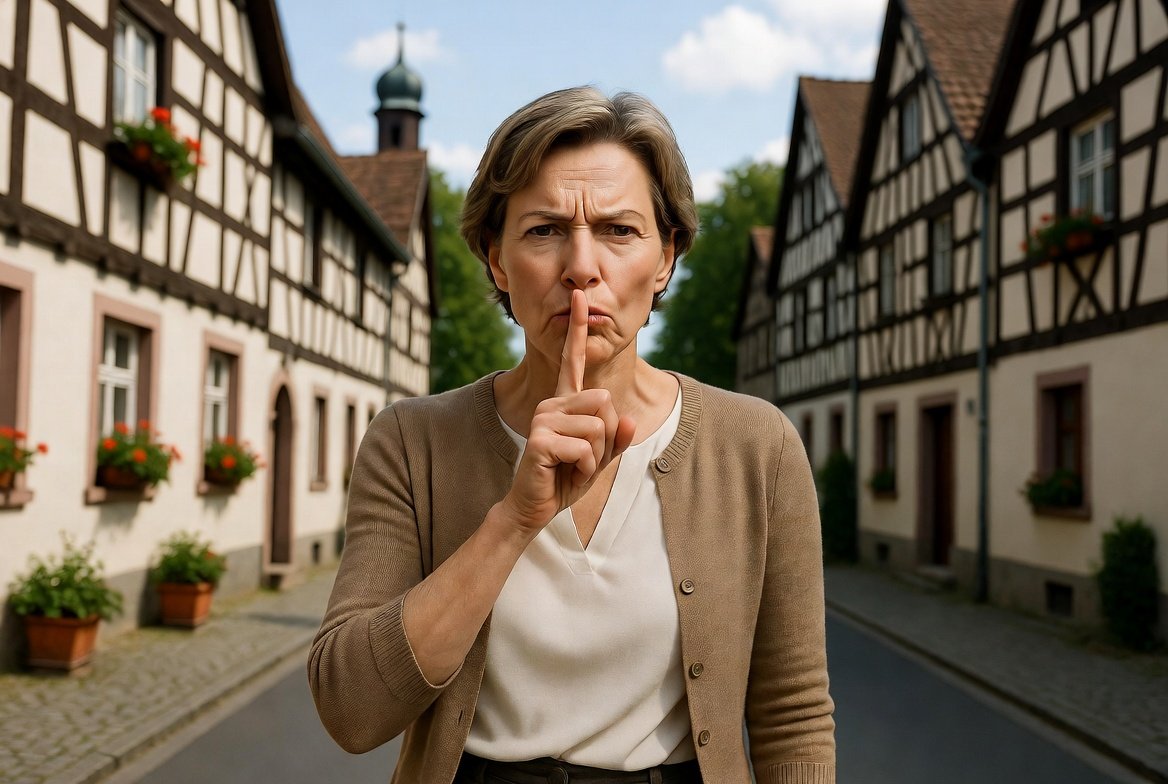
In the heart of Europe, where efficiency and order reign supreme, there exists a peculiar yet profoundly respected institution that baffles newcomers and defines daily life for millions: Ruhezeit. Literally translating to “quiet time” or “rest time,” Ruhezeit is not merely a suggestion or a polite custom. It is a legally enshrined, culturally ingrained period during which excessive noise is forbidden across Germany. From the hush that descends on apartment blocks after 10 p.m. to the near-total silence that blankets the entire country on Sundays, Ruhezeit represents Germany’s unwavering commitment to communal peace, personal recovery, and neighborly respect.
For expats arriving from noisier corners of the world—where late-night parties, Sunday lawn-mowing, or 24/7 construction are commonplace—Ruhezeit can feel like stepping into a parallel universe. Imagine vacuuming your floor at 11 p.m. only to receive an angry knock from your neighbor, or discovering that mowing the grass on a Sunday could land you in court. Yet, beneath the apparent rigidity lies a philosophy that prioritizes well-being over convenience. This exploration delves into the origins, rules, enforcement, cultural weight, practical realities, and broader lessons of Ruhezeit, revealing why it remains one of Germany’s most enduring and endearing (or exasperating) traditions.
✅ Also read: English in Germany: Why Do Germans Master the Language So Well?
To understand Ruhezeit, one must trace its origins to Germany’s post-war identity and deeper historical currents. The modern framework draws from the Grundgesetz (Basic Law), Germany’s constitution, particularly provisions protecting Sunday as a day of rest. Article 140 of the Grundgesetz, combined with historical religious influences from the Protestant and Catholic churches, established Sundays as sacred periods free from labor and disturbance. This was not arbitrary; in a densely populated nation of over 84 million people, where most residents live in multi-unit apartment buildings (Mehrfamilienhäuser), unchecked noise quickly becomes a public health and social issue.
The legal backbone today is found primarily in state-level Landesimmissionsschutzgesetze (State Emissions Protection Laws), which fall under the broader federal Bundes-Immissionsschutzgesetz. These laws regulate noise pollution to safeguard “the general public and the neighborhood” from harmful environmental impacts. Ruhezeit is not a single national statute but a patchwork of federal guidelines, state ordinances, local bylaws, and even individual building Hausordnungen (house rules) embedded in rental contracts. Courts have consistently upheld these rules, viewing them as essential to the German social contract of Ordnung (order) and Ruhe (peace).
Historically, the emphasis intensified after World War II. As Germany rebuilt its society around democratic values, work-life balance, and collective welfare, quiet hours became a symbol of civilized living. The church’s influence—Sundays reserved for worship and family—merged with secular concerns about urban density. By the late 20th century, as apartment living boomed, Ruhezeit evolved from informal custom into enforceable norm. Today, it coexists with Germany’s famously short workweeks and generous vacation policies, reinforcing a national ethos that values recovery as much as productivity.
Ruhezeit is not monolithic; it manifests in three primary forms, each tailored to daily rhythms:
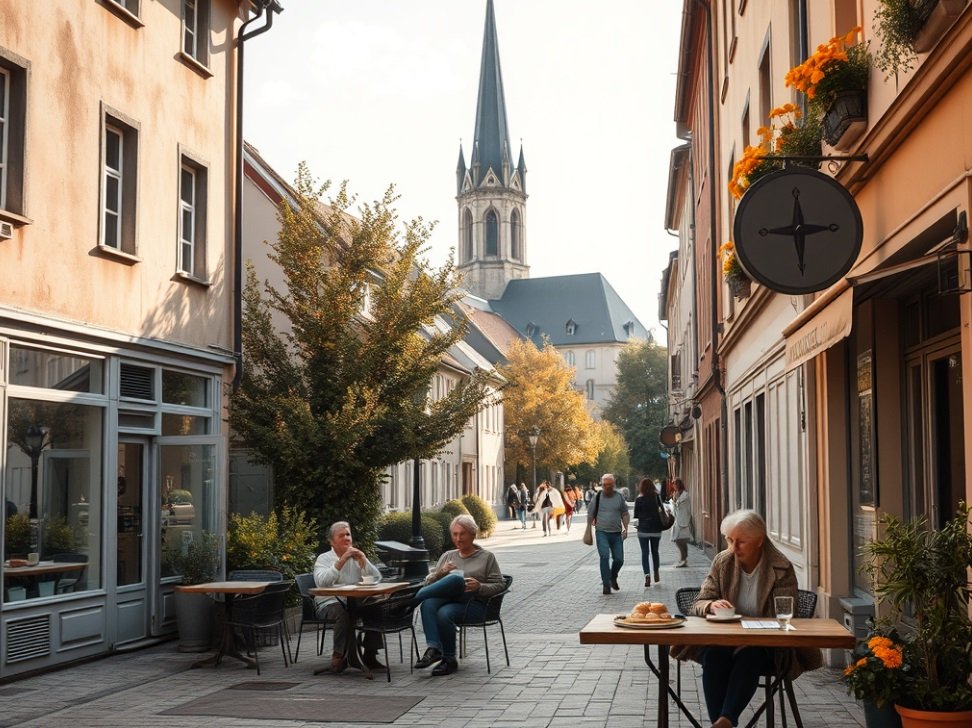
Variations exist. Urban centers like Berlin or Hamburg may be slightly more lenient in practice due to younger populations and tourism, while rural Bavaria or conservative states enforce rules more rigorously. Rental contracts often specify stricter ortsübliche Ruhezeiten (customary local quiet times), making it essential for tenants to read the fine print.
The golden rule: Noise must not exceed what can reasonably be contained within your own four walls. “Room volume” is the benchmark—anything audible to neighbors outside your apartment crosses the line.
Forbidden activities include:
Permitted activities emphasize normal living:

Common sense prevails for celebrations: A birthday party might be tolerated with advance notice via a polite note in the stairwell (“Wir feiern heute Abend – bei Fragen bitte melden”), including your contact details and an invitation to join. But blasting music past midnight? Expect escalation.
Germany’s love of rules ensures consequences. Initial enforcement is neighbor-driven: a friendly knock, an anonymous note, or a complaint to the Hausverwaltung (building management). Persistent violations can lead to police calls, especially after 10 p.m. Fines vary by state and severity but can reach thousands of euros; extreme or repeated cases have seen penalties up to €50,000 in rare judicial precedents. Eviction is possible for chronic offenders, as Ruhezeit clauses are standard in leases.
Courts side overwhelmingly with complainants. Reddit threads and expat forums brim with stories: One tenant vacuumed on a Sunday and received a formal warning; another’s late-night party prompted a police visit and a €200 fine. Yet, Germans are pragmatic—many resolve issues amicably, valuing harmony over confrontation.
Ruhezeit embodies core German values: Pünktlichkeit, respect for others, and Freizeit (leisure time). In a high-pressure economy, it guarantees recovery. Sundays become sanctuaries for family walks in the Wald, reading, or Kaffee und Kuchen. It counters the intensity of weekday life, where efficiency reigns.

Critics call it outdated or overly rigid, especially in diverse, globalized cities. Young Germans and immigrants sometimes chafe against it, preferring flexibility. Yet, surveys and cultural commentary reveal broad support: It fosters social cohesion in dense living. Compared to louder cultures—think Italy’s passeggiata or Brazil’s vibrant street life—Germany’s approach prioritizes collective calm over individual expression. Expats often grow to appreciate it, noting improved sleep and reduced stress.
New arrivals frequently stumble. Americans might mow lawns on Sundays out of habit; Southern Europeans host loud dinners past midnight. Tips for success:
In diverse buildings, reciprocity often softens enforcement—live and let live, as long as extremes are avoided.
Bavaria’s beer-garden exception highlights regional nuance. Eastern states may be stricter due to historical emphasis on order; western urban areas more relaxed. Climate change and sustainability add layers: Electric tools are quieter, but rules remain. Remote work has blurred boundaries—Zoom calls at odd hours rarely trigger complaints if kept professional.
Criticisms focus on inflexibility for shift workers or parents. Some municipalities experiment with apps for complaints or community mediation. Yet, core rules endure, adapting slowly.
Ruhezeit promotes measurable gains: better mental health, stronger communities, and work-life balance. Studies link quiet environments to lower cortisol and improved productivity. Globally, cities grappling with noise pollution—from New York to São Paulo—could learn from Germany’s model. Not full replication, but principles of designated rest periods and neighborly covenants.
In an era of 24/7 digital noise, Ruhezeit reminds us that silence is a right, not a luxury.
Ruhezeit is more than a regulation; it is a cultural mirror reflecting Germany’s soul—precise, considerate, restorative. For residents, it is the invisible glue holding apartment harmony together. For visitors and expats, it offers a profound lesson: In a frantic world, enforced quiet is a gift. Whether you love it or initially resent it, one thing is certain—once you experience a true German Sunday, the peace becomes addictive. Next time you hear a neighbor gently remind you of the hour, remember: It is not annoyance. It is Ruhezeit—the quiet that keeps Germany sane, civilized, and deeply human.