 11
11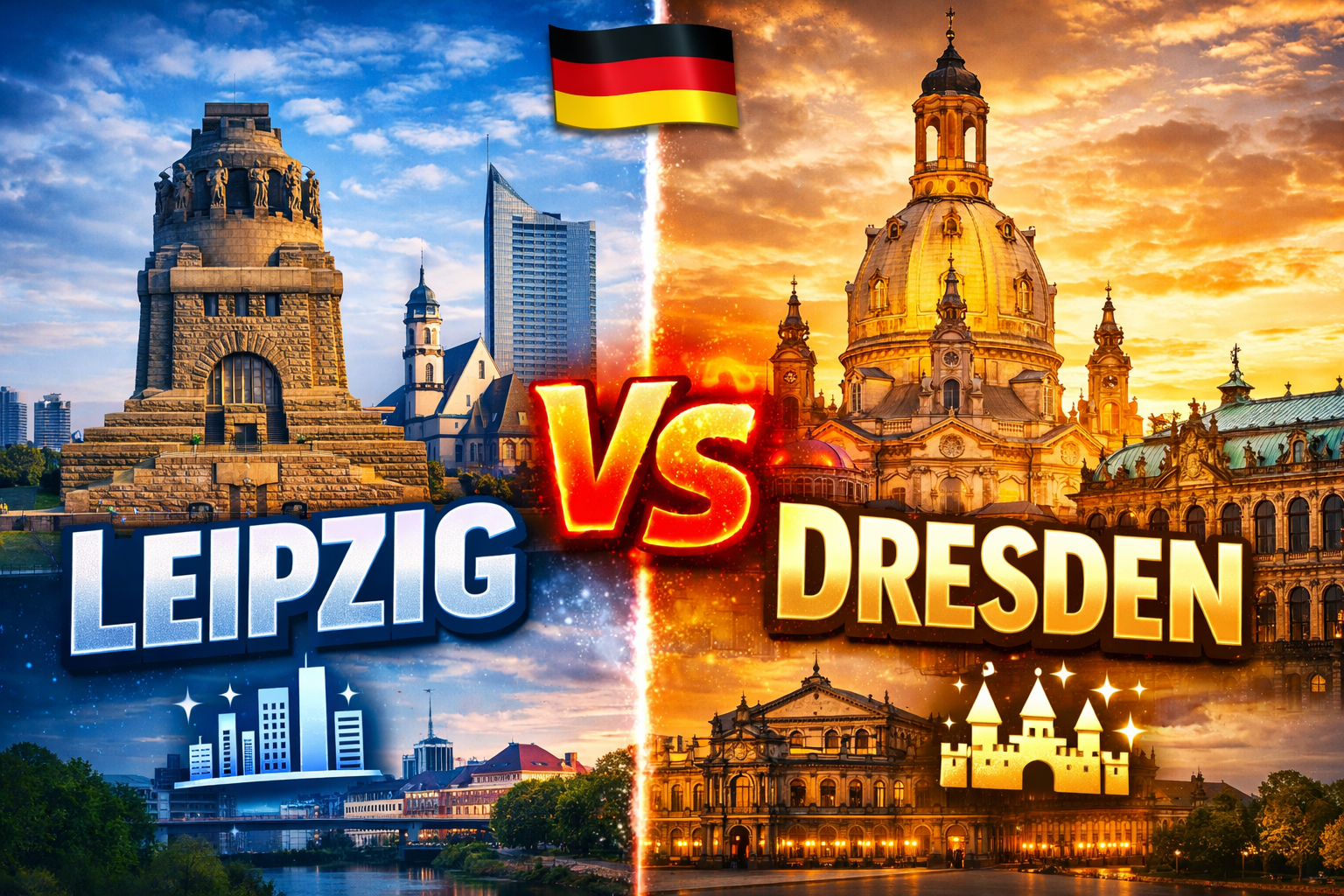
In the heart of eastern Germany lies Saxony (Sachsen), a state rich in history, culture, and economic resurgence. Two cities dominate the conversation for anyone considering a move, study, work, or long-term stay: Leipzig and Dresden. Both were heavily damaged in World War II, both rose from the ashes of the GDR era, and both now rank among Germany’s most livable and affordable major cities. Yet they offer strikingly different vibes. Leipzig pulses with youthful energy, musical heritage, and alternative creativity. Dresden dazzles with baroque grandeur, cutting-edge tech, and riverside elegance. Which one is right for you?
This in-depth comparison—drawing on recent data from Numbeo, official city statistics, economic reports, and resident insights—covers history, economy, education, cost of living, culture, lifestyle, and practical factors. By the end, you’ll have a clear roadmap to decide. Whether you’re a digital nomad, student, family, retiree, or career professional, Saxony’s twin gems deliver exceptional quality of life at prices that make western German cities look exorbitant. Leipzig edges out as the faster-growing, more dynamic choice for many; Dresden wins for those seeking refined beauty and STEM opportunities. Let’s break it down.
✅ Also Read: Nuremberg vs Augsburg: Which Bavarian City is Better for Families?
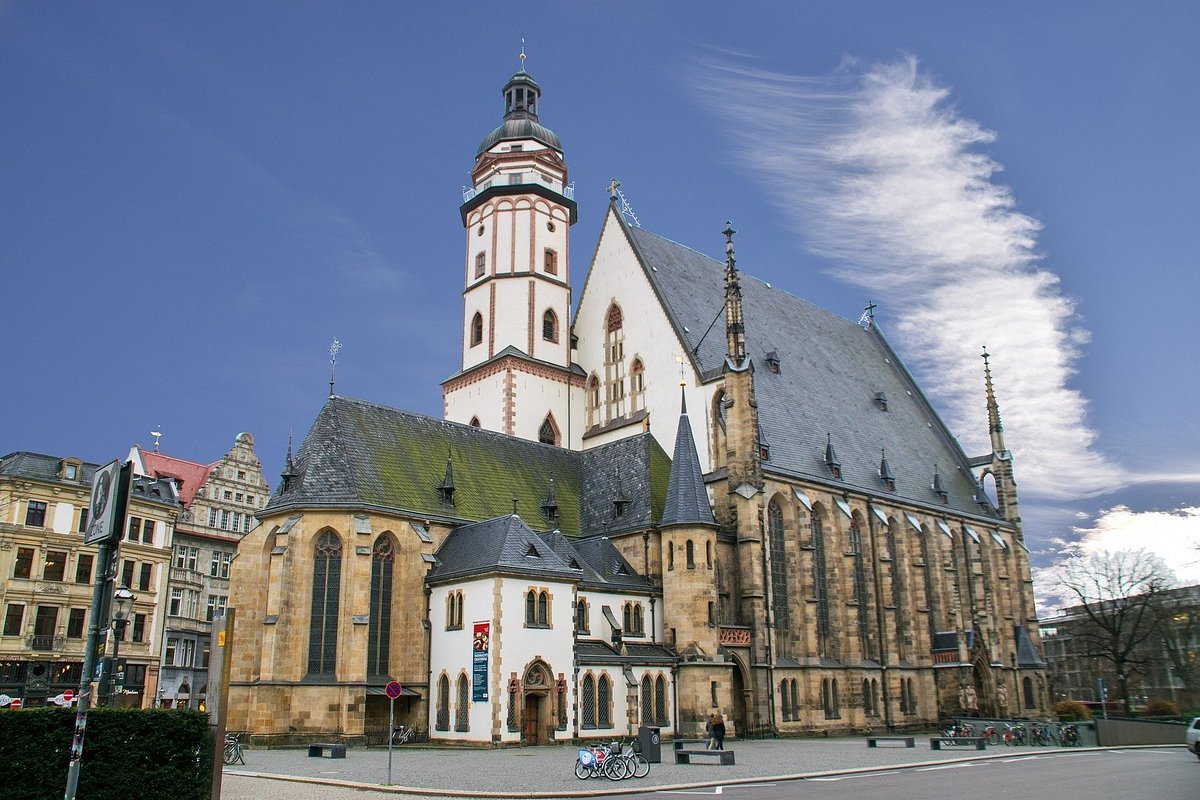
Both cities trace roots to medieval trade hubs, but their 20th-century paths diverged dramatically. Leipzig, founded around 1165, became a powerhouse of commerce and intellect. It hosted the first German railway (Leipzig-Dresden, 1839) and thrived as a publishing and fur-trading center. Johann Sebastian Bach spent his final 27 years here as Thomaskirche cantor; the University of Leipzig (founded 1409) educated Goethe, Nietzsche, and Angela Merkel. In 1813, the Battle of the Nations (Völkerschlacht) near Leipzig crushed Napoleon’s forces—one of Europe’s bloodiest clashes, commemorated by the towering 91-meter Völkerschlachtdenkmal monument.
Dresden, the Saxon capital since the 15th century, earned the nickname “Florence on the Elbe” under Augustus the Strong in the 1700s. Baroque palaces, the Zwinger complex, and Frauenkirche embodied royal opulence. Its porcelain ties to nearby Meissen and art collections remain world-class. Yet both suffered catastrophe in February 1945: Allied bombing razed Dresden’s historic center (killing up to 25,000) and damaged Leipzig severely. Under the GDR, both became industrial socialist showcases. Leipzig’s Nikolaikirche sparked the 1989 Monday Demonstrations that helped topple the Berlin Wall—a peaceful revolution that still defines its progressive spirit.
Post-reunification, reconstruction philosophies differed. Dresden meticulously rebuilt its baroque core (Frauenkirche rededicated in 2005), creating a postcard-perfect Altstadt. Leipzig embraced a mix of preserved Gründerzeit architecture, repurposed industrial spaces (like the Spinnerei arts complex), and modern flair. Today, Leipzig feels lived-in and forward-looking; Dresden evokes timeless elegance. This history shapes identity: Leipzig as the rebellious, creative underdog; Dresden as the cultured aristocrat.
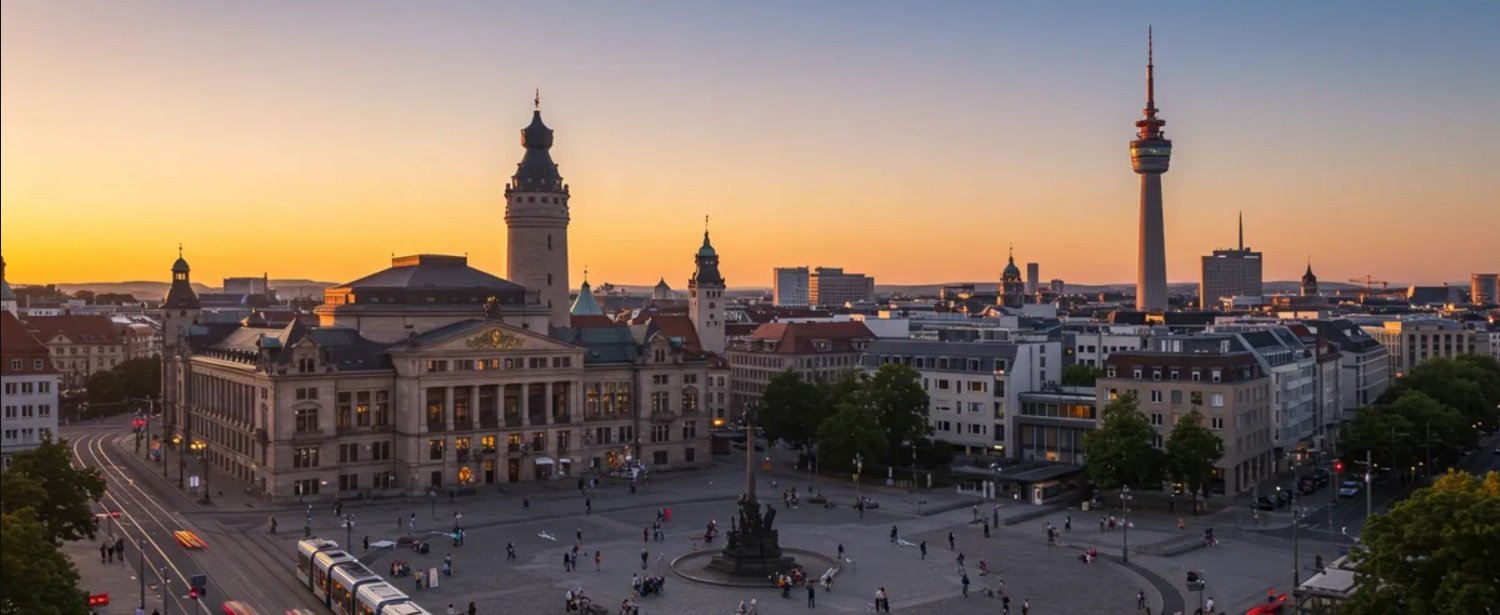
Both sit in Saxony’s fertile basin, about 100 km (one-hour ICE train) apart—easy day trips or even commutes. Leipzig sprawls along the Pleisse, Parthe, and White Elster rivers amid green belts and lakes from former lignite mines. Its approximately 611,000–633,000 residents enjoy vast parks like the Clara-Zetkin-Park and the massive Leipzig Zoo, ranked among Europe’s best.
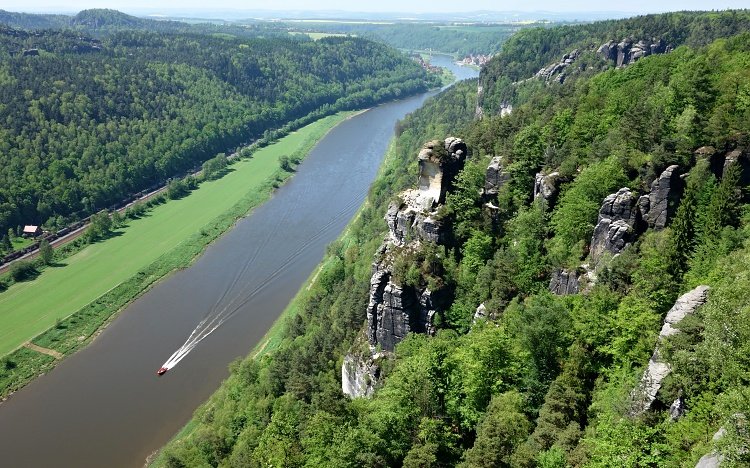
Dresden (approx. 565,000–596,000 residents) hugs the Elbe River, framed by the Ore Mountains and Saxon Switzerland National Park. Its Elbe Valley offers vineyards, castles, and hiking. Both enjoy a temperate continental climate: mild summers (average highs 23–25°C/73–77°F) and cold winters (0–3°C/32–37°F, occasional snow). Air quality is excellent in both—far better than many western hubs. Leipzig feels more “urban green” with extensive cycling infrastructure (146 km tram network, second-largest in Germany). Dresden’s riverfront terraces and cable railway add romantic flair.
Leipzig grows faster, attracting young families and creatives. Dresden’s population stabilizes with strong birth rates. Both rank high in German livability indexes (top 20 nationally), with low crime and strong community feel.
Saxony’s economy booms, but the cities specialize differently. Leipzig boasts Germany’s most diverse eastern economy: logistics (DHL hub), automotive (BMW and Porsche plants), trade fairs (world’s oldest, still massive), startups, and creative industries. The European Energy Exchange and media/publishing sectors thrive. Unemployment sits around 7.1%, with median salaries near €51,250. It’s a magnet for young talent, international firms, and entrepreneurs—often called eastern Germany’s “boomtown.”
Dresden leads in high-tech: “Silicon Saxony” hosts global microelectronics and semiconductor giants (Infineon, GlobalFoundries). Precision optics, biotech, aerospace, and pharmaceuticals dominate. TU Dresden drives innovation as an elite university. Median salaries hover at €51,000, with higher purchasing power and lower unemployment in some metrics. Jobs skew STEM-heavy; the city ranks among Germany’s research densest.
For expats or career switchers: Leipzig suits logistics, marketing, arts, or startups. Dresden excels in engineering, IT, and R&D. Both offer salaries 20–30% below Munich/Frankfurt but with 35–40% lower living costs—translating to stronger real purchasing power. English suffices in international firms; German fluency opens more doors. Remote workers love both for fast internet and work-life balance.
Students flock to both. Leipzig University (second-oldest in Germany, 1409) shines in humanities, law, medicine, and music—home to the German National Library. It draws 30,000+ students with a vibrant campus in Augustusplatz.
TU Dresden (elite “Exzellenzuniversität”) leads in engineering, computer science, materials, and natural sciences—29,000 students, strong international ties (18%+ foreign). It partners with Fraunhofer and Max Planck institutes.
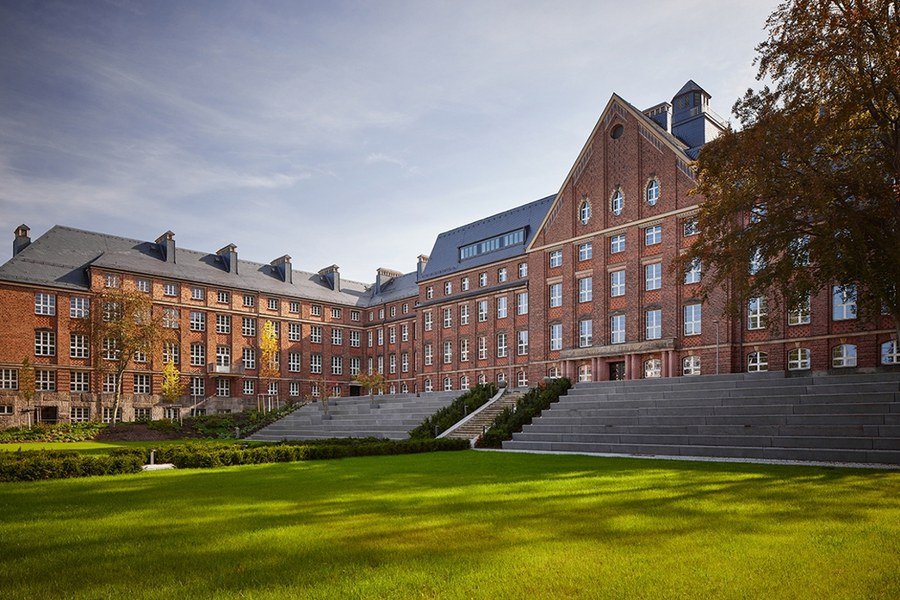
Leipzig feels more “student-city” with affordable rents and lively scenes; Dresden offers superior lab facilities and industry links. Both universities rank globally competitive (TU Dresden often higher in tech). International programs abound; tuition is free for EU and low-fee for others.
Both remain bargains versus western Germany. Recent Numbeo and Expatistan data show Dresden slightly cheaper overall: one-person monthly costs ~€1,531 (Dresden) vs. €1,652 (Leipzig) excluding rent. Including rent, Dresden edges lower (0.9–7% cheaper). Rents run 13–15% higher in Leipzig—studio ~€600–800; 2-bedroom ~€900–1,200. Dresden: €500–700 studio, €800–1,100 2-bedroom. Groceries and transport are comparable; restaurants slightly pricier in Dresden.
Salaries cover expenses comfortably (2+ months’ buffer). Housing tightness hits Leipzig harder due to growth—apartments vanish fast, pushing some to suburbs. Dresden offers more availability and newer builds. Property prices: €2,000–2,500/m² in both—half of Berlin’s. Families and students win big; expats note eastern Germany’s value. Utilities, healthcare (excellent public system), and childcare are affordable and high-quality.
Leipzig owns music. Thomaskirche hosts Bach’s Boys’ Choir; Gewandhaus Orchestra performs in a world-class hall. The Bachfest, Wave-Gotik-Treffen (goth festival), and Book Fair draw global crowds. Alternative scenes thrive in Plagwitz and Südvorstadt—street art, clubs, indie gigs, craft beer. It’s younger, edgier, more diverse.
Dresden excels in visual arts and opera. The Zwinger, Semperoper (one of Europe’s finest), and State Art Collections house Raphael’s Sistine Madonna. Striezelmarkt (oldest Christmas market) and Canaletto Festival celebrate heritage. Nightlife mixes classical concerts with riverside bars and Neustadt’s bohemian vibe—less gritty than Leipzig but refined.
Food scenes overlap: Saxon staples (potato soup, stollen) plus international fusion. Leipzig leans street food and vegan; Dresden fine dining and Elbe wines. Both host vibrant festivals—Leipzig’s more alternative, Dresden’s traditional.
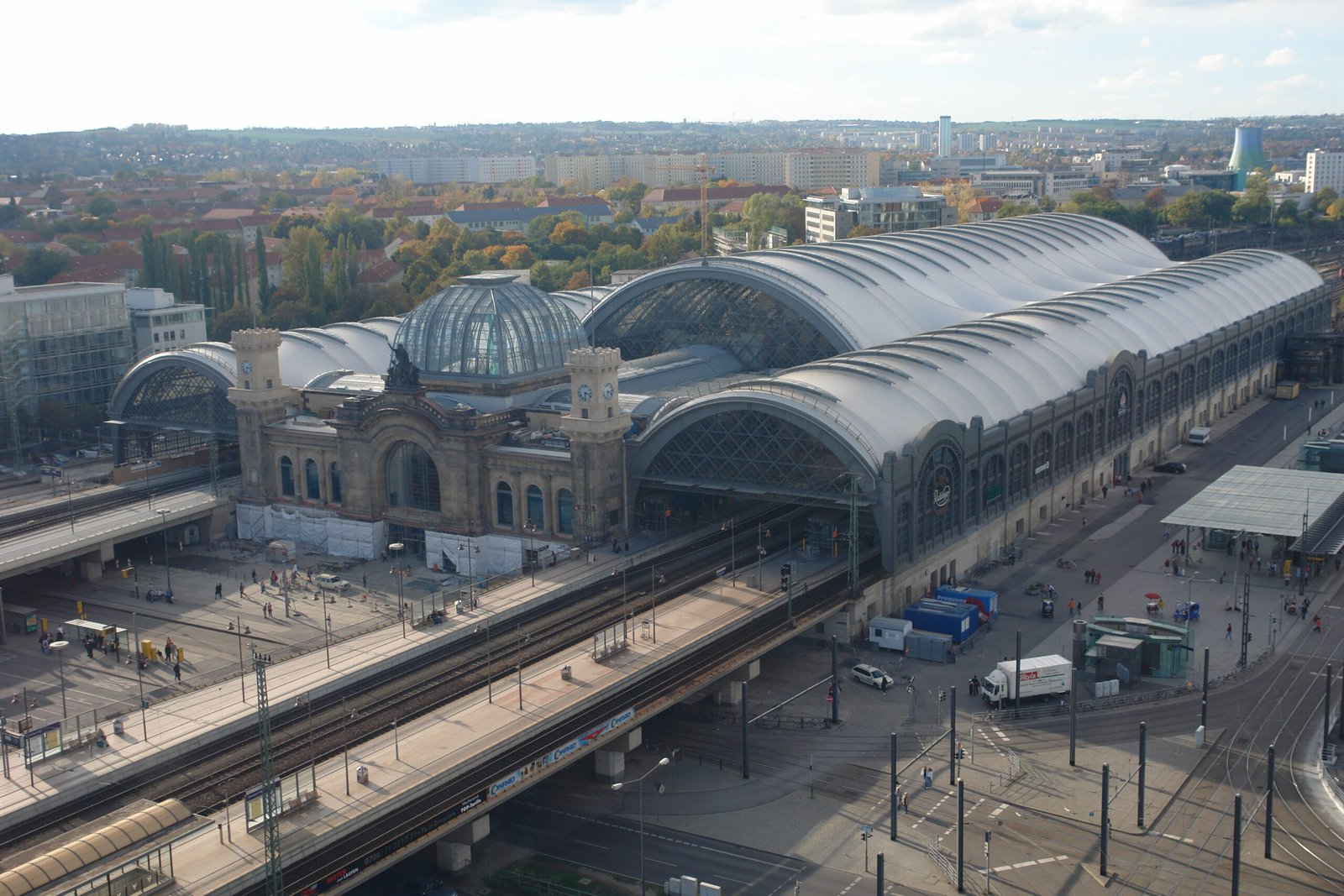
Leipzig highlights: Völkerschlachtdenkmal, Hauptbahnhof (Europe’s largest), Zoo, Panometer, Mendelssohn/Bach houses. Green spaces and cycling paths abound. Day trips: Halle, Colditz Castle, or Harz Mountains.
Dresden shines with Frauenkirche, Zwinger, Residenzschloss, Pillnitz Palace, and Elbe steamers. Top draw: Saxon Switzerland National Park (Bastei bridge, hiking)—easiest from Dresden (30–60 min). Both access Berlin (1.5 hrs) or Prague (2 hrs).
Excellent public transit in both (trams, S-Bahn). Leipzig Airport serves Europe; Dresden’s is smaller but convenient. High-speed rail links Berlin, Munich, and beyond. Cycling and e-scooters dominate. Healthcare ranks top-tier; safety is high.
Leipzig Pros: Younger, greener, vibrant nightlife, broader jobs, creative energy, faster growth, easier integration for internationals. Cons: Tighter housing, slightly higher rents, less “wow” architecture.
Dresden Pros: Stunning beauty, tech/STEM jobs, higher purchasing power, easier housing, proximity to nature (Saxon Switzerland). Cons: More traditional/conservative pockets, higher unemployment in some data, less alternative scene.
Quality-of-life indexes favor both equally high (Dresden slightly edges Numbeo at 214 vs. Leipzig 196). Residents praise affordability, culture, and friendliness.
Choose Leipzig if: You’re young, artistic, startup-oriented, value diversity/green spaces, or seek urban buzz. Ideal for students in humanities/music, creatives, families wanting dynamism.
Choose Dresden if: You crave baroque beauty, river views, tech/engineering careers, or nature escapes. Perfect for STEM students, professionals in semiconductors, retirees, or culture lovers.
Many commute between them or split time. Visit both—Leipzig for energy, Dresden for elegance—then decide. Today, neither disappoints: Saxony delivers history without stuffiness, opportunity without Berlin prices, and life quality that rivals anywhere in Europe.
Whichever you pick, you’ll gain more than a postcode—you’ll join a resilient, forward-looking community reshaping eastern Germany. Pack your bags, book that ICE ticket, and discover why thousands move here yearly. Saxony isn’t just worth choosing—it’s worth calling home.