 11
11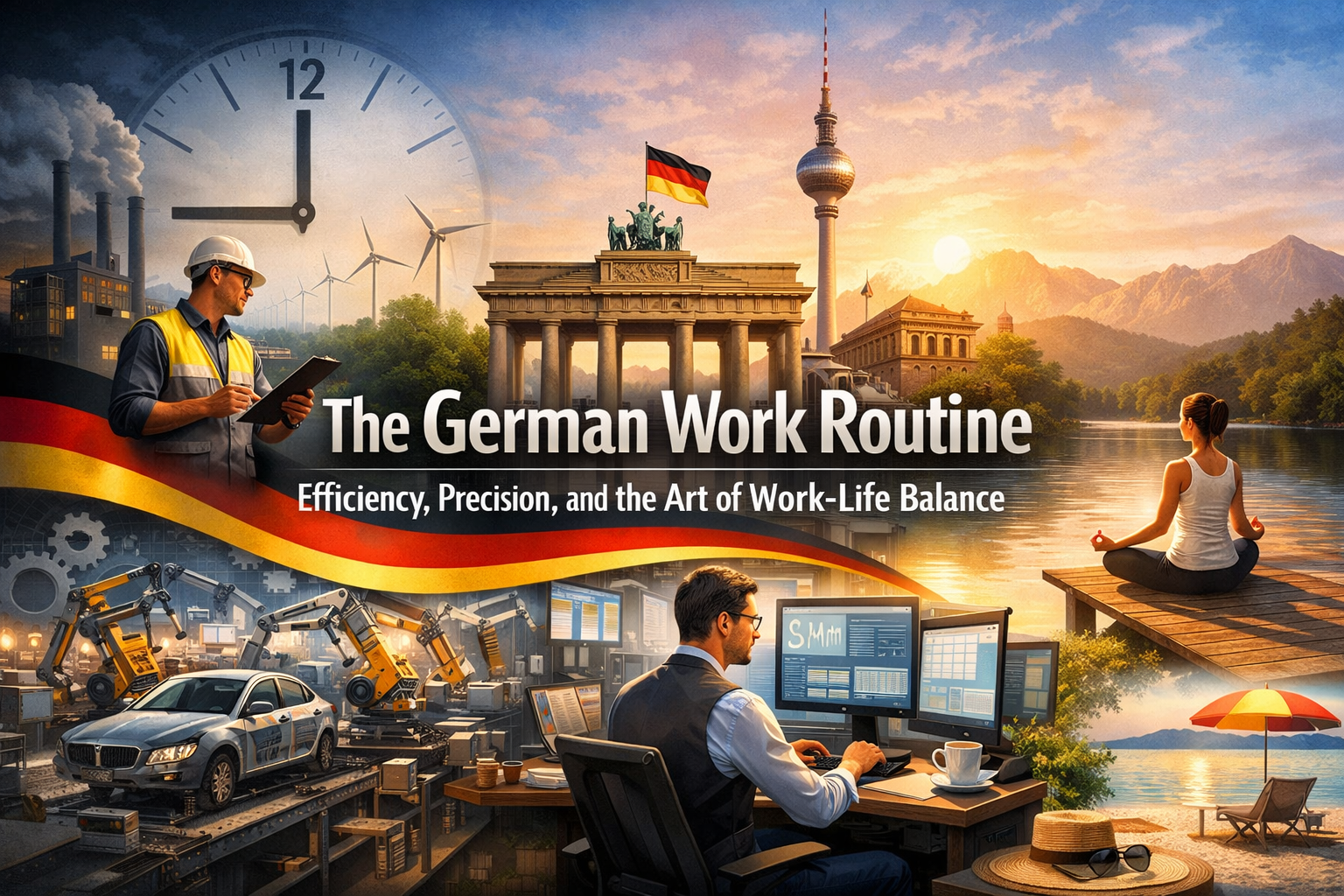
In a world where hustle culture often glorifies endless hours and blurred boundaries between professional and personal life, Germany stands as a beacon of structured productivity and unapologetic balance. The typical German workday is not defined by marathon sessions or late-night emails but by precision, respect for time, and an ironclad commitment to rest. With one of the shortest average workweeks in Europe—around 34 hours overall in recent data, and closer to 38-40 for full-time roles—Germany delivers high output while prioritizing well-being.
This is no accident. Rooted in the Arbeitszeitgesetz (Working Hours Act) and a cultural ethos that values Pünktlichkeit (punctuality), efficiency, and Feierabend (the sacred end of the workday), the German routine embodies a philosophy: work hard during designated hours, then disconnect completely. Whether you’re clocking in at a sleek Berlin tech hub, a Bavarian manufacturing plant, or a Düsseldorf corporate office, the rhythm feels remarkably consistent. Yet, beneath the surface lies nuance—variations by industry, the rise of hybrid models post-COVID, and ongoing debates about flexibility amid economic pressures.
This article explores the German work routine in exhaustive detail, drawing on legal frameworks, daily realities, cultural norms, and evolving trends. By the end, you’ll understand why this system isn’t just efficient—it’s enviable, sustainable, and increasingly influential globally. Expect a blend of hard statistics, vivid scene-setting, and practical insights for anyone curious about thriving in (or simply admiring) this model.
✅Also Read: IT Jobs in Germany: Salaries and Opportunities
Germany’s work routine begins not in the office but in its robust labor laws, which prioritize employee health over employer demands. The Working Hours Act caps daily work at eight hours, extendable to ten only if the six-month average stays at eight. Weekly limits average 48 hours max, though most contracts hover at 35-40. Breaks are mandatory: 30 minutes after six hours, often stretching to a full unpaid hour for lunch. Sundays and public holidays are protected—no work unless explicitly exempted in essential sectors.
Overtime isn’t assumed; it requires agreement and compensation, either as pay or time off. Collective bargaining agreements (Tarifverträge)—common in unions like IG Metall—often sweeten the deal with 37.5-hour weeks or extra perks. Vacation is generous: a legal minimum of 20 days for a five-day week (24 for six days), but reality delivers 28-30+ days in most sectors, plus 9-13 public holidays. This translates to roughly six weeks off annually, far exceeding many global norms.
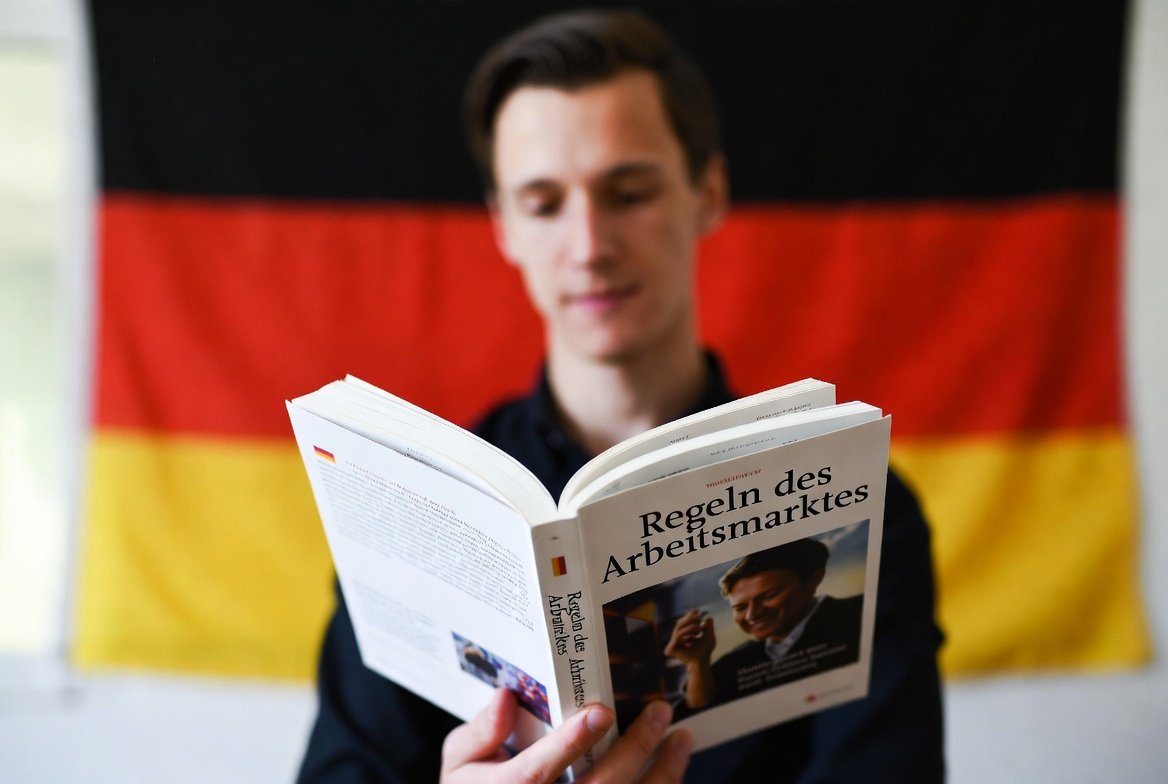
In 2026, discussions swirl around flexibility. The current coalition has eyed shifting from daily to weekly caps (still within EU 48-hour limits) to allow more adaptable schedules without eroding protections. Yet core safeguards remain untouched. Part-time work is normalized—over 30% of employees opt for it—contributing to the low average hours. Full-time roles still command respect, with average contracted weeks at 40 hours for many.
These rules aren’t bureaucratic hurdles; they’re cultural guardrails. Employees track hours meticulously (often via apps or time sheets), and employers risk fines for violations. The result? A routine where “work” ends predictably, freeing evenings for family, hobbies, or simply Ruhe (rest).
Picture a crisp Monday in Frankfurt. Your alarm chimes at 6:45 AM—not because you dread the commute, but because German public transport (trains, S-Bahn, U-Bahn) runs like clockwork. By 7:30, you’re on a regional train or cycling through bike lanes, arriving at the office precisely at 8:00 or 8:30. No frantic rushing; punctuality is respect.
The office—whether open-plan in a modern Büro or traditional—buzzes with quiet focus. Desks are orderly, coffee machines hum, but small talk is minimal. Greetings are formal (Guten Morgen, Herr Müller), often with handshakes. By 8:15, you’re logged in. Emails are answered promptly; tasks are tackled with Gründlichkeit (thoroughness).
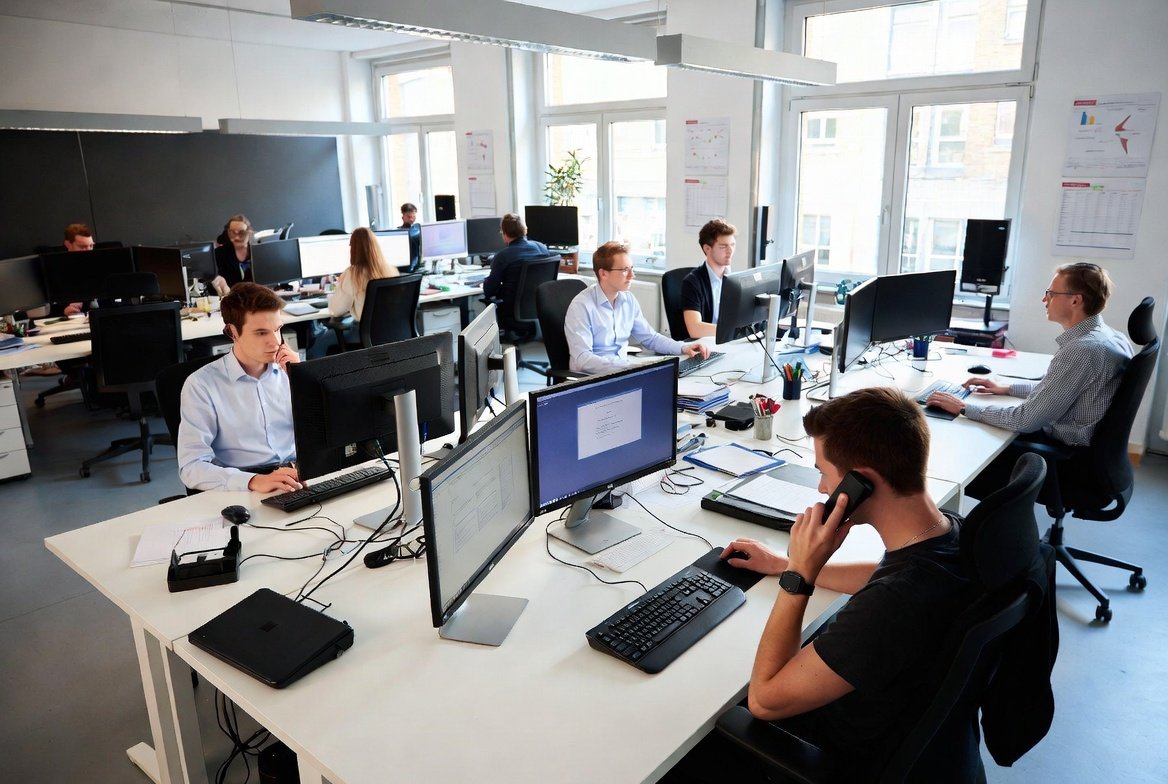
Core hours vary slightly by Gleitzeit (flexitime), popular in many firms: core presence from 9 AM-3 PM, with flexibility around start/end. A software developer in Munich might begin at 7:30 AM to beat traffic and finish by 4 PM. A banker in Hamburg starts later, ending at 6 PM. Manufacturing shifts differ—early birds at 6 AM in auto plants—but white-collar norms dominate the narrative.
Meetings are agenda-driven, concise, and decisive. No endless brainstorming; Germans prepare, contribute directly, and move on. Hierarchies exist—Chef (boss) input carries weight—but flat structures in tech startups encourage input. By 12:00-1:00 PM, the lunch break arrives. Many head to the Kantine (canteen) for hearty, affordable meals: schnitzel, salads, or Currywurst. Others brown-bag it or grab Döner nearby. The hour is sacred—no desk lunches. It’s for recharging, perhaps a walk or quick chat. Breaks don’t count as work time, so your eight-hour day spans 8.5-9 hours physically present.
Afternoons mirror mornings: focused execution. Emails taper after 4 PM; no expectation of instant replies. By 4:30-5:30 PM, desks clear. Colleagues bid Schönen Feierabend (have a nice evening) and vanish. No one lingers to “look busy.” Commuting home by 6 PM is the norm. Evenings belong to sports clubs (Vereine), family dinners, or Biergarten gatherings. Weekends? Untouchable.
This rhythm repeats Monday-Friday. Fridays often end earlier (by 3-4 PM in some firms). Remote/hybrid options—now in ~25-30% of job postings—let some work from home two days weekly, but in-office presence remains valued for collaboration.
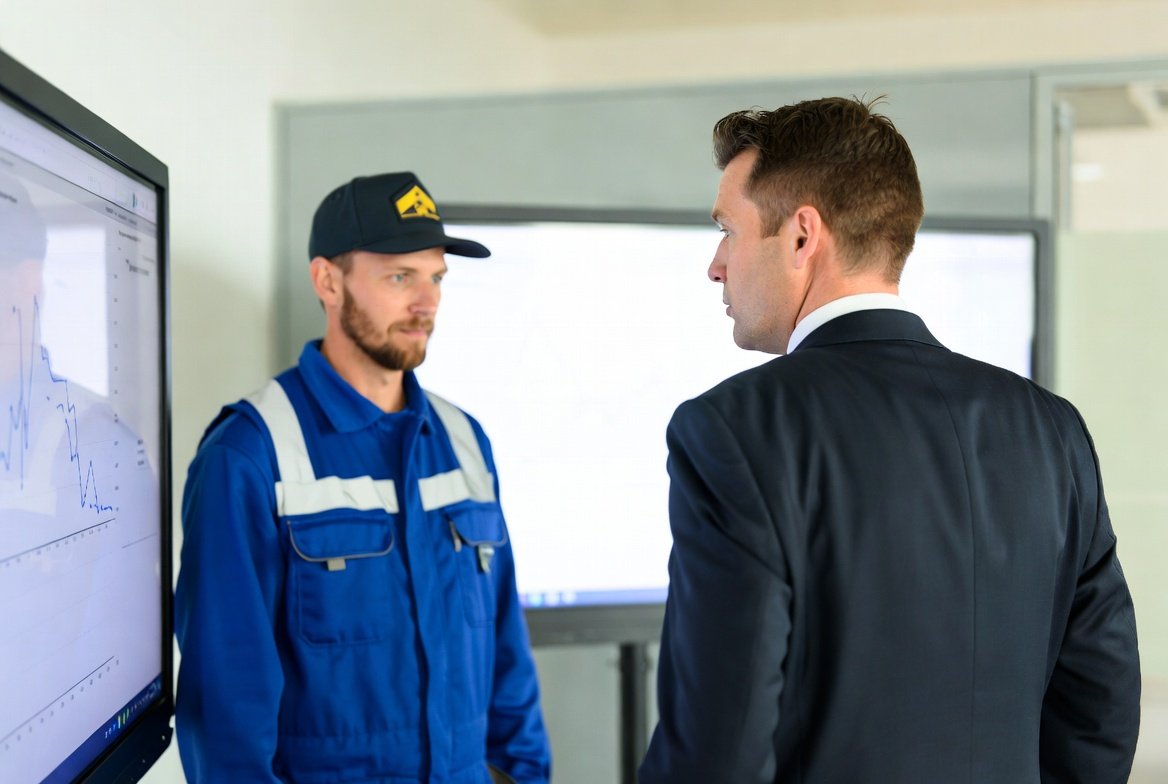
Not all days look identical. In manufacturing powerhouses like the Ruhr or Stuttgart, shift work prevails: early, late, or night rotations in BMW or Siemens plants. Yet regulations cap shifts, mandate rest (11 hours between), and include generous breaks. Workers clock precise hours; unions ensure safety. Productivity soars through automation and training via the dual education system (Ausbildung).
Tech and services in Berlin or Cologne lean flexible. Startups embrace Duzen (informal “you”) and flat hierarchies, but punctuality holds. A developer might code from 9 AM-5 PM with noise-canceling headphones, then log off. Public sector roles (government, education) mirror this with ironclad hours and more vacation.
Retail and hospitality differ: longer days possible, but Sunday closures are law (with exceptions). Healthcare runs 24/7 shifts under strict limits. Across sectors, the constant is respect for boundaries—no weekend emails from the boss.
Punctuality isn’t obsession; it’s philosophy. Two minutes late? Noticeable. Fifteen? Explanatory call required. It signals reliability, fostering trust. Communication is direct—klar und deutlich (clear and direct)—no sugarcoating. Feedback is constructive, not personal. Small talk is brief; focus reigns.

Efficiency stems from preparation: agendas, documentation, Protokoll (minutes). Cake on birthdays or Betriebsfeiern (company parties) adds warmth, but work stays professional. Dress codes lean business casual—smart, not flashy.
Mitbestimmung (co-determination) via works councils gives employees voice in policies, reinforcing balance. The result? Low burnout, high loyalty. Expat accounts often note initial culture shock: “No one stays late? Amazing.”
Post-5 PM? Silence. No Slack pings, no “quick calls.” Germans guard Privatleben fiercely. Vacations are planned months ahead—often July-August or skiing in winter. Parents enjoy Elternzeit (parental leave) up to 14 months paid. Sick days? Taken without guilt, doctor-certified if over three days.
This yields tangible benefits: strong family time, hobbies (hiking, football), community involvement. Studies link it to Germany’s high productivity per hour worked—fewer hours, better focus.
COVID accelerated hybrid work; now standard in many white-collar jobs, though not universal. Job ads trumpet flexibility amid labor shortages. Four-day-week pilots (32 hours at full pay) gain traction in firms like those surveyed, with 32% preferring it. Yet traditionalists push back amid economic headwinds—some politicians advocate more hours for growth. Calendar quirks in 2026 add 2.4 extra working days, a minor GDP bump but no routine overhaul.
Challenges persist: expats from high-hustle cultures miss “face time”; rural areas lag hybrid; women in part-time roles face career gaps. Still, the model adapts without crumbling.
The German routine proves you can achieve excellence without exhaustion. It’s efficient because it’s bounded: deep work in core hours, full recharge afterward. High skills from apprenticeships and vocational training amplify output. Cultural emphasis on quality over quantity delivers world-class engineering, innovation, and services.
For newcomers: arrive on time, over-prepare, respect boundaries, embrace directness. Learn basic German etiquette—it opens doors.
In conclusion, Germany’s work routine isn’t flawless, but it’s a blueprint for sustainable success. In an era of burnout epidemics, it whispers a radical truth: less can be more. Whether inspiring global policy or simply fascinating observers, it reminds us that true productivity honors life beyond the desk. As one expat quipped, “In Germany, you work to live—not live to work.” And that, precisely, is the genius of the routine.