 11
11
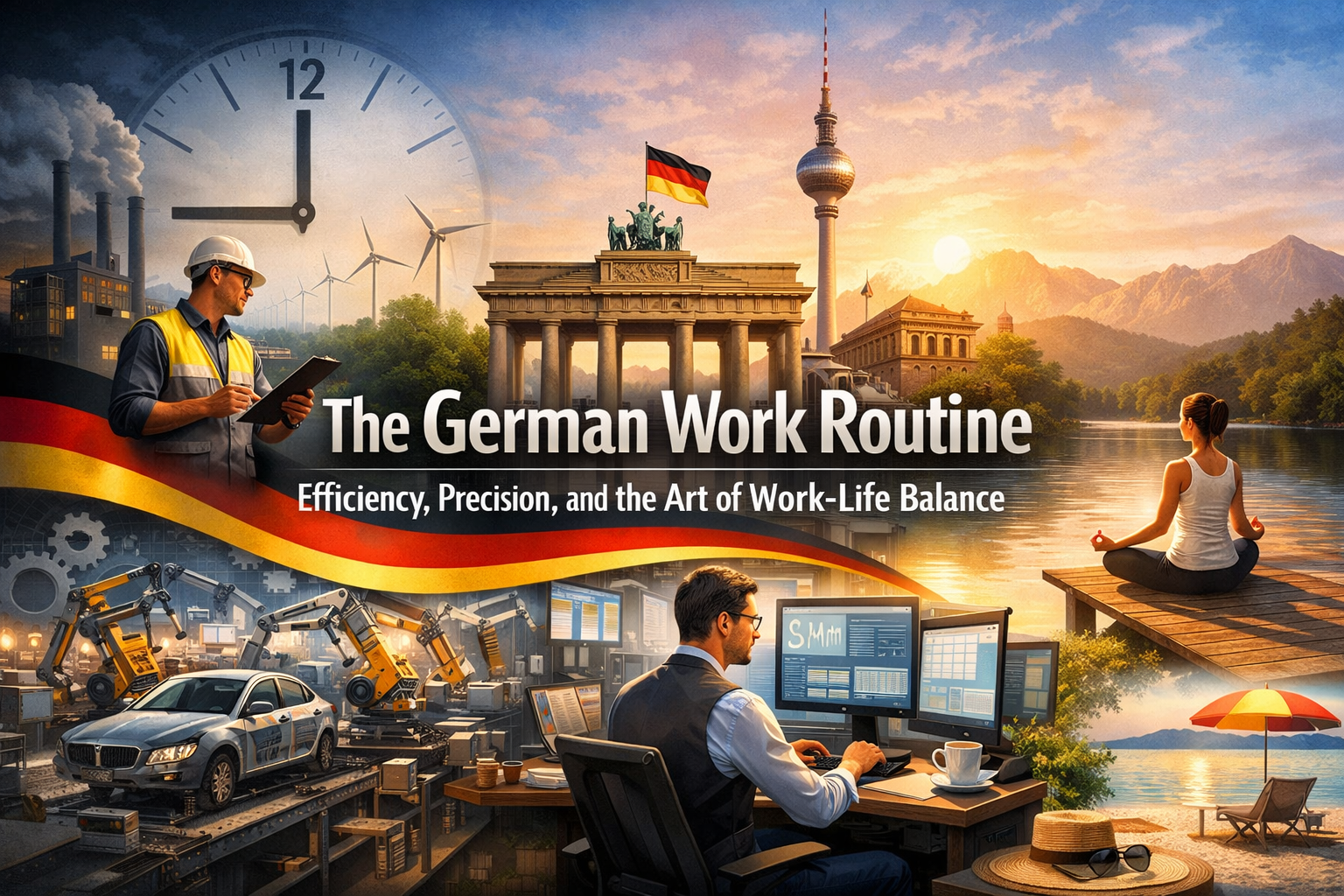
Germany has established itself as one of Europe’s leading technology hubs and continues to attract information technology professionals from around the world. With a strong economy, innovative companies, and a significant shortage of IT specialists, the country offers excellent opportunities for developers, software engineers, and data experts. But is it really worth working in IT in Germany? In this comprehensive article, you will learn about salaries, career opportunities, work requirements, and the advantages of building a career in the German tech sector.
✅Read also: Top 10 Jobs with the Highest Labor Shortages in Germany

The digital transformation of the German economy has created a massive demand for technology specialists. Traditional companies, banks, industries, and startups are investing heavily in automation, artificial intelligence, and digital infrastructure.
Cities such as Berlin, Munich, Hamburg, and Frankfurt have become important centers of technological innovation in Europe. In these cities, you can find hundreds of startups, major global companies, and research centers that rely on highly skilled IT professionals.
Additionally, many German companies struggle to find enough qualified talent within the country. For this reason, the German government has encouraged the immigration of skilled professionals to fill these positions.
Germany’s technology market is diverse, but some areas have particularly high demand.
Among the most sought-after professionals are:
With the continued digitalization of the economy, these professions are expected to remain in high demand for years to come.

One of the biggest attractions of working in technology in Germany is the competitive salary. Compared to many other European countries, IT professionals often earn very attractive compensation.
The approximate average annual salaries are:
Junior professionals:
€45,000 to €55,000 per year
Mid-level professionals:
€60,000 to €75,000 per year
Senior professionals:
€80,000 to €100,000 or more per year
In international companies or fast-growing startups, these salaries can be even higher, especially for specialists in artificial intelligence, cybersecurity, and software architecture.
In addition to base salaries, many professionals receive benefits such as annual bonuses, stock options, flexible working hours, and remote work opportunities.
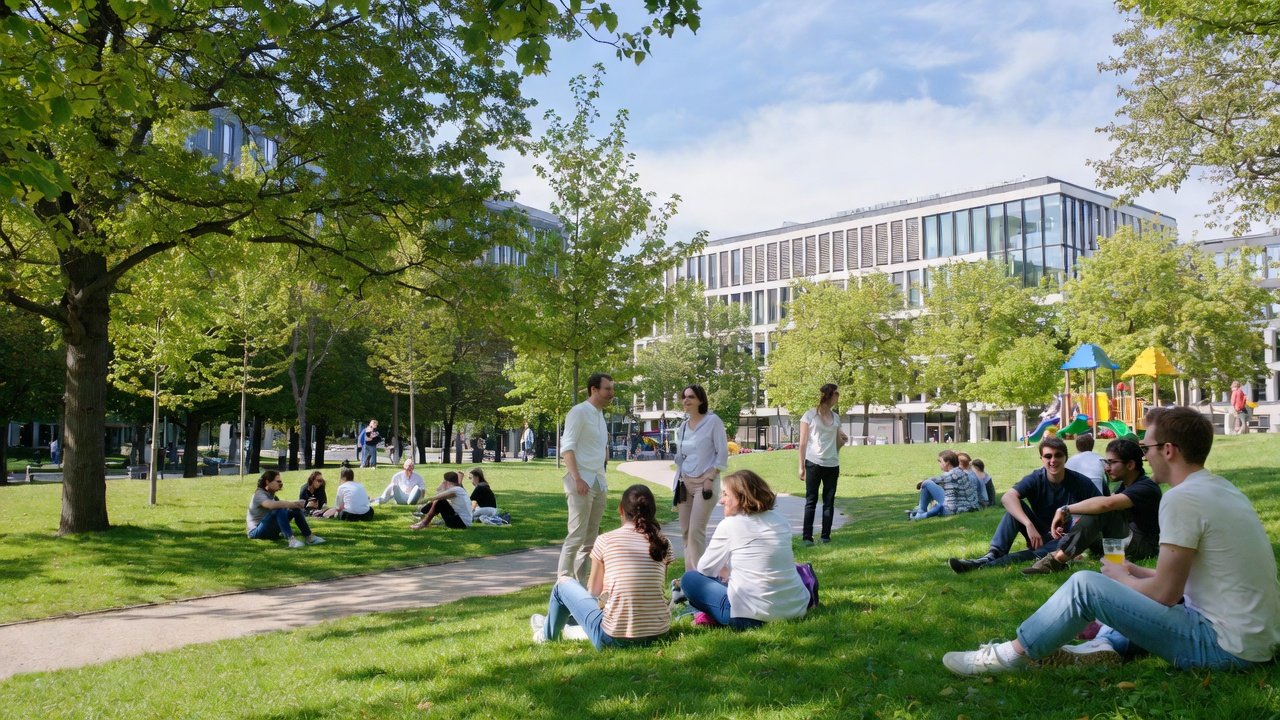
Another factor that makes Germany an attractive destination is its excellent quality of life. The country offers modern infrastructure, well-organized cities, and efficient public services.
Some of the main advantages include:
German work culture values productivity but also respects employees’ personal time. The standard workweek is usually around 40 hours, and employees are entitled to paid vacation and several public holidays throughout the year.

This is one of the most common questions among foreign professionals.
The good news is that many technology companies operate primarily in English, especially startups and international companies. This is particularly common in tech hubs like Berlin.
However, learning German can offer several advantages:
For this reason, even if it is not required initially, learning German can be an important investment for those planning to live in the country long term.
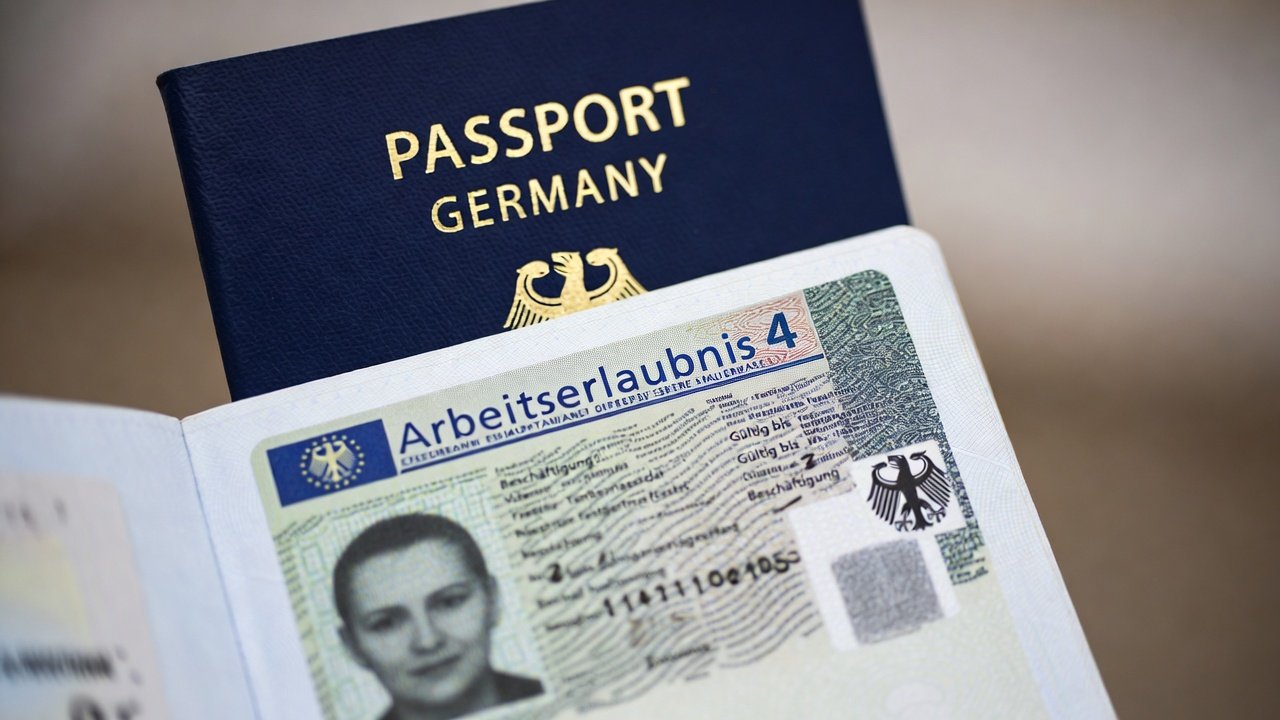
Germany has relatively open immigration policies for skilled professionals. One of the main programs is the EU Blue Card, a visa designed for highly qualified professionals who receive a job offer above a certain salary threshold.
This visa offers several advantages:
Many German companies also support foreign professionals during the relocation process by helping with documentation, housing, and adaptation to the country.

Despite the many advantages, there are some challenges to consider.
One of the main issues is the cost of housing in large cities, especially in Munich and Frankfurt, where rents can be quite high.
Another factor is German bureaucracy. Administrative processes can be more detailed and formal than in many other countries.
Additionally, cultural adaptation may take some time, as the German communication style tends to be more direct and formal.
Even so, many foreign professionals report that the benefits of living and working in Germany outweigh these challenges.

For most technology professionals, the answer is yes. Germany offers a rare combination of high salaries, economic stability, career opportunities, and excellent quality of life.
Furthermore, working in an international environment can open doors to opportunities with global companies in the future.
With the ongoing digital transformation of the European economy and the continuous shortage of tech talent, the demand for IT professionals in Germany is expected to remain strong for decades.
Working in IT in Germany can be one of the best career decisions for technology professionals who want to grow professionally while living in a country with a high quality of life. With competitive salaries, opportunities in innovative companies, and favorable immigration policies, Germany remains one of the most promising destinations for tech talent worldwide.
If you have skills in software development, data science, cloud computing, or cybersecurity, Germany may offer incredible opportunities to build a strong international career. 🚀