 11
11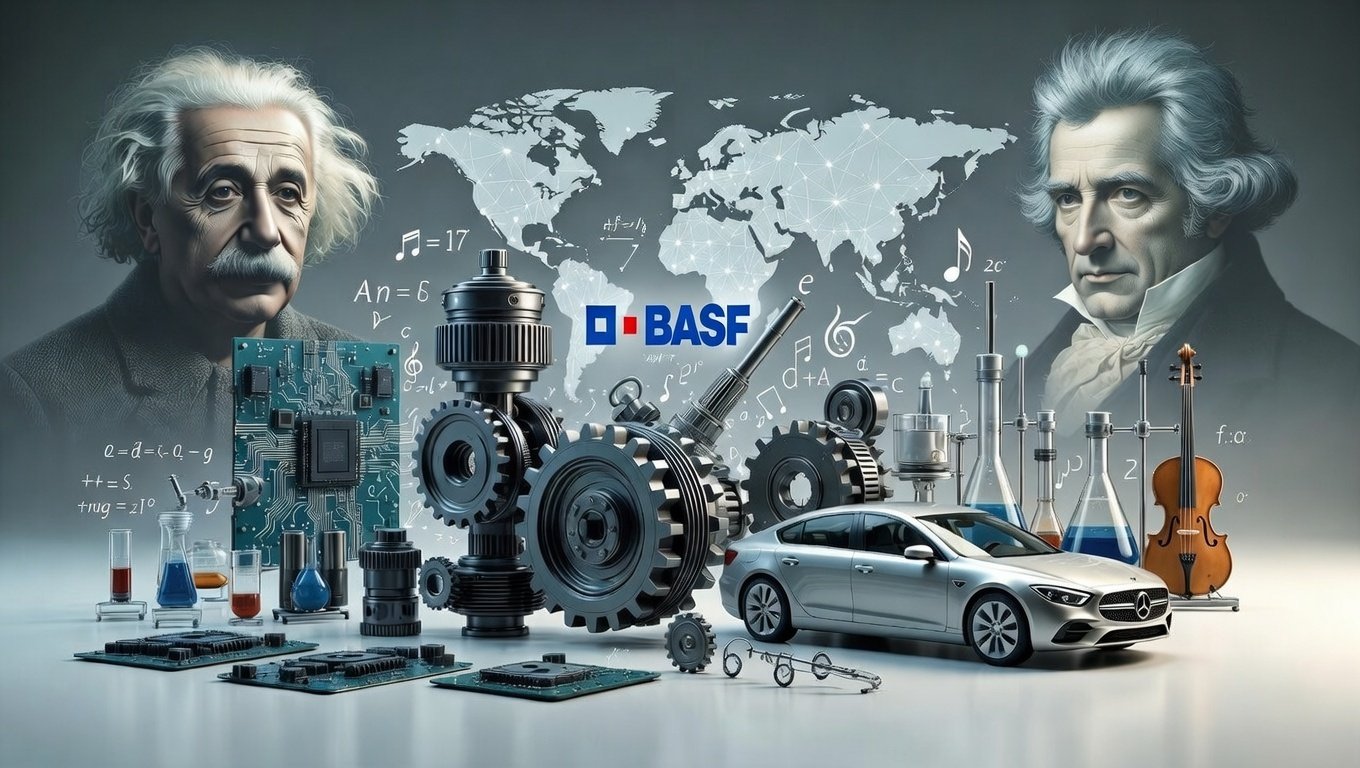
Germany’s power of innovation is rooted in a unique combination of scientific rigor, engineering excellence, world-class education, and a strong culture of research and development that has consistently shaped the modern world. As the birthplace of transformative ideas in physics, engineering, philosophy, medicine, and industrial technology, Germany has produced groundbreaking innovations that go far beyond famous names like Albert Einstein. From precision engineering and advanced manufacturing to cutting-edge research institutions and globally influential companies, German innovation continues to drive economic growth, technological progress, and societal development worldwide. If you want to understand how these ideas, systems, and inventions reshaped humanity, we invite you to read our in-depth article “Beyond Einstein: 10 German Contributions That Changed the World”, where we explore the most important German innovations that transformed science, industry, culture, and everyday life across the globe.
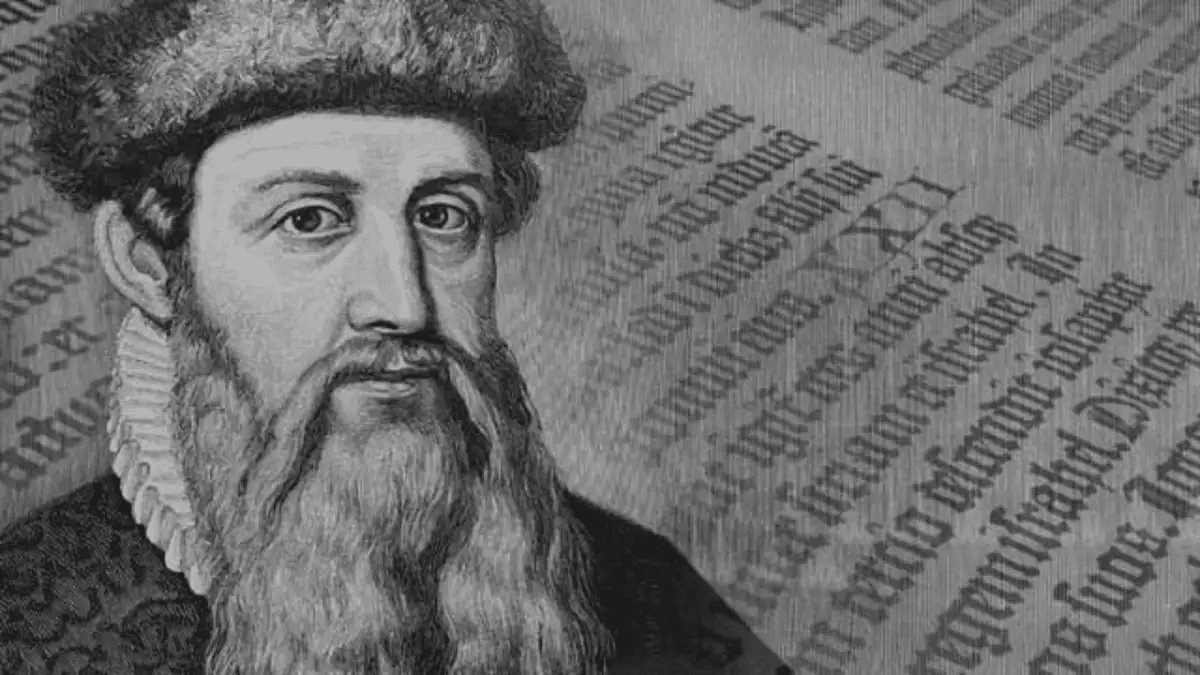
The invention of the modern printing press by Johannes Gutenberg in Mainz fundamentally transformed the transmission of knowledge. His movable metal type system made books cheaper, faster to produce, and widely accessible, breaking the monopoly of handwritten manuscripts controlled by religious and political elites.
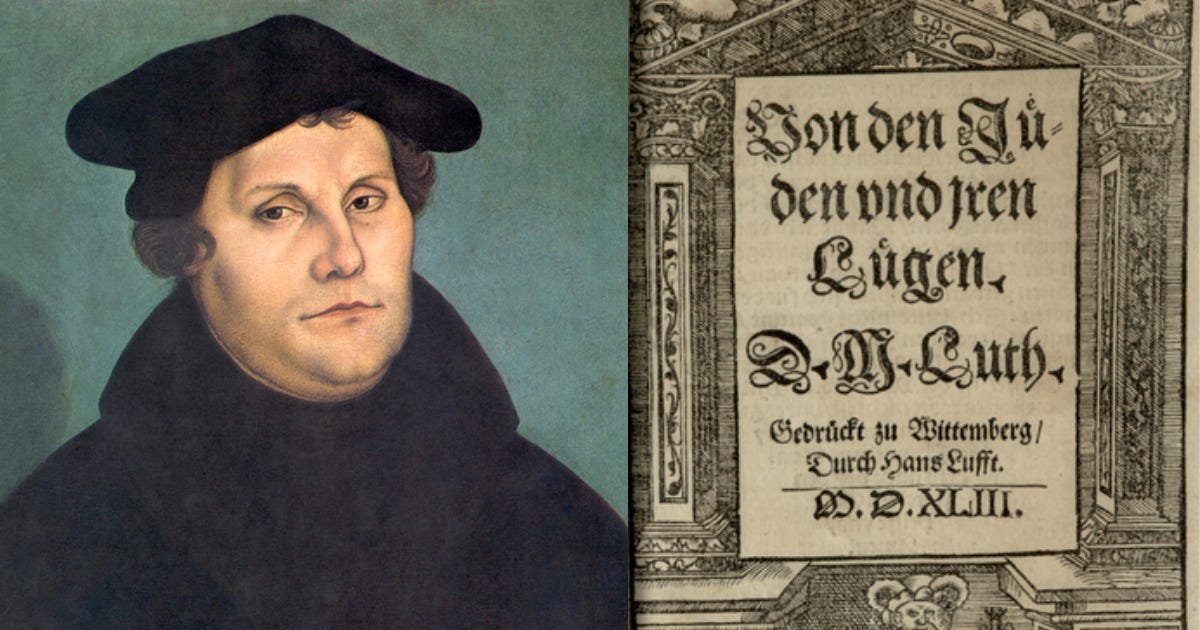
This innovation enabled the rapid spread of ideas by figures such as Martin Luther, whose writings circulated across Europe within weeks, fueling religious reform and political change. Printing houses modeled after Gutenberg’s system appeared in cities like Venice, Paris, and London, creating the first international information network.
The long-term institutional impact was immense. Universities expanded their curricula, scientific journals emerged, and standardized textbooks allowed formal education to scale. Entire industries—publishing, journalism, advertising—exist today because of this German breakthrough.
Modern media corporations and digital platforms still follow the same fundamental logic: mass replication of information. The world’s information age began not with the internet, but with a German metalworker who changed how humanity shares ideas.
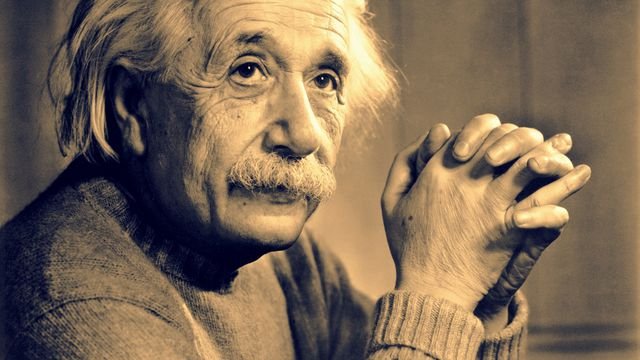
Germany stands at the center of modern physics, primarily through the work of Albert Einstein, whose theories reshaped science and technology alike. His work on relativity altered humanity’s understanding of space, time, and energy, replacing classical physics with a new framework.
German institutions such as the Max Planck Society played a decisive role in advancing theoretical and experimental physics. Discoveries in quantum mechanics by German scientists laid the foundation for semiconductors, lasers, and modern electronics.
Major technology companies—including Siemens—applied these scientific principles to real-world systems, from medical imaging devices to energy infrastructure. Without German physics, technologies like MRI scanners, GPS navigation, and satellite communications would not exist.
Today, physics departments worldwide still follow research models pioneered in Germany. The country’s blend of theory, experimentation, and industrial application permanently changed how science drives technological progress.
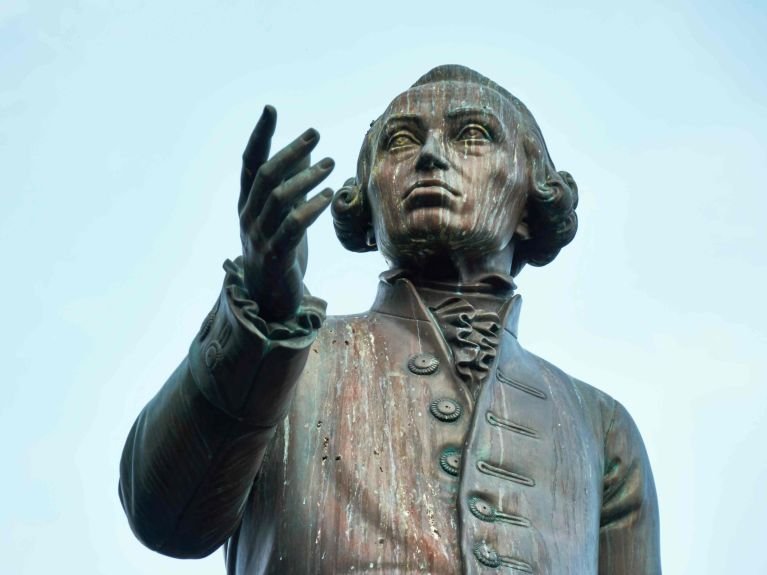
German philosophy created the intellectual architecture of modern Western thought. Thinkers like Immanuel Kant, Georg Wilhelm Friedrich Hegel, and Friedrich Nietzsche addressed fundamental questions about reason, morality, freedom, history, and human purpose.
Kant’s ideas directly influenced modern constitutional law, human rights theory, and democratic ethics. Hegel’s philosophy shaped political theory, sociology, and even international relations by framing history as a dynamic process driven by conflict and synthesis.
Nietzsche’s critique of traditional morality influenced psychology, literature, and modern cultural theory. His ideas shaped thinkers such as Sigmund Freud and inspired entire movements in existentialism and postmodern thought.
Universities across Europe, the Americas, and Asia still treat German philosophy as foundational. Legal systems, political ideologies, and cultural debates continue to rely on concepts first articulated in German academic circles.
Germany’s reputation for engineering excellence is the result of a long tradition of systematic design and industrial discipline. German technical universities established engineering as a rigorous scientific profession rather than a craft.
Companies such as Bosch and Thyssenkrupp applied these principles to manufacturing, infrastructure, and heavy industry. Their emphasis on precision, testing, and durability set global benchmarks.
German engineering influenced factory organization worldwide, introducing standardized processes, quality control systems, and long-term industrial planning. These methods were later adopted by industries in the United States, Japan, and beyond.
Even today, the phrase “German engineering” symbolizes reliability. From industrial machinery to renewable energy systems, this tradition continues to shape global production standards.
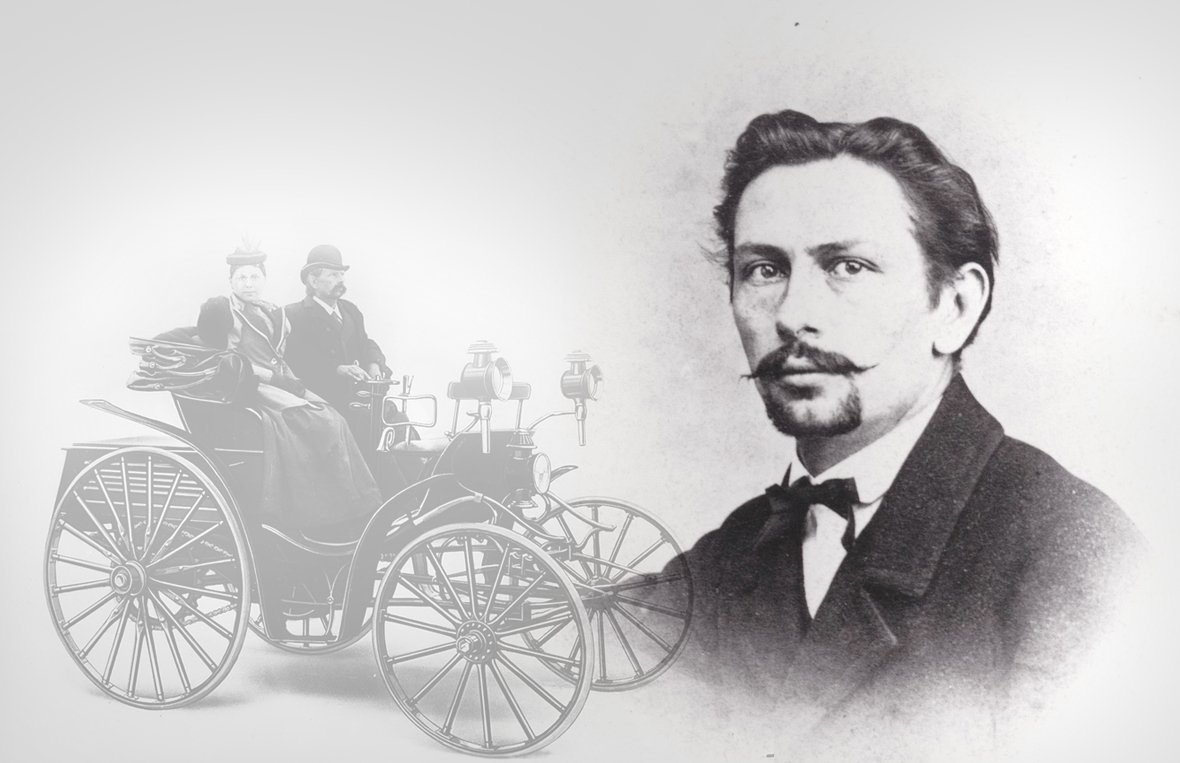
The modern automobile was invented in Germany by Karl Benz, whose motorized vehicle revolutionized transportation. His invention fundamentally altered how people work, travel, and organize cities.
German manufacturers such as Mercedes-Benz, BMW, and Volkswagen transformed the automobile into a global product, emphasizing safety, performance, and engineering excellence.
Innovations like the anti-lock braking system, crumple zones, and advanced engine designs emerged from German automotive research. These features later became mandatory safety standards worldwide.
The global road network, suburban development, and modern logistics systems all evolved around the automobile—an industry born in Germany and refined through German engineering culture.

Germany is a founding force of modern chemistry and pharmaceutical science. German laboratories pioneered systematic experimentation, chemical synthesis, and industrial-scale drug production.
Companies such as Bayer and BASF transformed chemistry into a global industry, producing medicines, fertilizers, polymers, and advanced materials.
German pharmaceutical research established standards for clinical trials, drug safety, and chemical regulation that later became global norms. Many life-saving medicines trace their origins to German laboratories.
Modern healthcare systems, industrial agriculture, and materials science still rely on chemical processes developed and perfected in Germany.
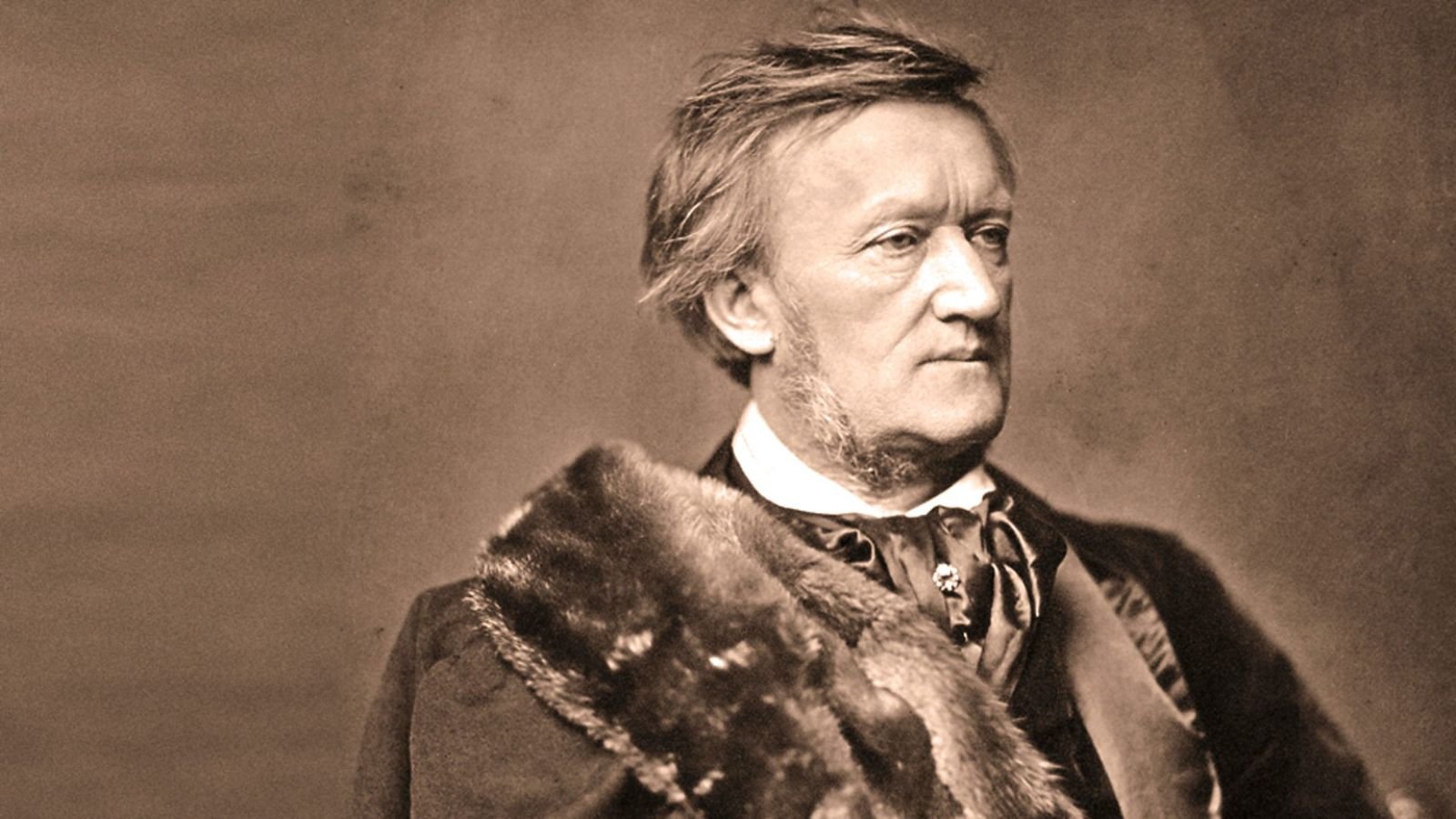
Germany shaped Western music more profoundly than almost any other nation. Composers such as Johann Sebastian Bach, Ludwig van Beethoven, and Richard Wagner redefined musical structure, harmony, and emotional expression.
German musical theory established formal systems of composition that are still taught in conservatories worldwide. Film composers and modern orchestras rely heavily on techniques developed by German masters.
Institutions like German opera houses and music academies professionalized musical education, influencing how musicians are trained globally.
From classical concerts to modern cinema soundtracks, German musical innovation continues to shape how humanity experiences emotion through sound.
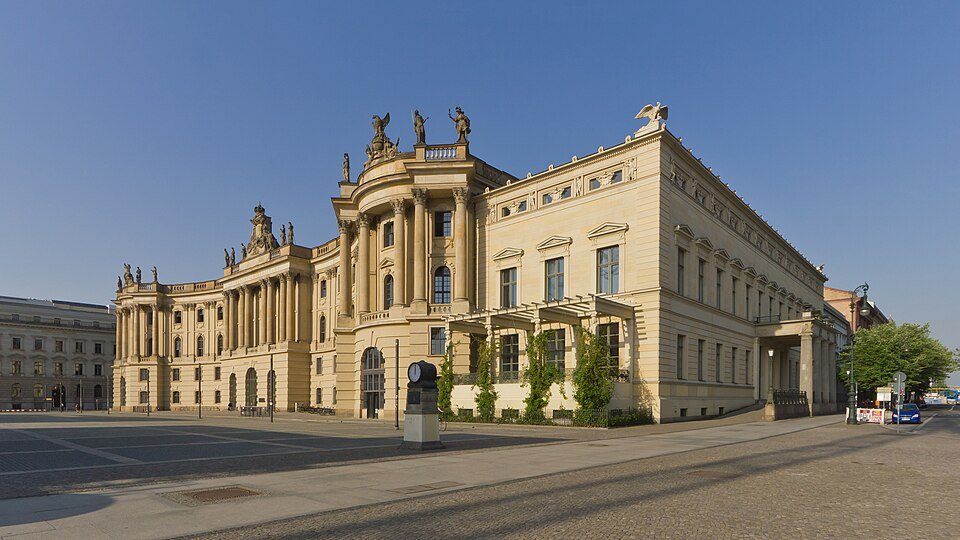
Germany invented the modern research university, emphasizing academic freedom and original discovery. This model transformed higher education worldwide.
Universities such as the University of Berlin (now Humboldt University) established the principle that professors should both teach and conduct research.
This approach inspired institutions like Harvard, Oxford, and Tokyo University, reshaping global academia. Scientific progress accelerated as universities became centers of innovation rather than mere teaching institutions.
Today’s global research ecosystem—from peer-reviewed journals to doctoral programs—follows a German educational blueprint.
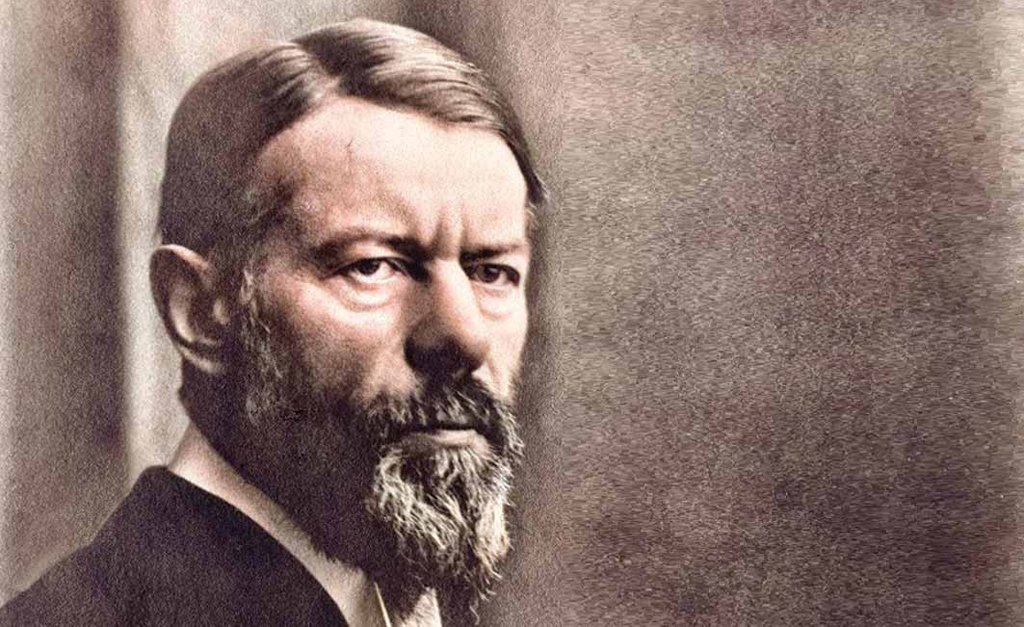
German political thought shaped modern governance, bureaucracy, and public administration. Concepts of professional civil service and legal rationality emerged from German theory and practice.
Sociologist Max Weber analyzed and formalized the idea of bureaucratic governance, influencing how modern states organize authority and efficiency.
Germany also pioneered social welfare policies, including public pensions, healthcare systems, and labor protections, which later spread across Europe and the Americas.
Modern welfare states and administrative governments owe much of their structure to German political innovation.

Germany’s economic model balances innovation, skilled labor, and industrial stability. This system proved resilient across crises and technological transitions.
Industrial giants such as SAP transformed global business operations through enterprise software, shaping how corporations manage data and logistics.
Germany’s dual vocational training system created a highly skilled workforce, ensuring long-term industrial competitiveness and technological leadership.
In a rapidly changing global economy, German economic principles continue to offer a model of sustainable, high-value industrial development.