 11
11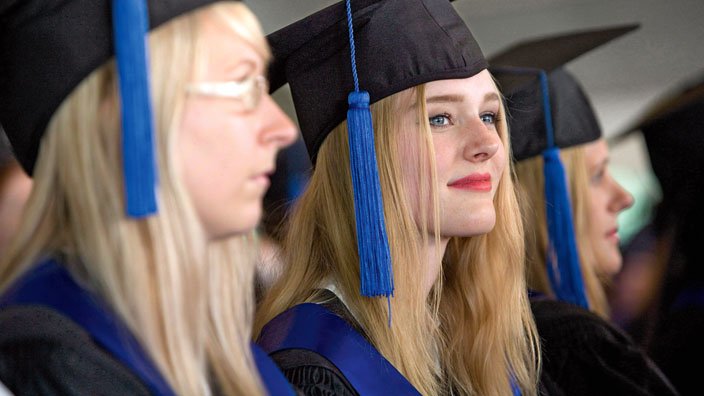
Education in Germany is globally admired for its academic rigor, strong emphasis on practical training, and close alignment with industry and innovation. The German education system combines world-class universities, accessible public education, and a unique dual-learning approach that prepares students for real careers, not just exams. With internationally recognized degrees, cutting-edge research opportunities, and excellent prospects after graduation, Germany has become one of the most attractive study destinations for students worldwide. Want to understand why Germany’s education system is often considered the best in the world? Read the full article Germany’s Education System: 10 Reasons That Make It the Best in Europe and the World
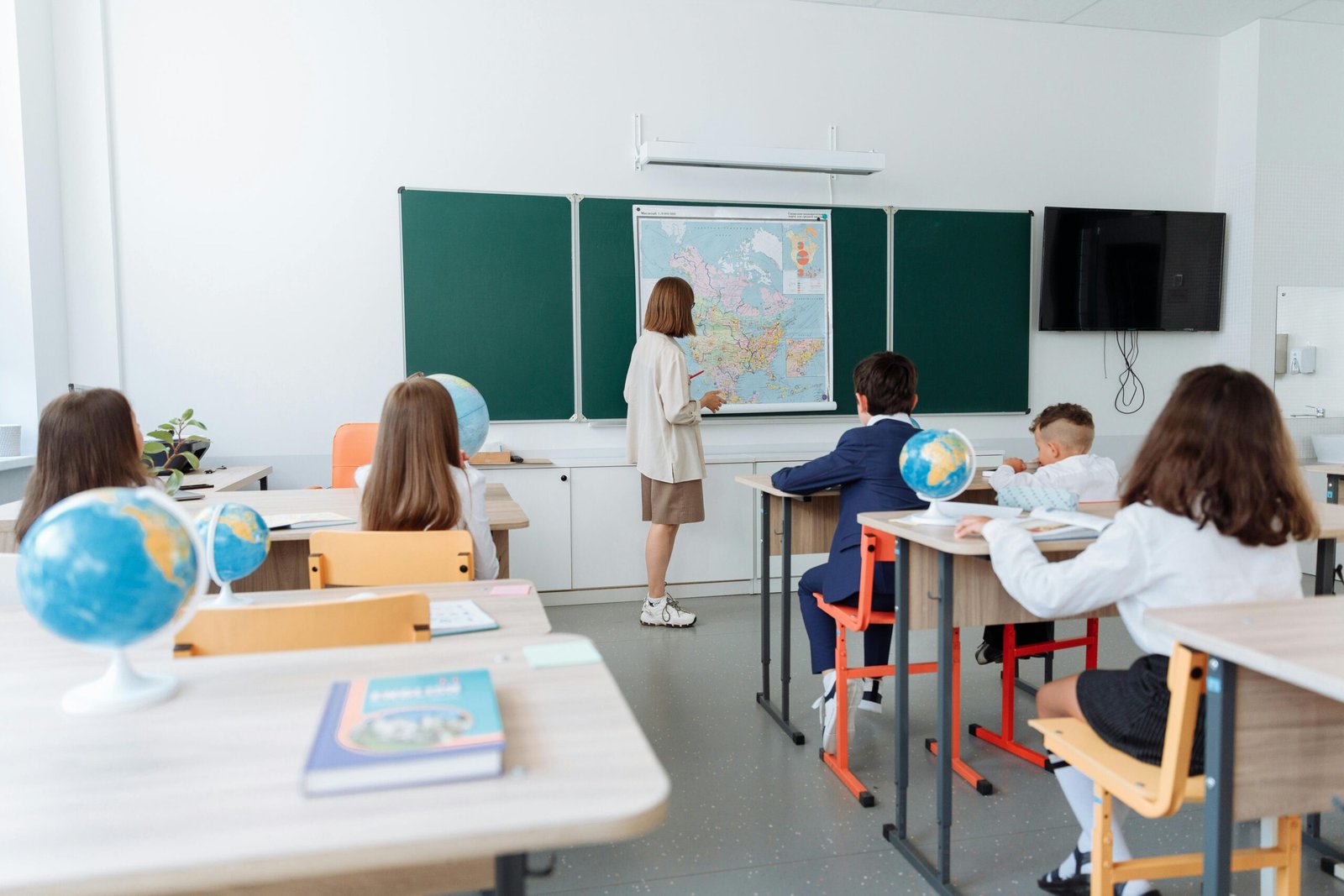
One of the most remarkable strengths of the German education model is its accessibility. In Germany, public universities are largely funded by the state, which allows students to study without paying tuition fees or with only minimal administrative costs. This philosophy is deeply rooted in the idea that education should serve society as a whole and not be restricted by income or social background.
For international students, this approach represents a unique opportunity to obtain a high-quality degree without the financial pressure commonly associated with higher education in many other countries. Instead of facing decades of student debt, learners can focus on academic development, skill-building, and long-term career planning from the very beginning of their studies.
The reduced financial burden also creates a healthier academic environment. Students are less stressed, more engaged in research and projects, and more willing to participate in extracurricular activities that enrich their personal and professional growth. This leads to higher levels of satisfaction and academic performance.
Ultimately, this affordability has positioned Germany as one of the most attractive destinations for international education, offering an exceptional combination of economic accessibility, academic rigor, and future opportunities.

German universities are internationally respected for their demanding academic standards and structured learning approach. Programs are designed to challenge students intellectually, encouraging them to develop discipline, responsibility, and independent thinking throughout their academic journey.
Degrees obtained from German institutions carry strong global recognition. Employers across different continents associate German education with precision, reliability, and advanced technical knowledge, particularly in fields such as engineering, natural sciences, healthcare, and technology-driven industries.
The teaching methodology emphasizes deep understanding rather than surface-level learning. Students are expected to analyze complex concepts, conduct independent research, and defend their ideas through discussion and academic writing, preparing them for real-world problem-solving.
This strong academic reputation gives graduates long-term advantages, whether they pursue international careers, doctoral studies, or leadership positions in competitive global organizations.

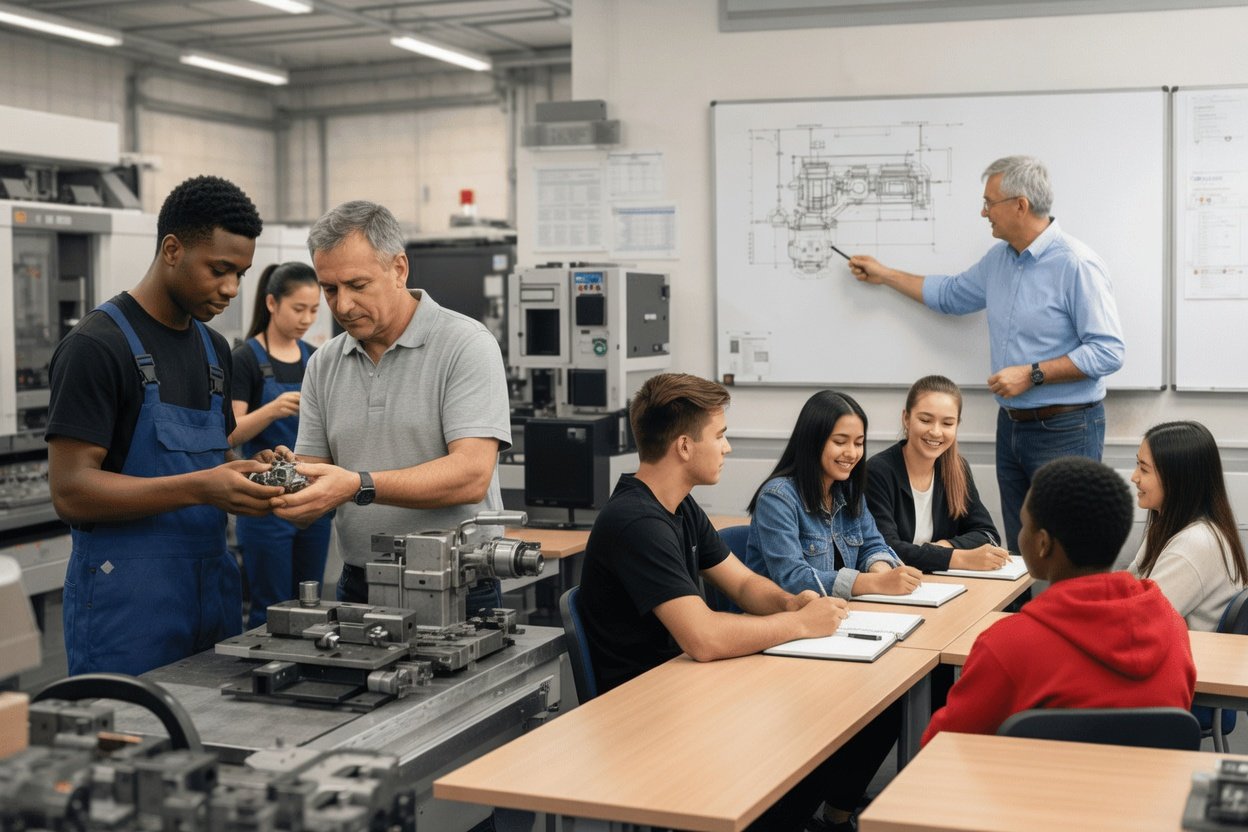
A defining pillar of the German education system is the dual education model, which seamlessly integrates academic learning with practical professional experience. Students divide their time between classrooms and real workplaces, applying theory directly to real-life situations.
This structure ensures that graduates are not only academically qualified but also professionally experienced. By the time they complete their studies, they already understand workplace dynamics, industry standards, and professional expectations.
Companies actively participate in this system, investing in the training of future professionals. In many cases, students are offered permanent positions after graduation, as employers prefer candidates who are already familiar with their organizational culture and processes.
As a result, the transition from education to employment becomes smoother, more secure, and significantly faster than in systems where theory and practice are separated.

German educational institutions maintain close and continuous cooperation with industries, research centers, and private companies. This ensures that academic programs remain aligned with real economic needs and technological advancements.
Students frequently engage in internships, applied research projects, and collaborations with industry partners as an integral part of their studies. These experiences allow them to build professional networks and gain practical insights into their chosen careers.
This strong alignment between education and employment means that graduates enter the labor market with confidence and clarity about their professional goals. Many students secure job offers even before completing their degrees.
The result is an education system that actively supports employability and long-term career success rather than focusing solely on theoretical instruction.

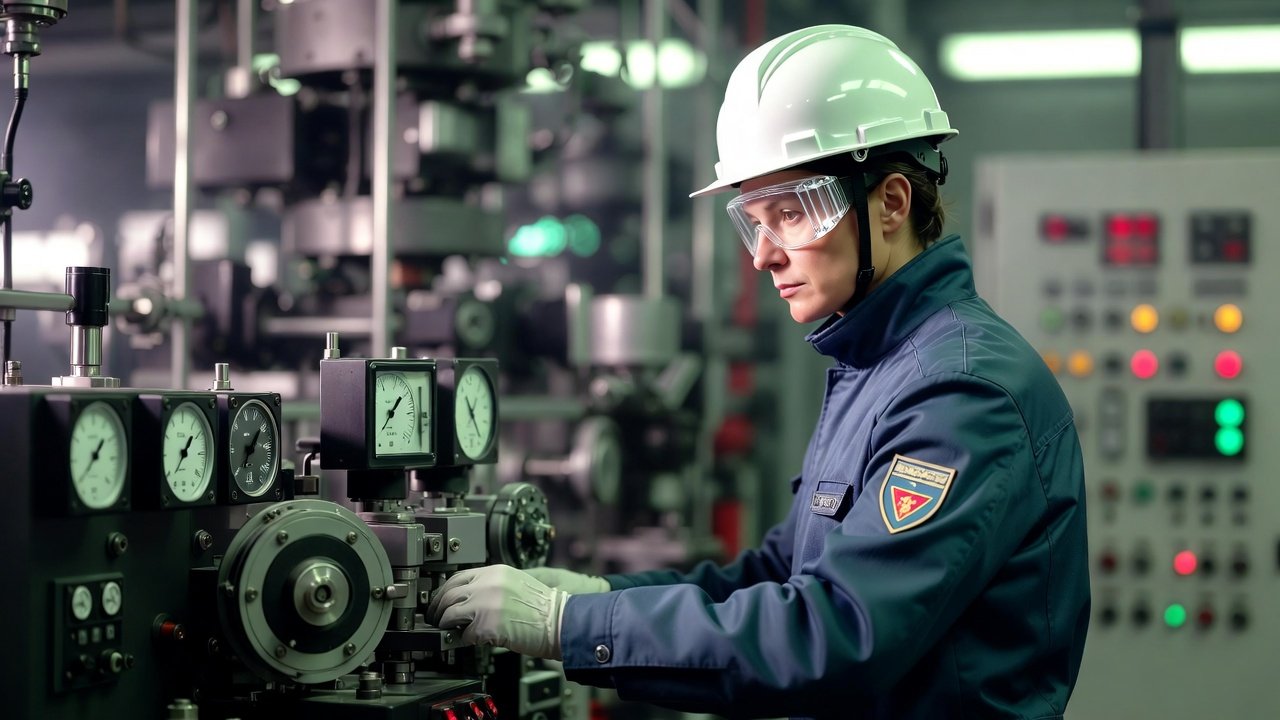
Germany places a strong emphasis on research and innovation, making universities key contributors to scientific and technological progress. Significant public and private investments provide students with access to cutting-edge laboratories, modern equipment, and large-scale research projects.
Students are encouraged to participate in research from early stages of their education. This fosters curiosity, creativity, and analytical thinking, allowing them to develop skills that go far beyond classroom learning.
Close collaboration between universities, research institutes, and industry ensures that discoveries are transformed into practical solutions that benefit society. This is particularly evident in fields such as engineering, renewable energy, digital technologies, and medical research.
Graduates with research experience stand out globally, as they bring not only technical expertise but also the ability to innovate, adapt, and solve complex problems.

Germany has significantly expanded the number of degree programs taught entirely in English, especially at the postgraduate level. This allows international students to access high-quality education without needing advanced language skills upon arrival.
These programs span a wide range of disciplines, including business administration, engineering, computer science, economics, and international relations. Students can begin their studies immediately while gradually learning the local language.
This approach provides flexibility and reduces barriers for international students, making academic integration smoother and less stressful. Over time, many students choose to learn German, further enhancing their social and professional integration.
The availability of English-taught programs has played a crucial role in Germany’s growing popularity as a global education hub.

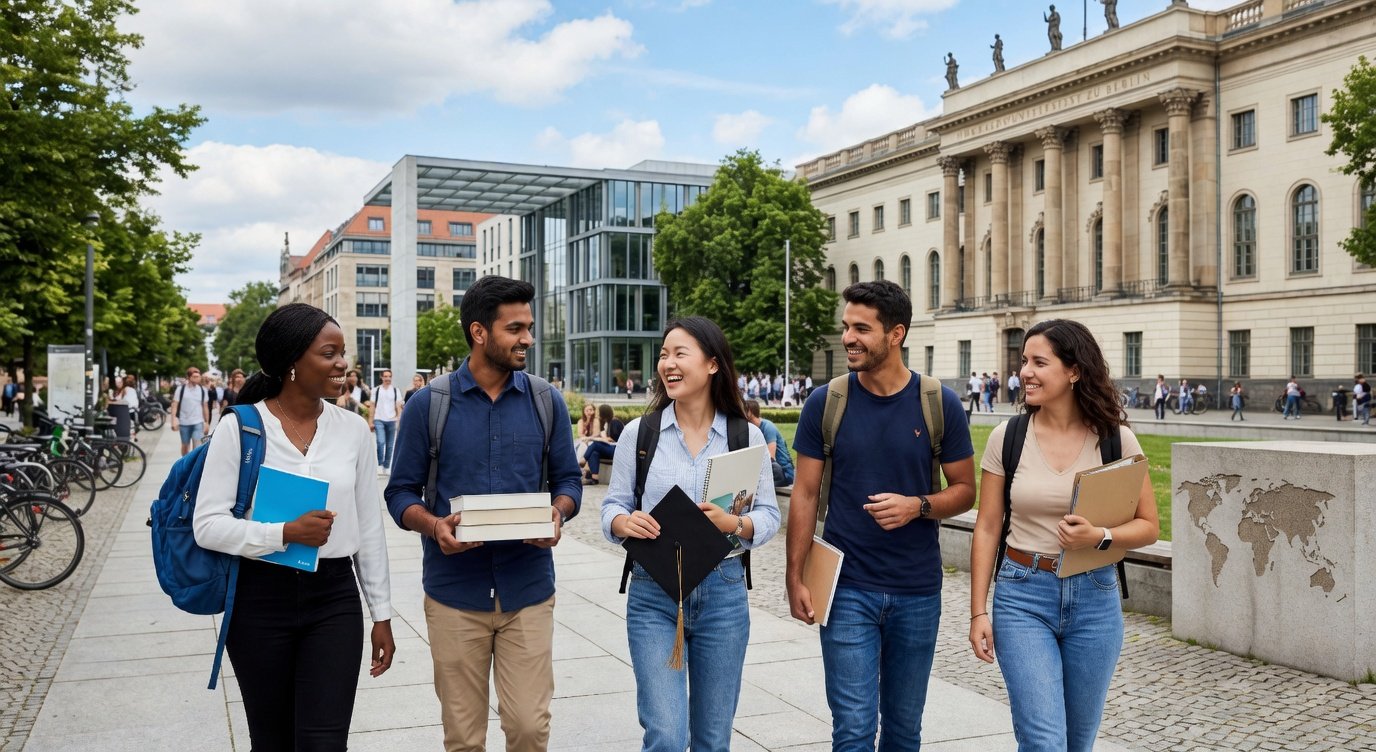
German universities are home to students from all regions of the world, creating a truly international academic environment. Classrooms often include individuals from dozens of different cultural and educational backgrounds.
This diversity enriches learning by exposing students to multiple perspectives and ways of thinking. Group work, discussions, and collaborative projects naturally develop intercultural communication and teamwork skills.
Universities also provide extensive support services to help international students integrate, including orientation programs, academic advising, and cultural exchange initiatives.
Living and studying in such a multicultural setting prepares students for global careers and helps them build international networks that last well beyond graduation.

German universities invest heavily in infrastructure and student support systems. Campuses offer modern libraries, digital learning platforms, advanced laboratories, and efficient administrative services.
Support structures include academic counseling, mental health services, career guidance, and housing assistance. These resources are particularly important for international students adapting to a new academic and cultural environment.
Efficient public transportation systems, often included in student fees, make daily life convenient and affordable. Campuses are well connected to cities and surrounding regions.
This strong support framework allows students to focus fully on their academic and personal development while maintaining a high quality of life.
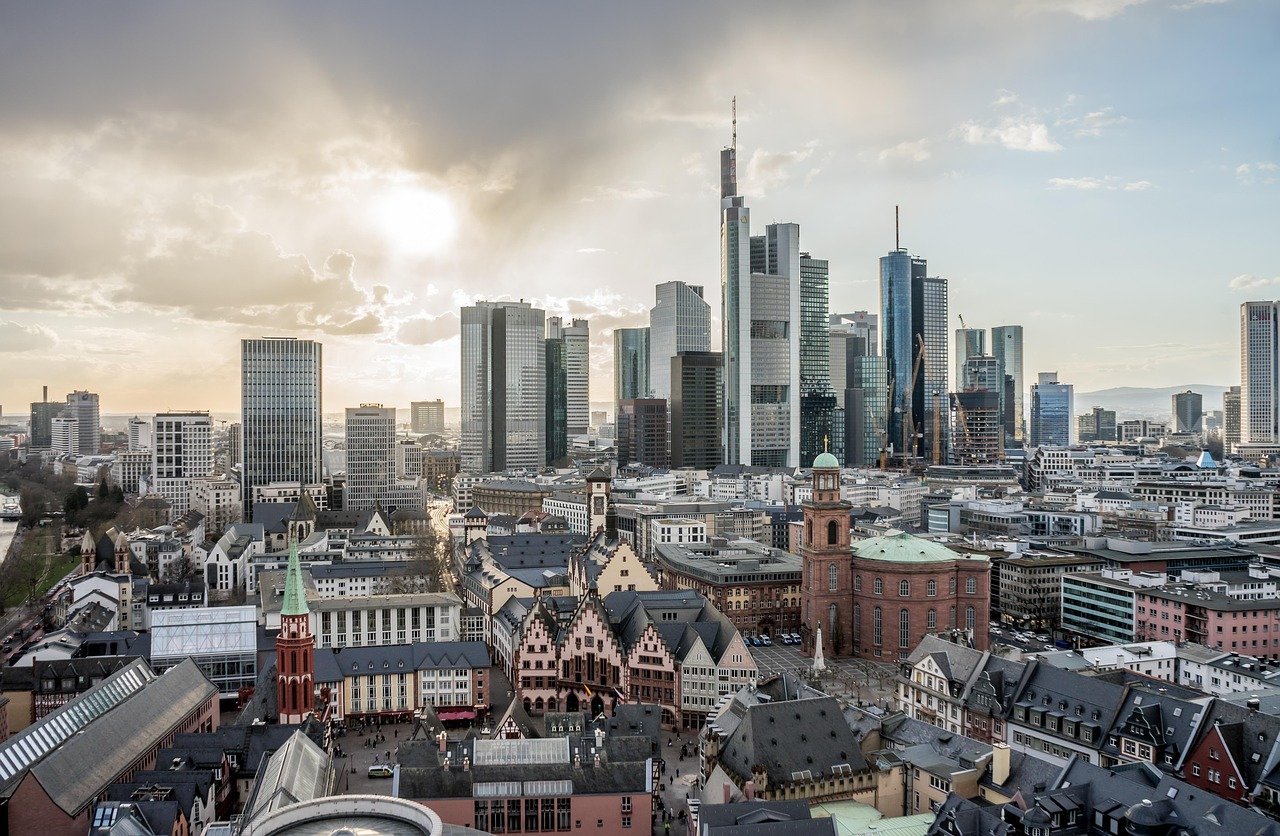
While offering world-class education, Germany maintains a relatively balanced cost of living compared to other major study destinations. Many cities provide affordable housing options, reasonable transportation costs, and accessible daily expenses for students.
Students are permitted to work part-time, helping them cover living costs and gain professional experience. Student housing, subsidized meals, and public services further reduce financial pressure.
Beyond affordability, Germany offers a high standard of living, including safety, healthcare, cultural activities, and access to nature. These factors contribute significantly to student well-being.
This balance between cost and quality makes studying in Germany both sustainable and enjoyable over the long term.

After graduation, international students have the opportunity to remain in Germany to seek employment. The country has a strong demand for qualified professionals across multiple sectors.
Graduates who secure employment can transition to long-term residence, making education a pathway to building a stable future in Europe. This creates a strong sense of continuity between education and career development.
Germany’s robust economy, combined with respect for academic qualifications, provides graduates with long-term professional security and growth opportunities.
For many international students, studying in Germany is not only an academic choice, but a strategic investment in a successful and sustainable future.