 11
11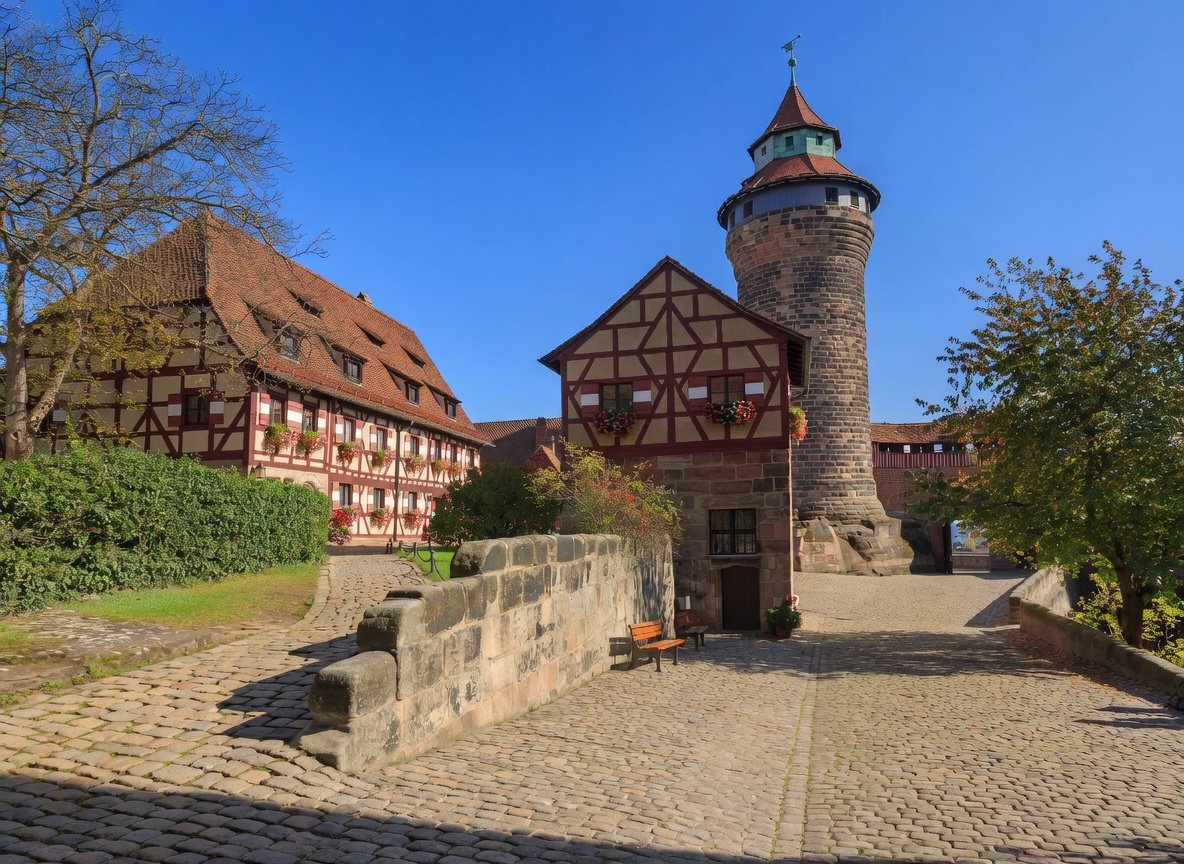
Nuremberg Castle, also known as the Imperial Castle of Nuremberg (Kaiserburg Nürnberg), stands as one of Germany’s most iconic medieval landmarks and the undisputed crown jewel of the city. Perched dramatically on a sandstone ridge overlooking the historic old town, this fortress has symbolized imperial power, resilience, and Franconian heritage for over a millennium. Whether you’re a history enthusiast tracing the footsteps of Holy Roman Emperors, a photographer chasing panoramic views, or a casual traveler seeking authentic Bavarian charm, a visit to Nuremberg Castle offers a perfect blend of grandeur, culture, and accessibility.
This comprehensive 3000-word guide (approximately) covers everything you need to plan, experience, and savor your visit. From its storied past to practical logistics, must-see spots, and local flavors, we’ll equip you with insider knowledge for a seamless, enriching trip. Expect detailed sections on history, architecture, transportation, tickets, attractions, gardens, tours, nearby sights, dining, tips, and why this site earns a perfect 10/10 as a must-visit destination.
✅ Also Read: Lübeck Travel Guide: The Queen of the Hanseatic League – A Complete Insider’s Guide
The story of Nuremberg Castle begins in the 11th century, with the first documented mention of a royal property in Nuremberg dating to 1050. Under the Salian and Hohenstaufen dynasties, the site evolved into a strategic imperial residence. Emperors like Frederick I Barbarossa and later Charles IV chose it as a key stop on their travels across the Holy Roman Empire. Between 1050 and 1571, virtually every emperor resided here, using it not just as a palace but as an administrative hub where the Imperial Diet (Reichstag) convened and laws like the Golden Bull of 1356 were proclaimed.
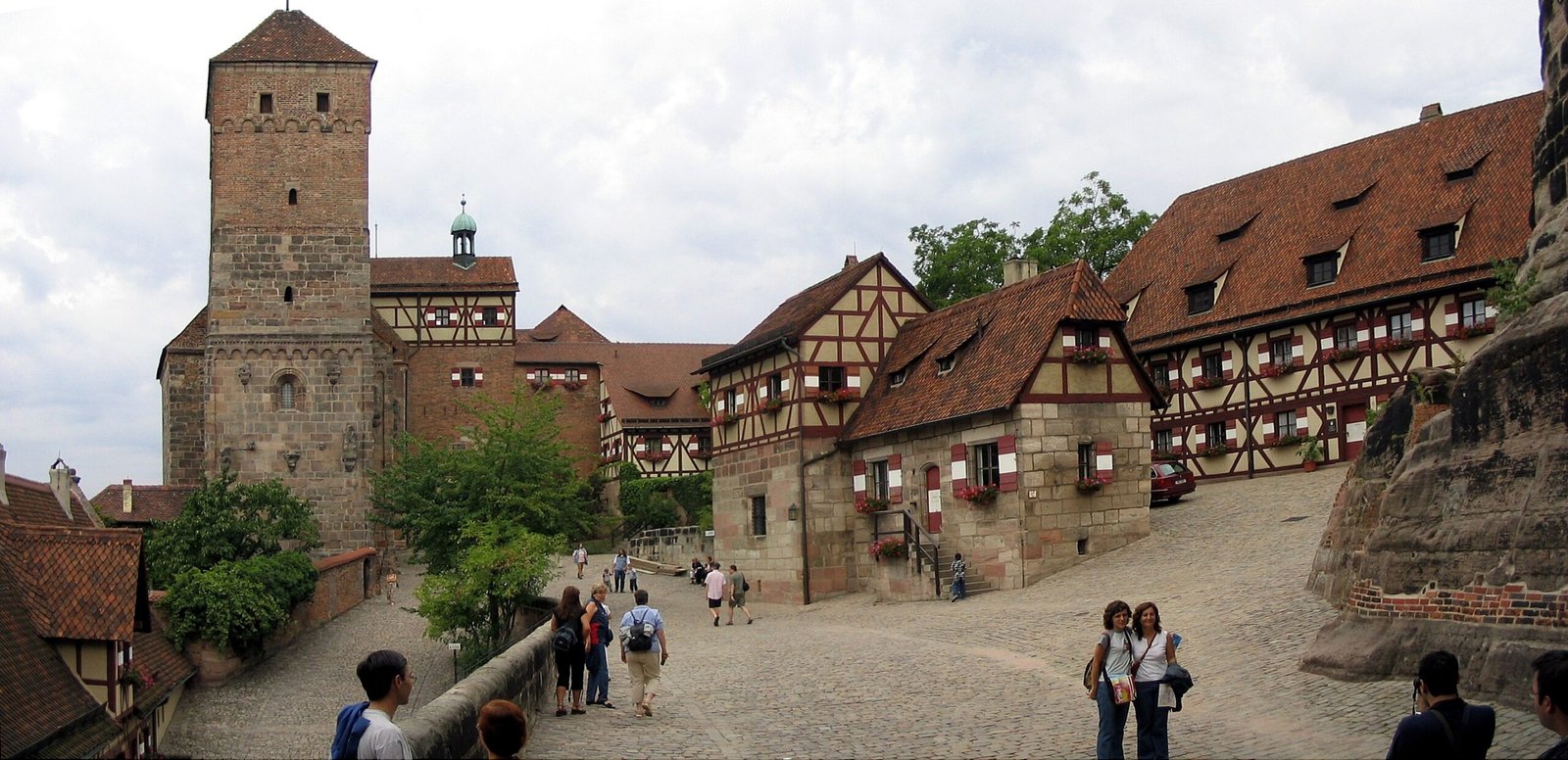
The castle’s development reflects layers of history: early fortifications on the rocky outcrop, expansions during the Hohenstaufen era (including the iconic Double Chapel), and later Renaissance additions by the Imperial City of Nuremberg. It survived fires, wars, and even partial destruction in World War II, only to be meticulously restored. Today, it embodies the city’s medieval glory and its role as a free imperial city. Exploring its halls feels like stepping through centuries of European power struggles, from feudal lords to the dawn of modern Germany.
This rich tapestry makes Nuremberg Castle more than ruins—it’s a living museum of empire-building, faith, and endurance. Visitors often note how its silhouette against the skyline evokes the same awe it inspired in medieval pilgrims and rulers alike.
Nuremberg Castle’s architecture is a masterclass in medieval engineering and evolving styles. Built atop a dramatic sandstone rock, the complex includes three main sections: the Imperial Castle (Kaiserburg), the Burgraves’ Castle remnants, and the city-built eastern fortifications. The standout Sinwell Tower (Sinwellturm), a round watchtower from the 13th century, offers 360-degree views after a steep climb—perfect for photos of the red-roofed old town below.
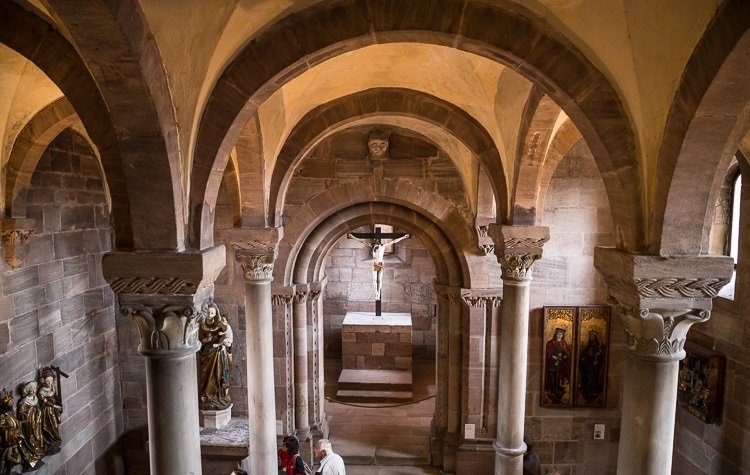
The Palas (main residential building) houses the Imperial Hall and Knight’s Hall, with their beamed ceilings and historical exhibits. Don’t miss the Double Chapel (Doppelkapelle), a Romanesque gem from the 12th century featuring two stacked levels: the upper for the emperor and the lower for servants, symbolizing social hierarchy even in worship. The Deep Well (Tiefer Brunnen), plunging 50 meters into the rock, highlights ingenious water engineering that ensured survival during sieges.
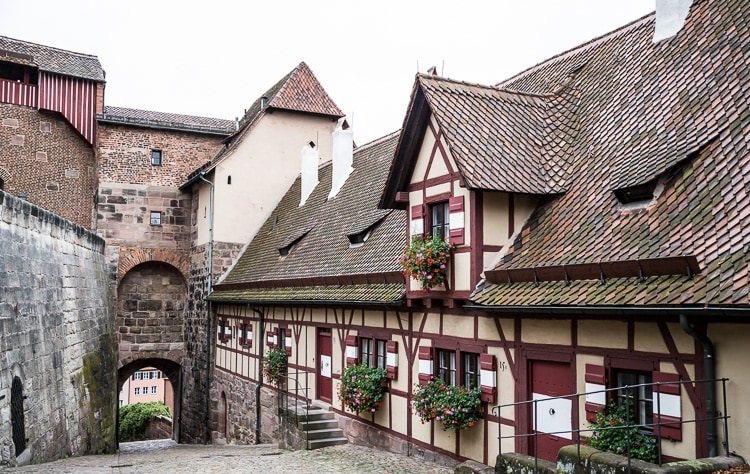
Restored post-1945 with sensitivity to original materials—sandstone, timber frames, and half-timbered outbuildings—the castle blends defensive walls, gardens, and elegant staterooms. Its UNESCO-influenced preservation (as part of Nuremberg’s historic ensemble) ensures every arch, tower, and courtyard tells a story of adaptation over time. Architecture buffs will appreciate the contrast between rugged fortifications and refined interiors.
Reaching Nuremberg Castle is straightforward thanks to its central location in Bavaria. From Nuremberg’s main train station (Nürnberg Hauptbahnhof), it’s a pleasant 20-25 minute walk uphill through the charming old town (Altstadt), passing half-timbered houses, shops, and the famous Frauenkirche. Follow signs for “Kaiserburg” or use GPS—the route is well-marked and scenic.
Public transport options include tram lines 4 or 6 to “Tiergartenstraße” or bus 36 to “Kaiserburg,” dropping you near the base. If driving, parking is available in nearby garages like the one at Frauentorgraben, but expect narrow streets and ZTL-like restrictions in the historic center. Taxis or rideshares from the airport (about 15 km away) take 20-30 minutes.
Cyclists love the dedicated paths along the Pegnitz River leading to the castle hill. For accessibility, note the steep cobblestone approaches; electric shuttles or taxis can assist those with mobility needs. Arrive early to beat crowds, especially in summer when the castle glows under Franconian sunshine.
As of 2026, the Imperial Castle operates under the Bavarian Palace Administration with clear, visitor-friendly policies. Opening hours are seasonal: April to September daily 9:00 AM–6:00 PM; October to March daily 10:00 AM–4:00 PM. Last entry is about 60 minutes before closing. The castle closes on January 1, Shrove Tuesday (variable, check calendar), and December 24, 25, and 31. The adjacent Burggarten gardens open April–October from 8:00 AM until dusk (around 8:00 PM) and close November–March.
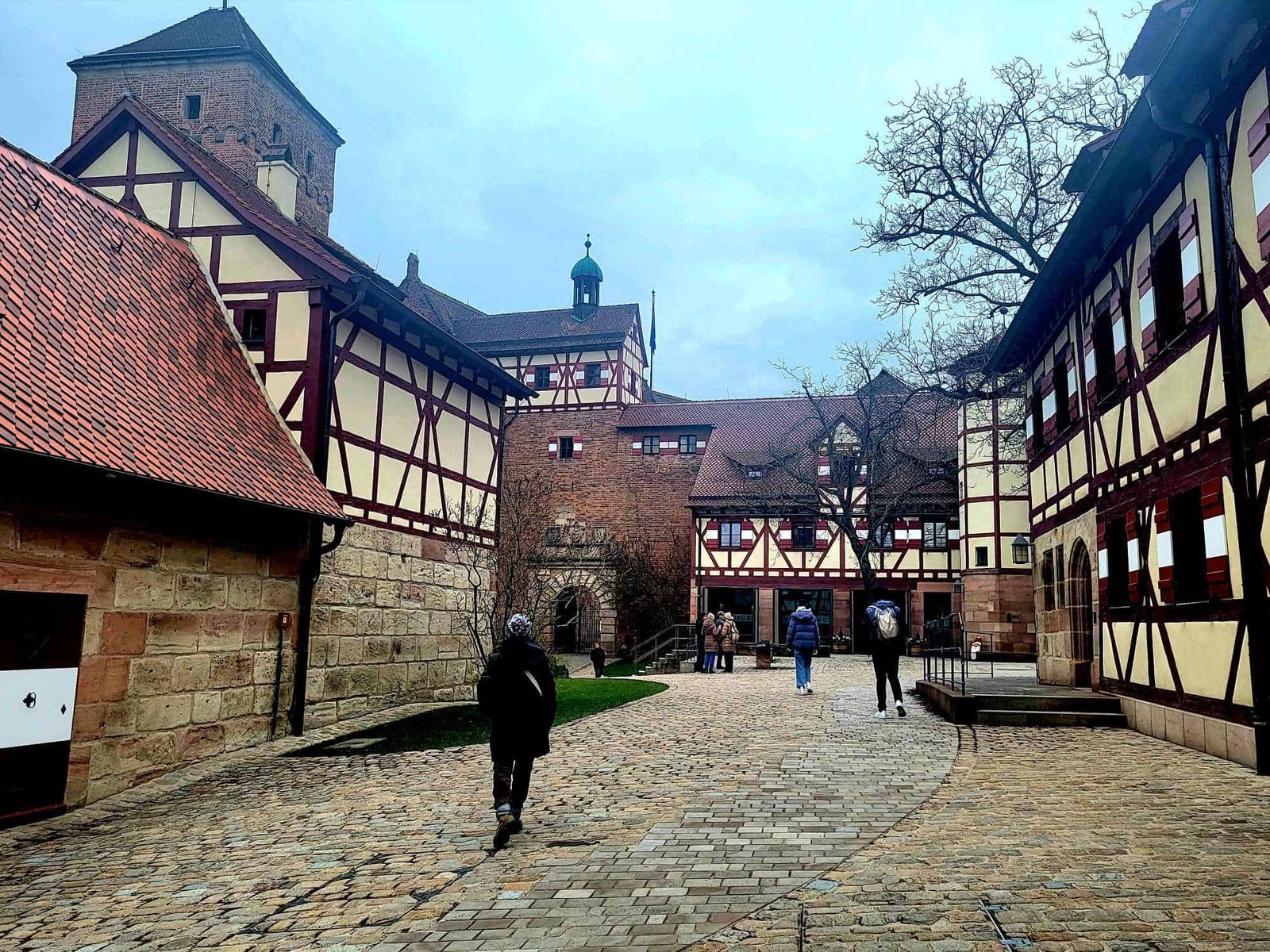
The recommended Combination Ticket costs €10 for adults (regular) or €9 reduced, covering the Palas with Double Chapel and Imperial Castle Museum, plus the Deep Well and Sinwell Tower. Children under 18 enter free. Tickets are purchased on-site at the outer courtyard cash desk (cash or card accepted—no online pre-booking for individual entry). Audio guides and multilingual signage enhance self-guided visits.
Accessibility features include ramps in select areas, elevators in the museum, and tactile aids for visually impaired guests. The site is largely pedestrian with some steep paths, so comfortable shoes are essential. Free Wi-Fi is limited, but downloadable maps via the official app or site make navigation easy.
Your exploration begins in the outer courtyards before entering the Palas. Highlights include the Imperial Chapel’s Double Chapel, where light filters through Romanesque arches onto altars and crucifixes—a serene space echoing imperial prayers. The Knight’s Hall (Rittersaal) and Imperial Hall (Kaisersaal) host temporary exhibits on medieval life, armor, and regalia.
Climb the Sinwell Tower for breathtaking vistas or descend the Deep Well for engineering insights. The Imperial Castle Museum displays artifacts like coins, weapons, and royal furnishings, bringing the emperors’ daily lives to vivid reality. Interactive elements and short films cater to all ages. Allow 1.5–3 hours for a thorough visit; families appreciate the open spaces for kids to roam safely. Every corner reveals frescoes, timber details, or views that transport you to the Holy Roman Empire’s heyday.
The Burggarten (Castle Gardens) transforms a visit into a romantic escape. Blooming from April to October with roses, herbs, and manicured lawns, these terraced spaces offer shaded benches and unbeatable panoramas over Nuremberg’s red-tiled rooftops and the Pegnitz River. The Maria Sibylla Merian Garden nearby focuses on botanical history with seasonal hours.
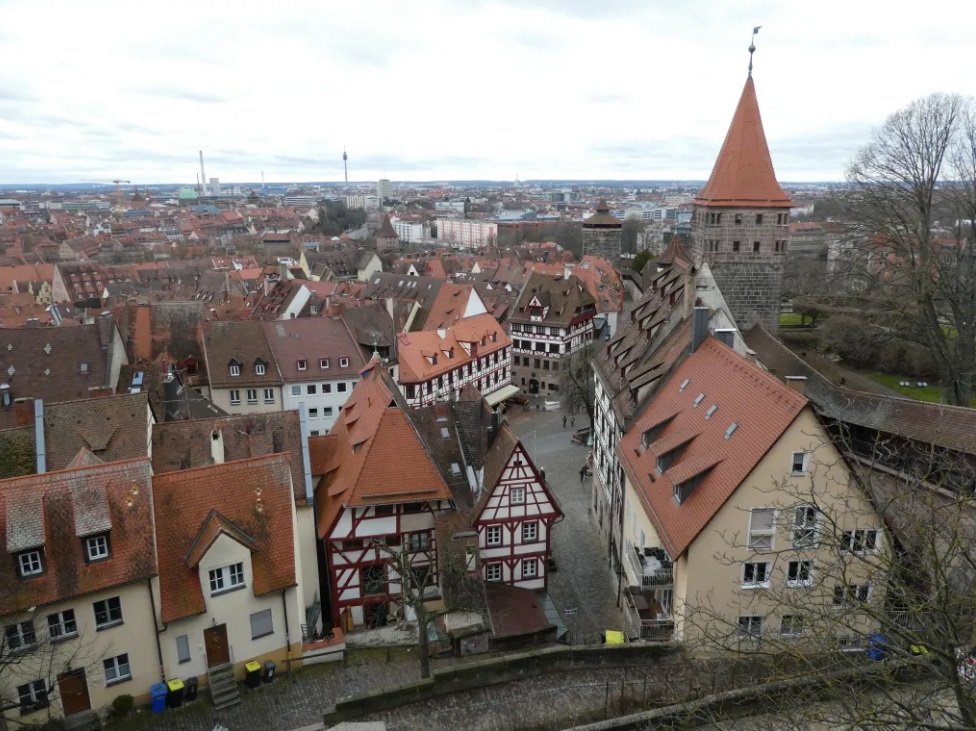
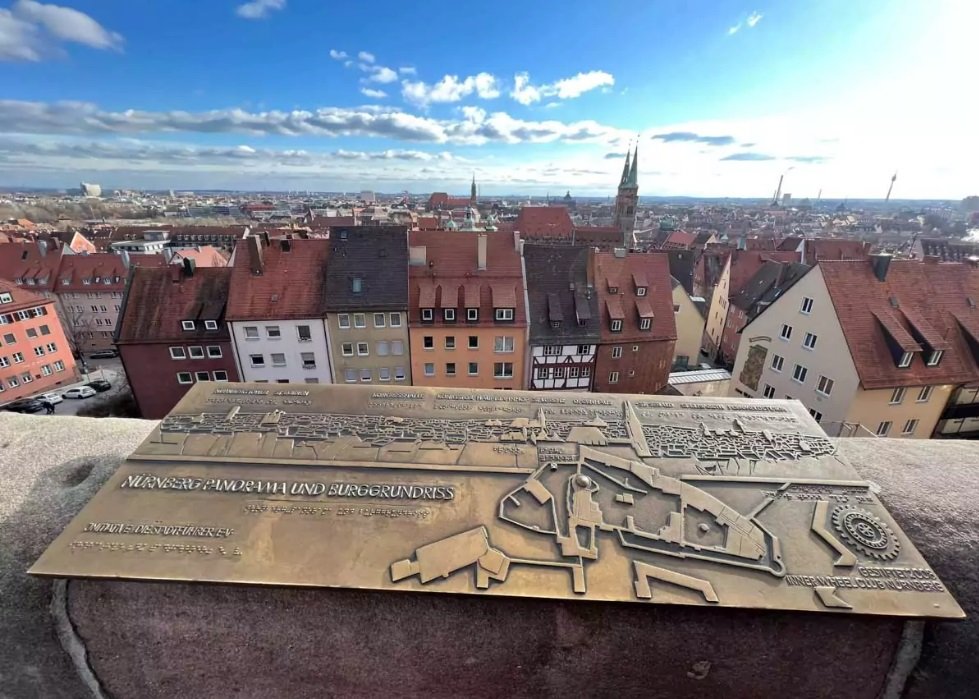
Stroll the walls for sunset views or picnic under ancient trees (respect no-alcohol rules). In spring, flowers frame the castle silhouette; autumn brings golden foliage. These green spaces provide a peaceful counterpoint to the stone interiors, ideal for reflection or photography. Wheelchair-accessible paths exist in parts, making it inclusive. Don’t miss the overlook plaques mapping the historic city layout below.
To unlock deeper stories, join a guided tour. Official options cover history, architecture, and legends in English and German. For a premium, hassle-free experience including entrance tickets, consider booking through trusted platforms.
Book your guided Nuremberg Castle and Old Town Tour (with entrance tickets and local beer tasting) here on GetYourGuide: https://www.getyourguide.com/nuremberg-l127/nuremberg-castle-and-old-town-tour-incl-entrance-tickets-and-red-beer-tasting-t982081/
Special events like evening illuminations, medieval markets, or Christmas-themed tours (aligning with Nuremberg’s famous Christkindlesmarkt) elevate visits. Audio guides suit independent explorers. Tours typically last 1–2 hours and run multiple times daily—reserve in advance during peak seasons. This is the single GetYourGuide link recommended for seamless booking.
The castle is the gateway to Nuremberg’s Altstadt. Just downhill lies Albrecht Dürer’s House (Dürer-Haus), the Renaissance home of the famous artist, with interactive exhibits. Wander to the Hauptmarkt for the Frauenkirche and daily markets, or the underground bunkers (Felsengänge) for WWII history.
Other gems include the German National Museum (Germanisches Nationalmuseum) with its vast collections and the Toy Museum for families. The old city walls and towers provide a full medieval circuit. A 10–15 minute walk connects everything, making the castle the perfect starting point for a day of discovery.
No visit is complete without Franconian cuisine. Near the castle, try authentic Nuremberg sausages (Nürnberger Bratwürste)—small, spiced, and served three to a roll with sauerkraut or potato salad. Restaurants like those in the Burgviertel offer hearty plates with local beer.
For upscale, head to spots overlooking the gardens with regional wines. Cafés serve coffee and pastries with castle views. Vegan and gluten-free options have grown, but classics dominate. Budget €10–20 per person for a satisfying meal. Pair it with a Radler (beer-lemonade) for refreshment after climbing.
Wear sturdy shoes for cobblestones and hills. Visit weekdays or early mornings to avoid crowds. Download the official Bavarian Palaces app for maps. Photography is encouraged outdoors but restricted indoors in some exhibits—check signs. Weather in Nuremberg can shift quickly, so layer up and bring a light rain jacket.
Respect quiet zones in chapels and stay hydrated (water fountains available). For families, stroller-friendly paths are limited uphill. Budget 2–4 hours total, including gardens. Combine with a city card for discounts on transport and museums. Leave time for souvenirs like castle-themed postcards or local gingerbread.
Nuremberg Castle isn’t just a site—it’s an immersive journey through time, offering history, beauty, and Bavarian soul in one unforgettable package. Its strategic location, preserved grandeur, and seamless visitor experience make it a standout in Europe. Whether solo, with family, or in a group, you’ll leave inspired by its legacy and the vibrant city it crowns. Plan your trip now; this imperial treasure awaits with open gates and endless stories. Safe travels and enjoy every panoramic moment!