 11
11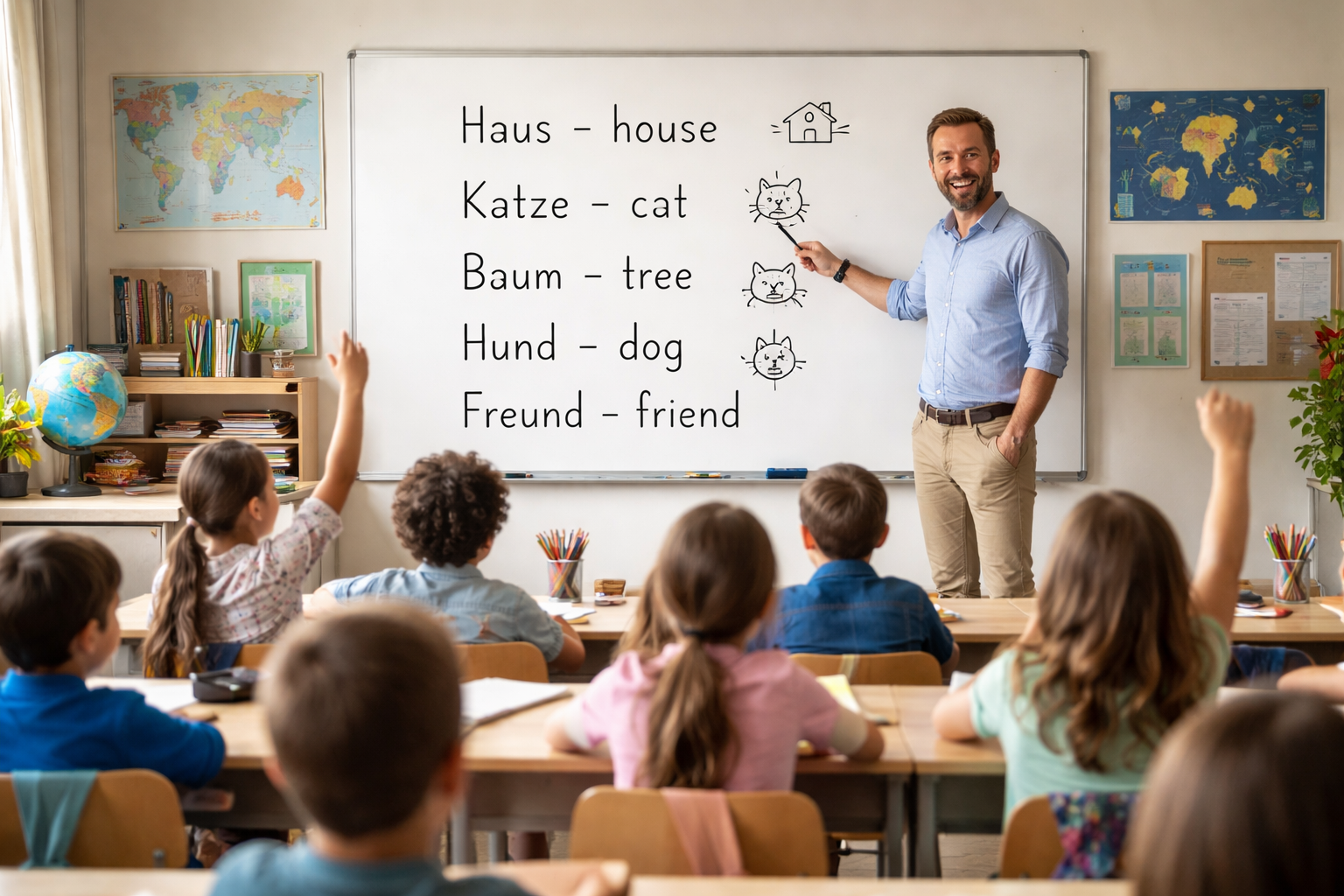
Germany ranked fourth in the world on the EF English Proficiency Index with a score of 615 — “Very High Proficiency.” Only the Netherlands, Croatia, and Austria scored higher. This places Germany ahead of traditional English-speaking powerhouses like Singapore, Sweden, and Denmark in non-native proficiency. For a nation whose native language is not English, this level of mastery is remarkable. Germans don’t just “speak English” — they dominate it in business meetings, academic conferences, global negotiations, and everyday digital life.
How did this happen? It wasn’t luck. It was the result of deliberate historical choices, a world-class education system, economic necessity, cultural exposure, and a pragmatic national mindset. This article explores exactly why Germans have become some of the world’s best non-native English speakers — and what the rest of the world can learn from them.
✅ Also Read: Dirndl and Lederhosen: The “German” Outfit That Is, in Reality, 100% Bavarian!
The story begins in the ashes of World War II. In 1945, Germany lay in ruins, divided into occupation zones. The Western Allies — especially the United States and Britain — made English the language of administration, re-education, and reconstruction. American military bases, Hollywood films, and the Marshall Plan flooded West Germany with English-language content.
English became the first foreign language in West German schools by the late 1940s. In East Germany, Russian was prioritized, but after reunification in 1990, the entire country standardized on English. British and American re-education policies deliberately promoted English to foster democracy and integration with the West. By the 1950s, English was compulsory in secondary schools across West Germany.

This wasn’t cultural imperialism alone; Germans embraced it pragmatically. The Wirtschaftswunder (economic miracle) required exporting cars, machines, and chemicals to English-speaking markets. Engineers at Siemens and Volkswagen quickly realized that speaking English directly with American buyers was faster and more profitable than relying on translators. The foundation was laid: English was no longer a luxury — it was survival.
Germany’s education system is the single biggest driver of English mastery. English is mandatory from third grade (age 8–9) in most federal states, and many primary schools introduce it even earlier through playful programs. By the time students reach Gymnasium (the academic high-school track), they have had 6–8 years of intensive English instruction.
The curriculum emphasizes grammar, vocabulary, and real-world communication. German schools pioneered the “direct method” of language teaching in the 19th century, and modern lessons combine it with immersive activities: debates, presentations, and projects entirely in English. Students read Shakespeare, watch TED Talks, and analyze American news articles.
At university level, the transformation is even more striking. According to the DAAD (German Academic Exchange Service) 2025 data, German universities now offer nearly 2,400 English-taught degree programs — 420 bachelor’s and 1,930 master’s. That’s roughly 18% of all master’s programs nationwide. Institutions like TU Munich, Heidelberg, and RWTH Aachen run entire faculties in English. International student enrollment exceeded 420,000 in the 2025/26 academic year, creating a truly bilingual campus environment.
German students don’t just study English — they live it. Exchange programs (Erasmus+), mandatory internships with multinational companies, and dual-degree partnerships with universities in the US, UK, and Australia ensure constant practice. The result? A 2025 EF EPI survey showed that 56% of Germans aged 18–25 achieve “fluent” or “proficient” levels, far above the European average.
Germany is the world’s third-largest exporter, shipping €1.57 trillion in goods in 2025. More than 40% of its GDP depends on foreign trade. In this environment, English is not optional — it is the default operating system.
Companies like SAP, Siemens, BMW, Bosch, and Deutsche Telekom have made English their official corporate language. Board meetings, R&D reports, global emails, and supplier negotiations happen in English. A 2022 Labour Economics study using German Socio-Economic Panel data found that workers with fluent English earn a 13% wage premium on average. Each additional proficiency level adds another 11%.
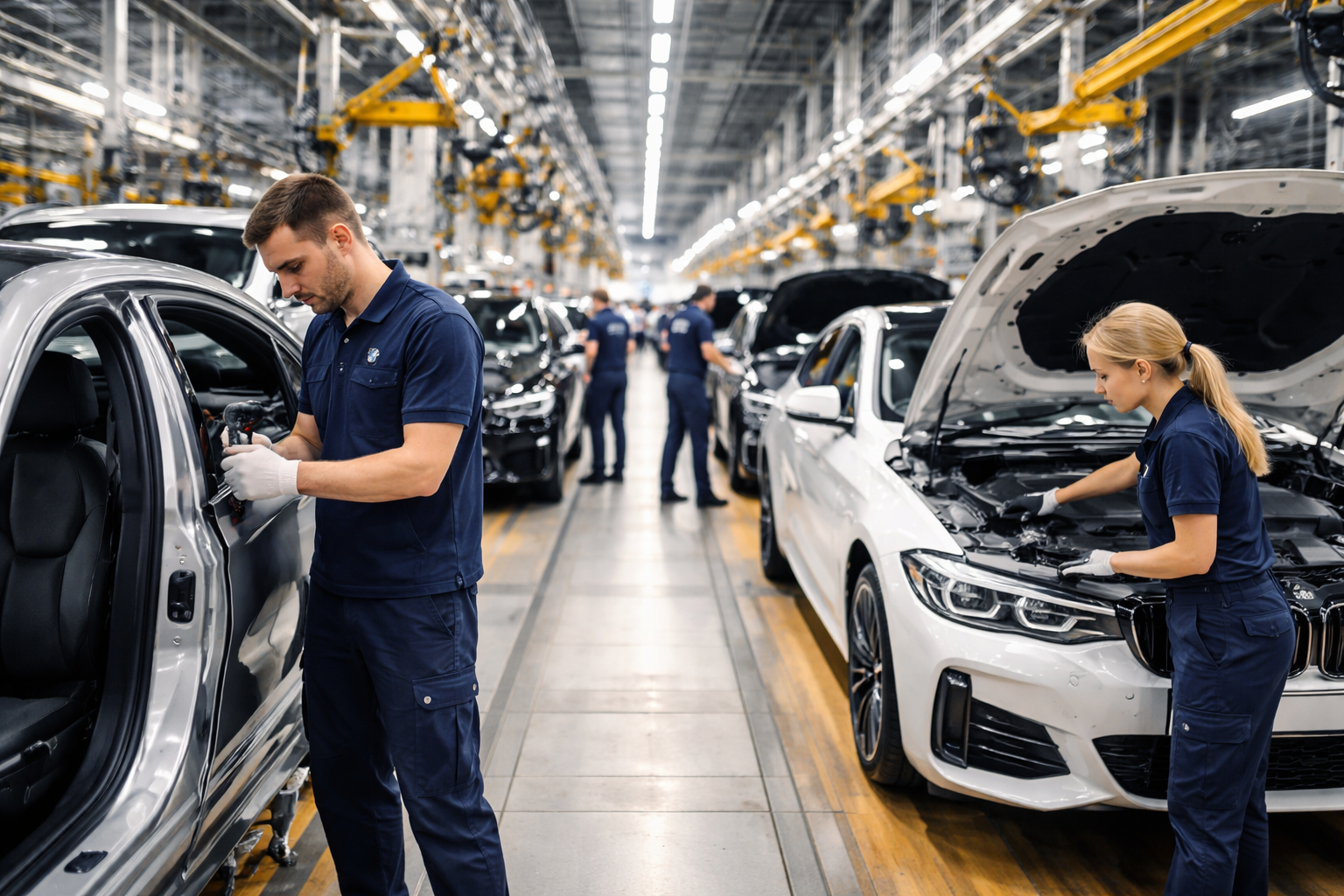
For Mittelstand companies (family-owned SMEs that form the backbone of German industry), English opens doors to markets in Asia, the Americas, and the Middle East. A German machine-tool maker negotiating in China or Brazil doesn’t switch to German — everyone defaults to English. This economic pressure creates a virtuous cycle: companies demand English, schools supply it, and young professionals compete on it.
Germans consume English content voraciously. Hollywood dominates cinemas and streaming platforms. Netflix, YouTube, and TikTok are primary sources of English for teenagers. A 15-year-old German babysitter in Berlin might watch English TikToks for hours daily, absorbing slang, idioms, and pronunciation naturally.
Music, gaming, and social media reinforce this. German youth grow up listening to Taylor Swift, playing English-language video games, and scrolling English memes. Unlike many countries that dub foreign content, Germany often subtitles or leaves original audio intact, especially on public broadcasters like ARD and ZDF.

The internet itself is overwhelmingly English. German professionals read The Economist, Harvard Business Review, and technical documentation in the original language. This constant passive exposure — combined with active school training — produces the distinctive German accent that is clear, precise, and easy to understand globally.
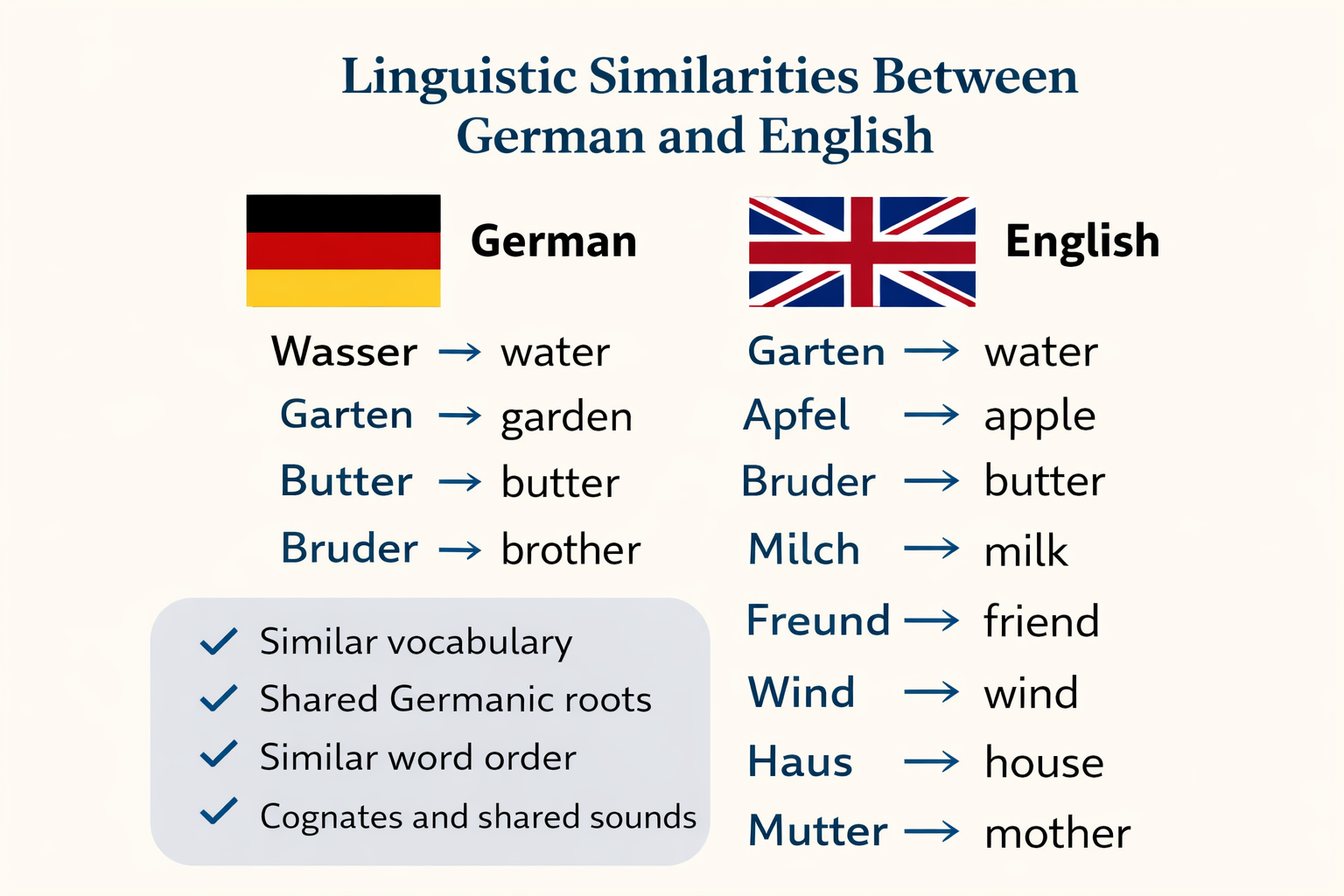
English and German are both West Germanic languages. They share 60% of their vocabulary roots and remarkably similar sentence structures (subject-verb-object in main clauses, verb-second word order). Germans find English grammar intuitive once they overcome the initial differences in articles and word order.
Culturally, Germans are pragmatic and goal-oriented. Learning English is seen as a practical skill, not a threat to national identity. There is little of the linguistic defensiveness found in France or parts of Southern Europe. Germans accept anglicisms (“Homeoffice,” “Meeting,” “Startup”) without panic because they view language as a tool, not a sacred monument.
Moreover, Germany’s emphasis on precision and clarity aligns perfectly with professional English. Germans avoid flowery language and focus on facts — exactly the style valued in global business English.
Comparisons are revealing. France (EF score ~550) and Italy (~520) lag significantly despite similar wealth. Southern European countries often treat English as optional; Germany treats it as essential infrastructure.
Not every German is fluent. Rural areas and older generations (over 60) show lower proficiency. Some conservatives complain about “anglicization” eroding German culture. Universities debate whether too many English programs sideline the German language in academic publishing.
Yet surveys consistently show that most Germans view English as an asset, not a threat. The balance — English for business and global affairs, German for daily life and culture — works exceptionally well.
With artificial intelligence and remote work, English proficiency will only grow in importance. Germany is already expanding English-medium instruction; 46% of universities plan further growth in the next 12 months (DAAD 2026 snapshot). As Industry 4.0, green tech, and AI become global battlegrounds, Germany’s linguistic edge will remain a competitive advantage.
Germans dominate English because they decided, decades ago, that it was a non-negotiable tool for survival and success. From Allied occupation to modern export economy, from school curricula to corporate boardrooms, every layer of German society reinforces English mastery. The result is not just high test scores — it is tangible economic power, innovation leadership, and global influence.
For emerging economies like Brazil, India, or Indonesia, the German model offers a blueprint: make English compulsory early, tie it to economic goals, immerse students in real content, and treat language as infrastructure, not decoration. Germany proves that a nation does not need to abandon its own language to master another. It simply needs vision, consistency, and pragmatism.
In a world where English remains the language of business, science, and technology, Germany’s approach is not just smart — it is world-class. The “locomotive of Europe” speaks English fluently for a reason: because it knows that mastering the world’s language is how you stay ahead in the global race.




One thought on “English in Germany: Why Do Germans Master the Language So Well?”