 11
11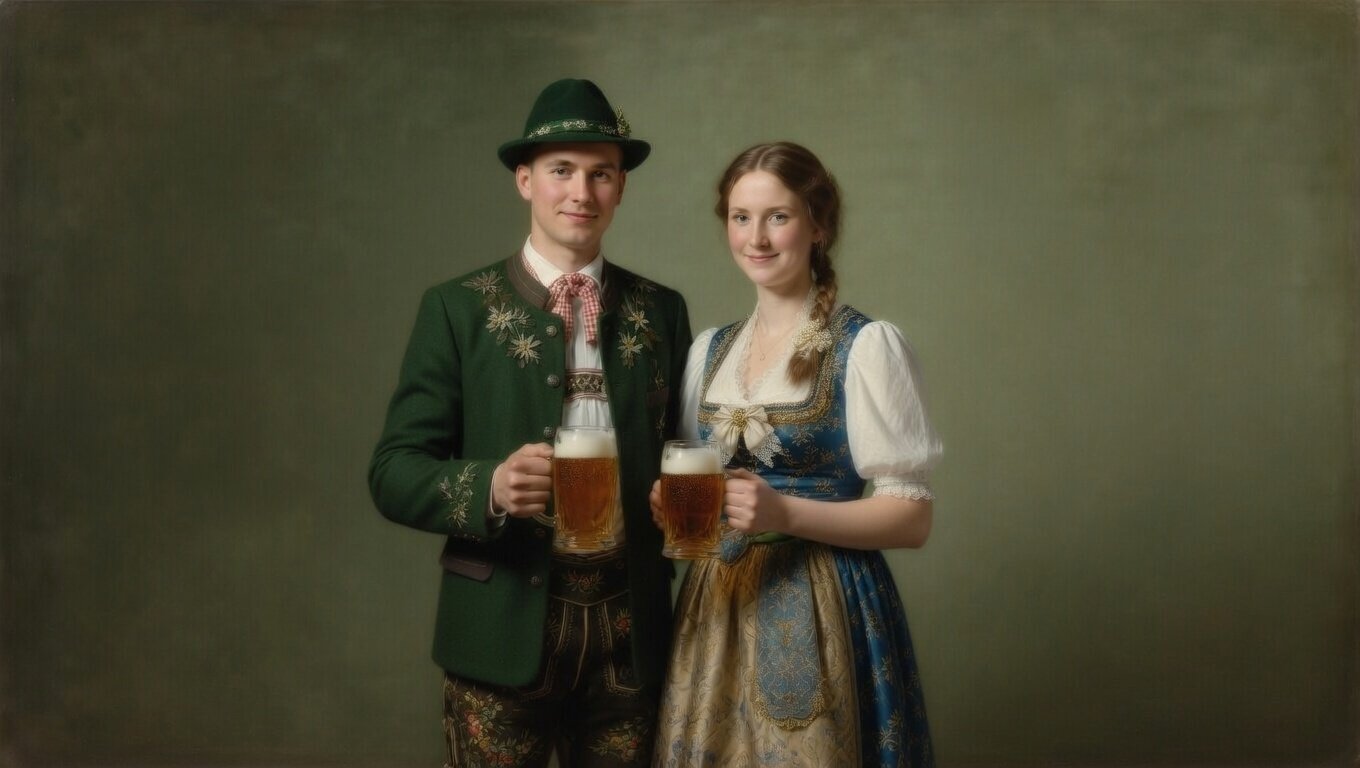
When people think about the culture of Germany, one of the first images that comes to mind is the traditional clothing of Bavaria. The lederhosen, worn by men, and the dirndl, the traditional women’s dress, have become cultural symbols recognized around the world.
These outfits frequently appear at festivals, cultural events, and especially during the famous Oktoberfest, held every year in Munich. However, the origin of these garments is much simpler than many people imagine.
In fact, the Bavarian costume was born among peasants and rural workers who needed practical and durable clothing to face the daily work in the fields. Over the centuries, these garments evolved from simple work clothes into cultural icons of Germany.
✅Read also: Top 10 Reasons Why Everyone Wants to Live in Bavaria
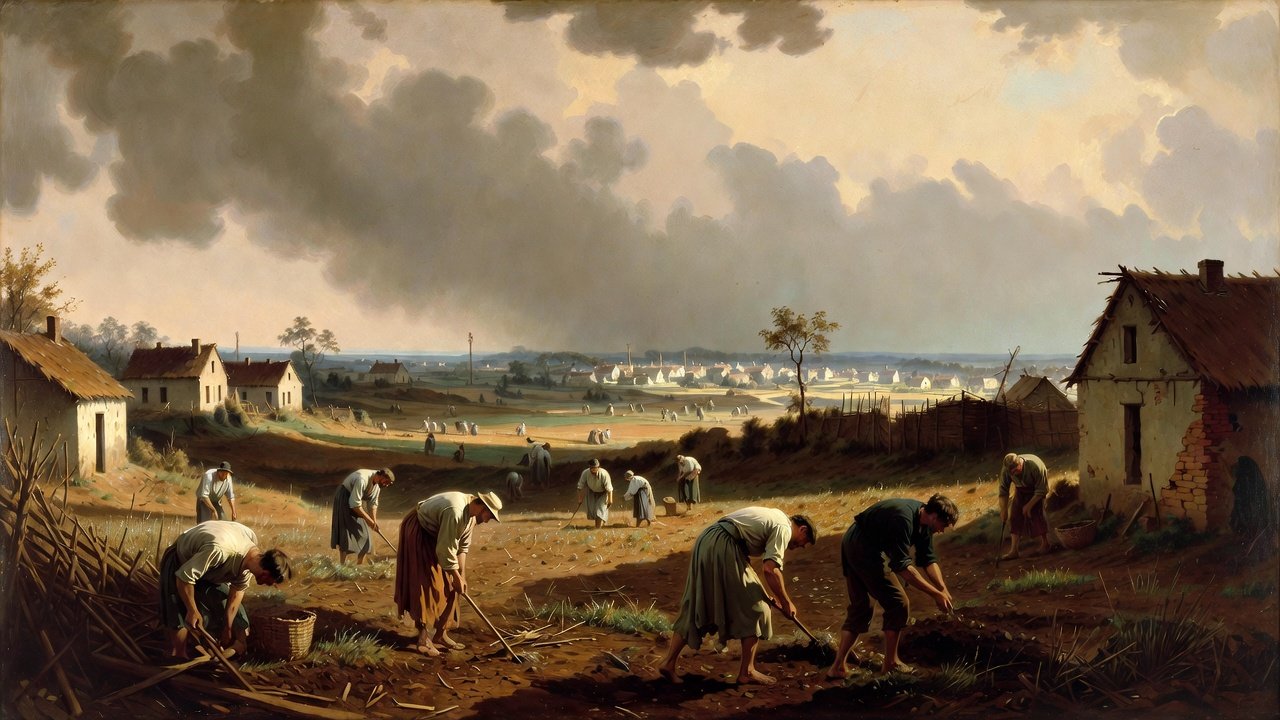
During the 18th and 19th centuries, much of the population of Bavaria lived in rural areas. The region’s economy was mainly based on agriculture, livestock farming, and small artisan activities.
In this context, clothing needed to serve very practical purposes:
It was in this environment that two fundamental pieces of Bavarian culture emerged.
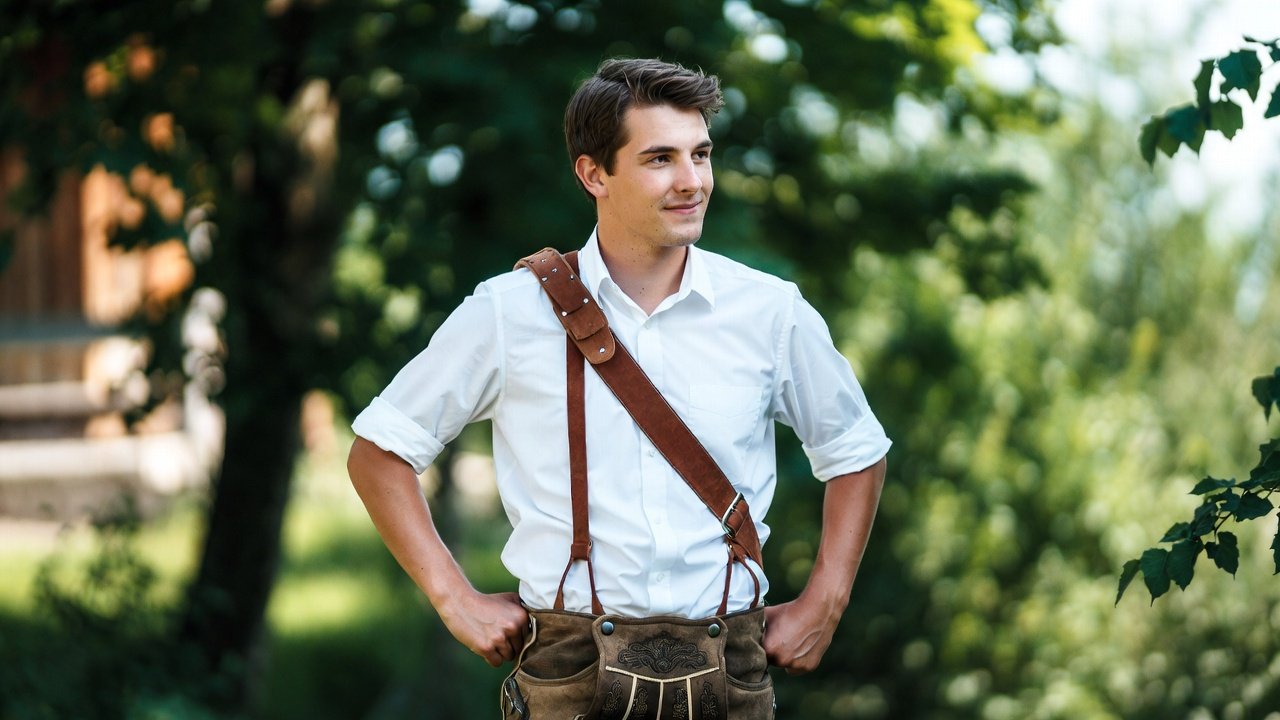
Lederhosen literally means “leather trousers” in German. This garment was mainly worn by men working in agriculture, hunting, and other rural activities.
Leather was the ideal material because:
With constant use, the leather gradually molded to the body, making the garment even more comfortable. For this reason, many workers used the same pair for years.
Over time, lederhosen began to include decorative embroidery, transforming a simple piece of clothing into a traditional outfit.
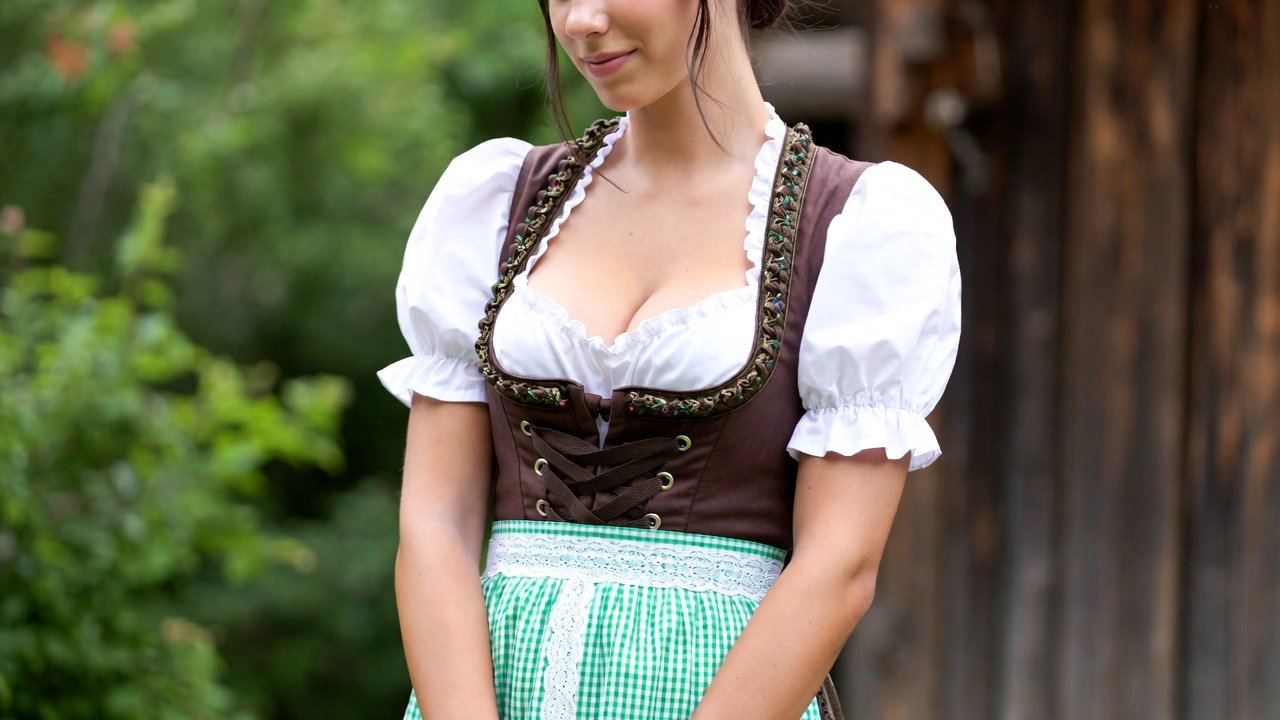
The dirndl originated as work clothing worn by peasant women and domestic workers.
The traditional outfit includes:
This combination was practical and comfortable for everyday activities such as cooking, managing the household, and working in the fields.
At first, the dirndl was seen only as simple workwear, but its cultural importance grew over time.
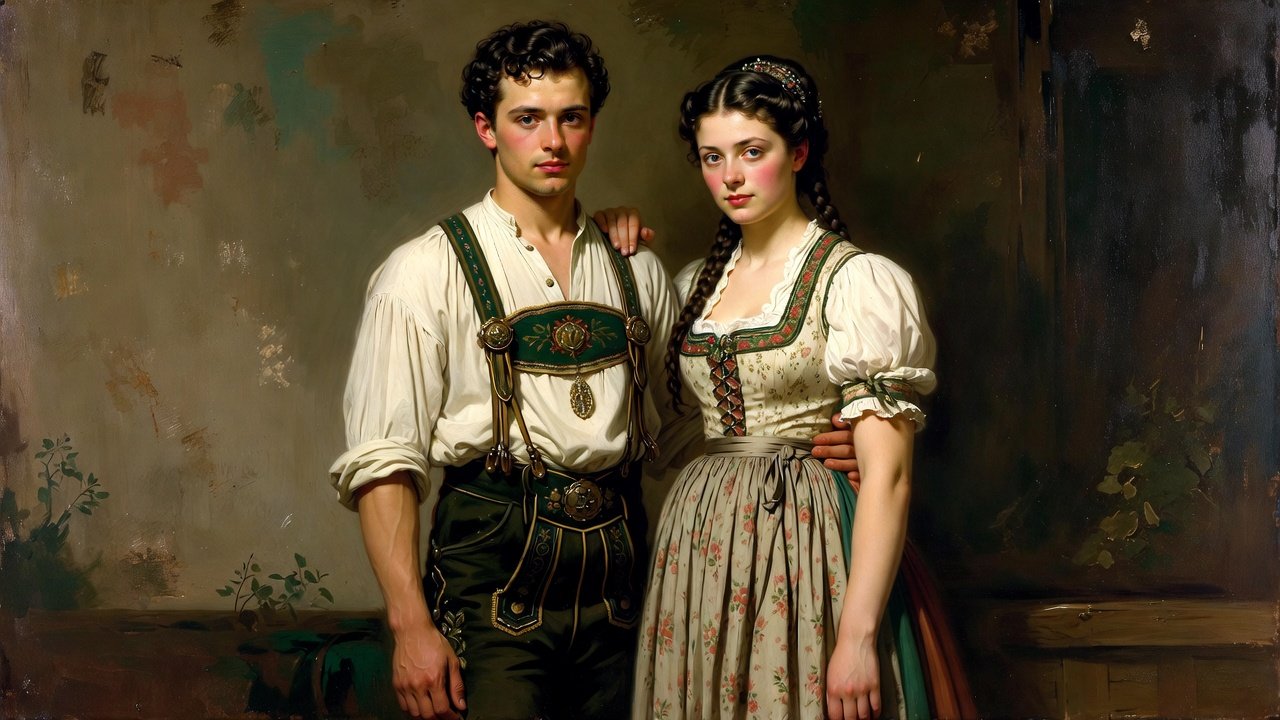
In the 19th century, Germany began to undergo major changes with the advance of industrialization. Many people left rural areas and moved to cities.
During this period, a movement emerged that sought to preserve regional traditions. Members of the aristocracy, including King Ludwig II of Bavaria, encouraged the use of traditional clothing as a way to promote the cultural identity of the region.
As a result, what was once considered peasant clothing became a symbol of cultural pride and Bavarian tradition.
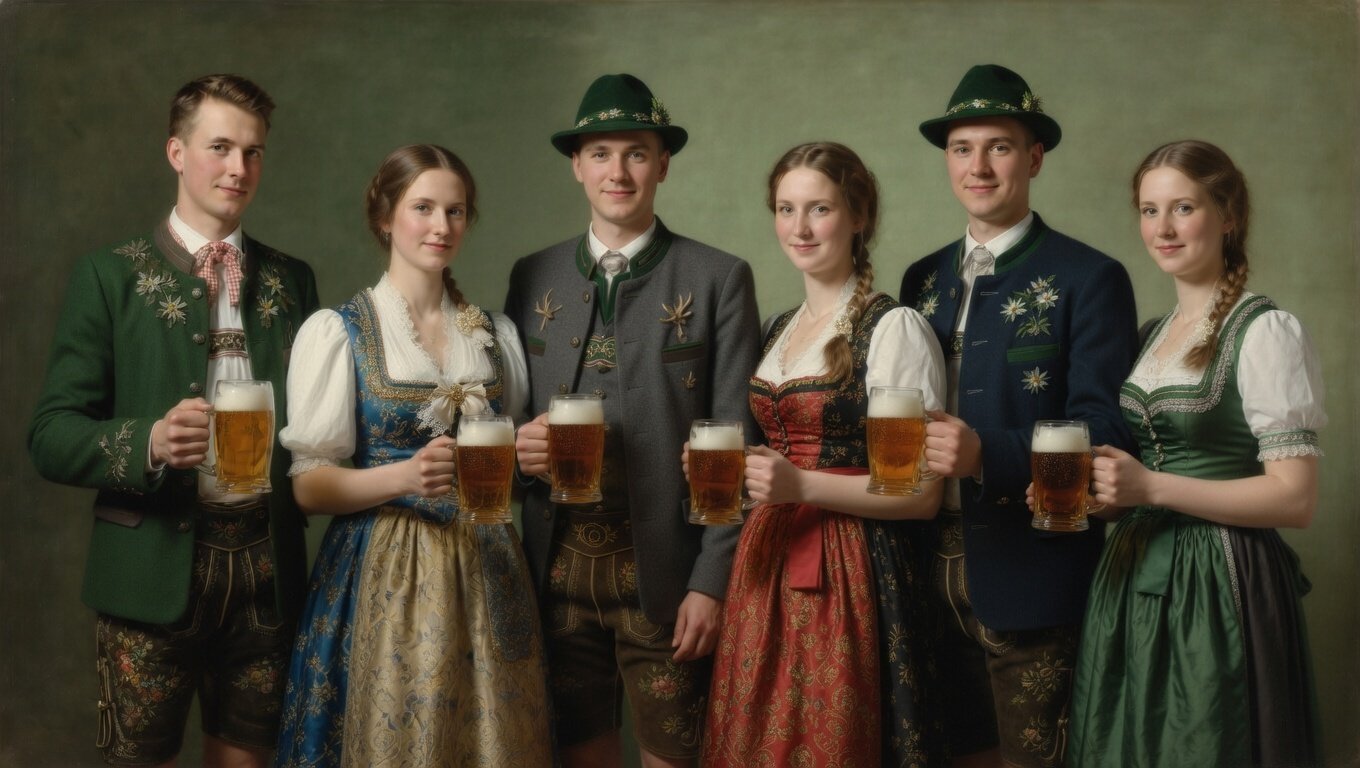
Another important factor in preserving Bavarian costume was the emergence of associations called Trachtenvereine.
These organizations aimed to preserve local traditions, including:
Thanks to these associations, many details of the traditional costumes of Bavaria have been preserved to this day.
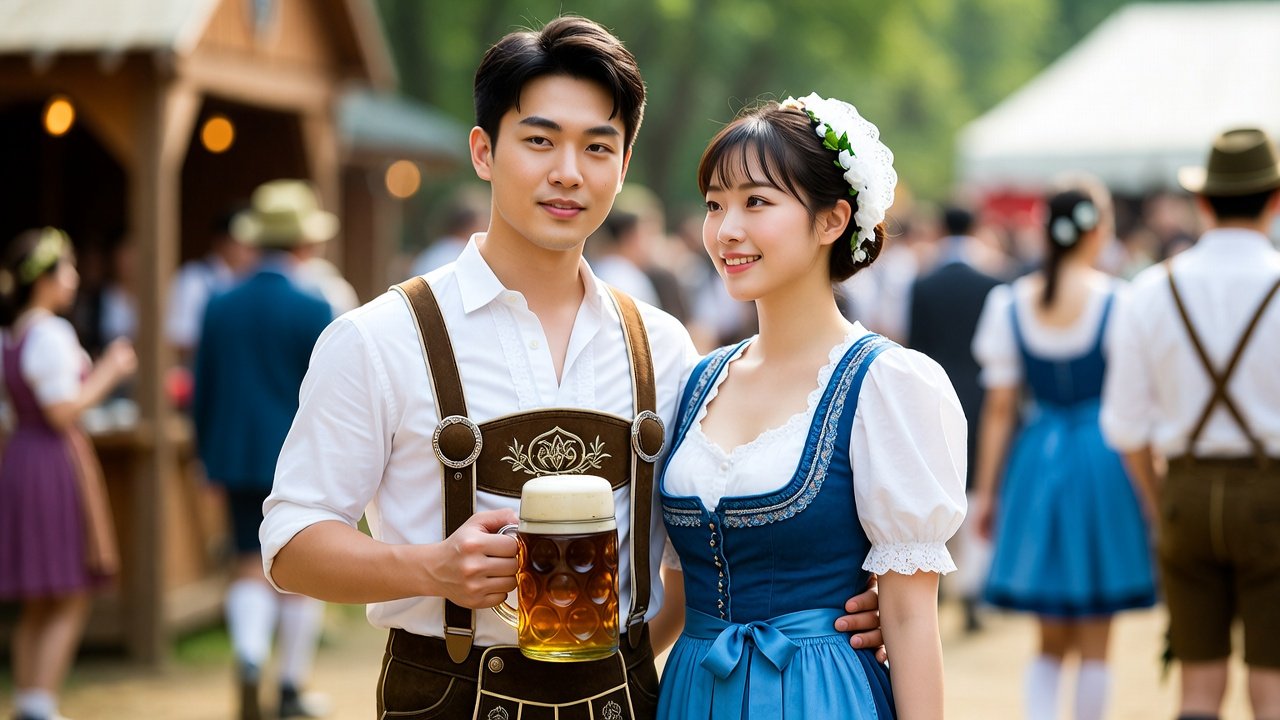
The international fame of Bavarian costume grew enormously thanks to Oktoberfest.
The festival began in 1810 to celebrate the marriage of Prince Ludwig I of Bavaria. Over time, the event became the largest beer festival in the world.
Every year, millions of tourists visit Munich to take part in the celebration. During the event, wearing lederhosen or dirndl has become part of the cultural experience.
This helped establish Bavarian costume as a global symbol of the culture of Germany.
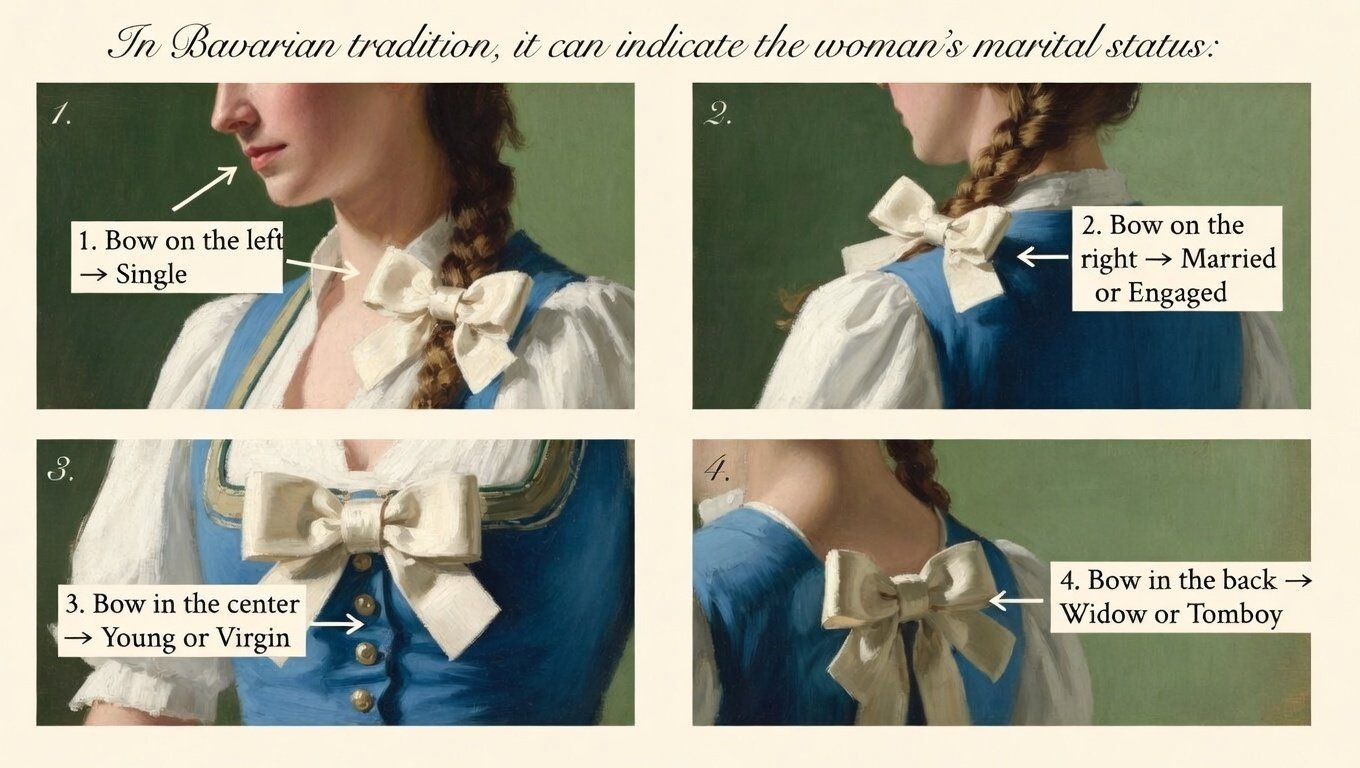
One interesting detail about the dirndl is the position of the apron bow.
In Bavarian tradition, it can indicate a woman’s marital status:
This small detail functioned as a form of social communication in rural communities.
The traditional costume of Bavaria has several fascinating facts.
1️⃣ Lederhosen can last for decades
When properly cared for, they can be worn for many years.
2️⃣ The dirndl was once a work uniform
It was originally worn by domestic workers and peasant women.
3️⃣ There are regional variations
Different areas of Bavaria have their own costume styles.
4️⃣ Some families pass their outfits down through generations
This reinforces the cultural value of these garments.
5️⃣ Tourists from around the world wear them at Oktoberfest
During the festival in Munich, visitors from many countries dress in traditional clothing.
Today, the traditional costume of Bavaria is still worn on many occasions:
In addition, Bavarian costume has become an important part of cultural tourism in Germany.
Even in a modern society, these clothes continue to represent history, tradition, and cultural identity.
Bavarian costume is a fascinating example of how simple elements of everyday life can become lasting cultural symbols.
What began as practical clothing used by peasants in Bavaria eventually became a tradition celebrated around the world.
Today, millions of people associate lederhosen and dirndl with the culture of Germany, especially during events like Oktoberfest in Munich.
These garments remain a living symbol of the rich history and traditions of Bavaria.
What is Bavarian costume?
It refers to the traditional clothing of Bavaria, including the dirndl and lederhosen.
What does lederhosen mean?
It literally means “leather trousers” in German and was originally worn by rural workers.
Is Bavarian costume still used today?
Yes. It is worn at festivals, cultural events, and traditional celebrations.
Why do people wear Bavarian costumes at Oktoberfest?
Because the festival celebrates Bavarian culture, and traditional clothing is part of that heritage.