 11
11 Germany boasts one of the world’s most efficient, extensive, and punctual railway networks, operated primarily by Deutsche Bahn (DB), the national railway company. With over 33,000 kilometers of track, the system connects bustling metropolises like Berlin, Munich, Hamburg, and Frankfurt to quaint villages and everything in between. At the heart of this network are distinct train categories designed for different travel needs: the high-speed InterCity Express (ICE) for long-distance journeys, the reliable InterCity (IC) for inter-regional travel, the practical Regional Express (RE) for medium-distance regional connections, and the indispensable S-Bahn for urban and suburban commuting.
This article delves deeply into each type, exploring their history, technical specifications, routes, onboard experience, ticketing, integration with the broader system, advantages, challenges, and role in Germany’s sustainable transport future. Whether you’re a tourist planning a cross-country adventure, a commuter navigating daily life, or a rail enthusiast, understanding these trains unlocks the best of German rail travel. By the end, you’ll appreciate why Germany’s railways exemplify engineering precision, environmental consciousness, and passenger-focused design.
✅ Also Read: Autobahn Secrets: 10 Driving Mistakes That Could Cost Your Life
Germany’s love affair with trains dates back to the 19th century. The first railway line opened in 1835 between Nuremberg and Fürth, sparking rapid industrialization. Post-World War II, the divided nation developed separate systems: Deutsche Bundesbahn in the West and Deutsche Reichsbahn in the East. Reunification in 1990 led to the formation of Deutsche Bahn AG in 1994, which modernized and integrated the network.
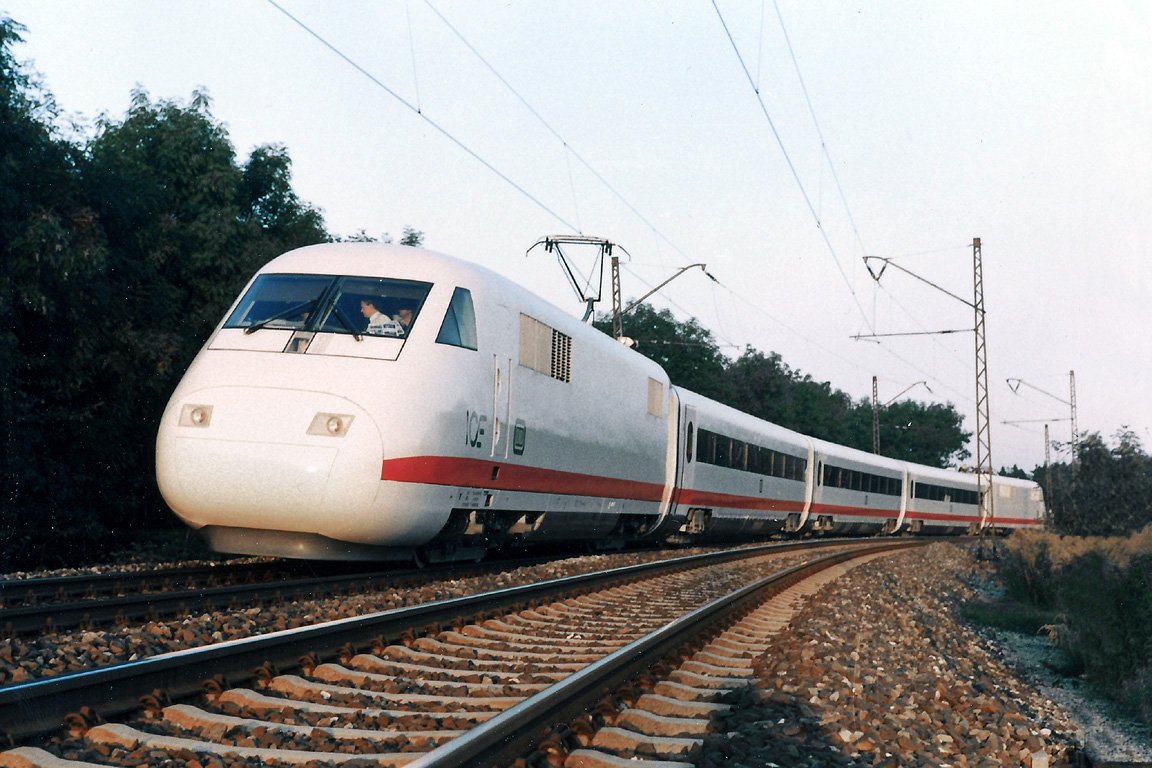
The push for high-speed rail began in the 1970s amid growing road congestion and environmental concerns. The InterCityExperimental (ICE-V) prototype set a world speed record of 406.9 km/h in 1988, paving the way for commercial service. The first ICE trains launched on June 2, 1991, on the Hamburg to Munich route via Frankfurt, revolutionizing long-distance travel.
Today, DB operates as a semi-privatized entity with divisions for long-distance (Fernverkehr), regional (Regio), and infrastructure (DB InfraGO). The system handles millions of passengers daily, emphasizing punctuality (though delays occur due to construction), comfort, and integration with European networks. Germany’s railways prioritize electrification—over 60% of lines are electrified—and sustainability, aligning with EU green goals. Investments reached record levels, with DB planning €23 billion for network upgrades in 2026 alone, focusing on modernization amid challenges like aging infrastructure and capacity bottlenecks.
The Deutschlandticket, a flat-rate monthly pass for regional transport extended to 2030, has boosted ridership, making public transport more accessible. Eurail and Interrail passes cater to international visitors, while advance-purchase “Sparpreis” fares offer bargains on long-distance services.
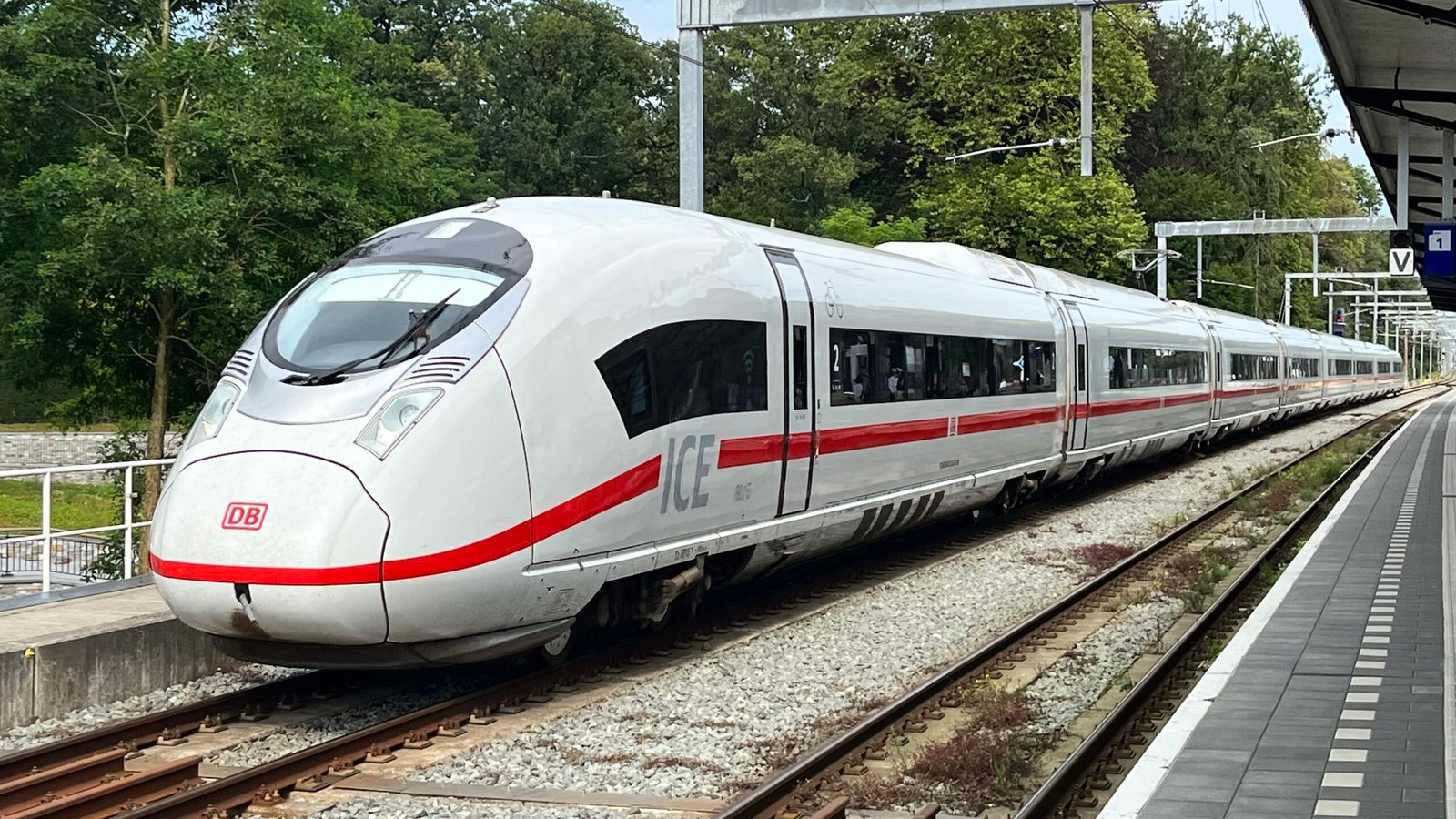
The ICE represents the pinnacle of German rail engineering—sleek, powerful, and efficient. Standing for InterCity Express, these trains connect major cities at speeds up to 300 km/h (186 mph) on dedicated high-speed lines (Neubaustrecken), reducing travel times dramatically. For instance, Berlin to Munich takes about 4 hours on ICE, compared to over 7 hours by car.
ICE trains come in multiple generations, each an advancement:
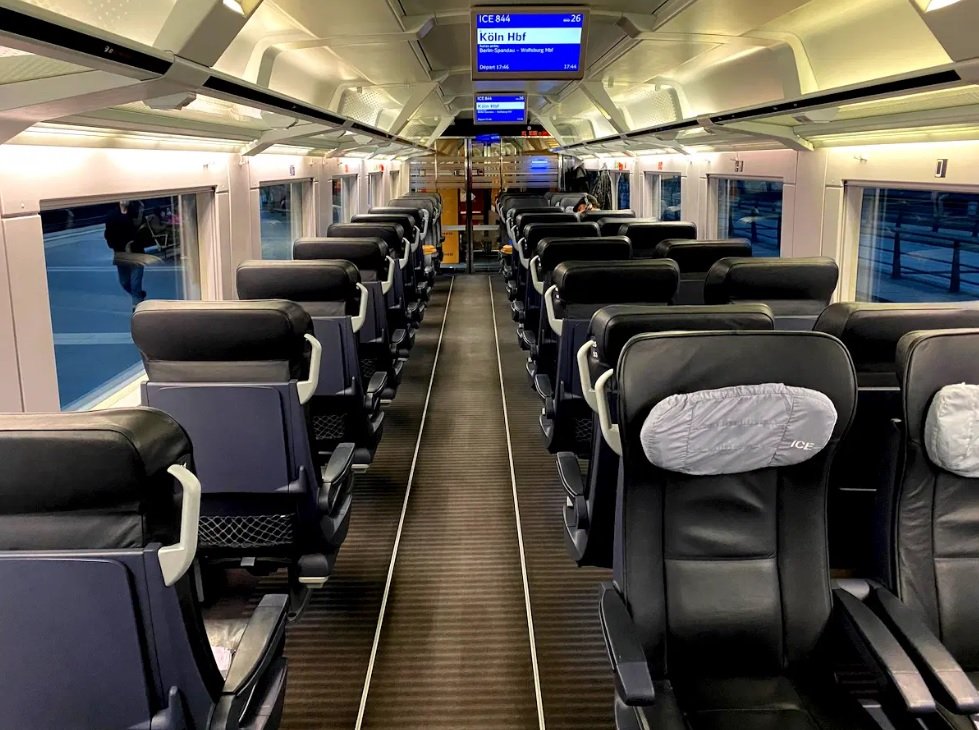
Trains are electric, with regenerative braking. Onboard, expect air-conditioned coaches, ergonomic seats (1st class offers more space and silence), power sockets, free Wi-Fi (improving but sometimes spotty in tunnels), and catering via BordBistro or mobile service. Many include quiet zones, family areas, and bicycle storage. First-class passengers enjoy complimentary drinks and newspapers on some routes.
High-speed lines, like Hanover-Würzburg or Cologne-Frankfurt, feature advanced signaling (ETCS) and minimal gradients for smooth rides. However, ICEs also run on upgraded conventional lines at 160-230 km/h.
Popular ICE lines include:
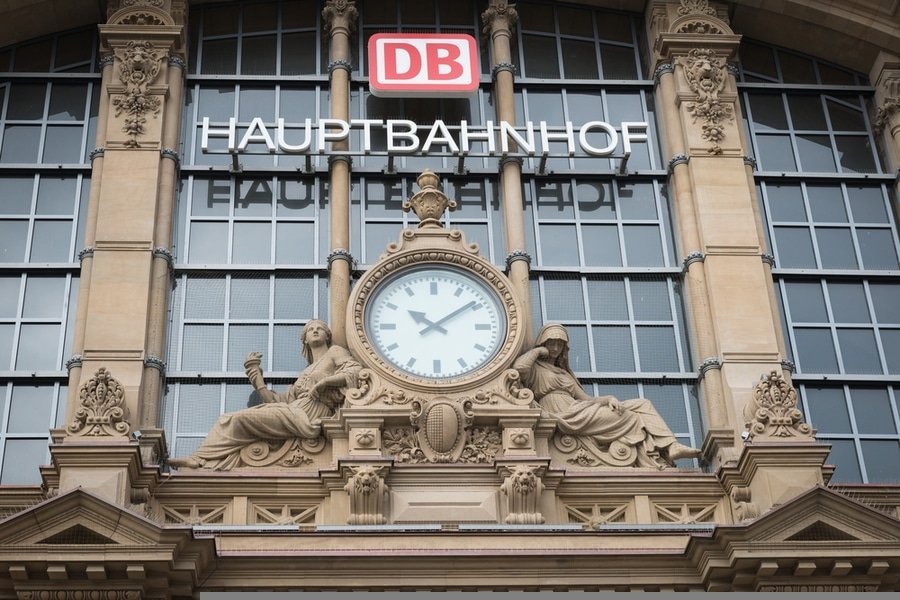
DB’s network integrates seamlessly; you can connect from ICE to regional services at major hubs like Frankfurt Hauptbahnhof, Europe’s busiest station by train volume.
Traveling ICE feels premium: panoramic windows, smooth acceleration, and minimal noise. Journey times compete with short-haul flights but with far lower emissions. A Berlin-Frankfurt trip (about 4.5 hours) costs €50-150 depending on booking timing; Sparpreis fares start low if reserved early.
Reservations are recommended (and mandatory on some international services) via the DB Navigator app or bahn.de. Luggage is unrestricted, with racks and spaces for large suitcases. Accessibility features include wheelchair spaces and assistance services.
Challenges: Peak-hour crowds, occasional delays from construction (Germany invests heavily in upgrades, causing temporary disruptions), and higher fares without discounts. Yet, reliability hovers around 70-80% on-time performance for long-distance, better than many European peers.
ICE trains embody Germany’s Energiewende (energy transition). Electrified services reduce CO2 compared to cars or planes. DB aims for climate-neutral operations by 2040. Economically, high-speed rail spurs regional development, connecting innovation hubs like Stuttgart (automotive) and Munich (tech).
In 2025-2026, expansions continue, including corridor modernizations in North Rhine-Westphalia and Bavaria, though these bring short-term closures.
One step below ICE in speed but equally vital, InterCity (IC) trains serve long-distance routes on conventional lines, reaching up to 200 km/h. EuroCity (EC) variants extend internationally with similar standards.
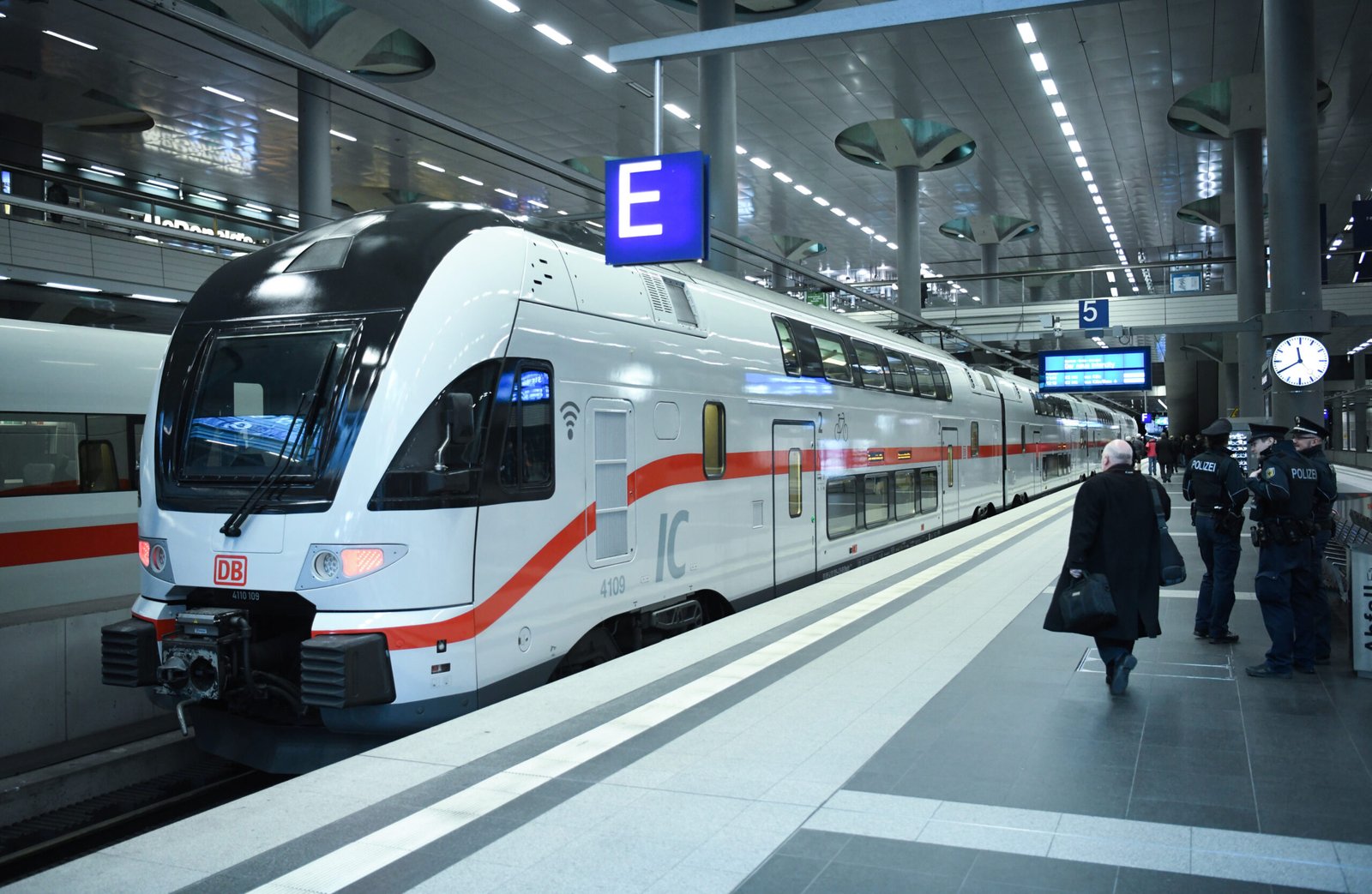
Bereits ab 8. März sind die ersten acht Züge auf der neuen IC-Linie Rostock-Berlin-Dresden unterwegs. Die DB übernimmt die Fahrzeuge von der österreichischen Westbahn. Im Berliner Hauptbahnhof präsentiert DB-Personenverkehrsvorstand Berthold Huber am 5. Februar 2020 den ersten Zug, frisch lackiert im weißen IC-Design.
IC/EC trains lack dedicated high-speed infrastructure, making them slower on average but more widespread. They stop at more intermediate stations than ICE, serving secondary cities effectively. Coaches resemble ICE but are often older or refurbished, with comfortable seating, Wi-Fi (variable), and bistro cars.
Top speed: 200 km/h. Many routes share tracks with ICE, allowing flexible scheduling. Newer IC2 (double-decker) and ICx fleets improve comfort with air-conditioning and modern amenities.
IC/EC connect cities where full high-speed isn’t justified or available:
Frequencies are high—hourly on major corridors. ICs act as backups or alternatives when ICE capacity is limited.
Rides are relaxing: reclining seats, tables for work, and good legroom. Less crowded than ICE sometimes. Fares are similar but often cheaper for the same distance due to slightly longer times.
For travelers, IC offers value—book in advance for savings. It’s ideal for scenic routes through the Rhine Valley or Black Forest, where high-speed lines bypass beauty.
Integration: Seamless transfers to RE or S-Bahn at stations. DB’s “Zugbindung” (train binding) on discounted tickets means sticking to booked services.
Advantages over ICE: More stops mean better access to mid-sized towns; lower environmental footprint per passenger on shorter long-haul segments. Drawbacks: Slower overall; older stock on some lines feels dated.
IC/EC carry a significant portion of long-distance passengers, complementing ICE by filling network gaps.
Regional-Express (RE) trains form the backbone of medium-distance regional travel. Faster than local services but slower than long-distance, they connect cities, towns, and rural areas with limited stops.
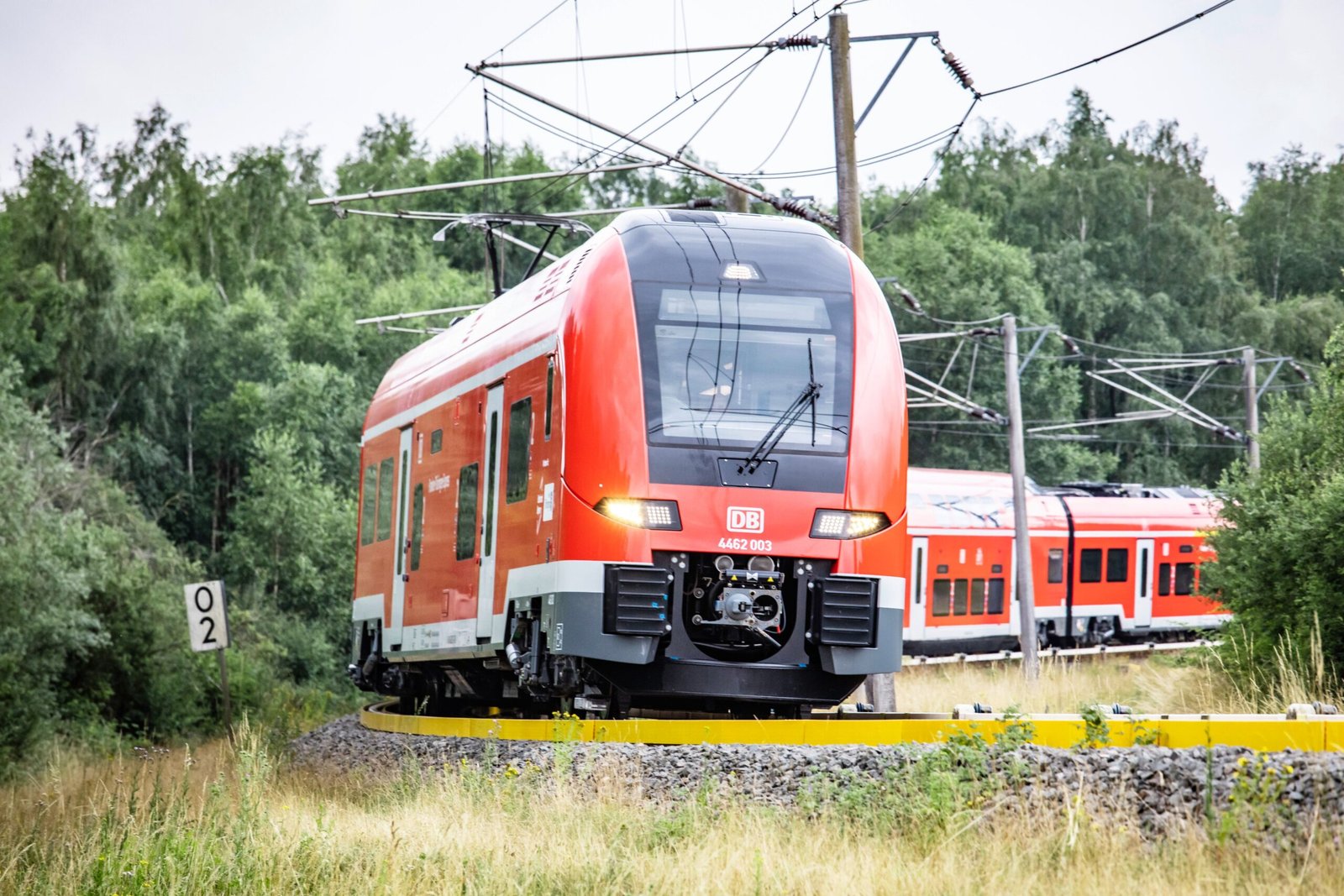
RE trains use modern electric or diesel multiple units (e.g., Bombardier Talent, Siemens Desiro, or DB’s own fleets). Speeds reach 160 km/h on main lines, with frequent service—every 30-60 minutes on busy routes. They prioritize capacity over luxury: wide doors for quick boarding, standing room, bicycle racks, and accessibility.
Unlike ICE/IC, RE falls under regional transport (Nahverkehr), subsidized by federal states (Länder). Operators include DB Regio and private companies like Transdev or Abellio via tenders.
RE services cover:
They link to long-distance hubs, allowing affordable connections. For example, from a small town, take RE to the nearest ICE station.
RE stops less frequently than RB (Regionalbahn), skipping villages for faster times—hence “Express.”
RE trains are practical for work, school, or day trips. Interiors feature plastic seats, large windows, and info displays. No reservations needed; hop on with a valid ticket. Onboard, expect locals, students, and hikers.
The Deutschlandticket (€49/month as of recent extensions) allows unlimited RE/RB/S-Bahn travel nationwide, revolutionizing affordability and reducing car dependency.
Länder-Tickets offer similar regional deals. Fares are distance-based or zone-based in integrated networks (e.g., VRR in Rhine-Ruhr).
Pros: Frequent, cheap, extensive coverage to small destinations. Cons: Can be crowded during rush hour; basic comfort; shared tracks cause occasional delays from freight or long-distance trains.
RE trains exemplify Germany’s federal approach—states fund and plan services tailored to local needs, resulting in dense coverage unmatched in many countries.
S-Bahn (Stadtschnellbahn or “city rapid railway”) provides metro-like service in and around major cities, blending commuter rail with rapid transit. With 14 systems nationwide, it’s essential for daily mobility in metropolitan areas.
S-Bahn differs from U-Bahn (underground metro): S-Bahn uses mainline gauges, runs longer distances to suburbs/exurbs, and often shares tracks with regional trains. In city centers, many go underground or elevated.
Trains: Modern EMUs with high capacity, low floors for level boarding, air-conditioning, and real-time info. Frequencies: 10-20 minutes, denser in peaks.
S-Bahn integrates with U-Bahn, trams, buses via Verkehrsverbünde (transport associations) like MVV (Munich) or VBB (Berlin). One ticket covers multimodal travel within zones.
The Deutschlandticket works perfectly here, encouraging modal shift from cars in congested cities.
Experience: Quick, reliable for short hops. Bikes allowed off-peak; quiet cars available on some. Challenges: Overcrowding, strikes, or maintenance affecting reliability. Yet, systems like Munich’s handle millions efficiently.
S-Bahn promotes compact urban development, reducing sprawl and emissions. Expansions continue, e.g., new lines or frequency boosts.
Hybrid journeys are common: S-Bahn to station, RE to hub, ICE to destination. Apps like DB Navigator provide real-time planning, disruption alerts, and mobile tickets.
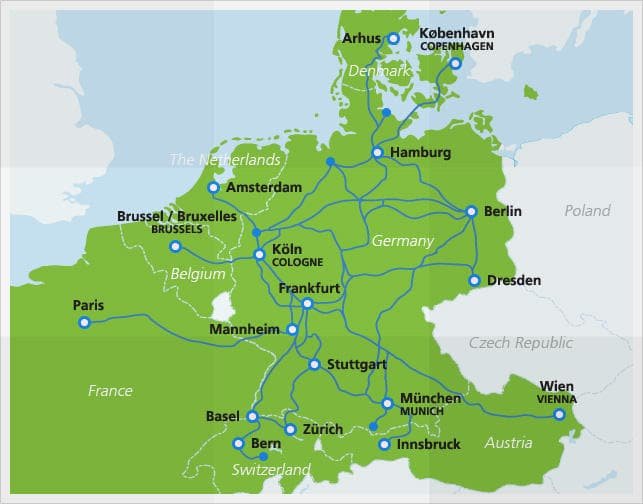
Buy via bahn.de, DB Navigator app (excellent for English users), or machines/stations. Options:
International travelers: Check seat reservations (free on regional). Luggage: Generous limits. Accessibility: DB offers excellent assistance—book ahead.
Tips: Travel off-peak for comfort; validate tickets; watch for platform changes (announced and on boards). Bikes: Regional services friendly, long-distance with restrictions.
Sustainability: Trains emit far less CO2 per km than flying or driving. DB’s green electricity push enhances this.
Despite strengths, issues persist: Construction delays (e.g., Stuttgart 21 project controversies), staff shortages, and infrastructure wear from high usage. Record investments—€23bn in 2026—target digital signaling, new tracks, and electrification.
EU initiatives push cross-border harmony, like through-ticketing. Private operators increase competition on some lines. High-speed expansions, though slower than France’s TGV, focus on capacity over raw speed.
Climate goals drive modal shift: More night trains (EuroNight), better integration with cycling/walking. The Deutschlandticket’s success shows demand for affordable, seamless travel.
Innovations: Autonomous shunting, AI for scheduling, hydrogen/diesel hybrids for non-electrified lines. Germany’s central European position makes it a high-speed hub for the continent.
Germany’s trains—ICE for speed and prestige, IC for balanced long-haul, RE for regional accessibility, S-Bahn for urban vitality—create a cohesive ecosystem unmatched globally. They embody precision engineering, federal cooperation, and a commitment to public good over pure profit.
For visitors, riding an ICE through the countryside or an S-Bahn to a beer garden captures Germany’s soul: efficient yet scenic, modern yet rooted in tradition. For residents, these services enable car-free lives, fostering connected communities.
As investments surge and technology advances, the future looks brighter—faster connections, fewer emissions, greater reliability. Next time in Germany, skip the autobahn or airport; board a train. From the thunder of an ICE at full speed to the rhythmic stops of an S-Bahn, you’ll experience a transport system that doesn’t just move people—it elevates the journey.
Whether planning a whirlwind tour from Hamburg to the Alps or a quiet commute in Berlin, Germany’s railway categories offer tailored perfection. Safe travels—Gute Fahrt!