 11
11
Germany is currently experiencing a significant labor shortage that affects key sectors such as healthcare, technology, engineering, construction, logistics, and education, making jobs with labor shortages in Germany one of the most searched topics among professionals looking for international opportunities. Due to an aging population, rapid digital transformation, and a lack of skilled workers, high-demand jobs in Germany now include nurses, doctors, IT specialists, engineers, electricians, renewable energy technicians, truck drivers, teachers, industrial maintenance specialists, and construction workers. These shortage occupations in Germany offer strong job security, competitive salaries, long-term contracts, and excellent benefits, especially for skilled professionals and foreigners seeking stable careers in Europe. If you want to understand where the best opportunities are and how the German job market is actively hiring, be sure to read our full article on the Top 10 most in-demand jobs in Germany, where we break down each profession in detail and explain why demand continues to grow.
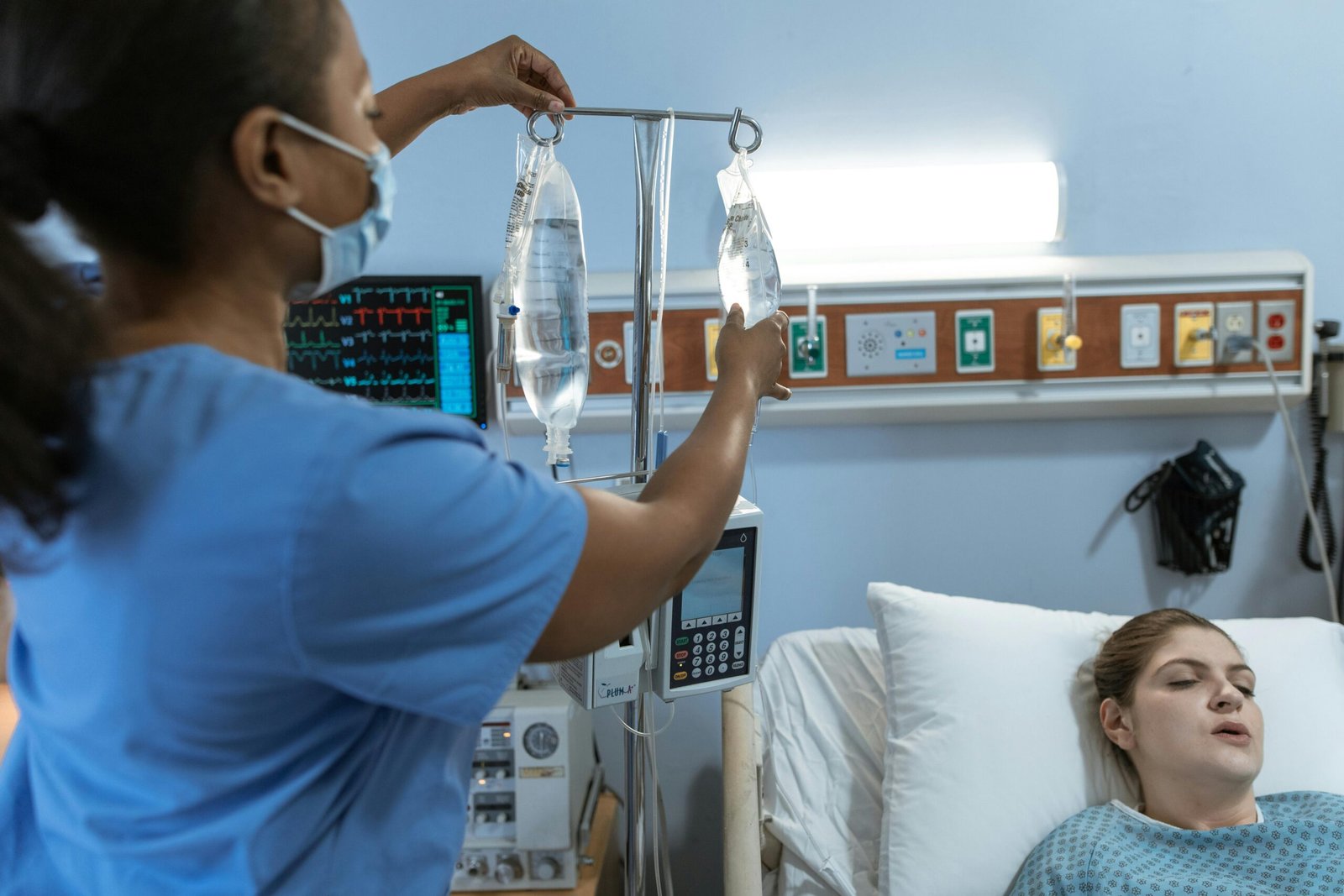
Germany is facing a severe shortage of nurses and healthcare workers, driven mainly by its rapidly aging population. As life expectancy increases, the demand for hospitals, nursing homes, and home-care services grows faster than the supply of trained professionals. This imbalance has placed enormous pressure on the healthcare system, making nursing one of the most critical shortage occupations in the country.
Many hospitals and care facilities operate understaffed, forcing existing workers to handle heavier workloads. This situation has led to burnout and early retirement, which further worsens the shortage. Rural areas and smaller towns are particularly affected, as professionals often prefer larger cities with better infrastructure and career opportunities.
To address this issue, Germany actively recruits foreign nurses and healthcare workers. Programs have been created to recognize foreign qualifications and offer language training, relocation support, and integration assistance. These measures aim to attract skilled professionals from abroad to stabilize the healthcare system.
As a result, nursing has become one of the most accessible professions for immigrants seeking employment in Germany. The job offers relatively stable contracts, strong social benefits, and long-term security, making it an attractive option despite the demanding nature of the work.
The shortage of doctors in Germany affects both general practitioners and highly specialized medical professionals. While urban hospitals manage to attract talent, many rural regions struggle to provide basic medical care due to a lack of physicians willing to work outside major cities. This gap creates long waiting times and reduced access to healthcare for local populations.
Medical specialists such as anesthesiologists, radiologists, and psychiatrists are especially difficult to replace. Training a doctor takes many years, and the number of graduates is not sufficient to compensate for retirements. Additionally, many German doctors choose to work fewer hours to improve work-life balance, which further limits availability.
Germany has responded by simplifying recognition procedures for foreign medical degrees and offering competitive salaries and incentives. Some regions provide financial bonuses, housing support, or reduced administrative burdens to attract doctors to underserved areas.
For international professionals, medicine remains one of the most respected and financially rewarding careers in Germany. Despite strict language and certification requirements, those who succeed in the process gain access to a highly stable and prestigious profession.
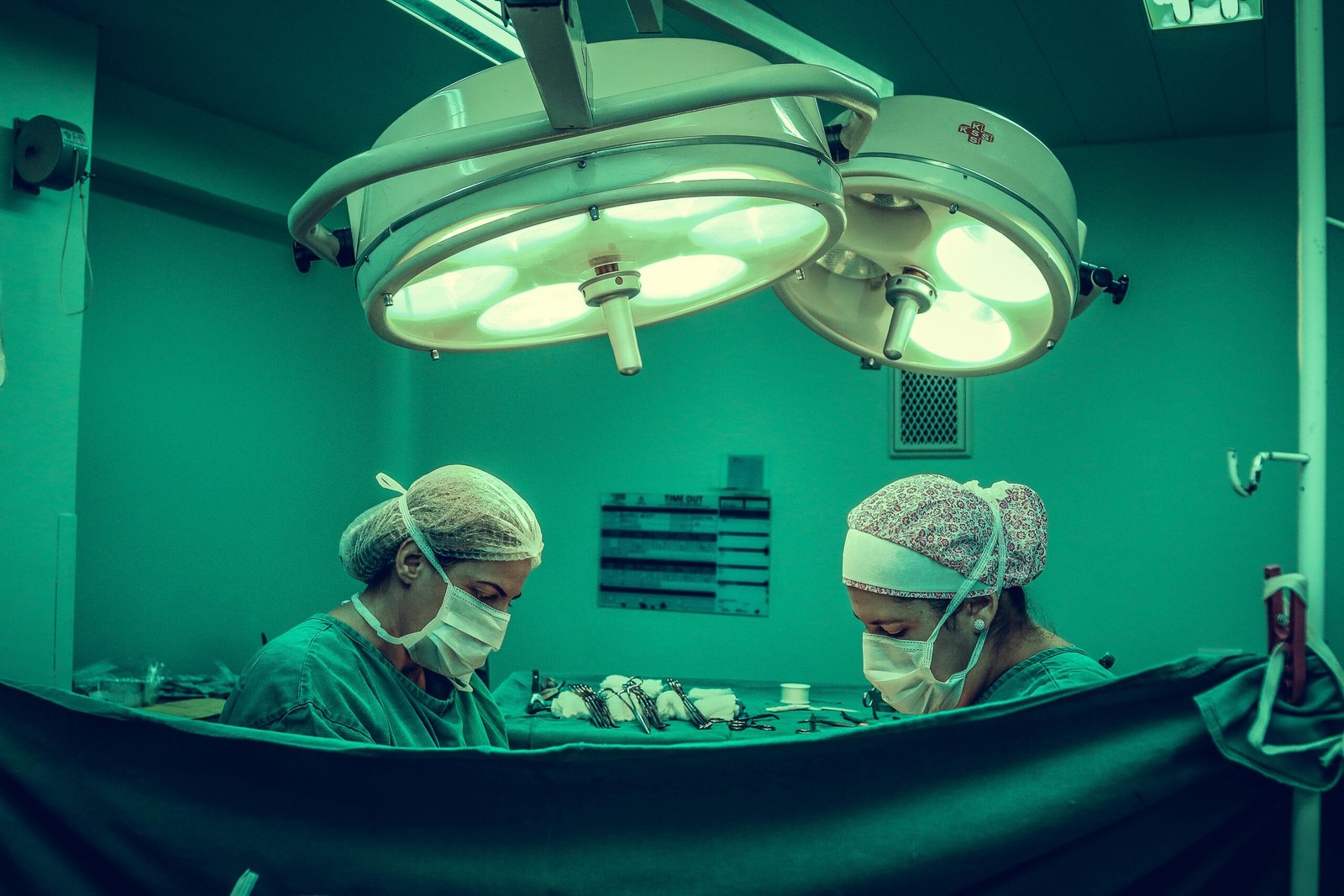
The digital transformation of Germany’s economy has created a massive demand for IT specialists and software developers. Companies across all industries require experts in software development, cybersecurity, cloud computing, and data analysis to remain competitive in global markets.
The problem lies in the speed of technological change, which outpaces the education system’s ability to produce enough qualified professionals. Many companies report unfilled IT positions for months or even years, slowing innovation and digital expansion.
To counter this shortage, Germany actively promotes immigration for IT professionals through fast-track visas and simplified residence permits. In many cases, advanced German language skills are not required, especially in international companies where English is the working language.
This makes IT one of the most immigrant-friendly job sectors in Germany. High salaries, flexible work arrangements, and remote or hybrid options make the field extremely attractive for skilled professionals worldwide.
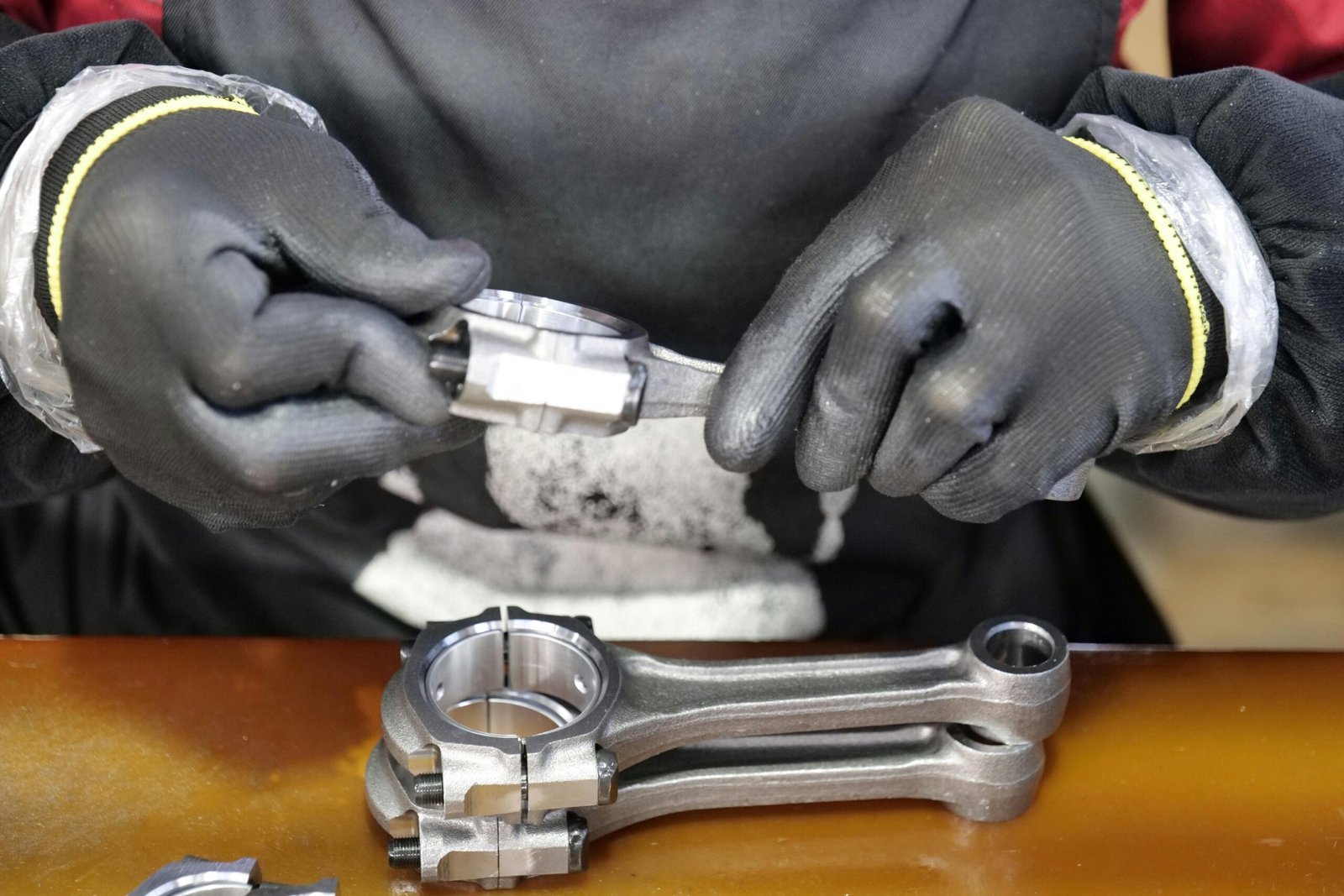
Engineering has long been the backbone of Germany’s industrial success, but the country now faces a serious shortage of qualified engineers. Mechanical, electrical, and civil engineers are essential for manufacturing, infrastructure, automotive, and energy projects.
One of the main causes of this shortage is demographic change. A large portion of the engineering workforce is nearing retirement age, while fewer young people choose technical careers. At the same time, Germany continues to invest heavily in infrastructure and industrial modernization.
Engineering roles often require strong technical education and experience, which limits the speed at which new professionals can enter the workforce. As a result, companies increasingly recruit internationally to fill gaps in critical projects.
For foreign engineers, Germany offers long-term career stability, competitive salaries, and access to advanced technology. Once qualifications are recognized, engineers enjoy strong job security and high demand across multiple regions.
Germany’s transition toward renewable energy has created a growing shortage of technicians specialized in solar, wind, and sustainable energy systems. As the country reduces its reliance on fossil fuels, new installations and infrastructure projects require skilled labor.
The expansion of renewable energy happens faster than workforce training programs can supply professionals. Many companies struggle to find technicians capable of installing, maintaining, and repairing modern energy systems.
This shortage is particularly noticeable in wind energy, where large-scale projects require ongoing technical support. Delays in staffing can slow down national energy goals and increase operational costs.
For workers, renewable energy offers long-term job security and future relevance. As sustainability remains a political and economic priority, professionals in this field benefit from stable demand and increasing investment.
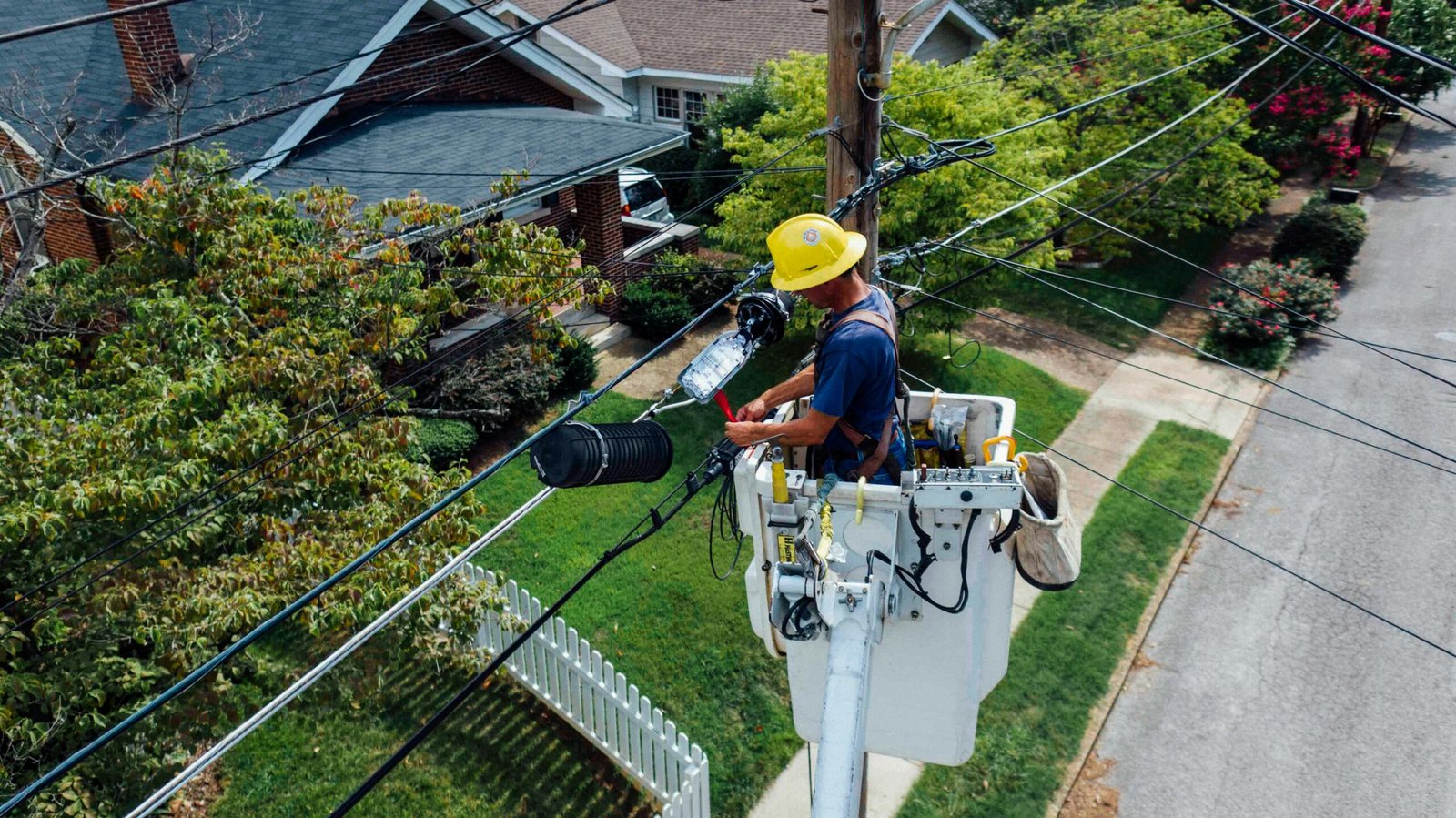
Skilled trades such as electricians, plumbers, and heating technicians are in extremely short supply across Germany. These professions are essential for housing construction, renovations, and energy-efficiency upgrades.
One challenge is the declining interest among young people in manual and technical careers. Many prefer academic paths, leaving vocational professions understaffed despite strong demand and good income potential.
Electricians are particularly critical due to the rise of electric vehicles, smart homes, and renewable energy systems. Without enough qualified tradespeople, projects face delays and higher costs.
For immigrants, skilled trades offer a practical entry point into the German labor market. With vocational training or experience, workers can secure stable employment and even open their own businesses over time.

Germany’s central role in European logistics has created a persistent shortage of truck drivers and logistics professionals. The growth of e-commerce and international trade has increased demand for reliable transportation services.
Many drivers are reaching retirement age, while fewer young workers enter the profession due to long hours and demanding conditions. This imbalance threatens supply chains and delivery reliability.
Logistics companies attempt to improve working conditions and salaries, but recruitment remains challenging. International drivers are increasingly seen as a solution to maintain operational capacity.
Despite the challenges, logistics jobs offer steady employment and strong demand. For many workers, this sector provides a fast route into the German job market with relatively low entry barriers.

Germany faces a growing shortage of teachers and childcare professionals, especially in early childhood education. The increasing number of families and working parents has expanded the need for daycare centers and schools.
Many educators leave the profession due to stress, workload, and limited career progression. At the same time, training new teachers takes years, making it difficult to quickly fill vacancies.
This shortage impacts not only education but also the broader economy, as parents rely on childcare services to remain in the workforce. Some regions are forced to reduce operating hours or class sizes.
For professionals, education offers long-term job stability and strong social value. While salaries vary, demand ensures secure employment across most regions of Germany.

Industrial technicians and maintenance specialists are essential to keep Germany’s factories and production facilities running. Automation and advanced machinery require constant technical supervision and repair.
The shortage arises because these roles demand specific technical skills that are not easily replaced or automated. When technicians retire, companies often struggle to find equally qualified replacements.
Downtime caused by a lack of maintenance staff can be extremely costly, making these professionals highly valuable. As a result, wages and benefits have become more competitive.
For skilled workers, industrial maintenance offers stable employment and strong long-term prospects. The demand spans multiple industries, from automotive to chemical manufacturing.
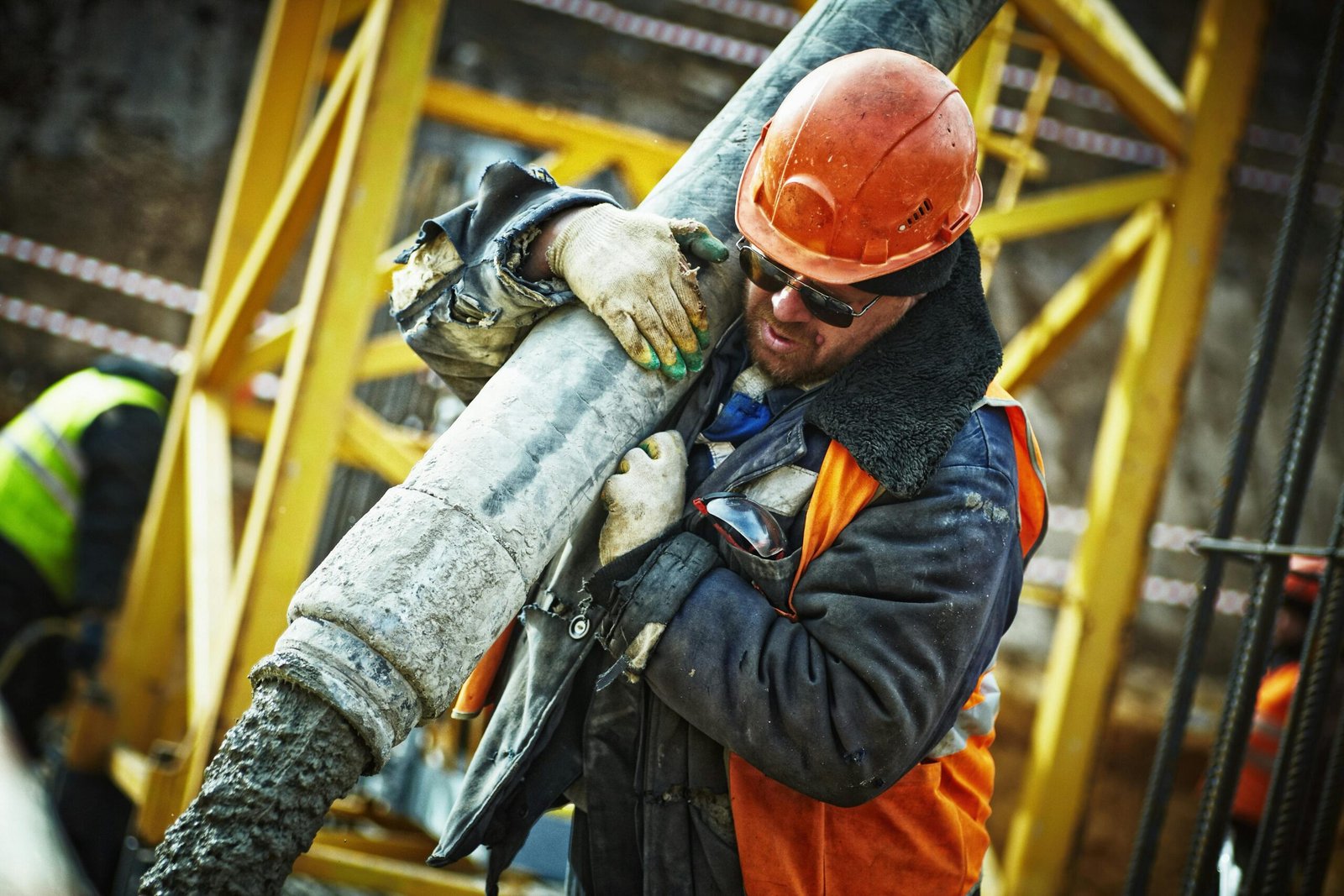
The construction sector in Germany suffers from chronic labor shortages, affecting housing, infrastructure, and renovation projects. Urban growth and energy-efficient building standards have increased demand for skilled workers.
Construction work is physically demanding, which discourages some workers and contributes to high turnover rates. At the same time, many experienced professionals are approaching retirement.
Without sufficient labor, projects face delays, increasing housing shortages and costs. This makes construction one of the most critical sectors for economic stability.
For workers, construction offers immediate job opportunities and consistent demand. Skilled professionals can quickly find employment and benefit from long-term market needs.