 11
11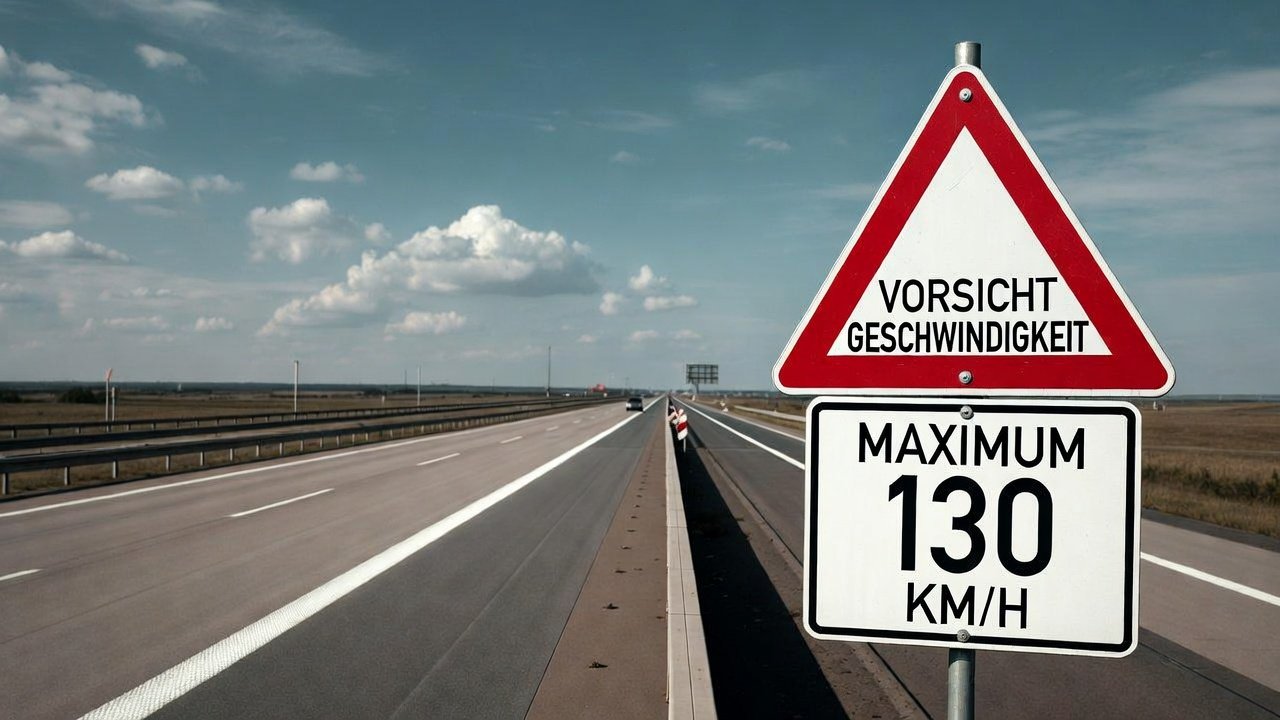
The Autobahn isn’t just any highway. It’s the ultimate symbol of German engineering: over 13,000 kilometers of flawless asphalt, designed for extreme speeds, with only 60% having no official speed limit (the rest has signs showing 80, 100, or 130 km/h in curves, towns, or construction zones). For a foreigner American, or anyone used to strict 110–120 km/h limits—it seems like a paradise of freedom. But this paradise hides deadly traps.
The myth of “no rules” kills more than speed itself. Official statistics show that the Autobahn is statistically safer than many American roads, but the accidents that do occur are far more severe due to speed differences. Foreigners account for a disproportionate share of fines and collisions because they bring habits from home: overtaking on the right, staying in the left lane, tailgating, ignoring safe distance.
This guide is the most complete, honest, and practical you’ll find. It’s not a cute tourist text. It’s a red alert with dark humor, real examples, updated fines (2025/2026), psychological tips, and what to do to get home alive. Let’s dive into the Top 10, from the deadliest to the “just expensive.”
✅ Also Read: Move to Germany: Top 10 Government Programs to Help Foreigners Settle

The real danger isn’t speed itself, but the false sense that “everything is allowed.” Only 60% of the Autobahn has no limit. The rest has white signs with black or red numbers (mandatory). Foreigners see a free stretch and push the pedal thinking it’s the “Wild West.”
Result: if you crash at 180 km/h where 130 km/h is recommended, your insurer may deny coverage or blame you 100%. Speeding fines + reckless driving can exceed €800 + 4 points on your license + suspension.
For foreigners, it’s worse: in Brazil or Portugal, the max is 120 km/h with radars everywhere. Here, 70% of stretches have no fixed radar. Your brain miscalculates. You accelerate without noticing. A Porsche at 240 km/h appears in your mirror in 3 seconds.
Survival tip: use the app “Blitzer.de” or German Waze. Keep “Richtgeschwindigkeit 130” in mind as a mental limit. If the rented car is a Golf 1.0, don’t push 200 km/h—both your car and you will suffer. Start gradually: 150 km/h first, only go higher if fully comfortable.
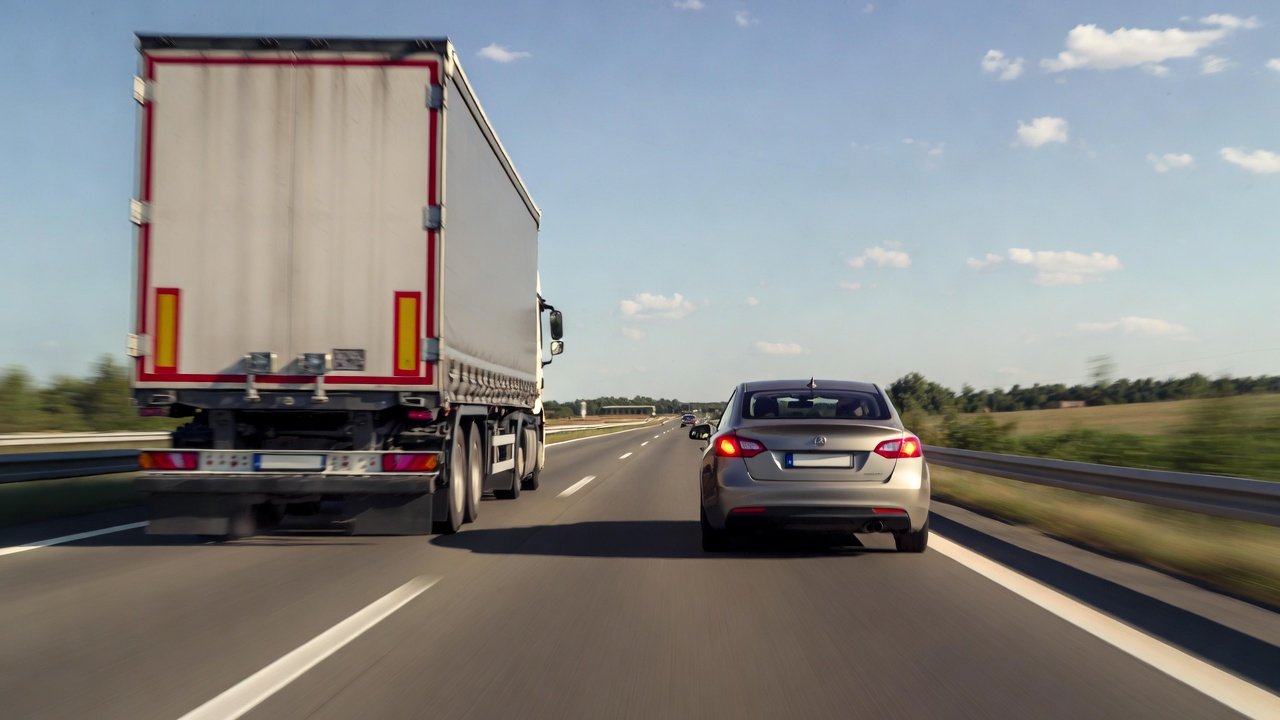
On the Autobahn, overtaking on the right is illegal (except in complete traffic jams). Everyone knows fast traffic goes on the left. Foreigners see a slow truck on the right and think, “I’ll just sneak past” and… BAM. A German driver at 200 km/h on the left isn’t expecting anyone from the right.
Fine: €100–300 + 3 points. In an accident: automatic fault. I’ve seen Brazilians fined 3 times on the same trip for this.
Why it’s deadly for foreigners? Back home, we overtake on the right all the time. Here the speed difference is brutal: truck at 80 km/h, sports car at 220 km/h. Reaction time: less than 2 seconds.
Golden rule: always overtake on the left, signal early, and return to the right immediately. If you’re at 130 km/h and an Audi is 10 meters behind flashing high beams, get out of the left lane NOW. It’s not rudeness—it’s law.
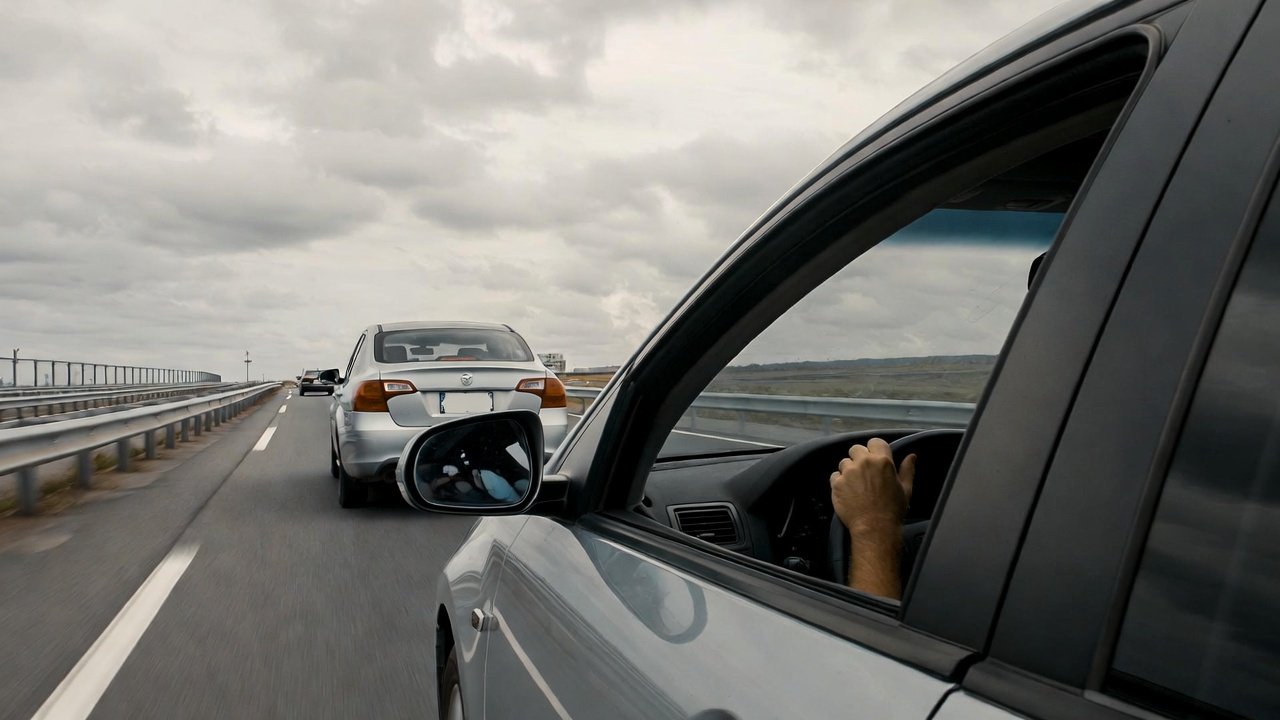
Nothing annoys Germans more than a slow car in the left lane. They call it a “Linkskriecher.” You become the target of flashing lights, honking, and risky overtaking on the right.
Foreigners do this for two reasons: they think left = “fast lane” like in the U.S., or fear trucks. Result: congestion, accidents from others’ frustration. Fine: €100 + 1 point for “obstruction of traffic.”
Practical tip: Follow the “Rechtsfahrgebot” rule—drive as far right as possible. Use the left lane only to overtake and return within 30 seconds. If you drive 120 km/h, stay right even if there’s a truck—they max out at 80–90 km/h.
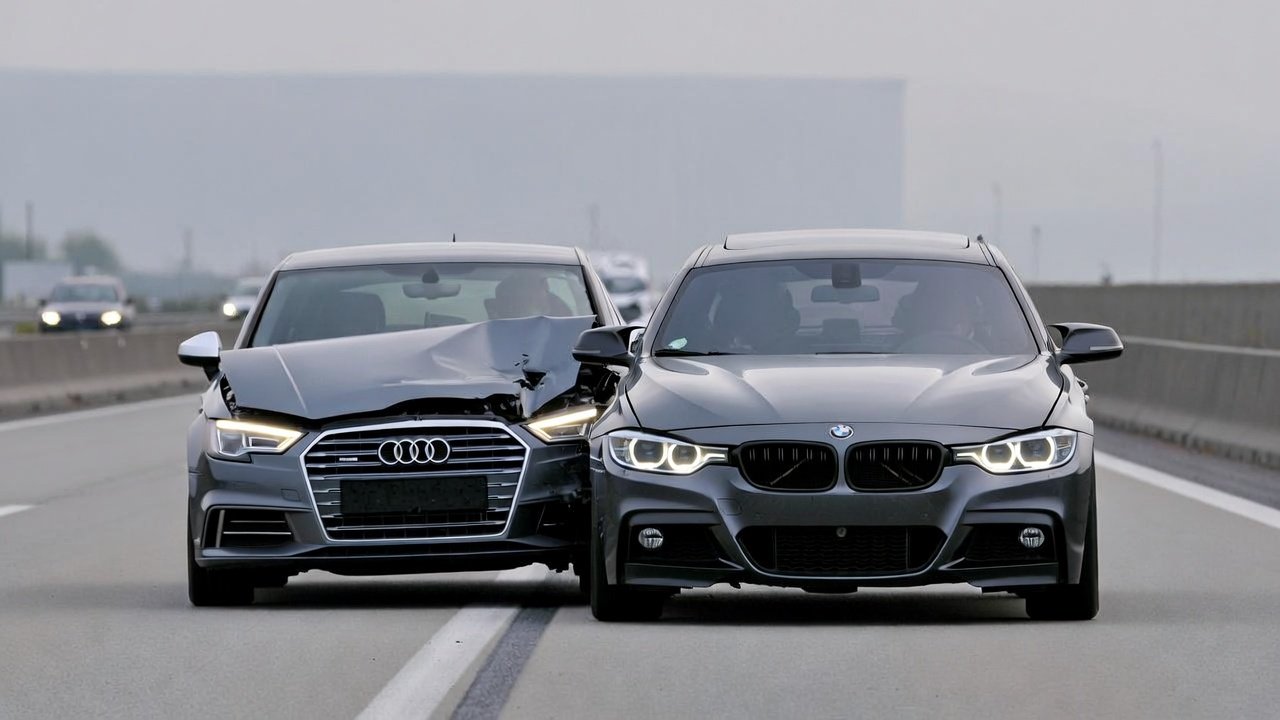
On the Autobahn, the official formula is “speed in km/h ÷ 2 = meters of distance.” 160 km/h = 80 meters. Many foreigners use the 2-second rule (good only up to 100 km/h).
Result: rear-end collisions are the most common on unlimited stretches. At 200 km/h, 50 meters = 0.9 seconds reaction time—impossible. Fine for “zu dichtes Auffahren”: up to €400 + license suspension.
For foreigners: distances back home are usually ridiculous. Train yourself to check mirrors every 5 seconds. If someone tailgates, flash hazard lights for 2 seconds (universal “slowing down” signal) and move out of the way. Never brake abruptly.
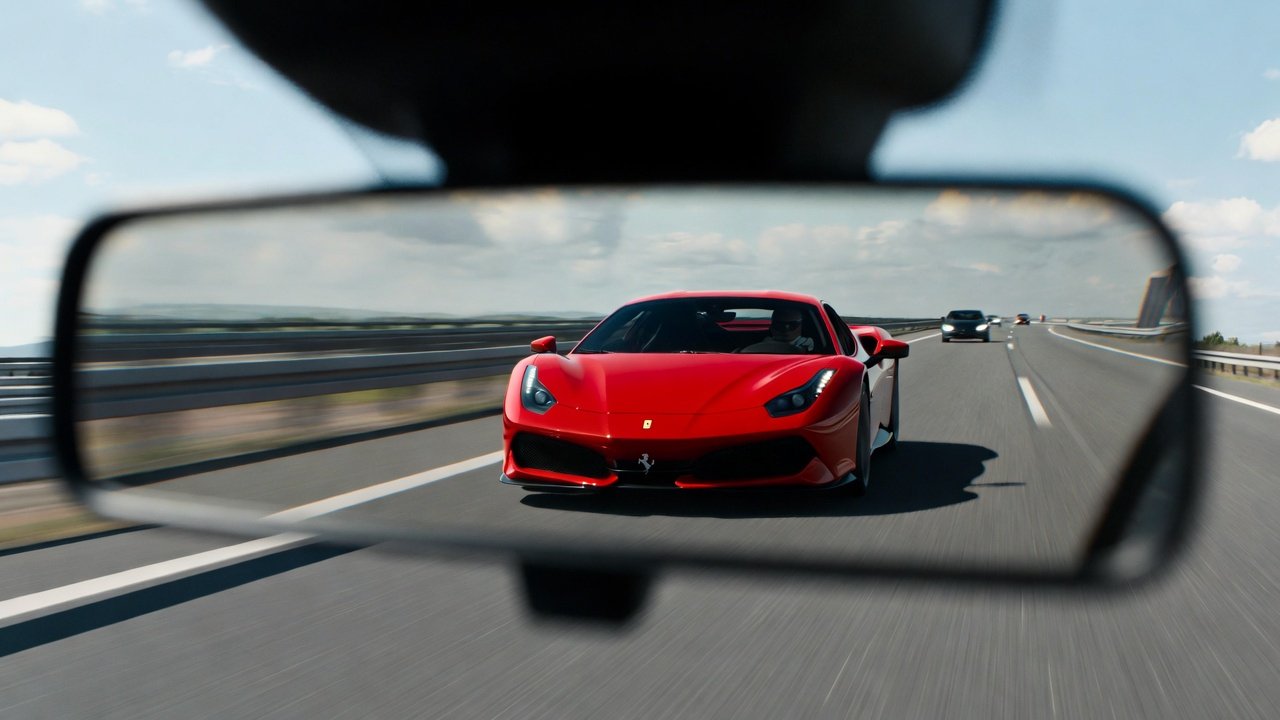
You’re at 140 km/h on the right. Suddenly, in the mirror, a dot becomes a car in 4 seconds. This is the famous “Flash.” Foreigners freeze, fail to change lanes in time.
Real danger: 30% of severe accidents involve late lane changes. Heavy vehicles have huge blind spots.
Mental training: adjust mirrors to “eliminate blind spots” (German method: tilt the right mirror down). Check mirrors every 10 seconds. Never change lanes without signaling + shoulder check.
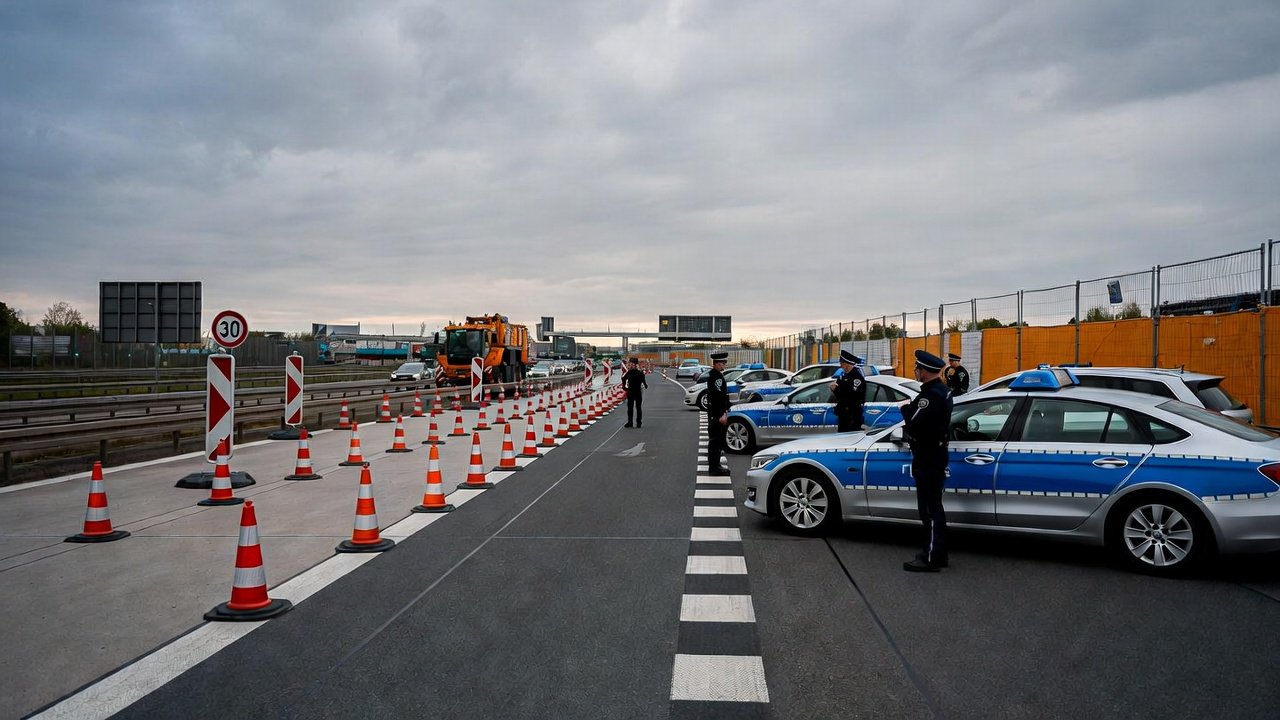
60% of foreigner fines happen in Baustellen (construction zones). Electronic signs suddenly change 130 → 80 km/h. Foreigners often continue at 160 km/h. Cameras + laser guns = €500 + 3 points easily.
Tip: pay attention to yellow digital panels. Slow down 500 meters before. In construction, form the “Notspur” (emergency lane) for ambulances.
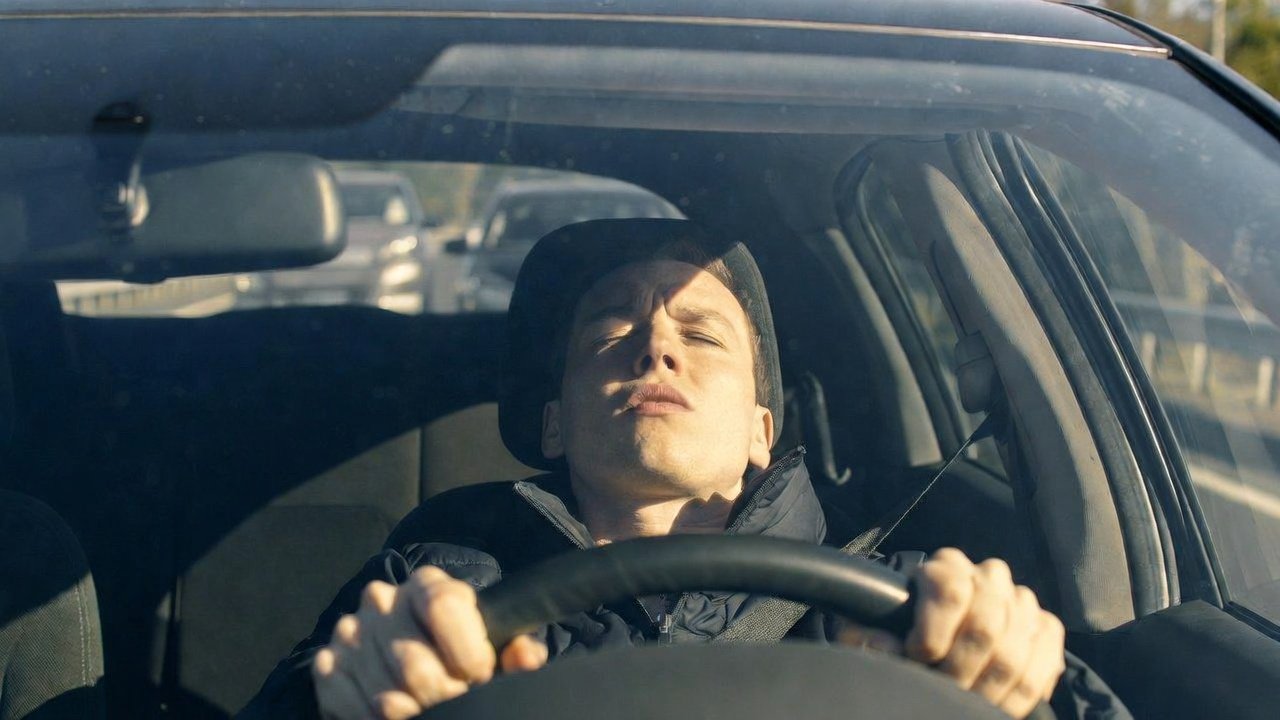
High speed + constant focus + wind drains your brain. Foreigners underestimate: “just 200 km more.” Sleep-related accidents happen more on long, unlimited stretches.
German rule: stop every 2 hours or 200 km. Service areas (Raststätte) are luxurious—coffee, toilets, food. Use the “20-minute power nap” technique.
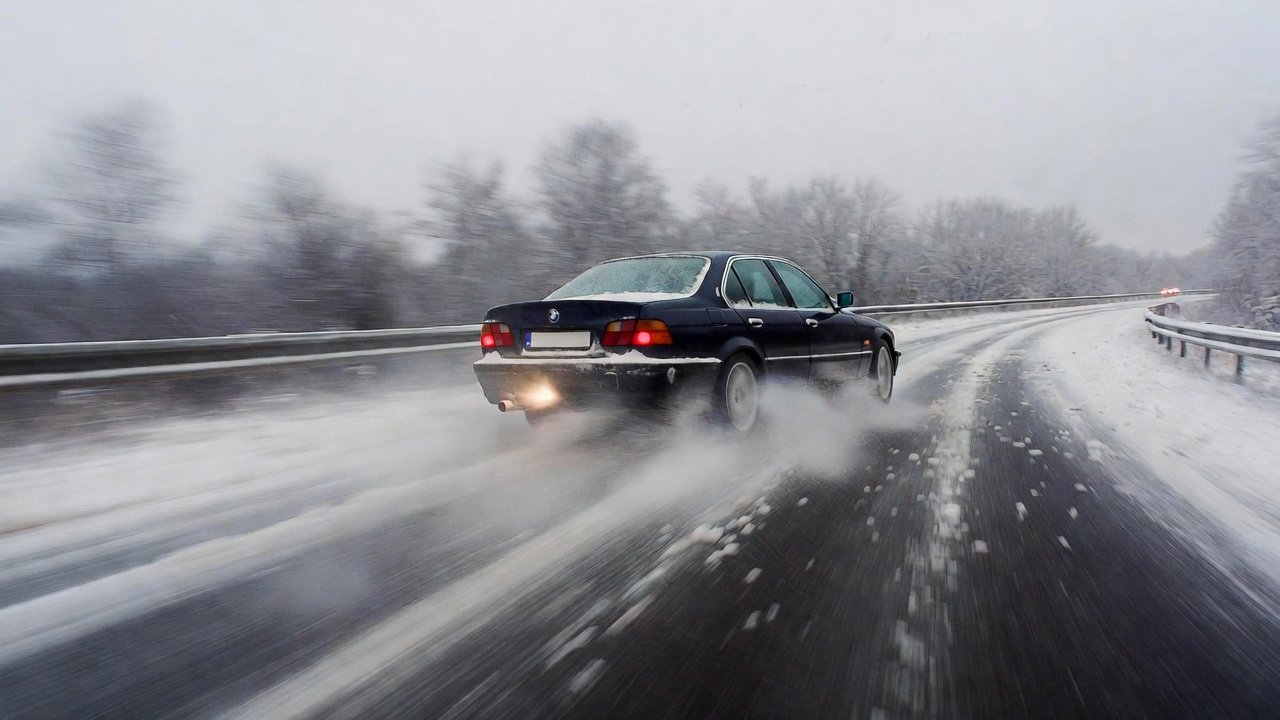
At 200 km/h in heavy rain, hydroplaning is almost guaranteed. Foreigners from warm countries aren’t used to this. Fog reduces visibility to 50 meters—cars at 150 km/h turn into ghosts.
Tip: reduce speed 30–40% in rain. Turn on fog lights. If visibility <100 m, stop on the shoulder (emergency only).
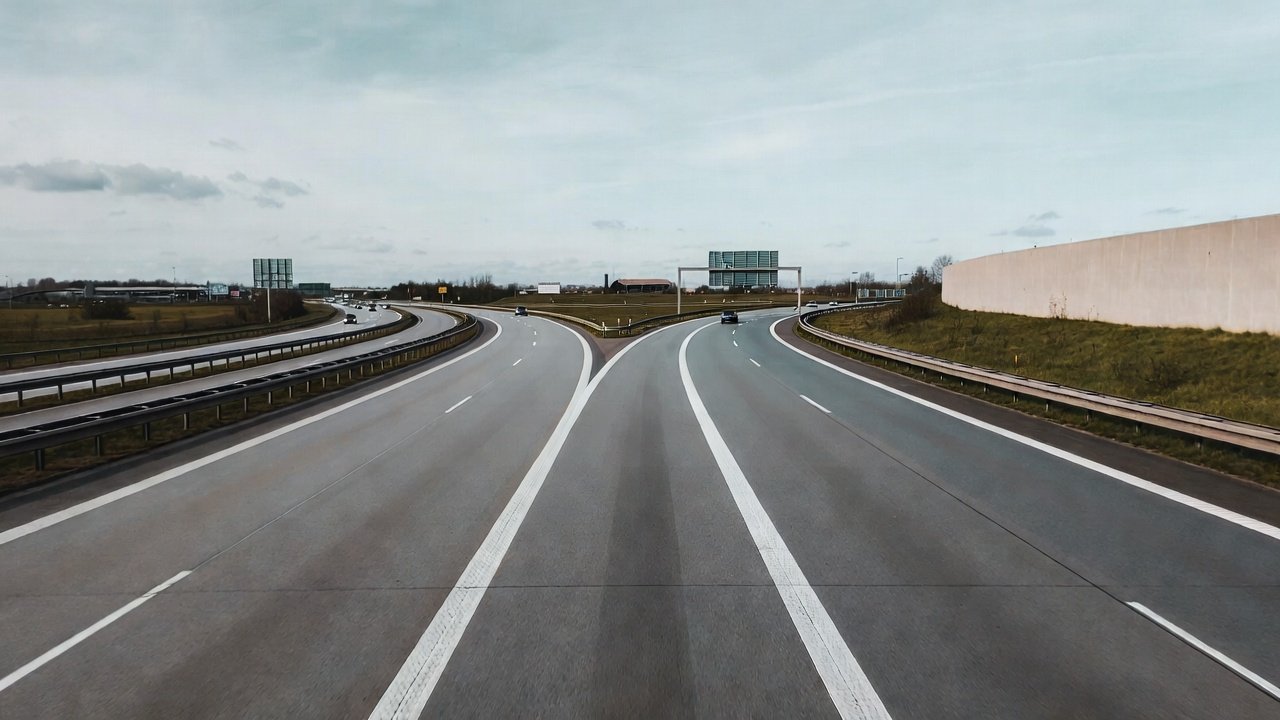
Entering the Autobahn: you MUST accelerate on the ramp to match traffic speed (140–180 km/h). Foreigners enter at 80 km/h and force everyone to brake. Exiting: signal 300 meters in advance, slow gradually.
Fine for “wrong entry” or sudden lane change: €100–200. Accidents at ramps are common.
Training: use the full ramp. Constantly check left mirror.
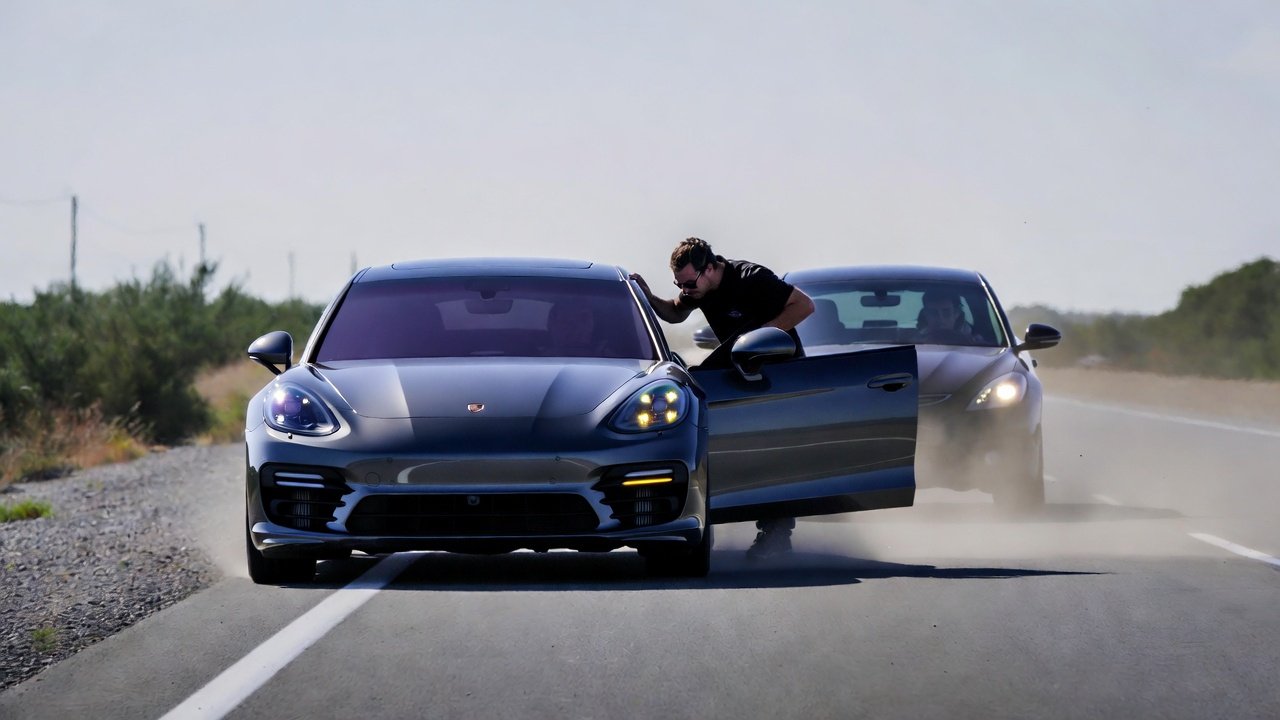
Flat tire? Don’t stop on the shoulder if you can reach the next exit. If you must stop, wear reflective vest (mandatory!), place triangle 100–400 meters behind, turn on hazards. Stay INSIDE the car if possible. Foreigners step out and stay on the road—they die this way.
Final tip: call 112 (Europe-wide emergency). Use the orange emergency phones every 2 km.
The Autobahn isn’t dangerous. It’s ruthless with anyone who ignores the unwritten rules. Germans have been driving like this since 1932 because they follow strict discipline. As a foreigner, you have 3 advantages: a modern rental car with lane assist, Google Maps in real time, and this guide.
Checklist before entering:
Drive respectfully, enjoy the 200 km/h thrill safely, and make it back alive. Germany thanks you. So do your passengers.