 11
11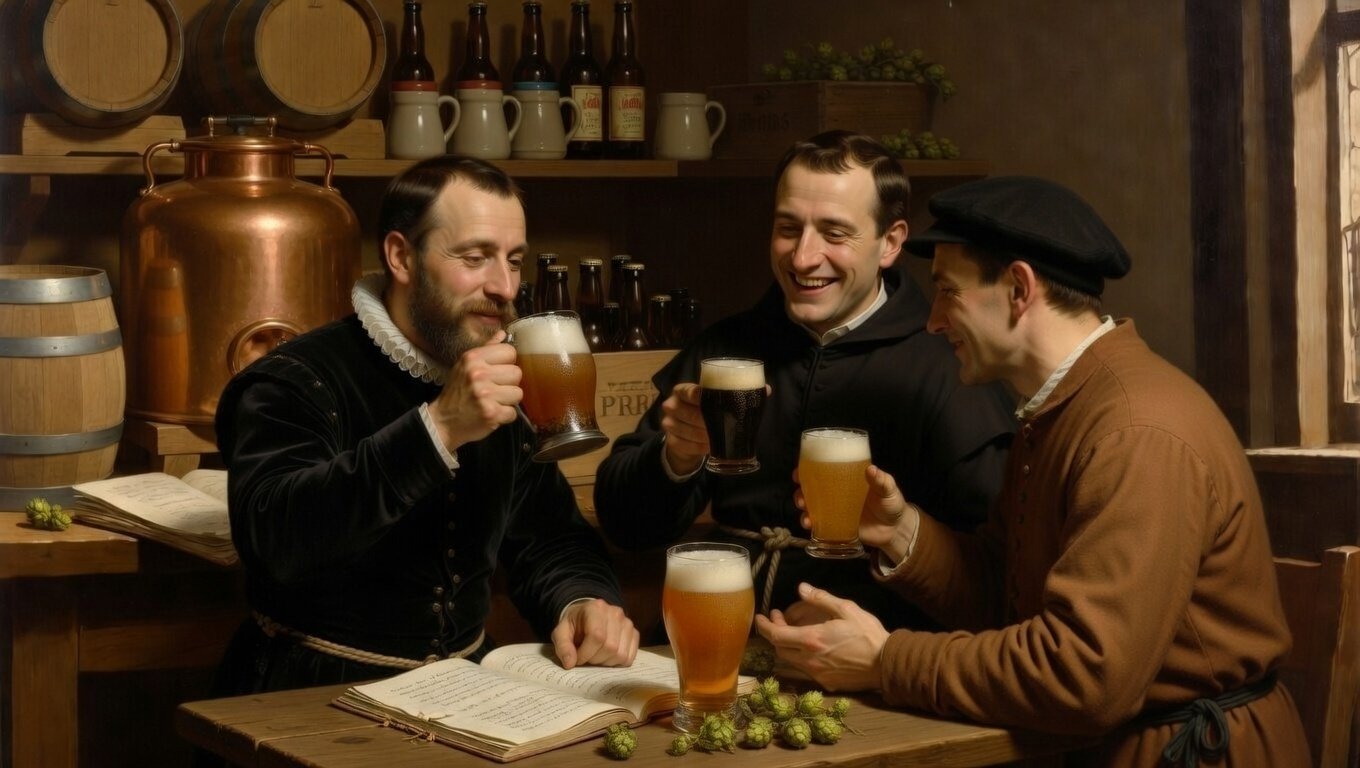
Imagine holding a glass of beer, watching the foam settle slowly at the top, and feeling a light aroma rise before the first sip. As the liquid touches your palate, everything feels perfectly balanced — a clean taste, a precise bitterness, and a smooth finish that leaves no room for confusion. There is no excess, no overpowering ingredient, no chaotic mix of flavors. Everything exists in harmony. This experience, often described as the pure essence of beer, is not accidental. It is the direct result of one of the most influential regulations in the history of food: the German Purity Law.
Created in 1516 in Bavaria, this law established that beer should be produced using only water, malt, and hops. At the time, yeast had not yet been scientifically identified, even though it played a crucial role in fermentation. What seemed like a severe limitation eventually became one of Germany’s greatest strengths. More than defining ingredients, the law created a mindset — one focused on precision, discipline, and mastery of process.
✅You might also like: German Work Ethic: How This Doctrine Shaped Modern German

To understand the importance of the German Purity Law, it is necessary to look at the context of beer production in Europe during the 16th century. Brewing was largely unregulated, and producers often experimented with various ingredients. Herbs, spices, roots, and even questionable substances were commonly used. This resulted in drinks that varied greatly in taste and quality. In some cases, beer could even be unsafe.
The law was initially introduced to ensure safety and standardization. By restricting ingredients, authorities aimed to protect consumers and maintain quality. However, the real impact of this decision went far beyond safety.
By removing the option to use additional ingredients, brewers could no longer hide imperfections. Every flaw became noticeable. This forced them to refine their techniques and focus on the fundamentals of brewing. Temperature control, fermentation timing, and ingredient quality became critical factors.
Over time, this led to a transformation in beer production. German beer developed a reputation for consistency and clarity. Instead of unpredictable flavors, it offered reliability and precision.
Malt began to provide soft and rounded notes, often reminiscent of bread or biscuit. Hops introduced structure, balancing the sweetness with bitterness and subtle aromas. Water, which had previously been overlooked, became a defining factor in regional identity.
This shift marked the beginning of a new standard. Simplicity was no longer a limitation. It became a tool for achieving excellence.
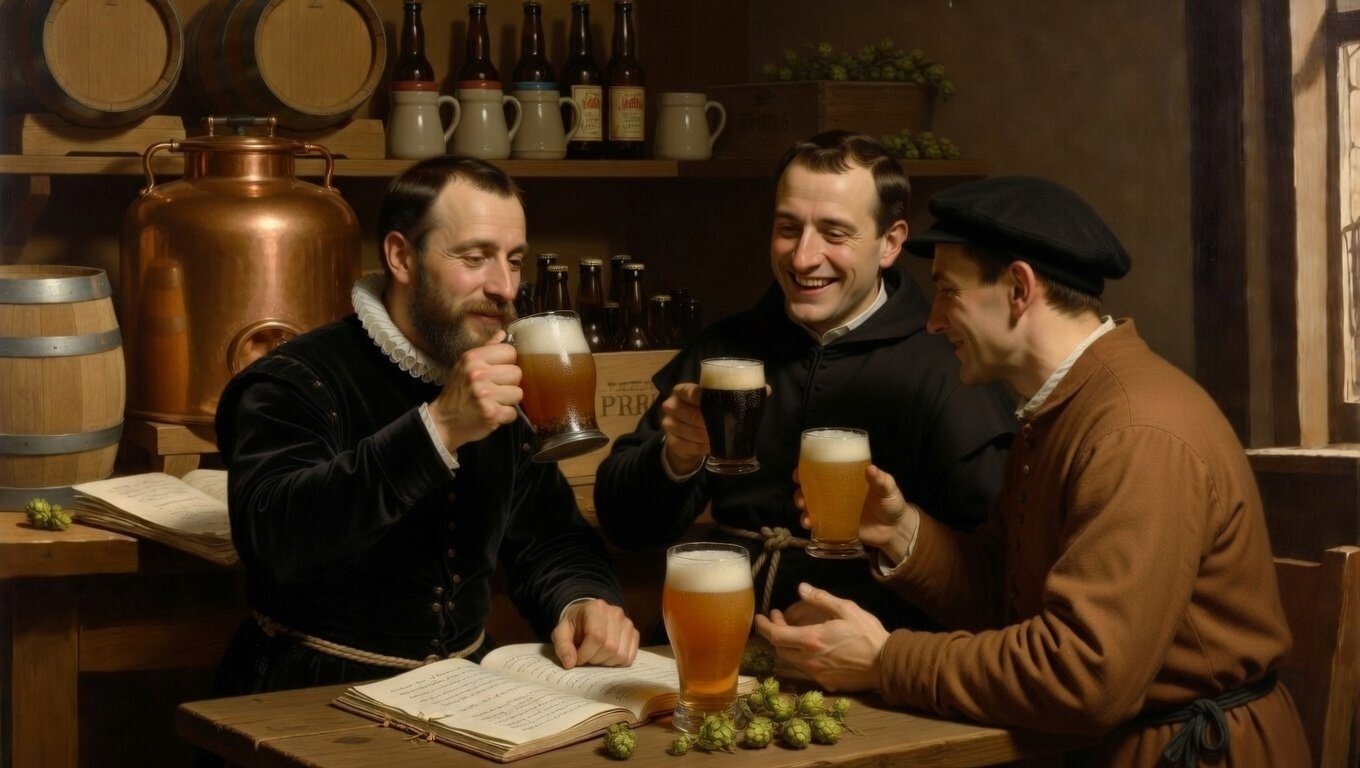
While other countries explored a wide range of ingredients, Germany focused on mastering a few. This approach changed the way beer was produced. Brewing became more than a craft — it became a discipline grounded in observation and control.
Every variable started to matter. Small adjustments could lead to noticeable differences in the final product. Brewers began to study these variables carefully, turning their work into a process of continuous refinement.
Among the most important elements were fermentation temperature, yeast behavior, malt composition, and water chemistry. Each factor influenced the final taste in subtle but important ways.
This level of attention allowed German brewers to create distinct styles without breaking the rules. Even with limited ingredients, they achieved remarkable diversity.
Some beers became known for their crisp and refreshing character, while others developed richer textures and more complex aromas. The difference did not come from adding new ingredients, but from controlling the process with precision.
This is one of the most important lessons of the German approach: innovation does not always require expansion. Sometimes, it requires deeper understanding.

As time passed, the German Purity Law became more than a local regulation. It evolved into a symbol of quality recognized around the world.
In many regions, beer quality remained inconsistent. Consumers often did not know what to expect when trying a new product. In contrast, German beer offered predictability. It became associated with reliability and craftsmanship.
This reputation turned into a powerful advantage. The idea of purity became linked to excellence. People began to trust German beer not just for its taste, but for its consistency.
Breweries outside Germany started to adopt similar practices, inspired by the German model. The influence of the law extended beyond borders, shaping global expectations of what beer should be.
Germany did not just export beer. It exported a philosophy — a belief that quality comes from discipline and attention to detail.

Despite its success, the German Purity Law has also been the subject of criticism. In recent decades, the global beer market has changed significantly. The rise of craft beer introduced a new wave of creativity and experimentation.
Brewers in countries like the United States and Belgium began using a wide range of ingredients, including fruits, spices, chocolate, and coffee. These innovations created bold and diverse flavor profiles that attracted new audiences.
In comparison, the German approach can seem restrictive. Critics argue that the law limits creativity and prevents brewers from exploring new possibilities. They believe that removing these restrictions could lead to even greater diversity.
However, supporters of the law see things differently. They argue that these limitations are precisely what preserve the identity of German beer. By focusing on a few ingredients, brewers are able to achieve a level of consistency that is difficult to replicate.
This debate reflects two different philosophies. One values experimentation and novelty. The other values precision and tradition.
Germany has chosen its path. Instead of chasing trends, it continues to refine its methods and perfect its craft.

More than five centuries after its creation, the German Purity Law continues to influence brewing practices around the world. Even with the growth of craft beer and the introduction of new styles, the German standard remains a benchmark.
The reason is simple: consistency.
German beer does not rely on surprise or novelty. It delivers a reliable experience every time. Each sip reflects careful planning and precise execution.
This consistency is not easy to achieve. It requires deep knowledge, technical skill, and strict control over every stage of production.
It also reflects broader cultural values. In Germany, precision, discipline, and respect for tradition are highly valued. These principles are evident in the way beer is produced.
The result is a product that may seem simple at first, but reveals its quality over time.
Many people describe German beer as simple. But this simplicity can be misleading.
Behind it lies a complex system of knowledge and refinement developed over centuries. Every detail has been studied and optimized. Every process has been improved to ensure consistency and quality.
The German Purity Law did not just define how beer should be made. It created a standard that continues to influence the industry today.
It taught brewers to focus on what truly matters. Instead of adding more elements, it encouraged them to master the basics.
In the end, this philosophy goes beyond beer.
It is a lesson about quality, discipline, and attention to detail.
Because true excellence is not always visible.
And sometimes, the greatest sophistication is found in simplicity.
👉 It is not about having more.
👉 It is about doing better with what you have.
And that is why German beer remains one of the most respected in the world.