 11
11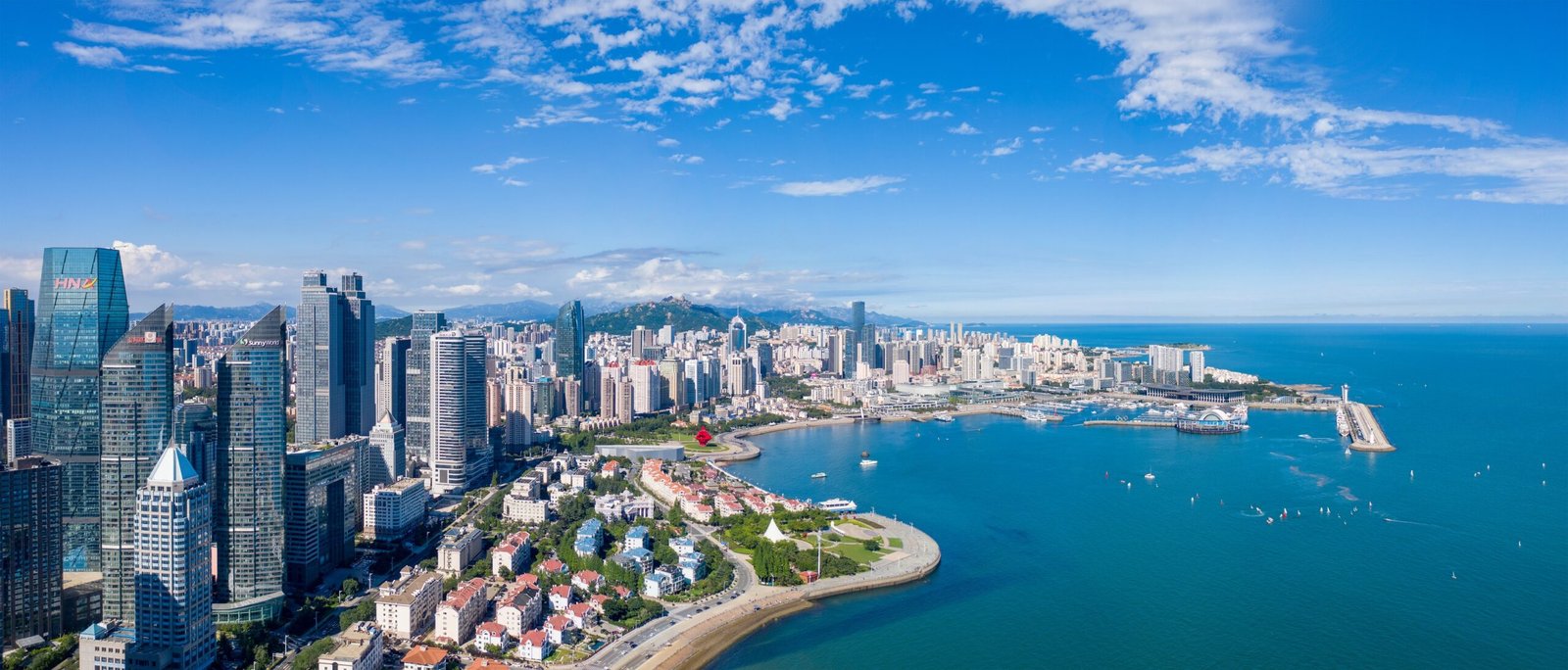
The German presence in China is one of the most fascinating and multifaceted chapters in the history of Sino-European relations. Spanning over 160 years, it has evolved from the aggressive colonial ambitions of the late 19th century to the deep economic interdependence of the 21st century, marked by periods of military cooperation, ideological tension, and pragmatic partnership. Today, Germany stands as China’s largest trading partner in Europe, while China remains Germany’s most important export market. Yet this relationship is no longer the uncomplicated “win-win” of the past; it has become a complex dance of partnership, competition, and systemic rivalry. This article explores the full arc of German involvement in China—from the seizure of Qingdao in 1897 to the high-stakes diplomacy —offering a comprehensive analysis grounded in historical facts, economic data, and geopolitical realities.
✅ Also read: German Work Ethic: How This Doctrine Shaped Modern German
German states entered the China scene relatively late compared to Portugal, Britain, or France. Unlike those powers, which carved out early treaty ports after the Opium Wars, the fragmented German principalities lacked a unified foreign policy until the creation of the German Empire in 1871. The pivotal moment came on 2 September 1861, when Prussian envoy Friedrich Albrecht zu Eulenburg signed the Treaty of Tianjin with the Qing Dynasty’s Zongli Yamen. This agreement opened formal commercial relations between Prussia (representing the German Customs Union) and China, granting German merchants access to treaty ports such as Shanghai and Hankou.
Initial German activity was modest: traders, merchants, and a handful of missionaries. Ferdinand von Richthofen, the renowned German geologist and geographer, conducted extensive surveys of China’s interior in the 1860s and 1870s, mapping resources and advocating for German economic expansion. His reports highlighted Shandong province’s potential and fueled imperial dreams. Protestant and Catholic missionaries from Germany also began arriving, establishing schools and hospitals. Unlike British or French missionaries, many German ones emphasized individual conversion over political influence, laying early foundations for what would become a distinctive German approach to cultural engagement.
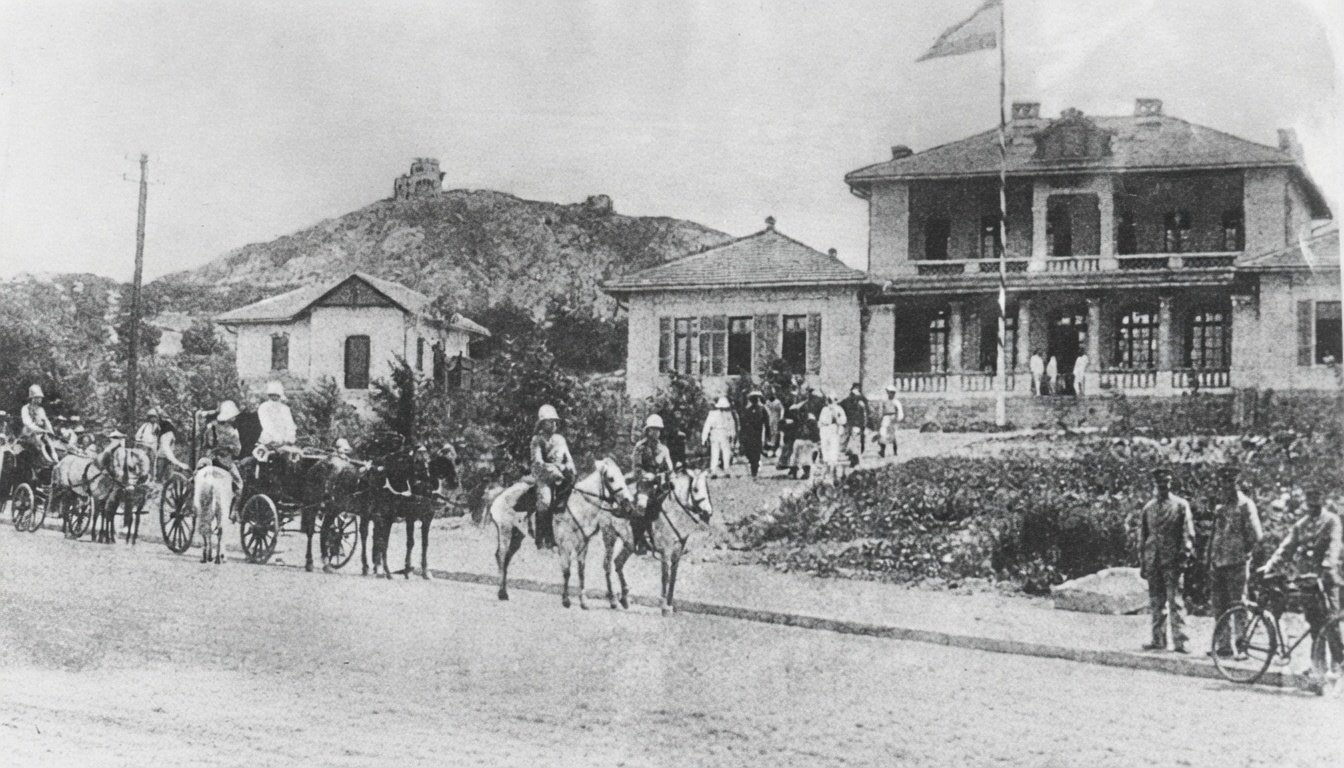
By the 1890s, however, Germany’s rapid industrialization and naval ambitions under Kaiser Wilhelm II transformed this limited presence into a quest for colonial territory. The “place in the sun” doctrine demanded overseas bases. The catalyst was the Juye Incident of November 1897, when two German missionaries were murdered in Shandong. Wilhelm II seized the pretext. On 14 November 1897, German naval forces under Admiral Otto von Diederichs occupied Jiaozhou Bay (Kiautschou Bay). After months of gunboat diplomacy, the Convention of March 6, 1898, leased the bay and surrounding territory to Germany for 99 years. Thus began the only formal German colony in East Asia: the Kiautschou Bay Leased Territory.
The Kiautschou Bay concession, centered on the fishing village of Tsingtao (modern Qingdao), covered approximately 552 square kilometers and was administered directly by the Imperial German Navy’s East Asia Squadron. Governor Paul Jaeschke and later successors turned it into a showcase “Musterkolonie” (model colony). Wide boulevards, neoclassical buildings, a Lutheran church, and a brewery modeled on Bavarian standards transformed the sleepy port into a European-style city. Tsingtao beer—still one of China’s most famous brands—was born here in 1903.
Infrastructure was revolutionary for China: modern harbors, railways linking to the interior, electric lighting, sewer systems, and a telegraph network. The Qingdao-Jinan railway became a vital artery for German trade. Economically, the colony exploited Shandong’s coal and silk while serving as a naval base for the East Asia Squadron. German settlers—administrators, officers, merchants, and families—numbered around 4,000 by 1914. Racial segregation was strict: Chinese residents were confined to designated districts, paid lower wages, and faced curfews. This reflected the era’s imperial mindset of civilizational superiority.
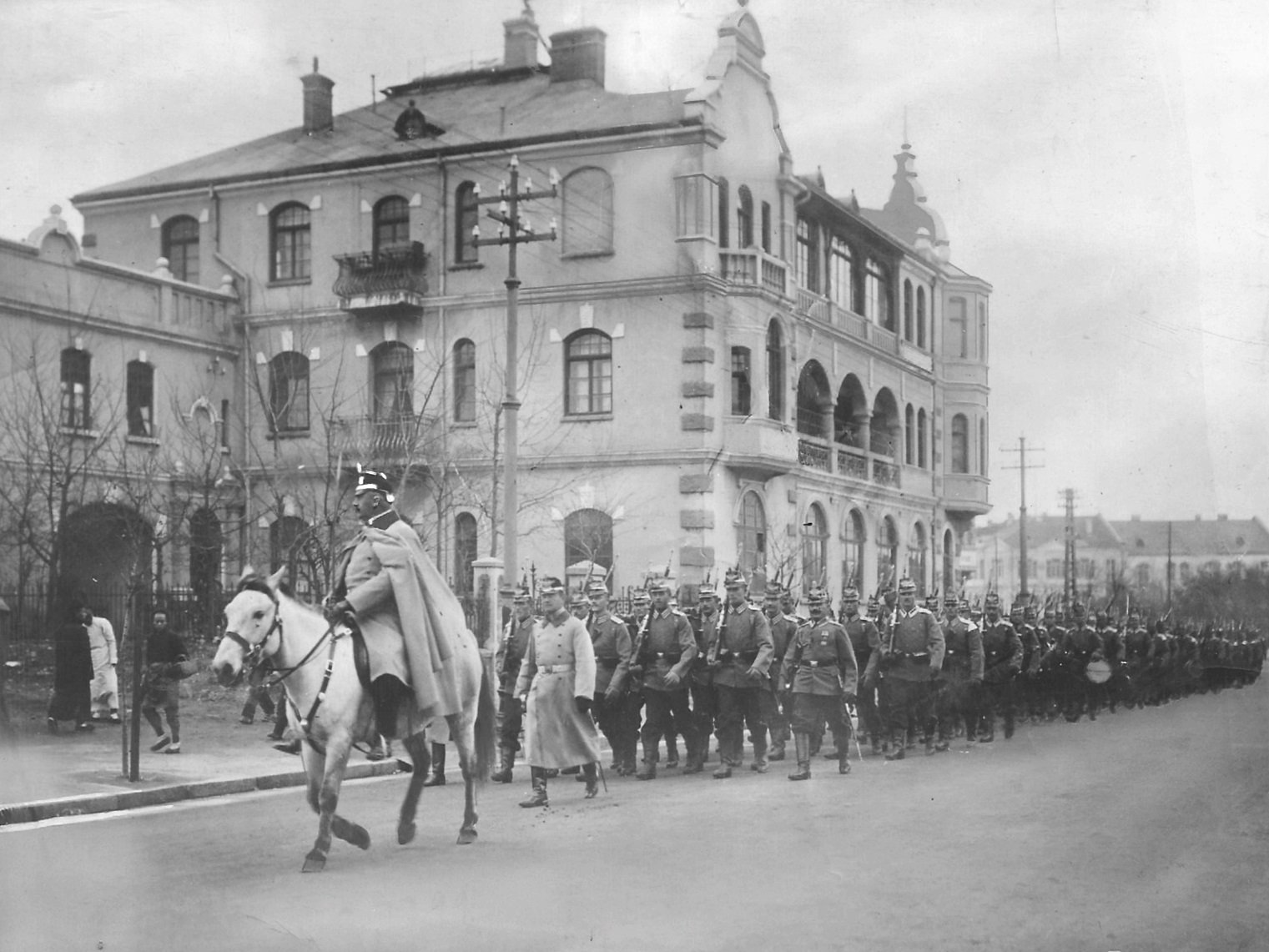
Culturally, the colony fostered German-Chinese interaction in unexpected ways. Missionaries expanded their work, building schools that taught both German and Chinese curricula. German physicians introduced Western medicine. Yet tensions simmered. Local Chinese resentment grew over land expropriation and forced labor. The colony’s economic success was real but limited: by 1914, German trade through Qingdao accounted for only about 8% of the port’s volume, with Japanese merchants dominating.
The idyll ended abruptly with World War I. Japan, allied with Britain, declared war on Germany in August 1914 and besieged Tsingtao. After a heroic but doomed defense, the German garrison surrendered on 7 November 1914. Japanese forces occupied the territory, and the Treaty of Versailles in 1919 formally transferred it to Japan—sparking the May Fourth Movement in China and fueling anti-imperialist nationalism. Germany lost its only Asian colony after just 16 years.
Despite the colonial loss, Sino-German ties rebounded surprisingly quickly. The Weimar Republic and later Nazi Germany viewed China as a counterweight to Western dominance and a market for German expertise. In 1926–1938, Germany provided extensive military and economic assistance to Chiang Kai-shek’s Nationalist government. German advisors—most famously General Alexander von Falkenhausen—trained the National Revolutionary Army, reorganized arsenals, and helped build modern infrastructure. Hundreds of Chinese officers studied in Germany.
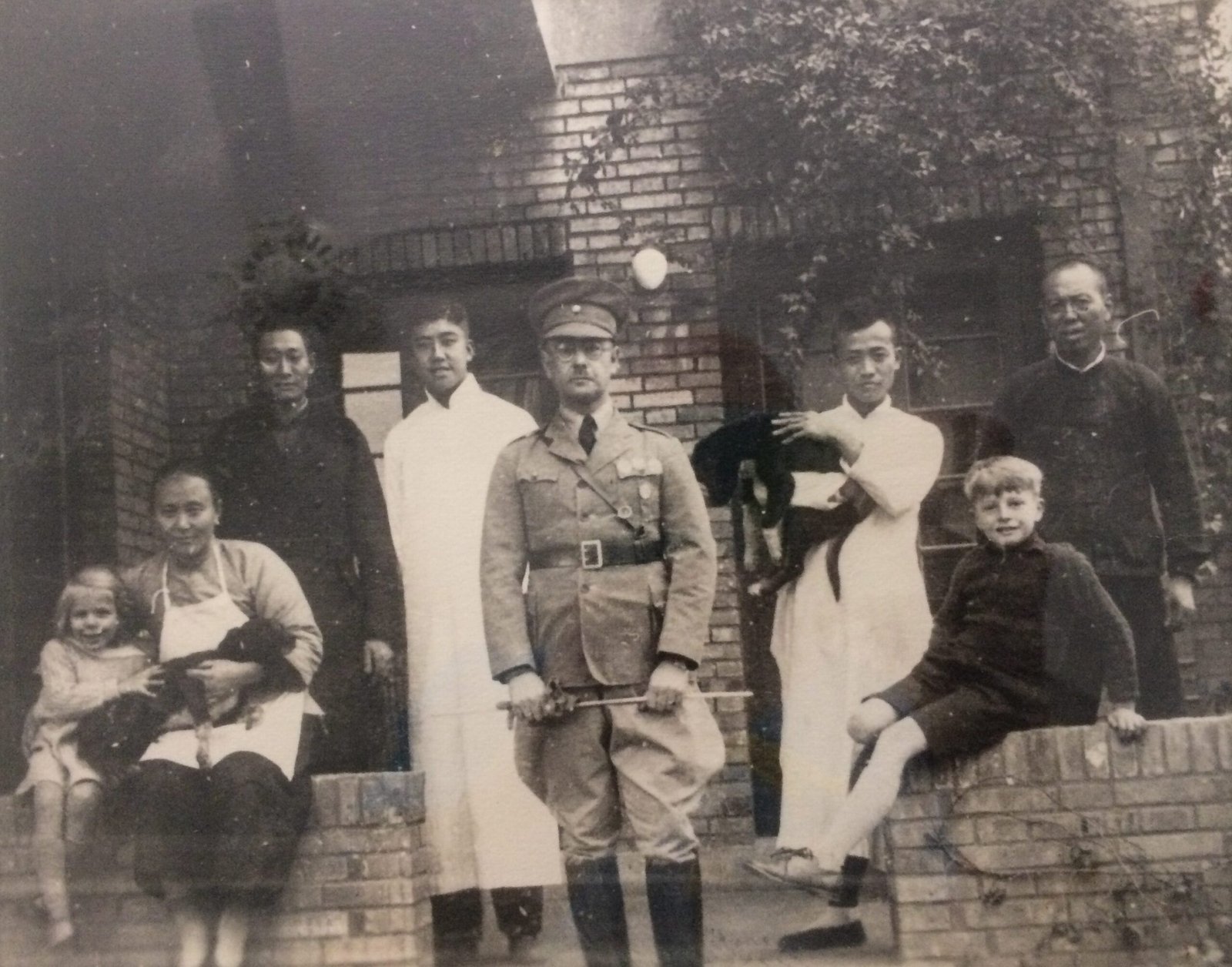
Trade flourished: Germany exported machinery, chemicals, and weapons while importing Chinese raw materials. The 1930s saw peak cooperation, with German firms like Siemens and Krupp establishing factories. However, Adolf Hitler’s strategic pivot toward Japan changed everything. The 1936 Anti-Comintern Pact and the need for Japanese raw materials led Germany to abandon China. In July 1941, Berlin severed diplomatic relations with the Nationalists and recognized the Japanese puppet regime of Wang Jingwei. German advisors were recalled, ending a golden era of military collaboration.
After 1945, Germany was divided. East Germany (GDR) aligned with the Soviet bloc and recognized the People’s Republic of China (PRC) in 1949. West Germany (FRG), bound by the Hallstein Doctrine and anti-communism, maintained limited economic ties with Taiwan while avoiding formal relations with Beijing. Trade trickled through third parties.
The breakthrough came in 1972, when West Germany established diplomatic relations with the PRC amid global détente. Chancellor Helmut Schmidt’s 1975 visit and Helmut Kohl’s 1980s missions opened the floodgates. German reunification in 1990 removed the last ideological barriers. The relationship shifted decisively toward economics.
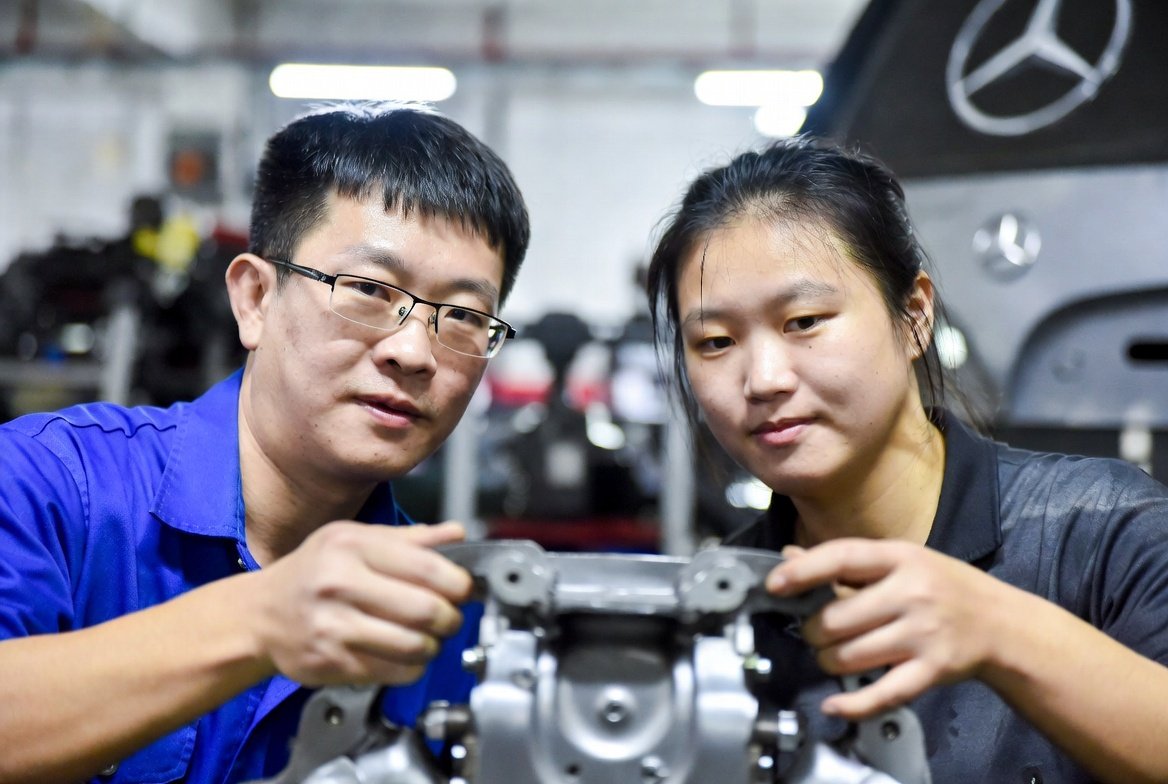
From the 1980s onward, Germany became China’s gateway to European technology and capital. Chinese reforms under Deng Xiaoping created perfect complementarity: Germany supplied high-end machinery, chemicals, and automobiles; China offered cheap labor, scale, and a massive market. By the 2000s, bilateral trade exploded. Germany’s “hidden champions” and giants like Volkswagen, BMW, Mercedes-Benz, BASF, and Siemens poured billions into joint ventures.
Volkswagen’s partnership with SAIC, begun in the 1980s, became legendary—half of VW’s global profits once came from China. BASF built one of the world’s largest chemical complexes in Nanjing. Siemens and Bayer expanded aggressively. German direct investment in China averaged €3.7 billion annually in the 2010s, peaking at €7.1 billion in 2022. China became Germany’s top trading partner for eight consecutive years by 2023, with trade surpassing €250 billion.
Cultural and educational exchanges deepened. German schools and universities in China (and vice versa) proliferated. The Goethe-Institut promoted language and culture. Missionary legacies subtly influenced modern Chinese Christianity, which grew rapidly after the 1980s using models of individual conversion pioneered by earlier German Protestants and Catholics.
This era embodied “change through trade.” German leaders from Schröder to Merkel visited China frequently, prioritizing economic pragmatism. Merkel made seven trips during her chancellorship. The 2004 strategic partnership and 2014 comprehensive upgrade symbolized mutual benefit.
The 2020s shattered the illusion of endless complementarity. China’s industrial upgrading turned former partners into competitors. Chinese electric vehicles, solar panels, batteries, and machinery flooded Europe, eroding German market share. German carmakers’ China sales plummeted from 24% to 12% of the domestic market between 2020 and 2025. For the first time in 2025, Germany imported more capital goods from China than it exported.
Trade data for 2025 revealed a record German deficit with China of approximately €87–88 billion. Bilateral goods trade reached 1.51 trillion yuan (about $217.83 billion), up 5.2% year-on-year, but German exports to China fell sharply while imports surged. China regained its position as Germany’s largest trading partner despite diversification efforts.
Geopolitics accelerated the shift. Russia’s invasion of Ukraine, U.S.-China tensions, and supply-chain vulnerabilities prompted Berlin’s first China Strategy in 2023. It framed China as “partner, competitor, and systemic rival.” “De-risking”—reducing critical dependencies without full decoupling—became official policy. Yet corporate resistance remained fierce; Volkswagen, BMW, and BASF lobbied hard for continued engagement.
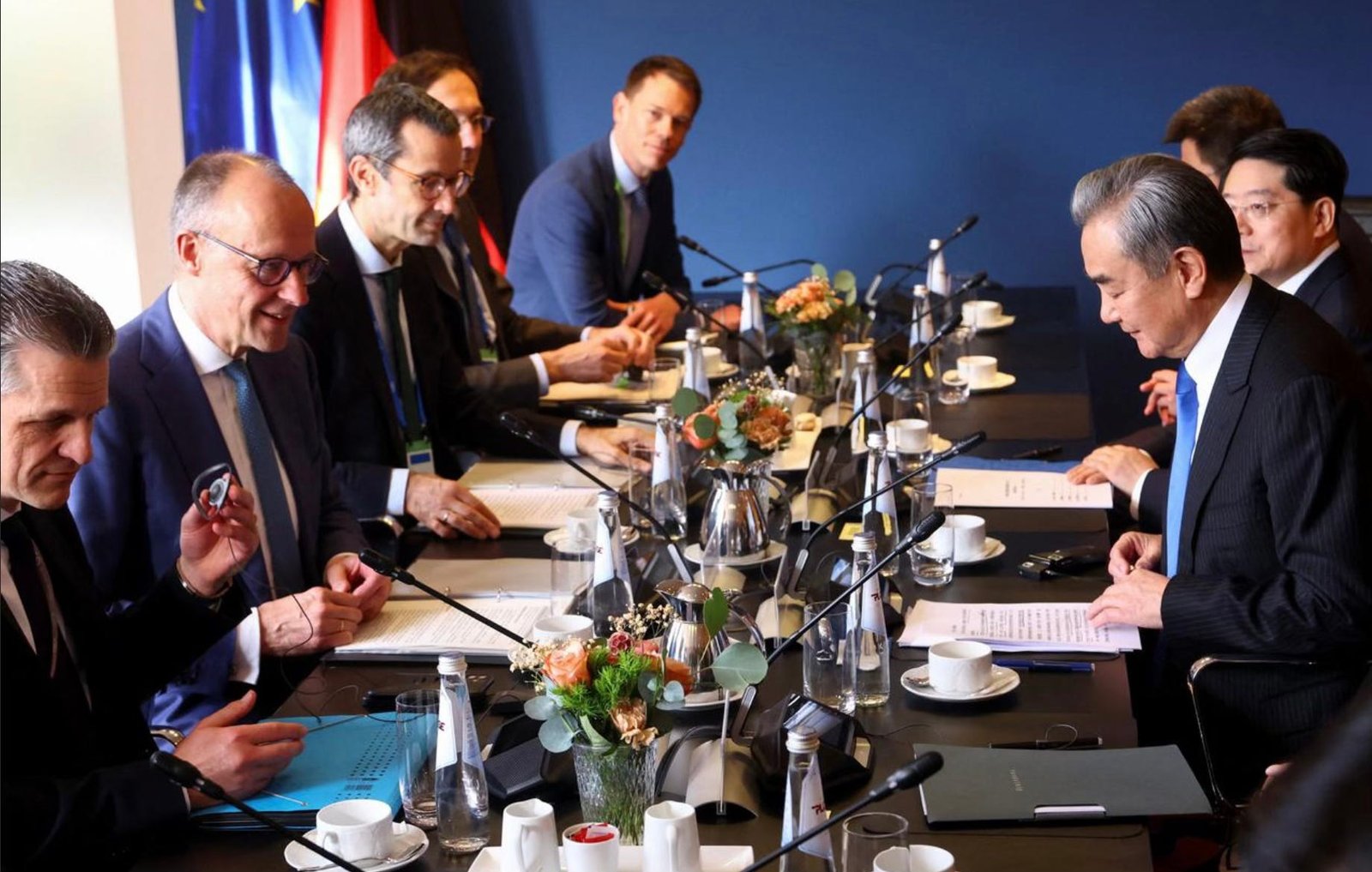
Chancellor Olaf Scholz’s 2022 visit with business leaders underscored continuity, but domestic divisions grew. Friedrich Merz’s election victory in 2025 and his February 2026 Beijing trip with 30 CEOs marked a pragmatic reset. The visit reaffirmed the “all-round strategic partnership” while emphasizing reciprocity, market access, and managed competition. Regular bilateral consultations were established, dialing back confrontational rhetoric.
Cultural and people-to-people ties persist. Over 100,000 Chinese students study in Germany, and German firms employ tens of thousands in China. Traces of the colonial past remain visible in Qingdao’s German architecture, now a tourist draw and UNESCO candidate. Tsingtao beer symbolizes enduring legacy.
The German presence in China has left indelible marks: colonial infrastructure in Qingdao, military modernization in the Republican era, and the industrial foundations of modern China. Missionaries helped shape Chinese Christianity’s resilient, localized form. Economically, Germany’s know-how accelerated China’s rise, while China’s market sustained German prosperity for decades.
Today, the relationship faces structural transformation. China no longer needs German technology as desperately; Germany cannot afford to lose the Chinese market entirely. The future hinges on whether Berlin can balance de-risking with pragmatism, and whether Beijing offers genuine reciprocity. As Chancellor Merz noted in 2026, Germany seeks neither isolation nor over-reliance.
In the end, the German presence in China illustrates the enduring power of economic logic over ideology. From Kaiser Wilhelm’s gunboats to Merz’s corporate delegation, the story is one of adaptation, ambition, and realism. As the world’s second- and third-largest economies navigate an era of strategic competition, their intertwined history suggests that cooperation—however cautious—will remain the default. The German-Chinese relationship is not just about trade statistics; it is a living testament to how distant nations can reshape each other across centuries.