 11
11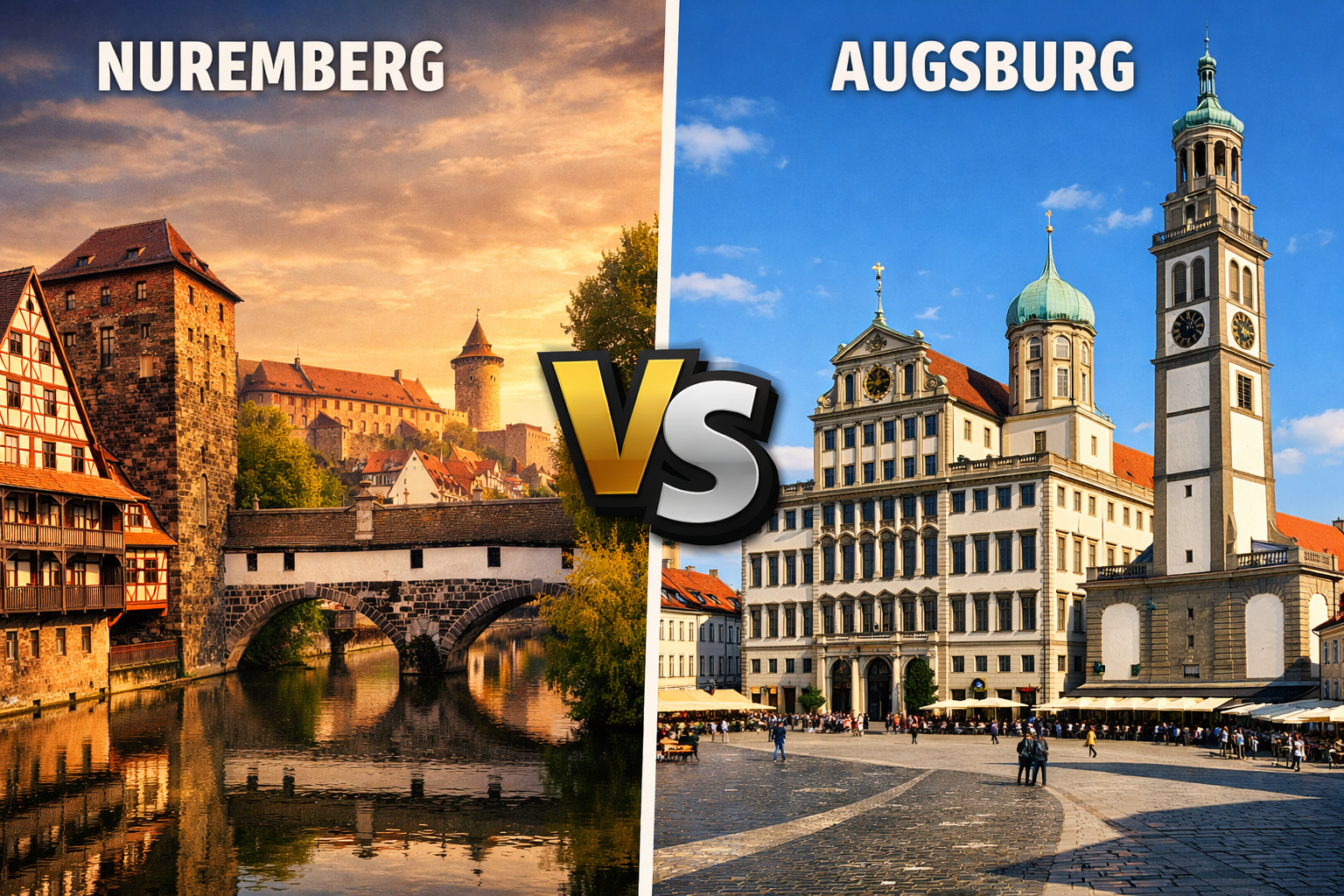
When families consider relocating within Germany, few regions rival the charm and practicality of Bavaria. Two standout cities—Nuremberg and Augsburg—offer distinct yet compelling lifestyles for parents raising children. Nuremberg, the larger metropolis with a population exceeding half a million, pulses with medieval history, innovative industry, and family-oriented attractions that blend old-world wonder with modern convenience. Augsburg, a compact gem of around 300,000 residents just an hour away by train, boasts deeper Roman roots, peaceful green spaces, and a more intimate community feel. Both cities sit in one of Europe’s most family-friendly states, where excellent public services, safe streets, and high-quality education are the norm.
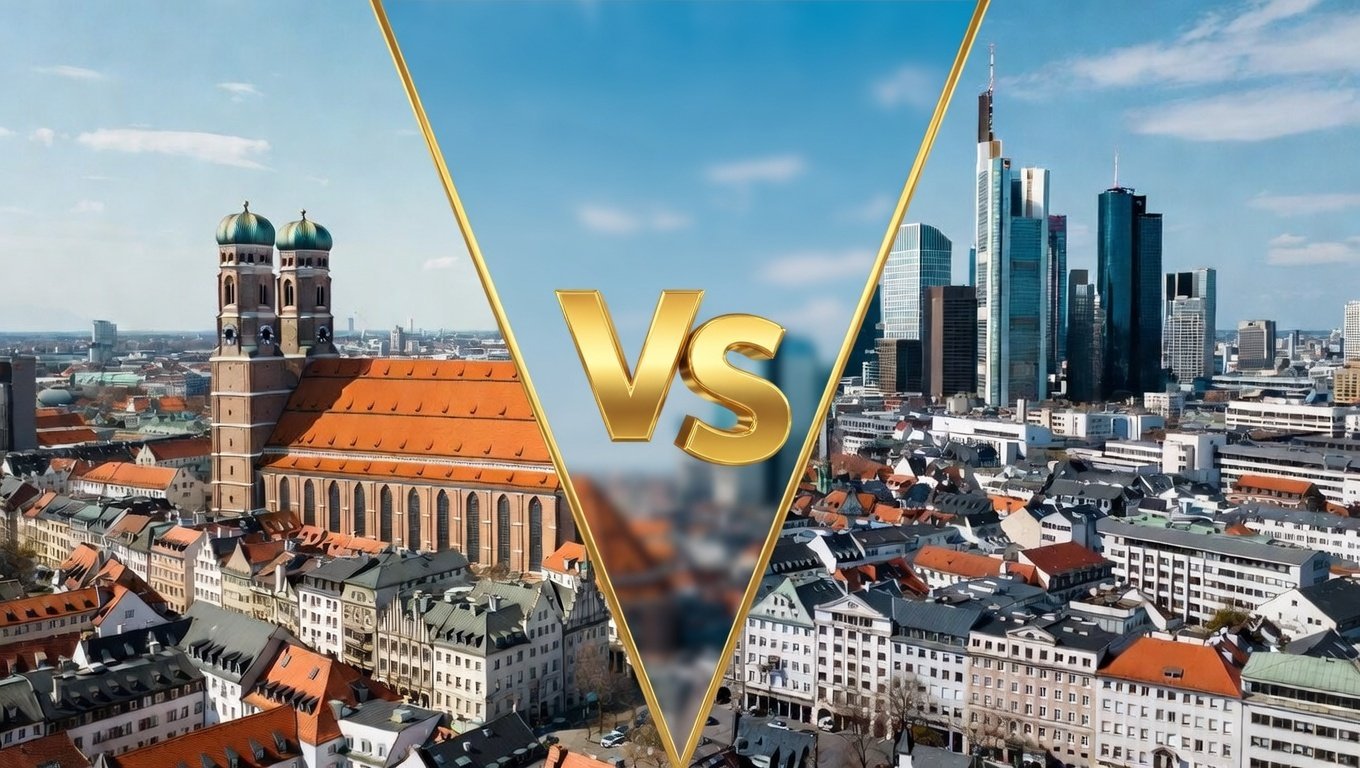
✅Also Read: Frankfurt vs Munich: Which City Offers the Best Lifestyle for Expats
When families consider relocating within Germany, few regions rival the charm and practicality of Bavaria. Two standout cities—Nuremberg and Augsburg—offer distinct yet compelling lifestyles for parents raising children. Nuremberg, the larger metropolis with a population exceeding half a million, pulses with medieval history, innovative industry, and family-oriented attractions that blend old-world wonder with modern convenience. Augsburg, a compact gem of around 300,000 residents just an hour away by train, boasts deeper Roman roots, peaceful green spaces, and a more intimate community feel. Both cities sit in one of Europe’s most family-friendly states, where excellent public services, safe streets, and high-quality education are the norm.
But which one truly stands out for families? This in-depth comparison examines every aspect that matters most to parents: from the cost of raising kids to the quality of schools, the thrill of weekend adventures, and the everyday rhythms of life that make a place feel like home. Whether you prioritize vibrant city energy, affordability, or serene suburban vibes, this guide delivers a balanced, evidence-based analysis to help you decide. Spoiler: both cities shine, but one edges ahead for most families seeking variety and opportunity without sacrificing Bavarian warmth.
Nuremberg’s story stretches back over 1,000 years. Its iconic Imperial Castle overlooks a meticulously restored Old Town, where cobblestone streets wind past half-timbered houses and the famous Hauptmarkt square. For families, this isn’t just history—it’s an open-air classroom. Kids can imagine knights in the castle towers or explore the Toy Museum, home to one of the world’s largest collections of playthings, sparking creativity in every visit.
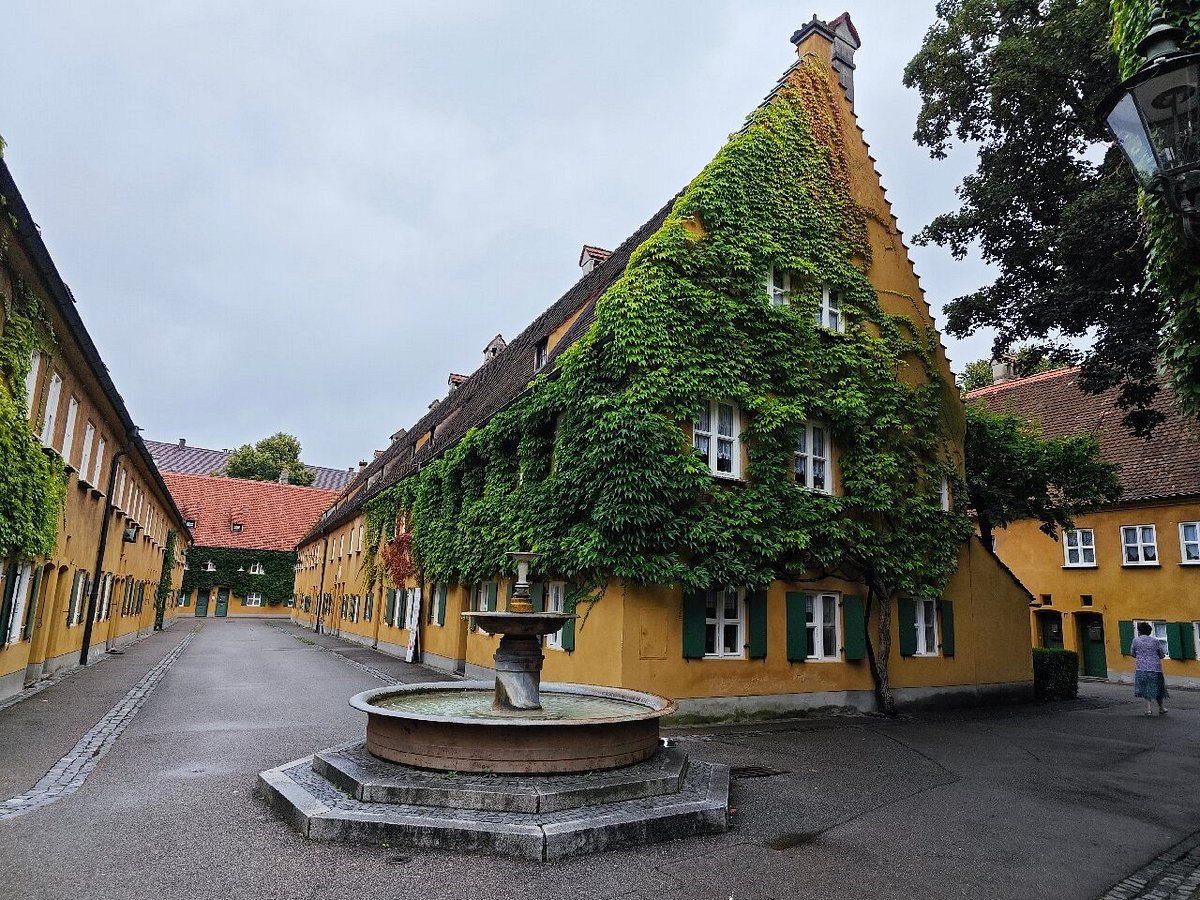
Augsburg, founded by the Romans in 15 BC, claims the title of Germany’s oldest city. Its UNESCO-listed Water Management System and the Fuggerei—the world’s oldest social housing complex still in use—tell tales of innovation and compassion. Families strolling through the Fuggerei’s colorful courtyards feel transported to a fairy tale, with children chasing pigeons around ancient fountains while parents soak in the peaceful atmosphere.
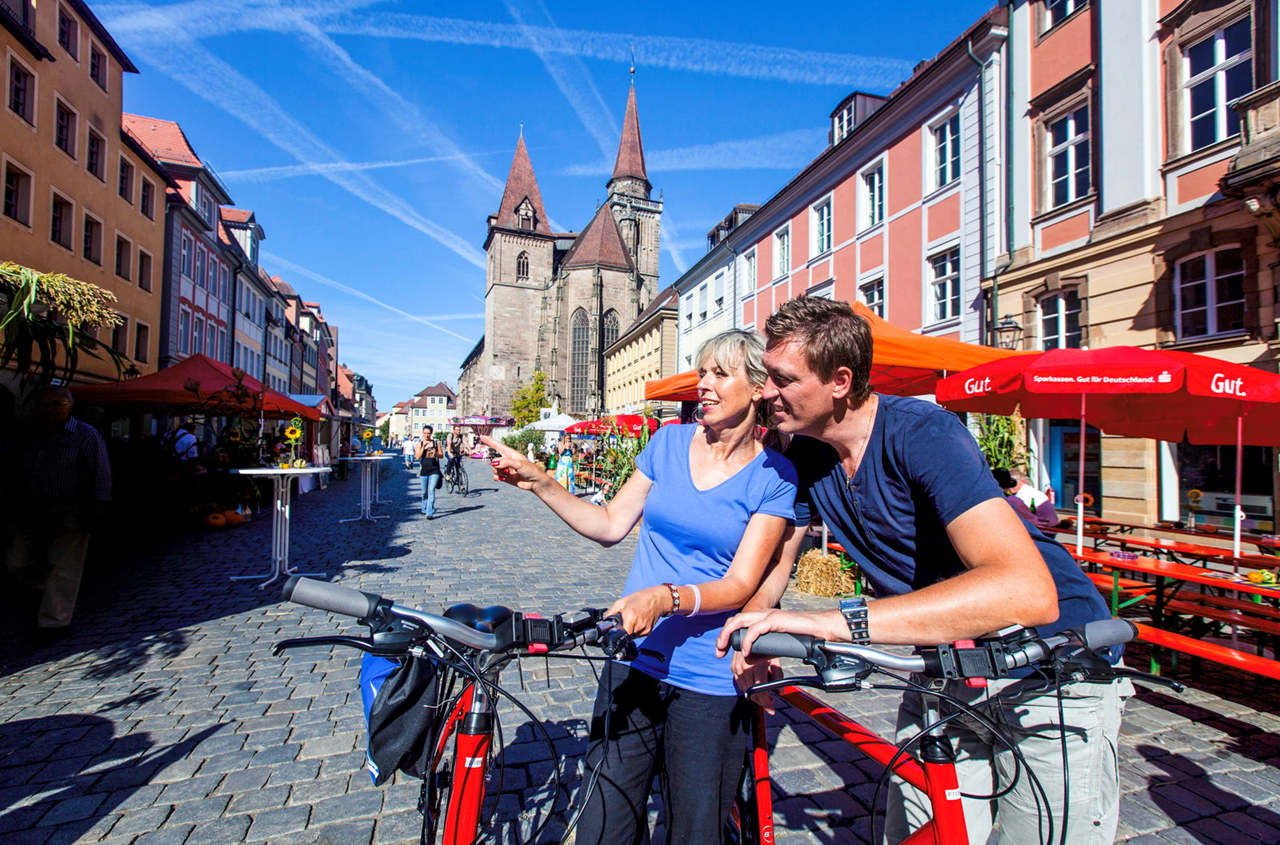
The contrast is clear: Nuremberg offers scale and spectacle, while Augsburg delivers intimacy and authenticity. Both cities maintain pristine historic centers free of heavy traffic, making them ideal for family bike rides or leisurely walks. Yet their modern sides reveal different strengths—Nuremberg’s tech and manufacturing hubs attract ambitious parents, while Augsburg’s proximity to the Alps and Lech River invites nature-loving families to explore forests and lakes on weekends.
Raising a family demands smart budgeting, and here the numbers favor careful comparison. According to detailed cost-of-living indexes, Nuremberg and Augsburg are remarkably similar, with differences under 5% in most categories. A family of four can expect monthly expenses (excluding rent) around €3,500–€4,000 in either city—affordable by German standards and far below Munich’s premium prices.

Housing reveals nuance. In Nuremberg, a three-bedroom apartment in the city center averages €1,400–€1,600 monthly, dropping to €1,200 outside the core. Augsburg’s rents run slightly higher in premium spots (around €1,650 for similar units) but often prove more competitive in family suburbs, with three-bedroom homes available from €1,100–€1,400. Groceries, utilities, and dining out align closely: a family meal at a casual restaurant costs €50–€60, while kindergarten fees hover between €350–€550 per child monthly in both places.
Nuremberg edges out with more housing inventory thanks to its size, including modern family apartments in green districts. Augsburg shines for value in leafy neighborhoods like Gersthofen or Diedorf, where spacious homes with gardens suit young families at lower entry prices. Both cities offer generous child allowances and subsidized childcare through Germany’s robust social system, easing the financial load. For dual-income households, Nuremberg’s stronger job market in engineering, logistics, and creative industries often translates to higher average salaries (€3,700+ after tax), while Augsburg’s lower living costs balance its slightly smaller economic base.
Transportation adds savings: both boast efficient public systems with family-friendly day passes under €10. Owning a car is optional—biking and trams dominate, keeping fuel and parking expenses minimal.
Bavaria’s education system ranks among Germany’s best, emphasizing play-based early learning and strong academics. Families in both cities access free public kindergartens (Kindergarten) from age three, with waitlists shorter in Augsburg’s smaller scale. Private options abound for international or bilingual needs.
Nuremberg benefits from the Franconian International School in nearby Erlangen, offering English-language IB and German curricula for ages 3–18. Tuition runs €15,000–€18,000 annually, but scholarships and employer support are common. Public schools here excel in STEM, supported by the city’s industrial legacy—think hands-on programs at the DB Railway Museum or Toy Museum that double as field trips.

Augsburg hosts the International School Augsburg (ISA) in Gersthofen, a smaller, close-knit institution serving 350 students with English instruction and strong community ties. Fees are comparable, and its location near family neighborhoods simplifies drop-offs. Public schools in Augsburg emphasize arts and outdoor education, leveraging the city’s parks and rivers.
Childcare quality is excellent everywhere: trained educators focus on social skills and nature play. Nuremberg offers more specialized programs (music academies, sports clubs), while Augsburg’s smaller classes foster tighter parent-teacher bonds. Both cities integrate language support for expat kids seamlessly, ensuring smooth transitions.
Safety is a non-issue in both. Bavaria’s major cities top national crime rankings, with Nuremberg and Augsburg among the safest large urban areas—low violent crime, family-friendly streets, and responsive emergency services. Parents report feeling secure letting kids play in parks or cycle to school.

Healthcare shines through universal coverage. Nuremberg’s Klinikum is one of Europe’s largest municipal hospitals, with top pediatric departments and quick specialist access. Augsburg University Hospital provides comprehensive care, including a dedicated Mother-Child Centre. Family doctors are abundant, and preventive programs (vaccinations, dental check-ups) are free or low-cost. Both cities emphasize holistic well-being, with abundant green spaces reducing stress and promoting active lifestyles.
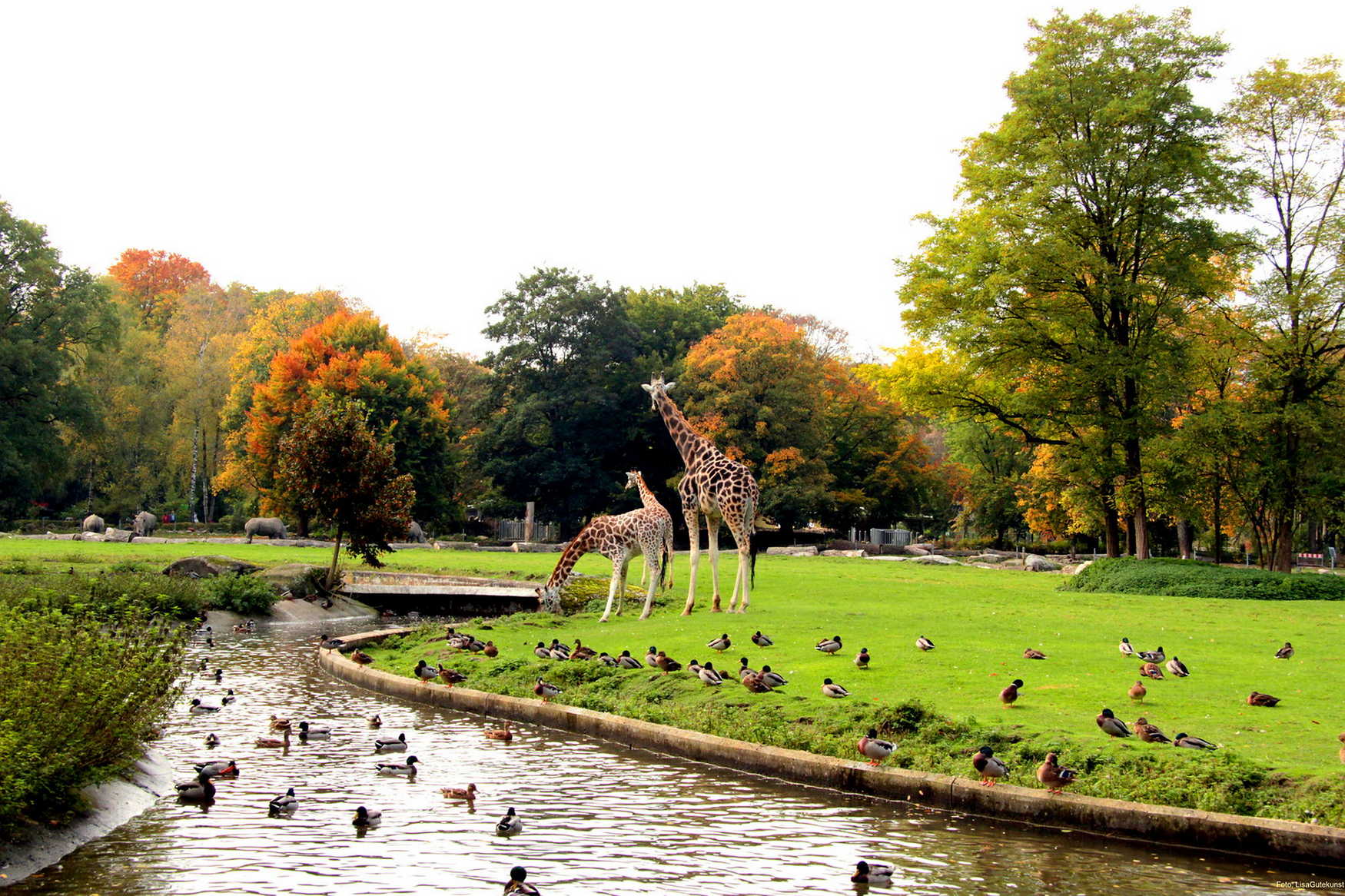
This is where personalities diverge most delightfully. Nuremberg dazzles with world-class kid magnets. The Tiergarten Nuremberg Zoo spans vast grounds with dolphin shows, petting farms, and a miniature train—perfect for all-day family outings. Nearby Playmobil FunPark in Zirndorf transforms kids into giants among life-sized toys, featuring pirate ships, knight castles, and indoor play zones for rainy days.
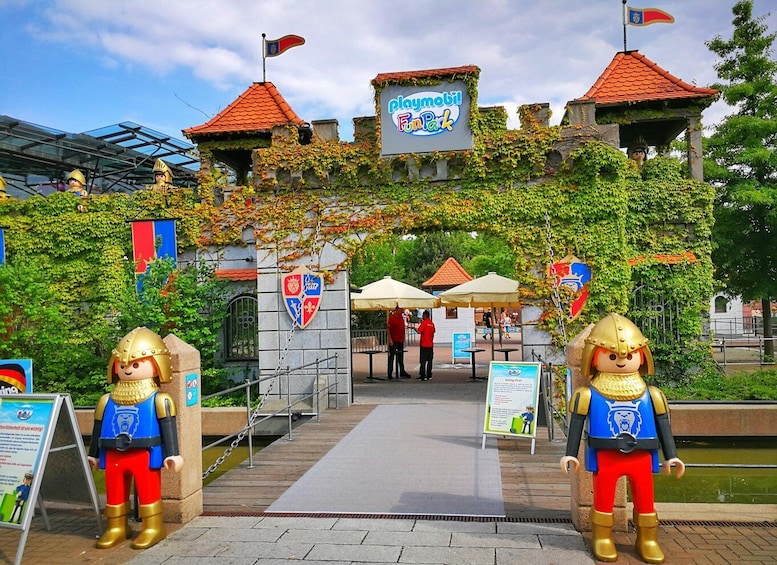
Parks like Luitpoldhain offer playgrounds, lakes, and picnic spots. Indoor options such as Tucherland’s trampolines and climbing walls keep energy high year-round. Cultural gems—the Toy Museum, German National Museum—feature interactive exhibits that engage young minds without feeling like chores.
Augsburg counters with accessible, nature-infused fun. Its Zoo combines animals with playgrounds and water features, ideal for toddlers. The Botanical Garden and numerous inclusive playgrounds (some with water elements or low-ropes courses) encourage outdoor exploration. Families adore the Fuggerei’s living history and the Puppet Museum’s whimsical shows. Nearby Legoland Deutschland (just 50 km away) is a short drive, while indoor trampoline parks and the Titania Therme water complex provide weather-proof entertainment.
Both cities host seasonal festivals, farmers’ markets, and free outdoor concerts. Nuremberg’s scale means more big events; Augsburg’s compactness makes every outing feel like a neighborhood adventure. Day trips abound: Nuremberg families reach Franconian Switzerland’s caves and castles easily, while Augsburg residents enjoy the Allgäu Alps or Lake Ammersee.
Germany’s public transport excellence shines here. Nuremberg’s VGN network and Augsburg’s AVA buses/trams connect neighborhoods affordably, with stroller-friendly designs and family tickets. Biking infrastructure is superb—dedicated lanes link homes to schools and parks, promoting healthy habits.

Car ownership is low; both cities are walkable, reducing pollution and traffic stress. Airports (Nuremberg’s is larger) and high-speed rail to Munich or Frankfurt make family vacations effortless. Groceries arrive via efficient supermarkets and weekly markets offering fresh, local produce—think pretzels, sausages, and seasonal fruits that delight picky eaters.
Bavarian warmth defines both. Neighborhood associations, parent groups, and sports clubs (football, swimming, gymnastics) build instant networks. Nuremberg’s diversity suits multicultural families; Augsburg feels more tight-knit, with strong church and volunteer ties.

Food culture celebrates family meals. Nuremberg’s bratwurst and lebkuchen pair with kid-friendly beer gardens (non-alcoholic options abound). Augsburg’s Swabian influences bring hearty dumplings and cozy cafés. Both emphasize organic markets and family-run bakeries, making healthy eating easy and fun.
Nuremberg Pros: Greater variety of attractions, stronger job market, more international schooling options, larger cultural scene. Nuremberg Cons: Slightly busier pace, marginally higher central rents in peak areas.
Augsburg Pros: More affordable suburbs, quieter lifestyle, easier access to Legoland and nature, intimate community feel. Augsburg Cons: Fewer big-city amenities, smaller expat networks.
After weighing every factor, Nuremberg emerges as the slightly better choice for the majority of families. Its scale delivers unmatched variety—world-class zoos, toy-themed parks, and educational museums—while maintaining Bavaria’s legendary safety and services. The job opportunities and housing options support long-term stability, and the city’s energy inspires children to dream big. Families here enjoy a perfect balance: historic magic on their doorstep, modern conveniences nearby, and endless weekend escapes.
That said, Augsburg is no runner-up. It excels for parents craving peace, lower-key living, and deep historical immersion without sacrificing quality. If your priority is affordability in a green suburb or proximity to specific nature spots, Augsburg could be ideal.
Ultimately, visit both. Spend a weekend in each—bike the old towns, picnic in the parks, chat with locals at markets. The “better” city is the one that feels like home for your family’s unique rhythm. In Bavaria, you can’t go wrong. Both Nuremberg and Augsburg promise childhoods filled with laughter, discovery, and that unmistakable German Gemütlichkeit—cozy contentment that turns any house into a forever home.