 11
11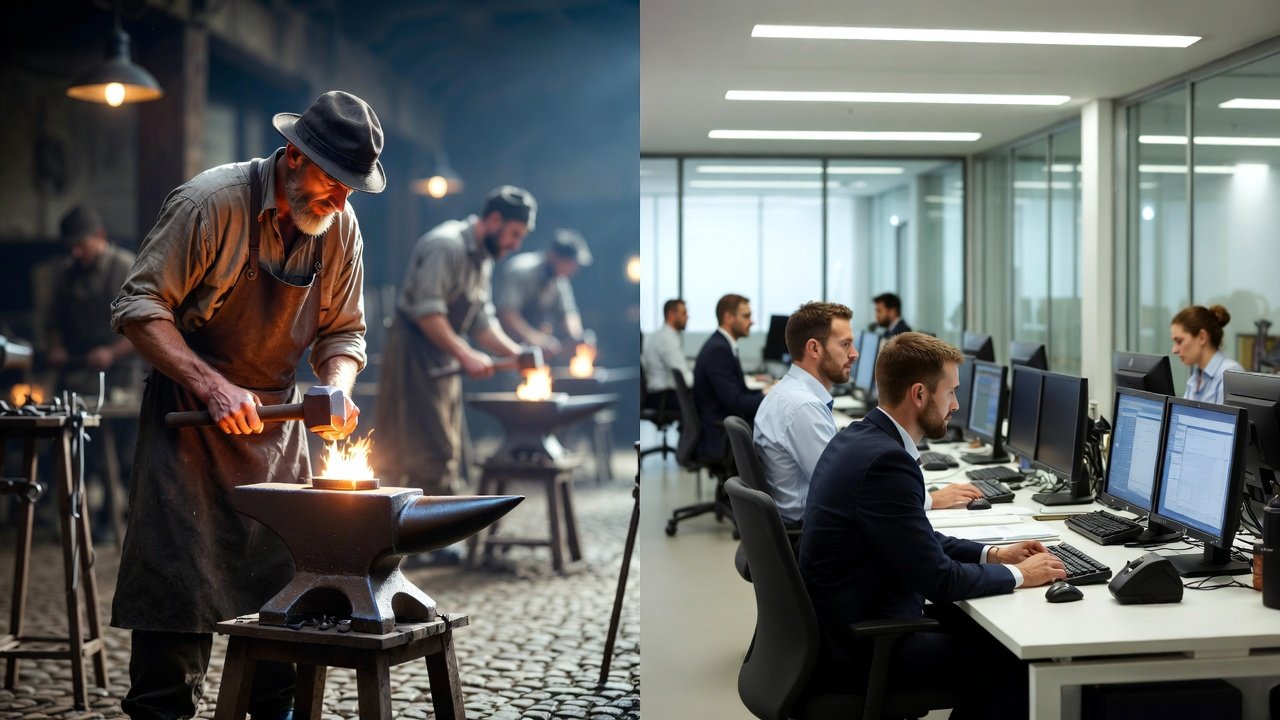
Germany is often recognized as Europe’s largest economy, but its global significance goes beyond GDP figures. The nation serves as a living case study in how a deeply ingrained work ethic can transform a country. Discipline, precision, responsibility, and the notion of professional “calling” (Beruf) have propelled Germany from a fragmented, war-torn land into a world-leading industrial powerhouse. While its roots stretch back to the 16th century, the impact of German work ethics continues to shape its society and economy today, facing new challenges brought by Generation Z and a rapidly changing global market.
This article explores the historical origins of Germany’s work ethic, its evolution through industrialization, its role in the post-World War II economic miracle (Wirtschaftswunder), and how modern generations are redefining the concept.
✅Read also: Beyond Einstein: 10 German Contributions That Changed the World
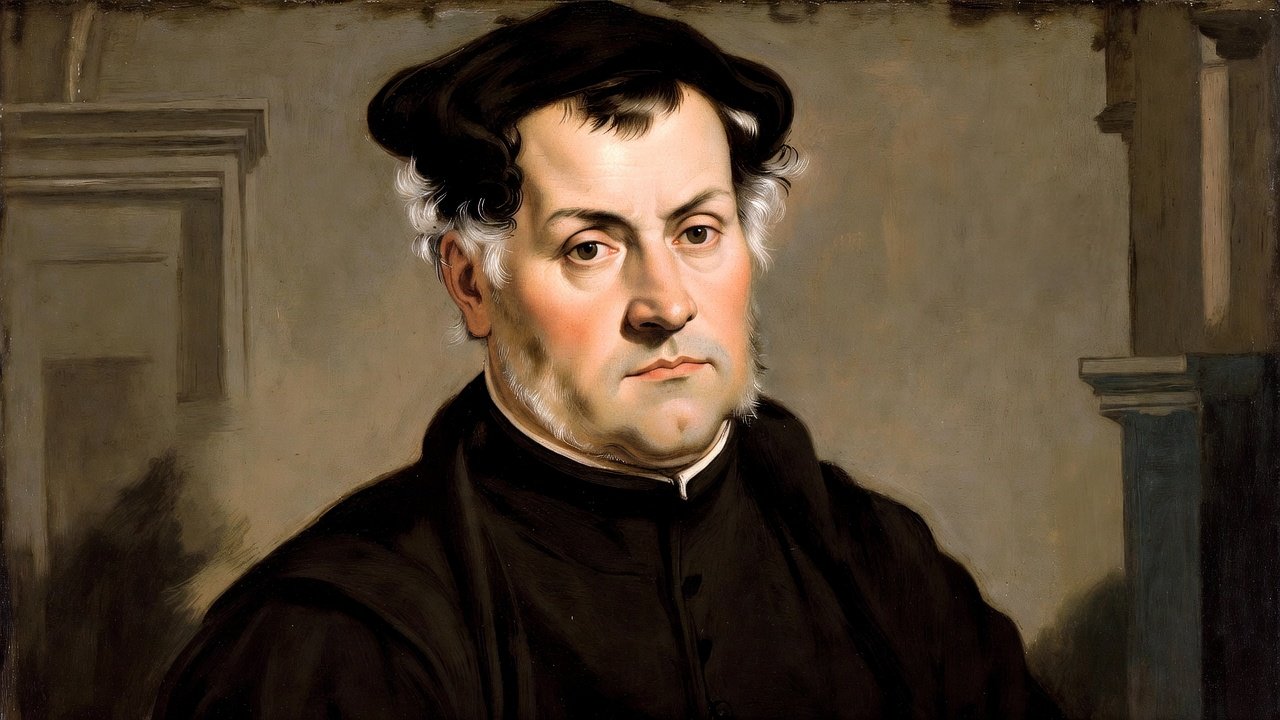
The story of Germany’s work ethic begins with Martin Luther in 1517. By challenging the Catholic Church, Luther not only initiated the Protestant Reformation but also redefined the concept of work. In his view, work was not a punishment or a lesser means of existence — it was a divine calling, a Beruf. This idea was revolutionary: every honest occupation, whether farming, craftsmanship, or trade, was a way to serve God. Laziness, wastefulness, and the pursuit of immediate pleasure became morally reprehensible.
In the Protestant regions of northern and central Germany, this concept of vocation led to a culture emphasizing:
Max Weber, in his seminal 1905 work The Protestant Ethic and the Spirit of Capitalism, analyzed this cultural phenomenon. He argued that Protestantism fostered a rational, disciplined mindset conducive to capitalism. In other words, the seeds of modern German economic success were sown centuries before the Industrial Revolution, rooted in the Protestant ethic. Germany, Weber suggested, became the ideal fertile ground where disciplined labor, rational planning, and moral responsibility coalesced to drive economic growth.
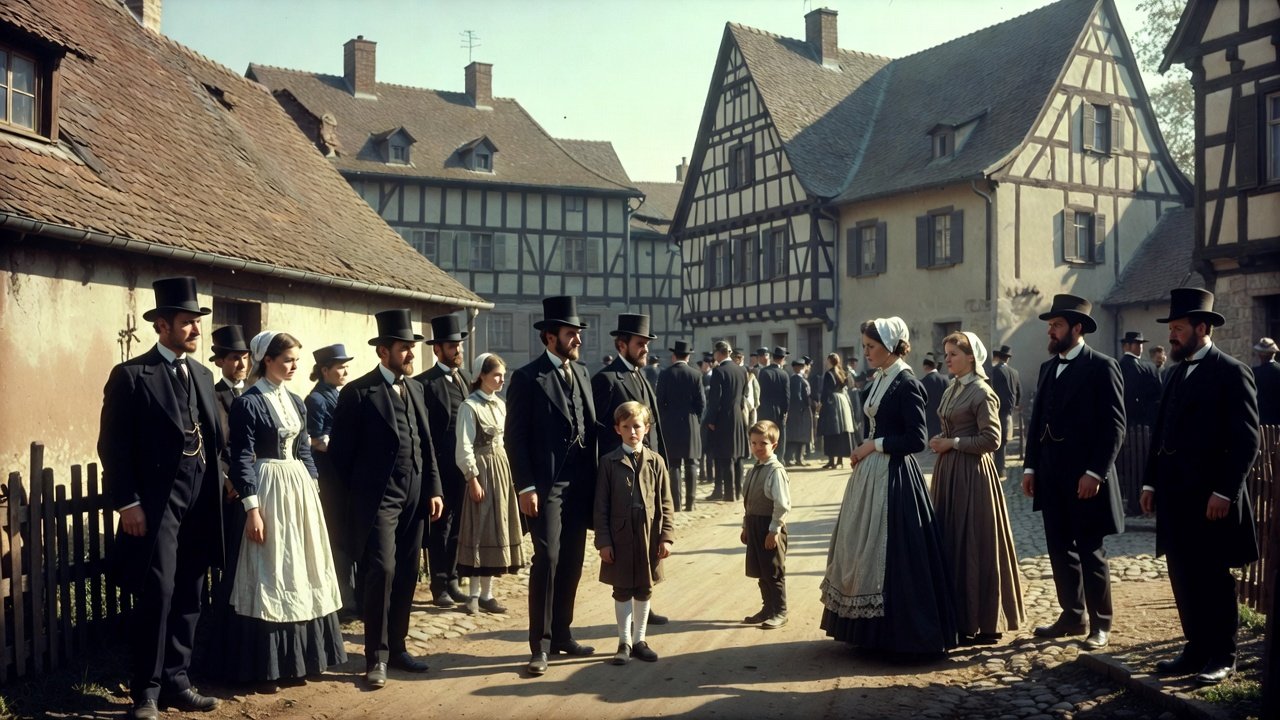
By the late 19th century, Germany’s work ethic manifested in tangible economic outcomes. The Industrial Revolution transformed the nation, combining technological innovation with cultural discipline. Key characteristics of this era included:
Companies such as Siemens, Bosch, Mercedes-Benz, and Bayer thrived because their founders and employees viewed work as a moral duty. Even after the devastation of World War I, Germany emerged as the world’s second-largest industrial power by the 1930s, showcasing how a disciplined work ethic could drive economic resilience and growth.
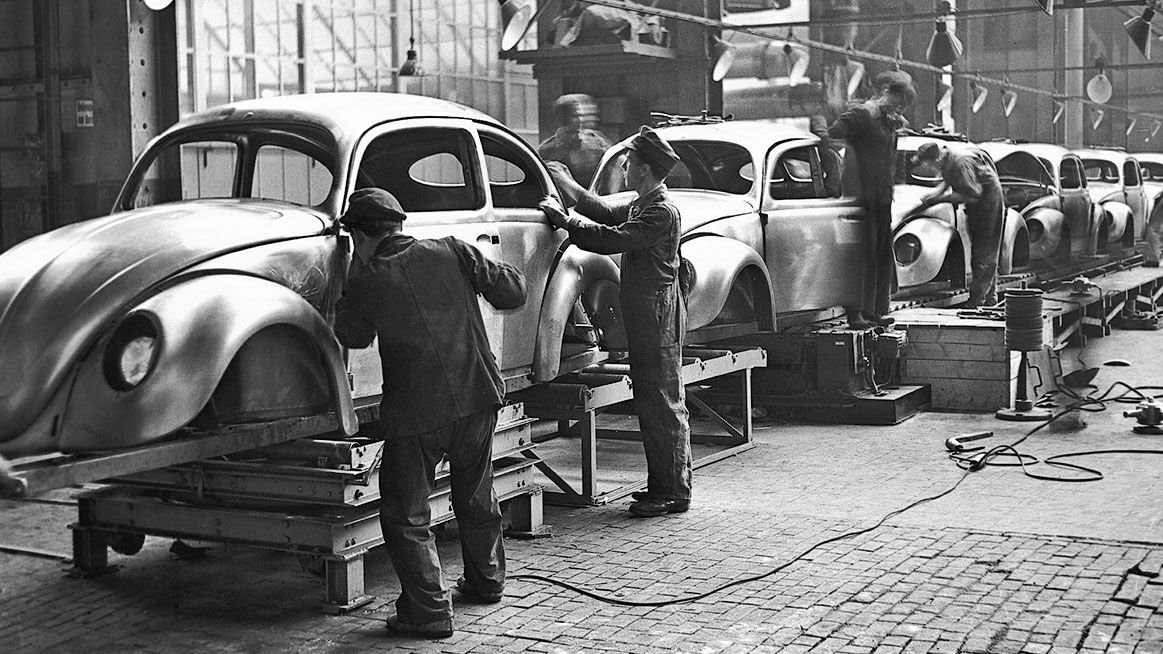
The end of World War II left Germany in ruins:
Between 1948 and 1949, Ludwig Erhard implemented currency reforms and established the Social Market Economy. While the Marshall Plan provided vital aid, the primary driver of recovery was domestic: German workers rebuilt factories, often in exhausting shifts, without widespread strikes.
This period highlights several critical elements of German work ethic in practice:
The results were extraordinary. Average growth rates during the 1950s and 1960s reached 8% per year. Within 15 years, Germany rose from ruins to the largest European GDP, embodying the Wirtschaftswunder or “economic miracle.” The disciplined, reliable, and efficient German worker became a global model, cementing Germany’s international reputation for precision and excellence.
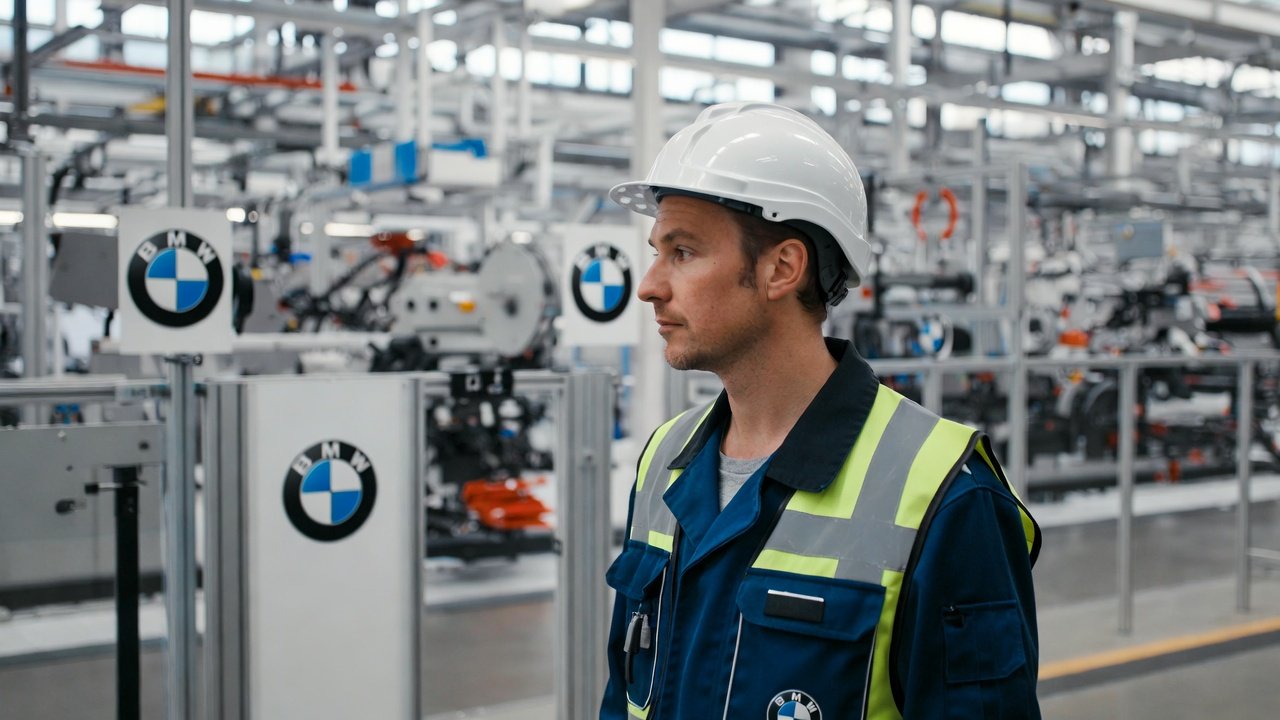
The legacy of Germany’s work ethic persists in modern society and industry:
The “Made in Germany” label remains a global hallmark of quality, reflecting cultural values deeply embedded in German society.

The 2024 Shell Youth Study provides insight into the values of German Generation Z (ages 12–25). This generation is pragmatic and optimistic, but their approach to work shows clear evolution:
While traditional values like diligence and ambition remain strong (82% value performance), there is growing emphasis on:
Modern German youth work long hours, yet they reject the “work for work’s sake” model that dominated previous generations. Integration of immigrants, globalization, and evolving societal norms challenge Germany to maintain discipline and cohesion in a more diverse workforce.
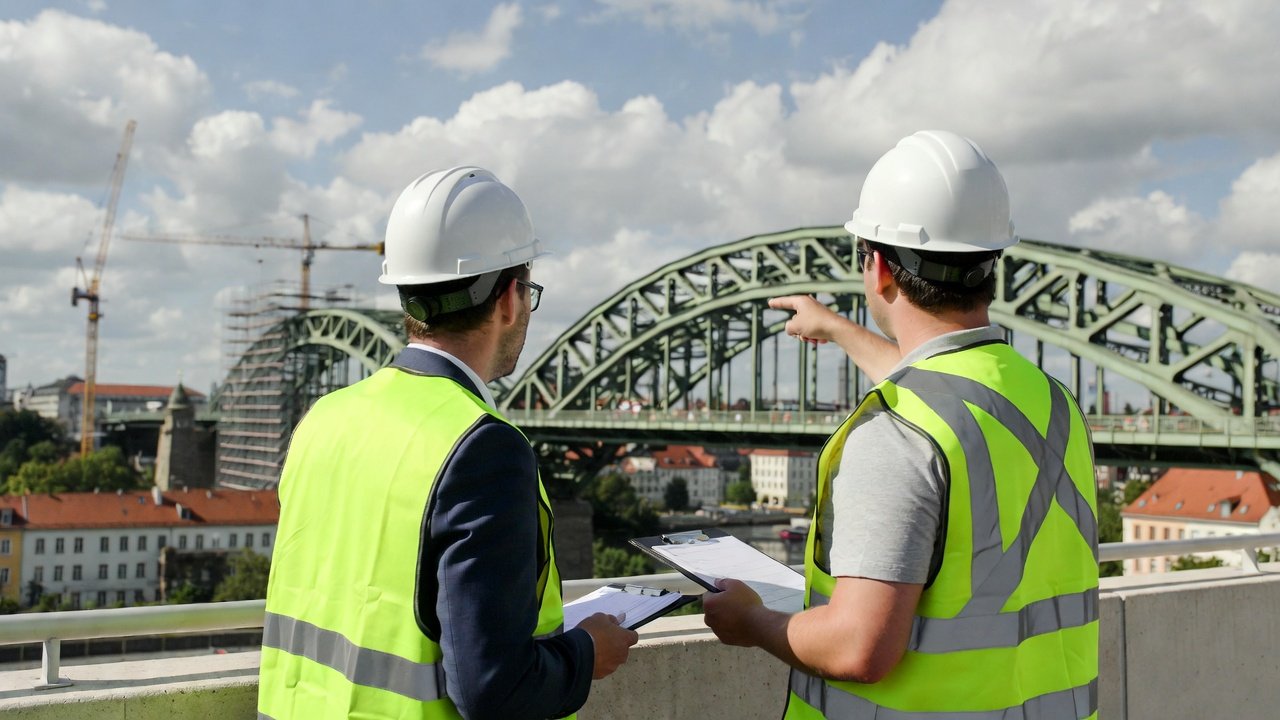
The German work ethic has shaped not only the economy but also cultural and social life:
Historically, these values contributed to social cohesion, national resilience, and the ability to recover from crises — from post-war reconstruction to global economic challenges.

Several historical factors underpin Germany’s enduring work ethic:
Together, these factors explain why Germany continues to lead in exports, maintain high productivity, and cultivate a skilled workforce decades later.
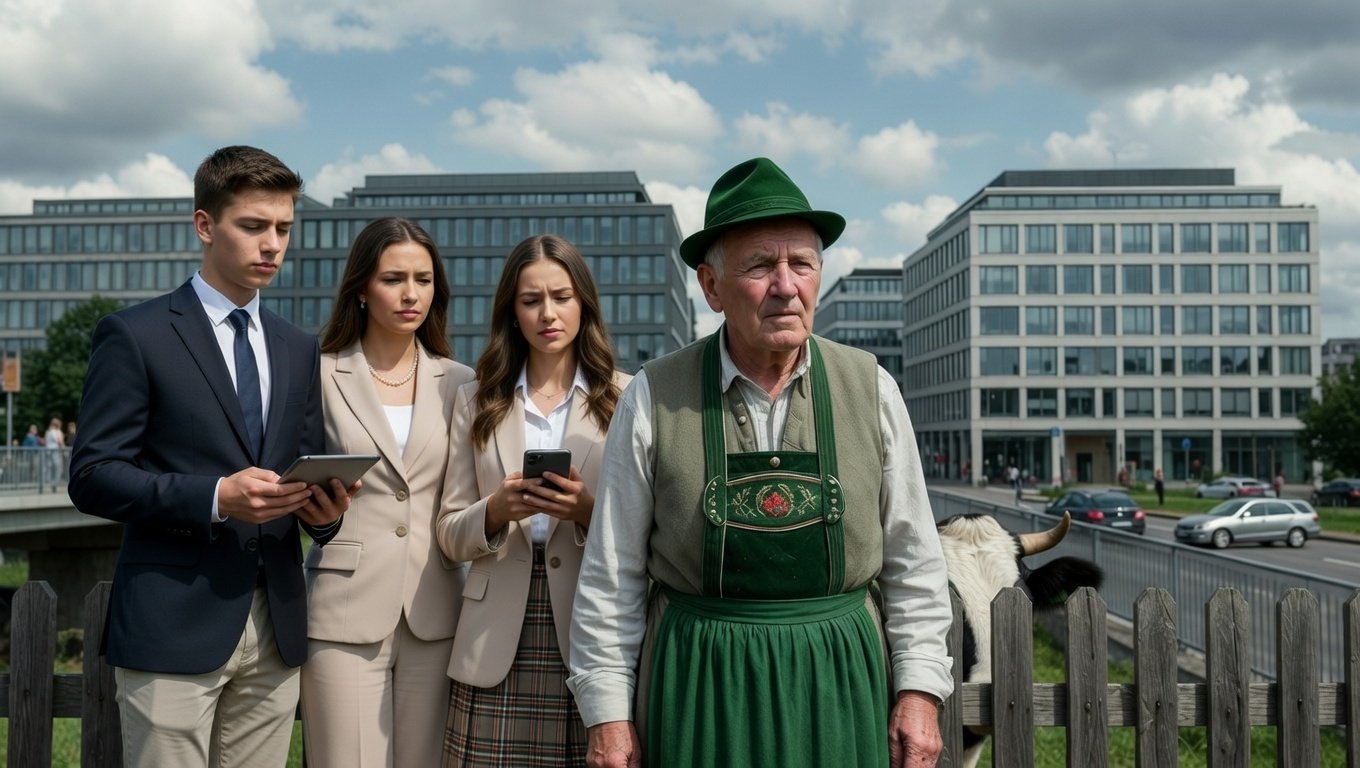
While Germany’s classical work ethic remains powerful, modern realities present challenges:
Germany’s task is to integrate these new priorities while preserving the excellence, precision, and responsibility that define its work ethic.
Germany’s work ethic has shaped the nation as few other cultural forces have shaped any country. From Luther’s divine calling to Weber’s capitalist spirit, from the Industrial Revolution to the Wirtschaftswunder, discipline, diligence, and vocational dedication have produced resilience, innovation, and prosperity.
Today, Generation Z seeks economic success with meaning, flexibility, and well-being. The challenge for Germany is not merely continuity but adaptation. By aligning traditional excellence with modern priorities — purpose, balance, and mental health — Germany can sustain its global leadership for centuries.
Key takeaway: Work ethic is not static. When integrated with vision, purpose, and social balance, it not only builds nations — it ensures they endure. Germany’s history shows that ethical labor, disciplined culture, and vocational dedication remain powerful tools for societal and economic success, even in the face of 21st-century challenges.