 11
11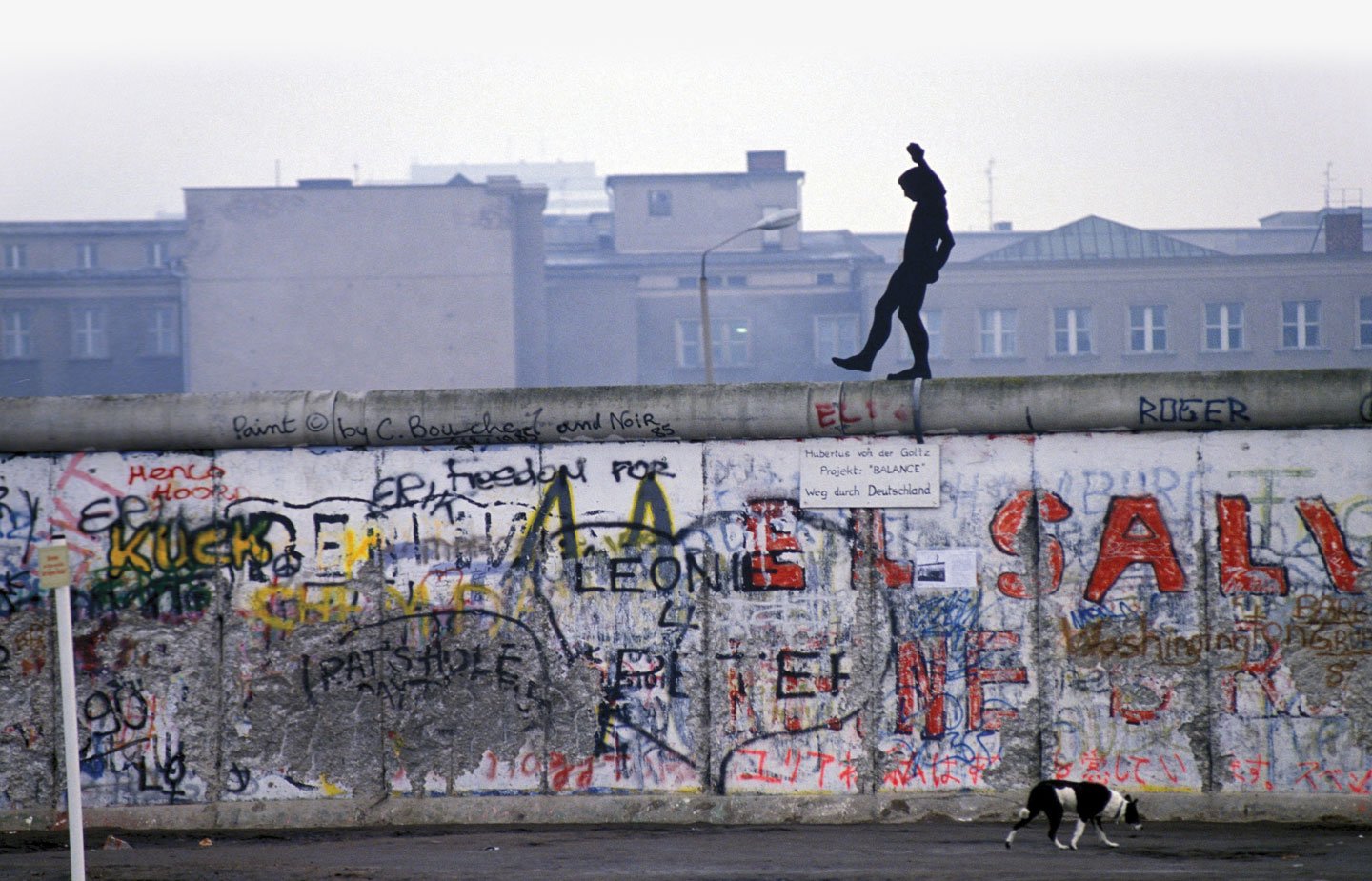
The division of Germany during the Cold War was far more than a political split — it became a physical, social, and psychological rupture symbolized by concrete walls, militarized borders, surveillance systems, and everyday restrictions that shaped millions of lives. From the Berlin Wall and its deadly border zones to watchtowers, secret police, and divided cities, these symbols reveal how ideology was enforced through space, fear, and control. Understanding these landmarks is essential to grasp the true meaning of a divided nation and the lasting impact of the Cold War in Europe. Read the full article and discover the Top 10 symbols of Germany’s division, exploring their history, meaning, and why they still matter today.
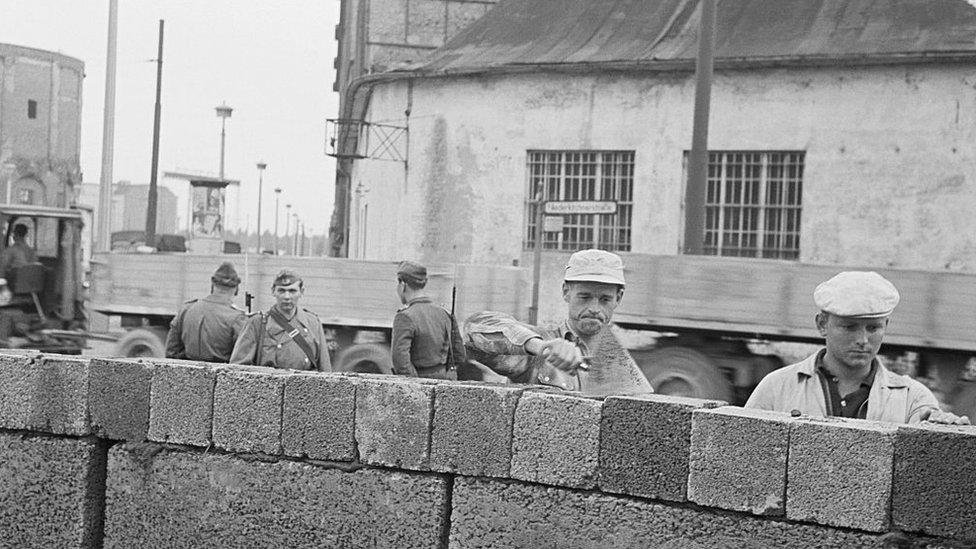
The Berlin Wall stands as the most iconic and recognizable symbol of Germany’s division. Built in 1961, it was not simply a wall but a vast and complex border system consisting of concrete slabs, barbed wire, watchtowers, floodlights, guard dogs, alarm systems, and restricted zones. Its official purpose was to protect the East from Western influence, but its real function was to prevent East German citizens from escaping to the West.
The wall cut directly through streets, neighborhoods, cemeteries, and even buildings. Families were separated overnight, lifelong friendships were severed, and daily routines disappeared instantly. For many East Berliners, the wall became a constant reminder that freedom was visible but unreachable, standing just meters away.
On the eastern side, the wall represented fear, control, and state violence. Border guards were ordered to shoot escapees if necessary. On the western side, it symbolized oppression and the failure of the socialist system to retain its own people voluntarily.
After its fall in 1989, the Berlin Wall transformed from an instrument of repression into a global historical memorial. Its remaining fragments serve as permanent reminders that Germany’s division was not abstract — it was brutally real.
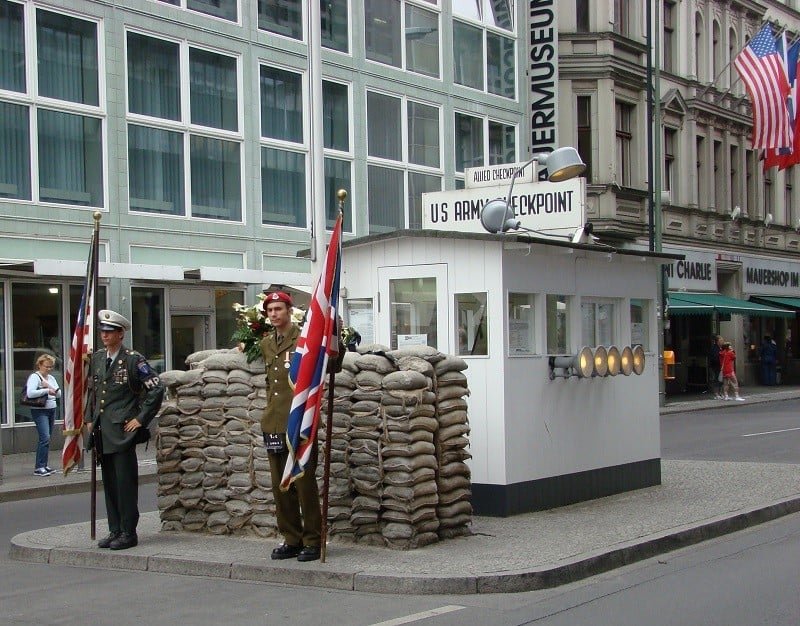
Checkpoint Charlie was the most famous crossing point between East and West Berlin. Unlike other checkpoints, it was primarily used by diplomats, foreign nationals, and military personnel, making it an international focal point during the Cold War.
The site gained worldwide attention in 1961 when American and Soviet tanks faced each other at close range, creating one of the tensest standoffs of the Cold War. For hours, the possibility of a direct military confrontation between nuclear superpowers loomed over the city.
For East Germans, Checkpoint Charlie symbolized exclusion. Many passed by it daily knowing they would never legally cross to the other side. For the West, it became a visible symbol of ideological confrontation and resistance.
Today, Checkpoint Charlie functions as both a tourist attraction and a memorial, but its historical significance remains deeply tied to the fragility of peace during Germany’s division.
Berlin itself became the ultimate embodiment of Germany’s division. Although entirely surrounded by East German territory, the city was split into sectors controlled by different Allied powers, creating a geopolitical anomaly unmatched anywhere else in the world.
West Berlin evolved into a capitalist enclave, heavily subsidized and symbolically promoted as a showcase of Western freedom. East Berlin, meanwhile, became the capital of East Germany, shaped by socialist urban planning, monumental architecture, and strict political oversight.
Daily life differed drastically between the two halves — from consumer goods and media to housing standards and personal freedoms. Crossing a few meters meant entering a completely different world.
More than reflecting Germany’s division, Berlin became the frontline of the Cold War in Europe, where global ideological conflict was lived out on an everyday human scale.
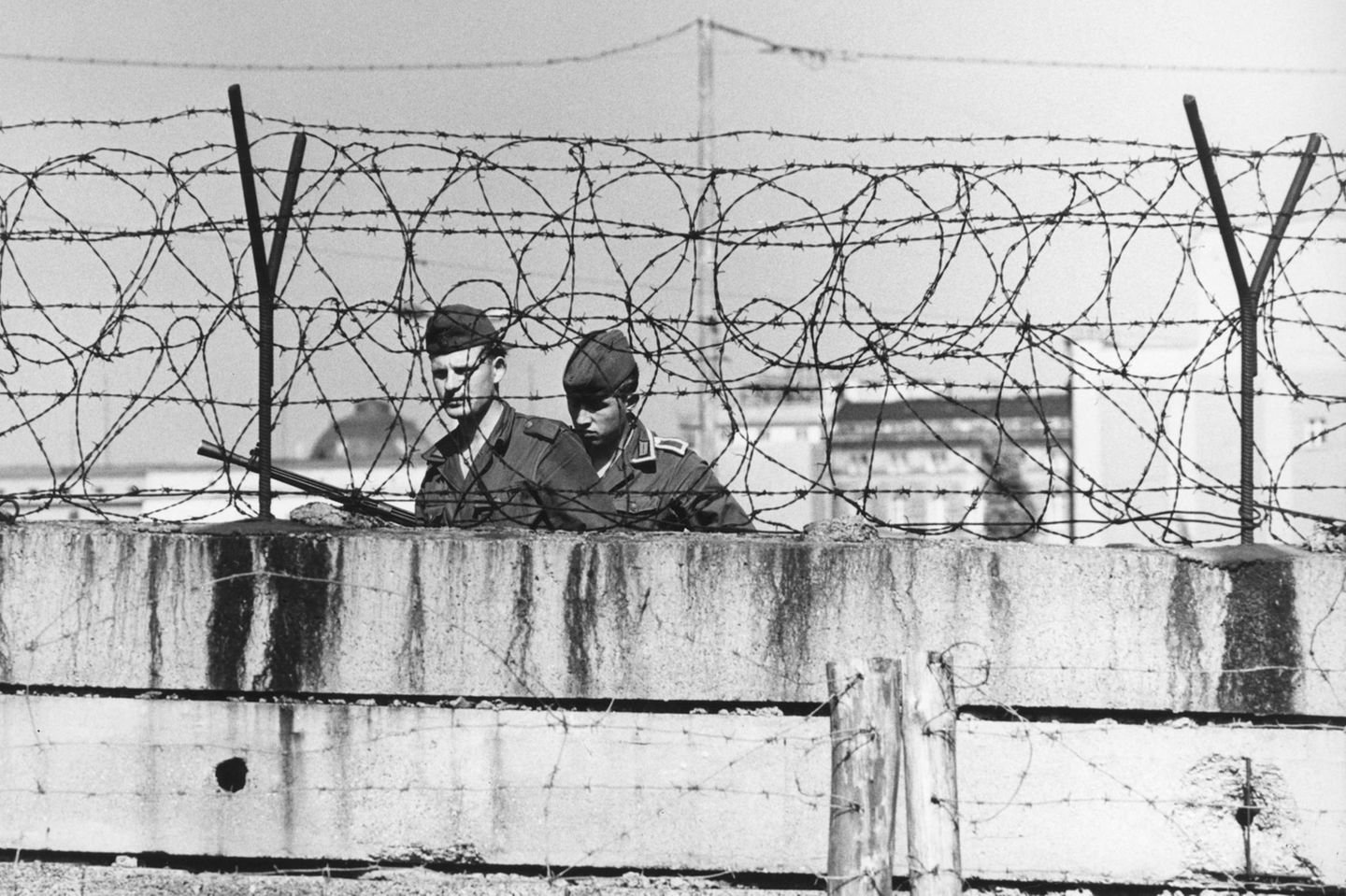
The Death Strip was the most feared and lethal component of the Berlin border system. Located between inner and outer walls, it consisted of raked sand to reveal footprints, anti-vehicle trenches, alarm fences, intense lighting, and constant armed patrols.
This zone had no civilian purpose. It existed solely to expose, delay, and eliminate escape attempts. Every design element was engineered to ensure that anyone attempting to flee would be detected and neutralized before reaching the West.
The Death Strip made clear that the wall was not defensive but aggressive toward its own population. It represented the extreme measures required to sustain the division.
Today, preserved sections of the Death Strip serve as memorials, confronting visitors with the reality of state-enforced separation.
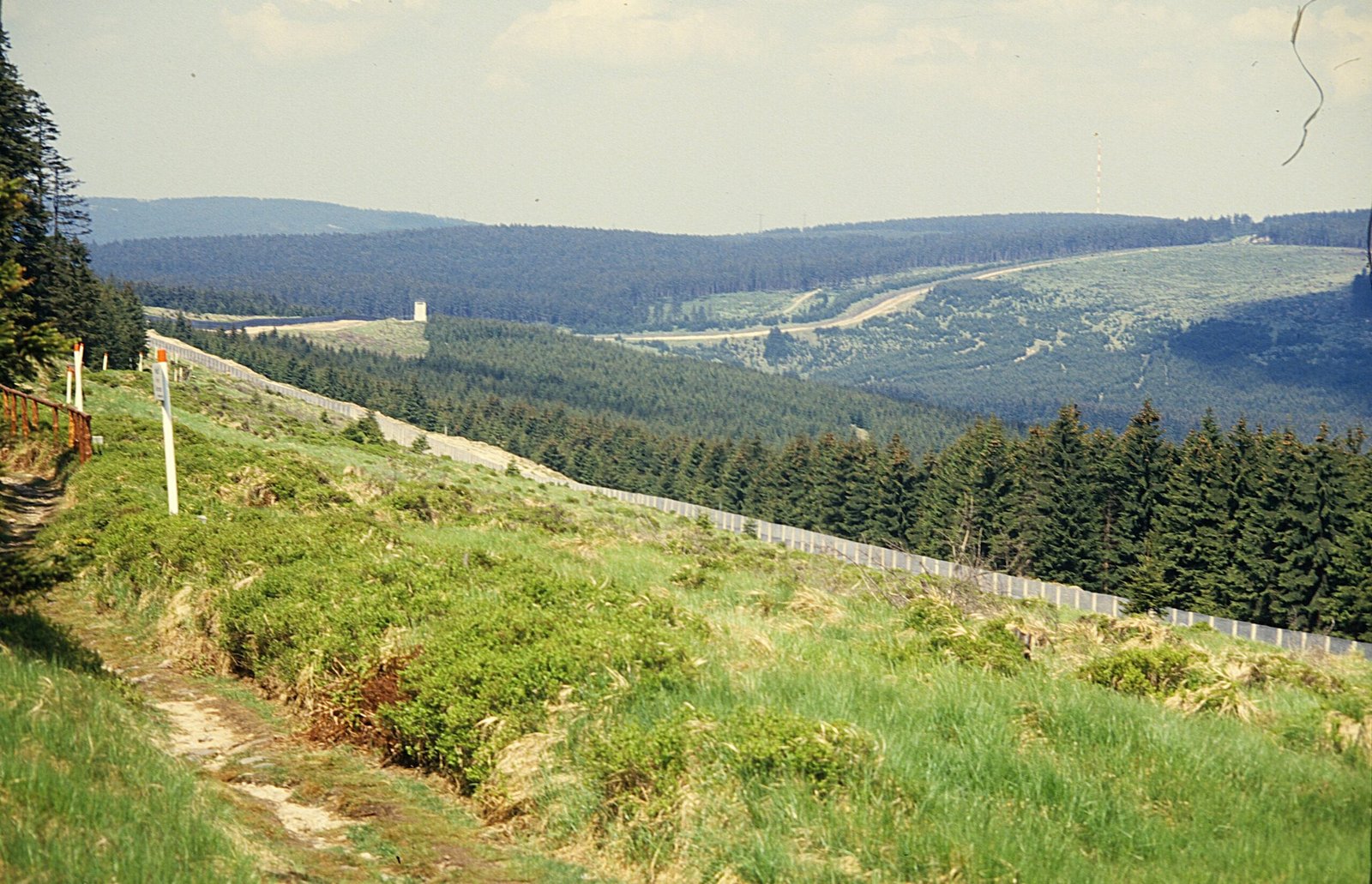
Beyond Berlin, Germany’s division extended across hundreds of kilometers through the Inner German Border. It cut through forests, rivers, farmland, and villages, turning natural landscapes into militarized zones.
This border isolated rural communities, severed historical trade routes, and forced entire settlements to be abandoned. In some areas, families lived within sight of relatives they could never legally visit.
Like the Berlin Wall, the border was fortified with fences, mines, watchtowers, and patrol roads. Escape attempts were extremely dangerous and often fatal.
Ironically, after reunification, large sections of this former death zone became ecological corridors, symbolizing how division can eventually give way to healing.
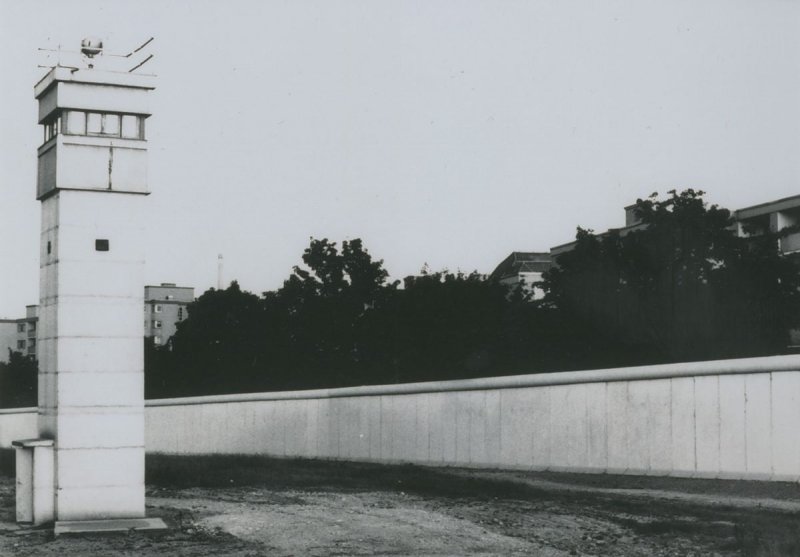
The watchtowers that lined the Berlin Wall and the inner German border were among the most psychologically powerful symbols of Germany’s division. Rising above streets, fields, and neighborhoods, these concrete structures ensured constant visibility over restricted zones. Their presence made it clear that the border was not passive but actively enforced every minute of the day.
For people living nearby, the towers created a permanent sense of exposure. Ordinary activities—walking, gardening, even standing at a window—took place under the awareness that armed guards might be watching. This constant observation deeply affected daily behavior, reinforcing obedience through fear rather than force alone.
Inside the towers, guards monitored escape routes, tracked movement, and followed strict protocols. The towers symbolized the state’s distrust of its own citizens, revealing that the division could not survive without relentless surveillance.
Today, preserved watchtowers serve as stark reminders that Germany’s division was upheld not only by walls and fences, but by an omnipresent system of control designed to suppress freedom at every level.
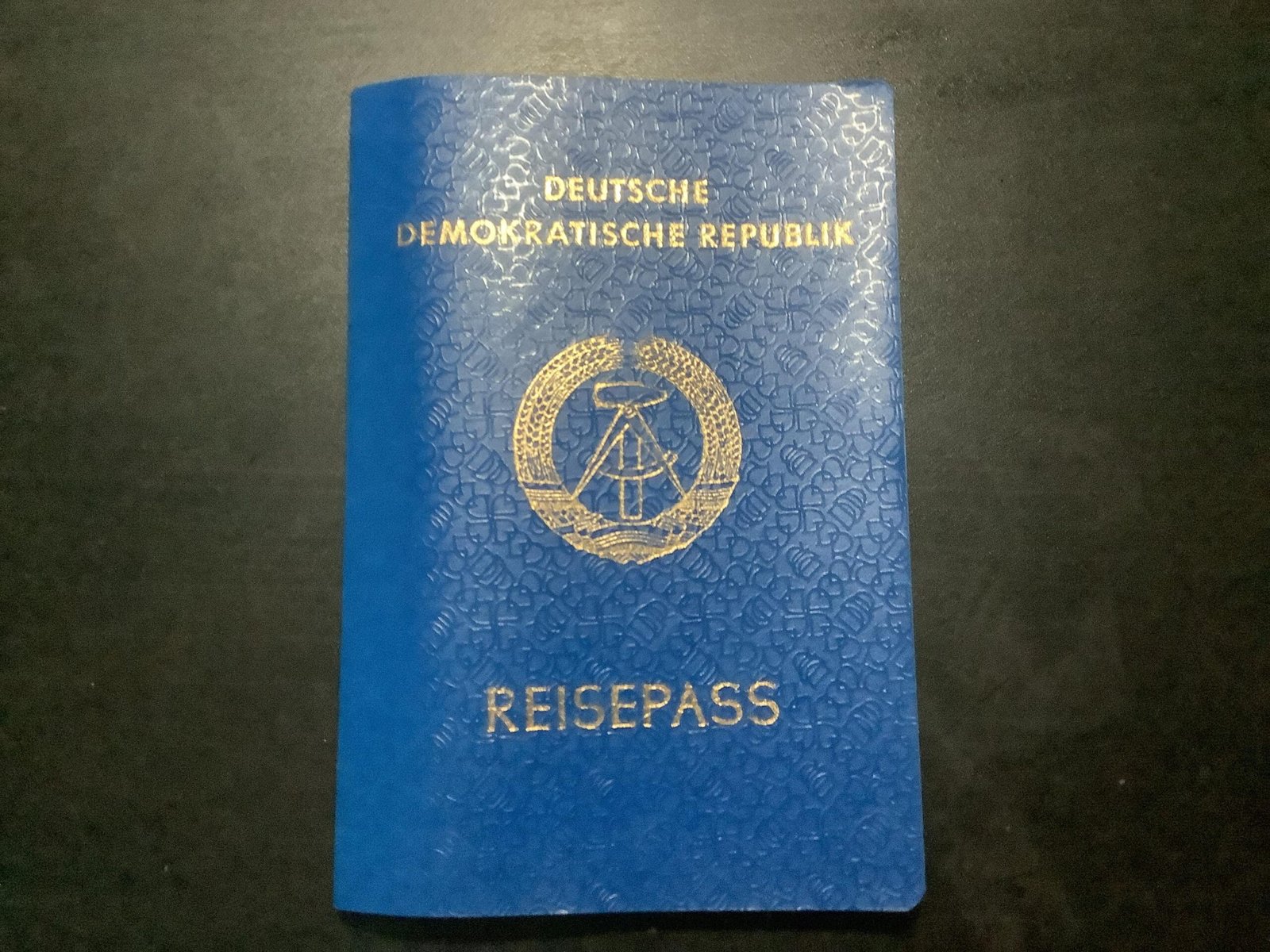
The passport of the German Democratic Republic was a powerful bureaucratic symbol of division. While a passport normally represents mobility and opportunity, for East Germans it signified limitation and confinement. Possessing the document did not mean the right to travel—it meant knowing where you were not allowed to go.
For most citizens, international travel was impossible. Even visiting neighboring socialist countries required special approval, and travel to the West was reserved for rare exceptions. This restriction reinforced the feeling of being trapped within one’s own country.
The contrast with West German citizens was stark. While West Germans traveled freely across Europe and beyond, East Germans faced closed borders, denied visas, and constant scrutiny. This imbalance deepened the emotional and social divide between the two German states.
As a symbol, the East German passport represents how division extended into paperwork, bureaucracy, and everyday life, shaping identities and aspirations through administrative control.
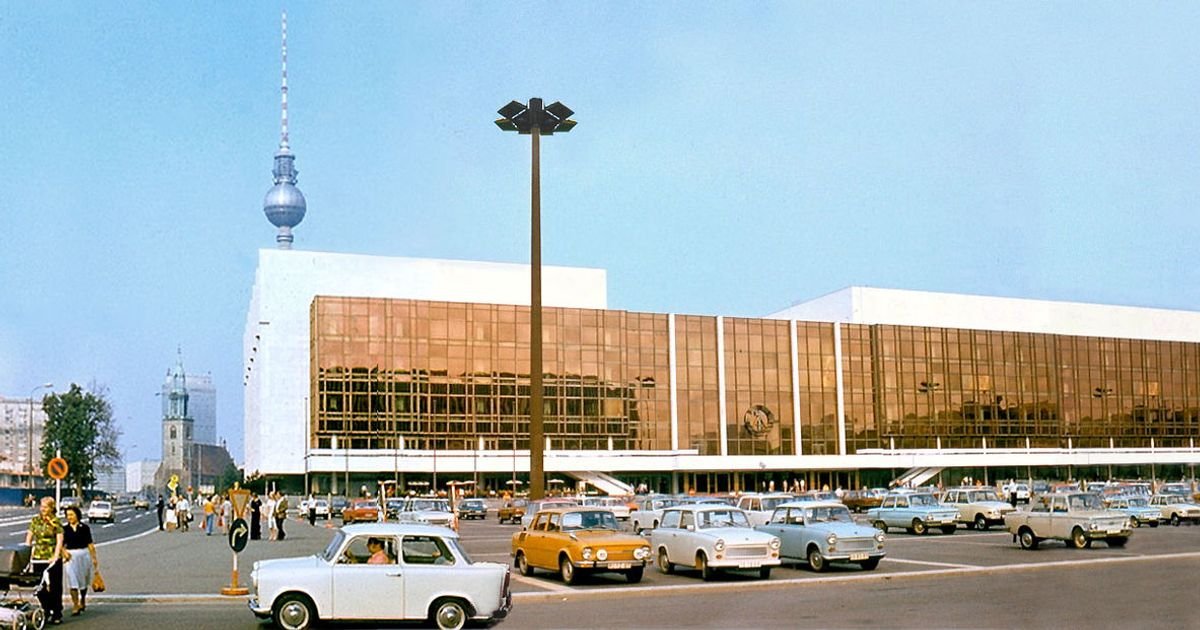
The Palace of the Republic stood at the political heart of East Berlin as the seat of the East German parliament. More than a government building, it was designed to project legitimacy, strength, and permanence for the socialist state.
The building also housed theaters, restaurants, and cultural venues, reflecting the regime’s attempt to integrate ideology into public life. Politics, culture, and daily routines were deliberately blended to normalize the system and anchor it in everyday experience.
After reunification, the palace became a symbol of unresolved historical memory. Its eventual demolition was controversial but deeply symbolic, representing the final disappearance of the East German state from the physical landscape.
Its removal marked a decisive break with the divided past, underscoring how architecture itself can embody political systems—and their eventual collapse.
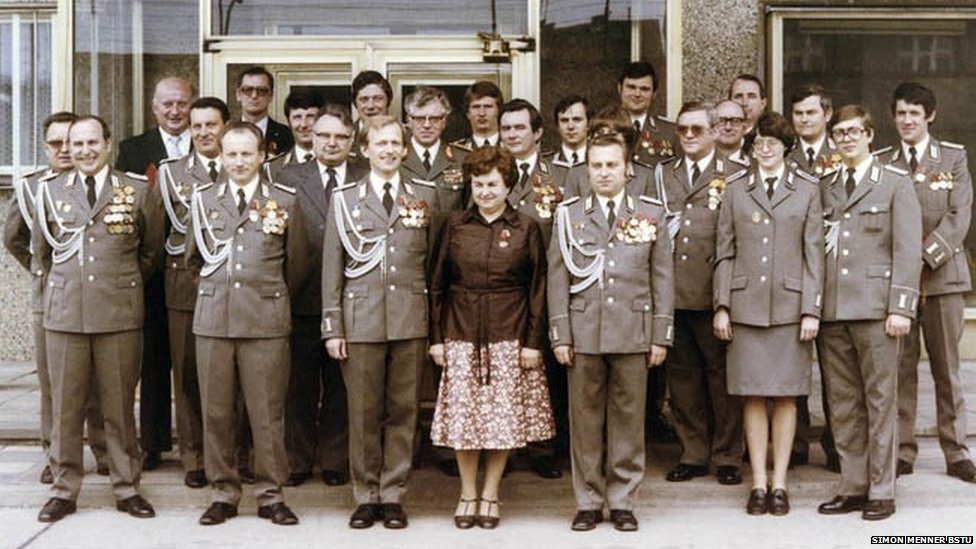
The Stasi was the invisible infrastructure of Germany’s division. Unlike walls and towers, its power lay in secrecy, infiltration, and psychological pressure. Through an extensive network of informants, it monitored millions of citizens.
Neighbors, coworkers, friends, and even family members could be informants, creating a climate of deep mistrust. This internal surveillance ensured that division extended far beyond borders into the minds and relationships of East Germans.
The Stasi’s existence demonstrated that physical barriers alone were insufficient. To sustain division, the state needed to control information, speech, and thought itself.
Today, preserved Stasi archives expose the human cost of this system, revealing how deeply surveillance penetrated private life during Germany’s divided era.
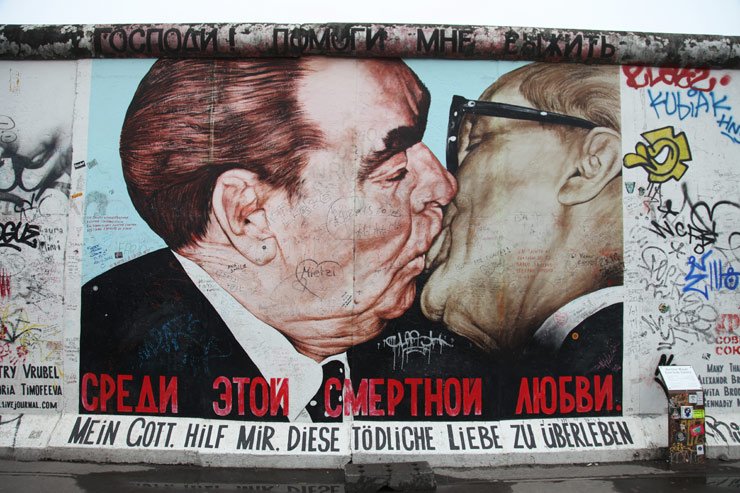
While the eastern side of the Berlin Wall was kept sterile and untouched, the western side evolved into a massive, ever-changing canvas of protest and expression. Artists, activists, and ordinary citizens transformed the wall into a visual language of resistance.
Graffiti conveyed anger, grief, hope, and defiance. Messages criticized authoritarianism, mourned separation, and called for freedom, turning the wall into a living chronicle of dissent.
This artistic contrast highlighted the asymmetry of the division. Where one side enforced silence, the other encouraged expression, making the wall itself a symbol of ideological imbalance.
Preserved sections of this graffiti today remind visitors that even in the darkest periods of division, creativity and resistance found a way to survive.