 11
11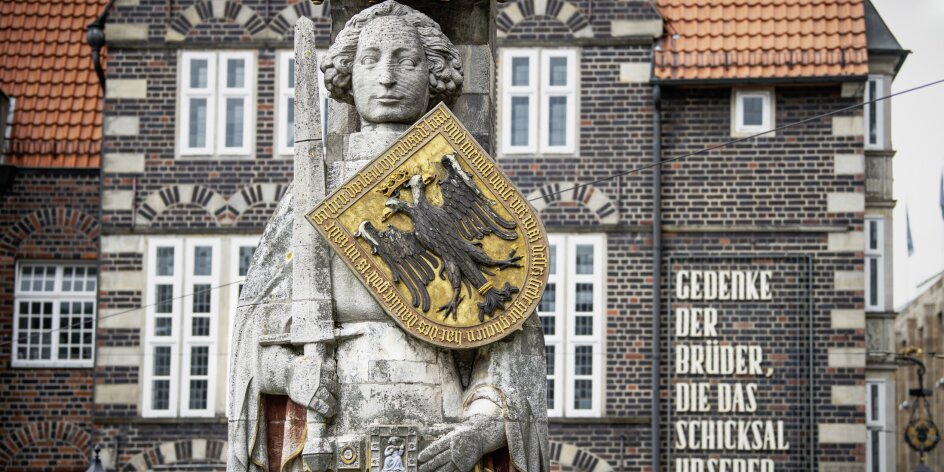
Bremen Roland — also known as the Roland statue Bremen — stands as one of Europe’s most powerful medieval symbols of civic liberty. Towering in the heart of Bremen’s historic market square (Marktplatz), this 10.21-meter limestone knight has guarded the city’s freedoms for over 620 years. Together with the breathtaking Bremen Town Hall, it forms a UNESCO World Heritage Site that attracts hundreds of thousands of visitors annually.
Whether you’re planning your first trip to northern Germany or returning for the famous Christmas market, this ultimate guide covers everything: rich history, deep symbolism, practical visitor advice, fun facts, and expert photography tips. Let’s dive in.
✅ Also Read: Frankfurt for Beginners: 10 Must-See Places Every First-Time Traveler Should Visit
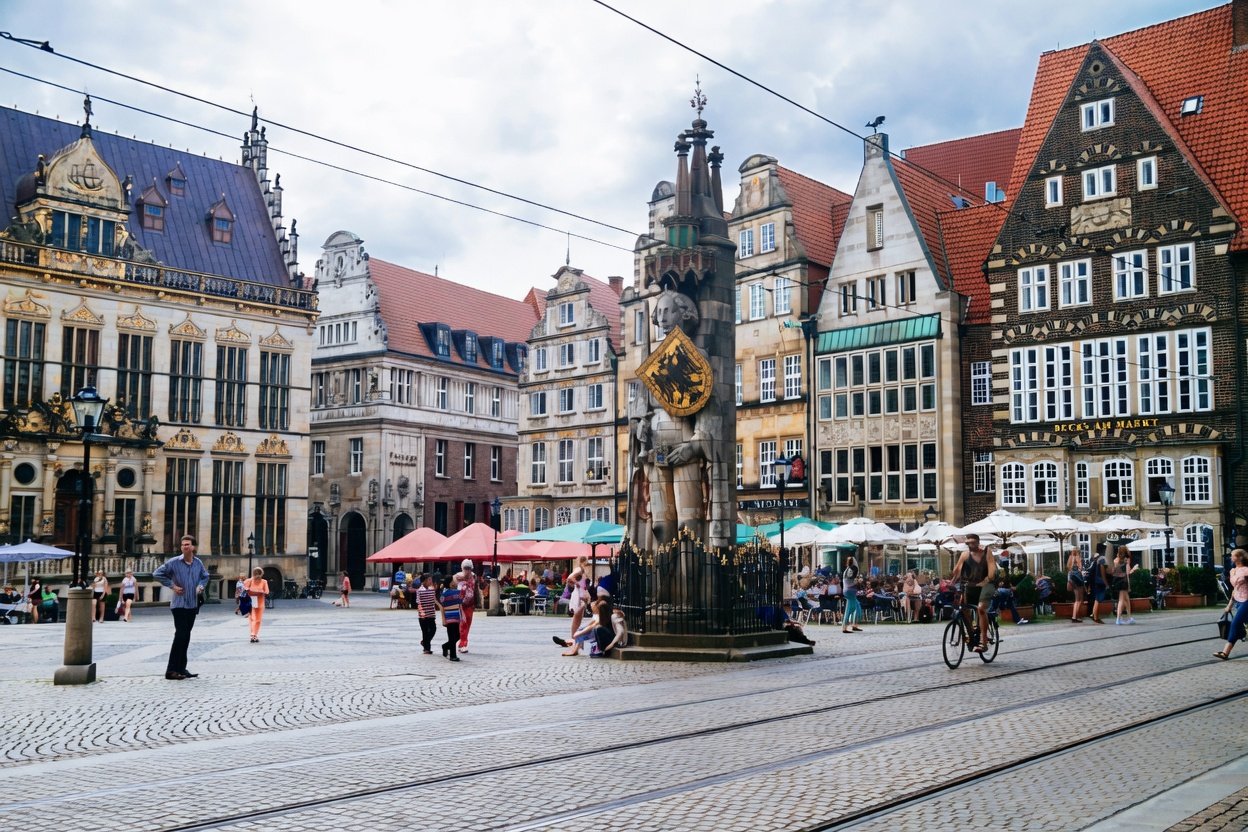
The figure immortalized in stone is Roland, the legendary paladin and nephew of Charlemagne (the first Holy Roman Emperor). Made famous in the 11th-century French epic The Song of Roland (Chanson de Roland), he fought valiantly at the Battle of Roncevaux Pass in 778 AD.
In Bremen’s interpretation, however, Roland transcends myth. He became the ultimate protector of market rights, civic autonomy, and urban freedom — a direct representative of imperial authority granted by Charlemagne himself, bypassing local bishops and feudal lords.
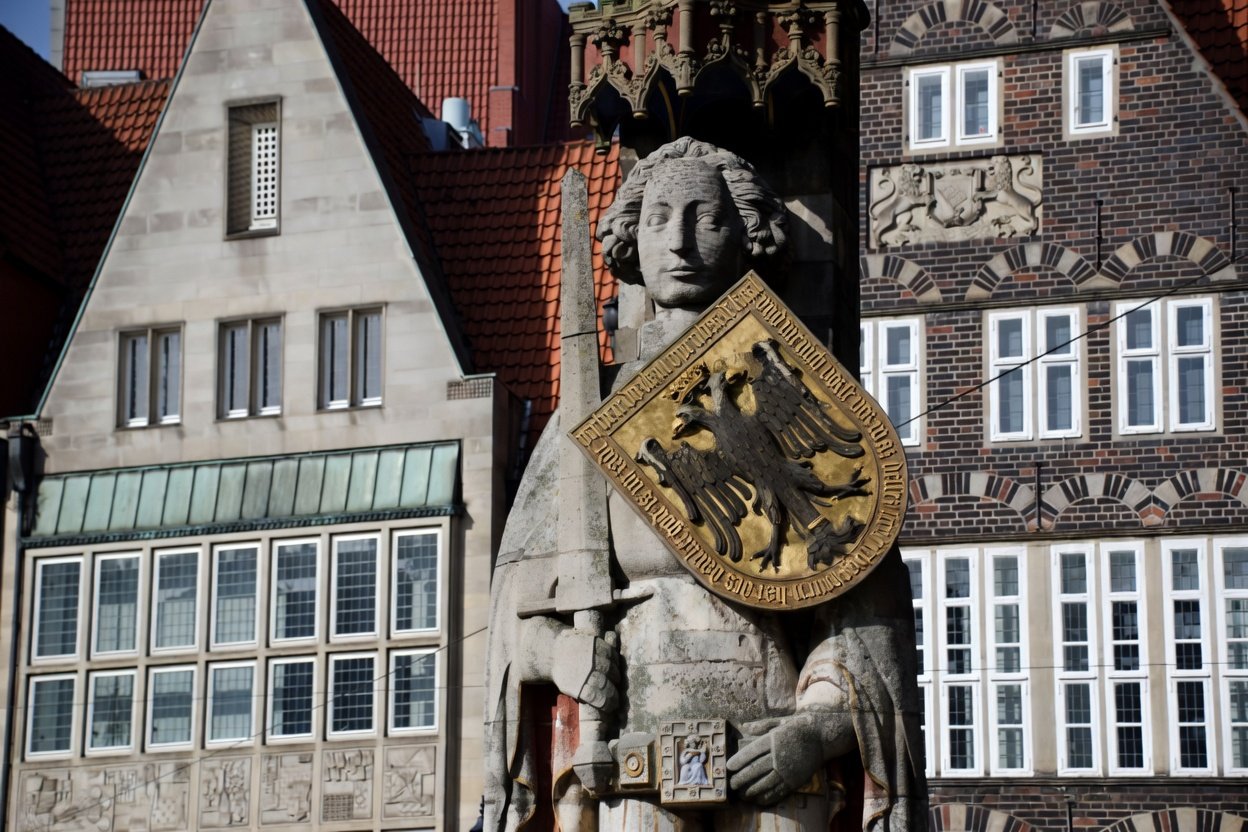
The current stone masterpiece was erected in 1404. It replaced an earlier wooden Roland destroyed in 1366 by forces of Prince-Archbishop Albert II during a brutal power struggle.
Bremen’s citizens responded with defiance: they rebuilt the statue in durable limestone as a bold statement of independence. This act of resilience turned the Bremen Roland into a living emblem of the city’s hard-won freedoms during the golden age of the Hanseatic League.
Over six centuries, the statue has survived Napoleonic threats (locals cleverly claimed it depicted a saint), World War II bombings, and countless storms. Legend says Bremen will remain free as long as Roland stands — a belief that has inspired generations.
At 5.5 meters tall (statue alone) and 10.21 meters including its ornate Gothic canopy, the Bremen Roland is the largest free-standing medieval statue in Germany.
Key symbolic elements include:
The statue faces St. Peter’s Cathedral, deliberately positioned to defy ecclesiastical control.
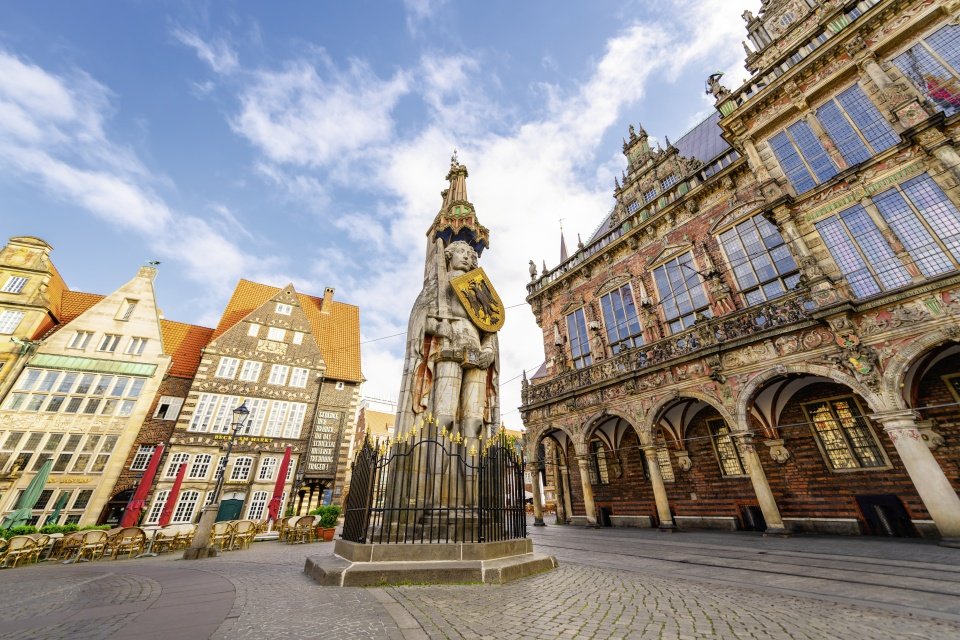
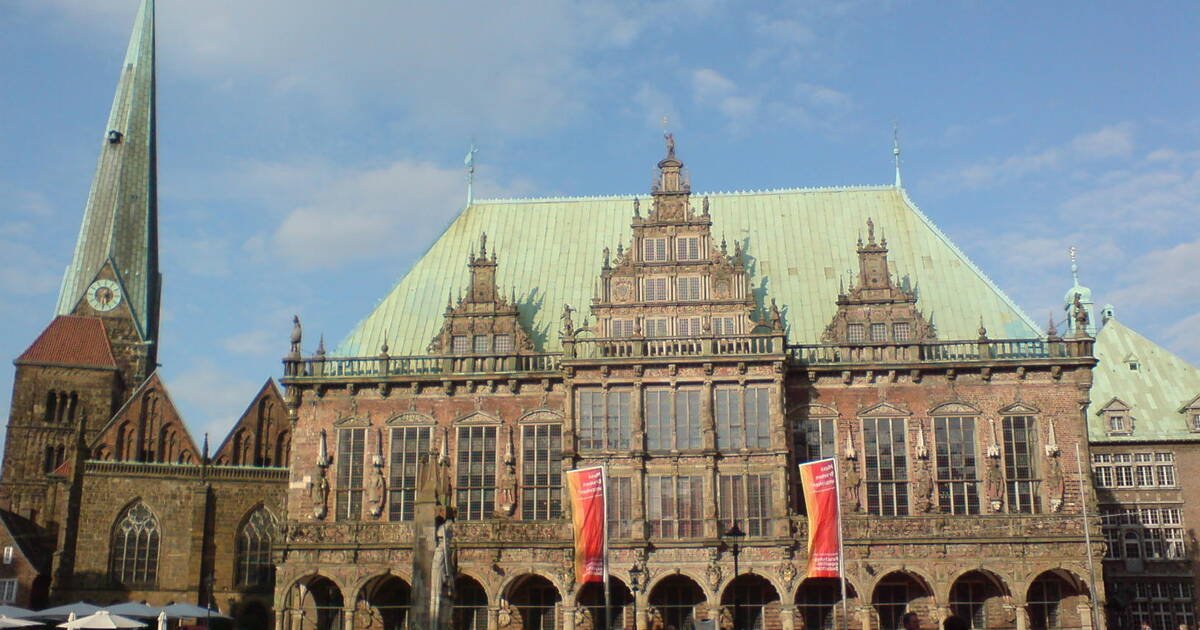
In July 2004, the Bremen Town Hall and Roland were inscribed on the UNESCO World Heritage List under criteria (iii), (iv), and (vi). UNESCO describes them as “outstanding representations of civic autonomy and sovereignty” in the Holy Roman Empire.
The Bremen Roland is recognized as the oldest surviving and most representative of all Roland statues — a motif that spread across Central Europe as a symbol of market freedom and self-governance.
While Bremen’s is the most famous, historians have documented over 40 Roland statues. Notable examples:
Bremen’s version remains the largest, most detailed, and best preserved — the definitive “Statue of Liberty” of medieval Europe.
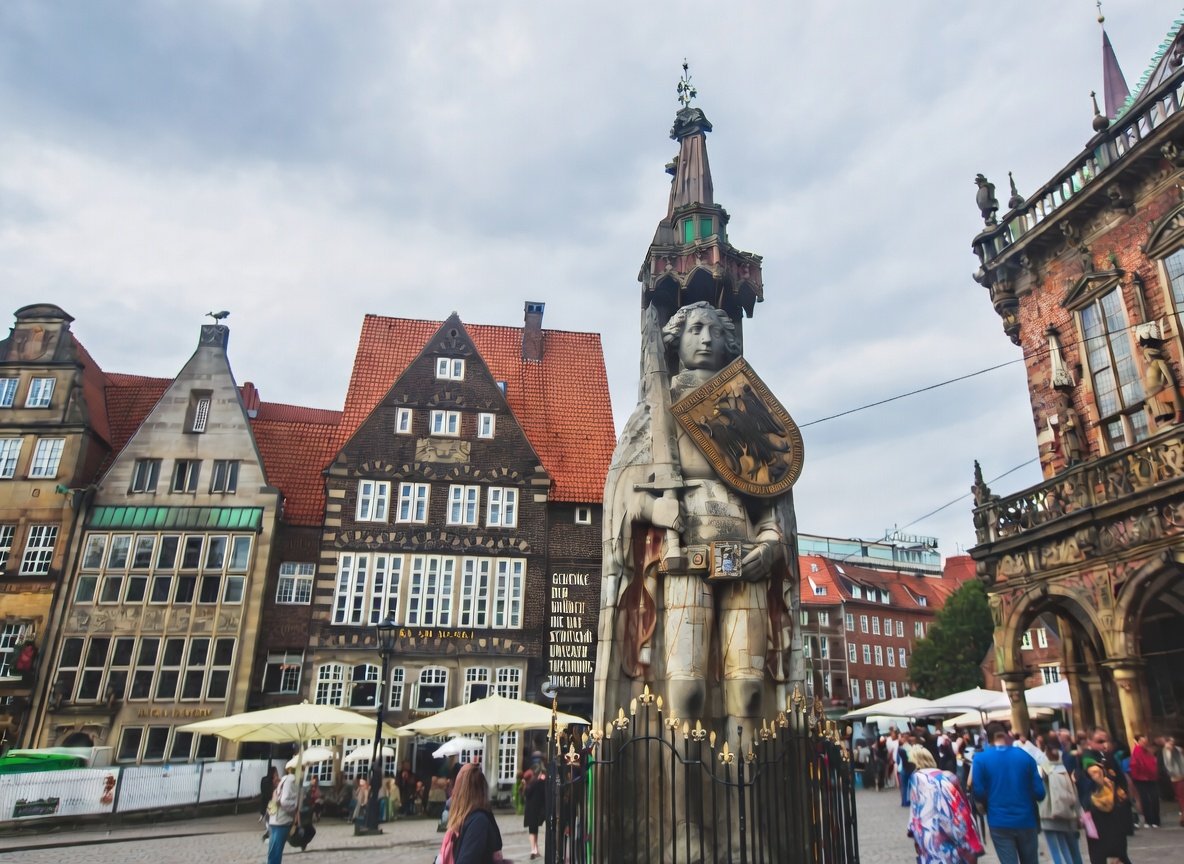
Location: Bremer Marktplatz (Rathausplatz), right in front of the Town Hall. Free access 24/7.
Best time to visit:
Getting there:
Pro tips: Rub the statue’s knees for luck (local tradition guarantees a return visit). Best photos at sunrise or golden hour.
Accessibility: Wheelchair-friendly square; audio guides available via Bremen Tourism app.
Enhanced experiences: Look for guided tours inside the Town Hall and special events that bring the statue’s story to life.
✅ One-day itinerary: Morning at Marktplatz → Town Hall tour → Lunch in Schnoor → Afternoon Böttcherstraße → Evening Christmas market (winter).
Want to experience this perfect one-day itinerary with a professional local guide? Book the Bremen City Center Guided Walking Tour on GetYourGuide — it passes exactly through all these highlights: Bremen Town Hall, the Town Musicians of Bremen statue, Böttcherstraße, the Schnoor quarter, and St. Peter’s Cathedral.
Book the City Center Walking Tour →
Is the Bremen Roland free to visit? Yes — 24/7, no tickets required.
How tall is the Bremen Roland? 10.21 meters total (5.5 m statue + canopy).
Can I go inside the Town Hall? Yes — guided tours available (check bremen.eu for the current schedule).
Is it suitable for families and kids? Absolutely — kids love the knight and nearby fairy-tale statues.
Best time for photos without crowds? Early morning (7–9 AM) or after 6 PM.
Conclusion The Bremen Roland is far more than a statue — it is Bremen’s eternal guardian of freedom, a masterpiece of medieval art, and a UNESCO treasure that continues to inspire. Whether you’re a history buff, photographer, or traveler seeking authentic Germany, this landmark belongs at the top of your list.
Plan your trip now and stand where six centuries of citizens have stood — looking up at a knight who still watches over one of Europe’s most charming free cities.
Bremen wouldn’t be Bremen without him.