 11
11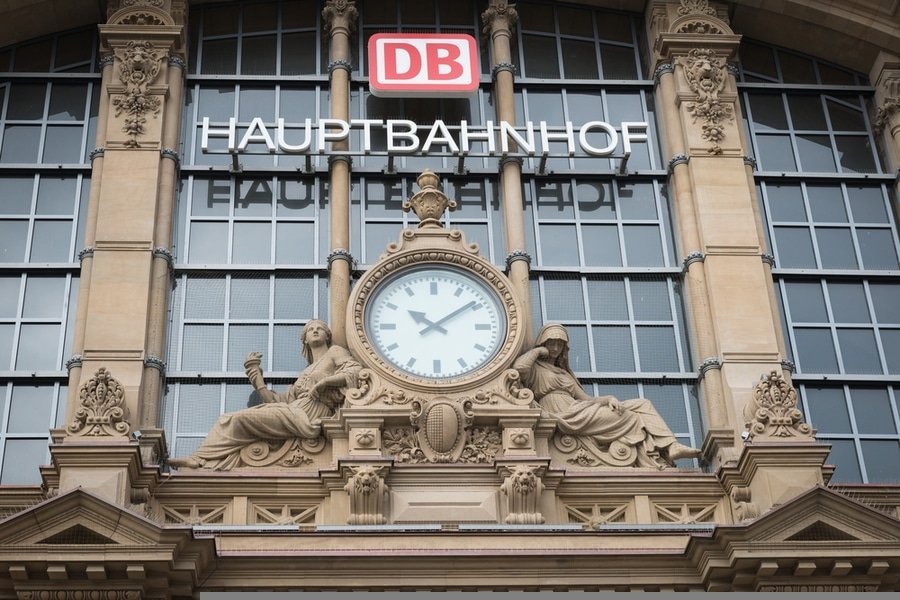
Germany is widely known for its strong sense of organization, where rules, structure, and planning shape almost every aspect of daily life. From public transportation and administrative systems to social behavior and time management, order is not just encouraged — it is expected. This culture of organization helps create reliability, efficiency, and stability, but it can also surprise foreigners who are not used to such strict systems and social norms. What many people don’t realize is that behind the famous German efficiency lies a complex reality filled with contradictions, challenges, and unexpected habits. If you want to understand what life in Germany is really like, be sure to read our full article: 10 Shocking Truths About German Organization That Every Foreigner Should Know.
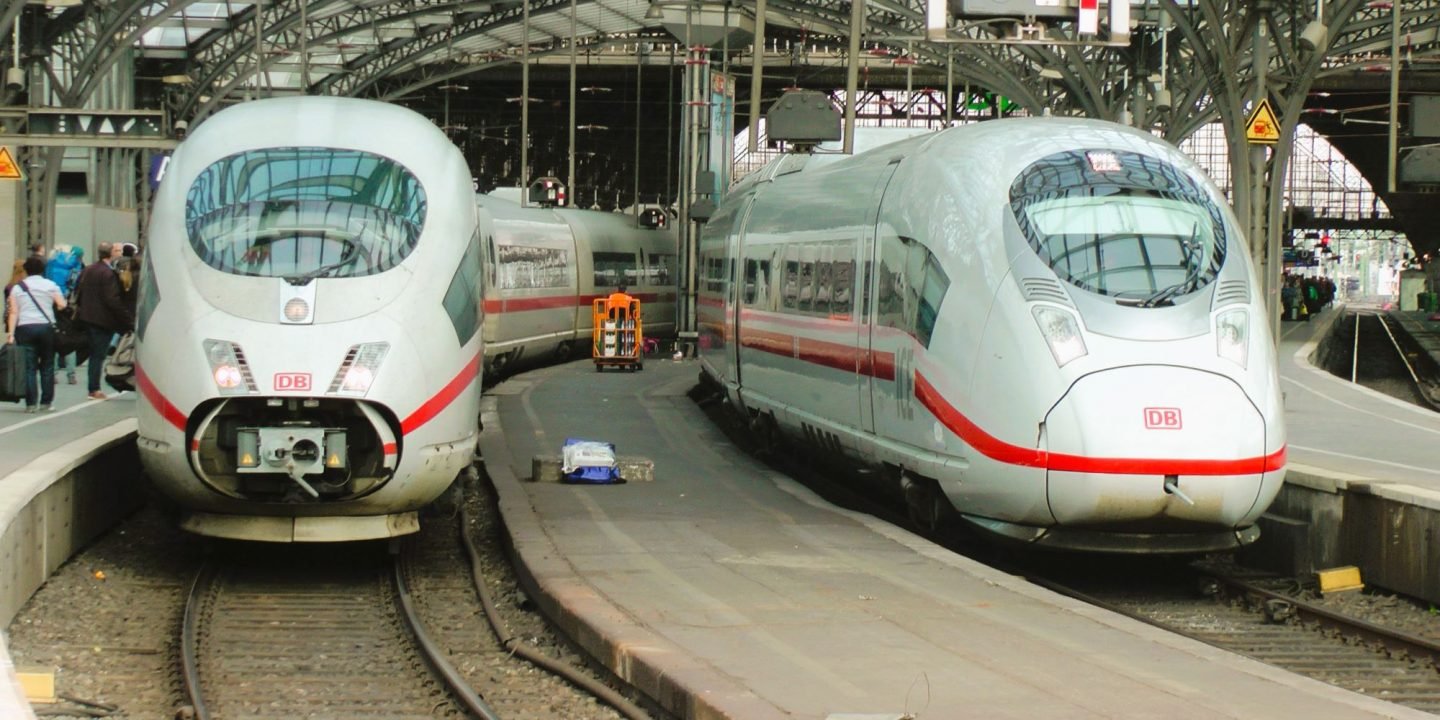
Germany’s international reputation for efficiency is closely tied to its railway system, which for many years symbolized reliability, discipline, and precise time management. Foreigners often arrive with the expectation that trains will operate with near-perfect accuracy, reinforcing the belief that Germany is a country where schedules are always respected and systems rarely fail.
In reality, delays are far more common than the stereotype suggests, especially on long-distance routes. The national rail operator, Deutsche Bahn, struggles with aging infrastructure, extensive construction projects, weather-related disruptions, and network congestion. While regional trains and local transport often remain dependable, the idea of flawless punctuality does not always match everyday experience.
What truly defines German organization is not the absence of problems, but the structured way in which they are addressed. Delays are communicated transparently, passengers are informed clearly, and compensation mechanisms exist. Even when the system fails, it does so within clearly defined rules and expectations.
For foreigners, the lesson is important: German organization is not about perfection, but about predictability, responsibility, and accountability. The system aims to minimize uncertainty, even when things do not go as planned.
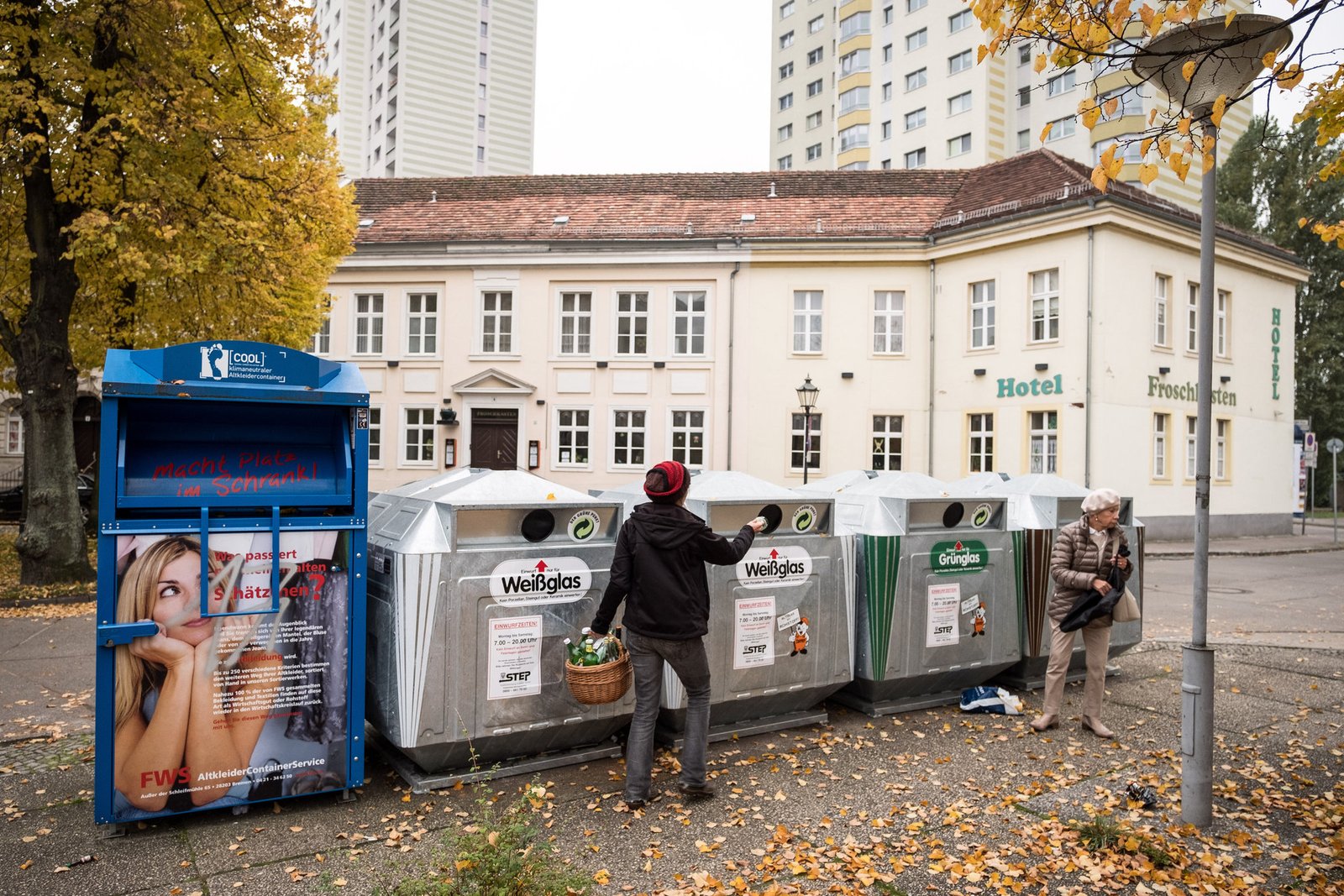
One of the most striking examples of everyday organization in Germany is its waste separation system. Garbage is carefully divided into multiple categories, each governed by strict rules regarding what can and cannot be disposed of together. This system operates nationwide and is treated as an essential part of daily life.
For foreigners, adapting to this level of detail can be overwhelming. Mistakes are not merely personal errors; they are seen as disruptions to a collective system. Neighbors may intervene, warnings may be issued, and fines can occur if rules are consistently ignored. Social pressure plays a significant role in enforcing compliance.
This approach reflects a broader cultural philosophy: systems only function effectively when individuals follow rules precisely. Environmental responsibility is viewed not as an individual choice, but as a shared obligation toward society as a whole.
Over time, many foreigners come to appreciate the logic and effectiveness of this system. Once understood, it becomes efficient, predictable, and environmentally beneficial, even if the learning process is demanding and unforgiving at first.

Despite being one of the world’s most technologically advanced economies, Germany remains deeply attached to traditional bureaucracy. Paper forms, official letters, physical signatures, and in-person appointments continue to dominate administrative processes across the country.
Foreigners often expect a fully digital experience, only to discover that essential tasks such as registering an address, handling immigration matters, or interacting with government offices require printed documents and face-to-face interactions. Online services exist, but they are often incomplete or limited.
This reliance on paperwork is rooted in legal tradition and a strong emphasis on data protection and legal certainty. German institutions prioritize accuracy, documentation, and traceability over speed, even if this slows down procedures.
While frustrating at first, the system is highly structured. Once documents are submitted correctly, processes tend to move forward in a predictable manner. Precision is rewarded, and errors can significantly delay outcomes.

In Germany, punctuality extends far beyond basic politeness and enters the realm of moral responsibility. Being late is often interpreted as a sign of unreliability, disrespect, or lack of professionalism, particularly in work-related contexts.
Appointments, meetings, and even social engagements are expected to start exactly on time. Arriving late, even by a few minutes, can create lasting negative impressions, especially when repeated.
This cultural attitude allows schedules to function with remarkable efficiency. When everyone respects time, there is less need for buffers, delays, or constant rescheduling, reinforcing the overall sense of order.
For foreigners from more flexible cultures, this expectation can feel rigid and stressful. Adapting requires more than punctuality — it requires accepting time discipline as a shared social value.

Noise regulations in Germany are strict and widely enforced. Quiet hours are legally protected, particularly at night, on Sundays, and during public holidays. Activities considered normal elsewhere can trigger complaints in Germany.
Foreigners are often surprised to learn that loud music, vacuuming, drilling, or hosting gatherings during restricted hours can result in warnings or even police intervention. These rules apply equally to everyone.
The emphasis on silence reflects a cultural respect for personal space, rest, and mental well-being. Noise is not seen as a private matter, but as something that affects the entire community.
While initially restrictive, many foreigners eventually appreciate the predictability and calm this system creates. Residential areas tend to be quieter and more peaceful as a result.

Sunday holds a unique position in German society. By law, most shops and retail businesses remain closed, preserving the day as one of rest rather than consumption.
This tradition is rooted in historical, religious, and labor-protection values. Sunday is intended for family, leisure, and recovery, not productivity or shopping.
For foreigners accustomed to constant convenience, this can be frustrating. Forgetting to shop in advance can quickly become a practical problem.
Over time, however, many come to appreciate the enforced slowdown. Cities feel calmer, routines change, and the absence of commercial pressure creates a distinct rhythm to weekly life.

In Germany, waiting in line is a matter of principle. Cutting in line is socially unacceptable and often immediately confronted, even in informal situations.
This respect for order applies across all aspects of daily life, from supermarkets to government offices and public transportation. People wait their turn without needing supervision.
The cultural importance of queues reflects a deep commitment to fairness and equality. Everyone follows the same rules, regardless of status or urgency.
For foreigners, this consistency can feel either refreshing or rigid, but it removes ambiguity and reinforces trust in public systems.

German organization relies heavily on planning and scheduling. Appointments often need to be booked weeks or even months in advance, leaving little room for spontaneity.
Social events, professional commitments, and administrative tasks are rarely handled spontaneously. Changes are discouraged and often difficult to accommodate.
This approach reduces uncertainty and improves reliability, but it can feel restrictive for those accustomed to flexibility. Last-minute decisions are rarely welcomed.
Foreigners must adapt to a long-term planning mindset. In Germany, planning is not optional — it is an expected part of responsible behavior.
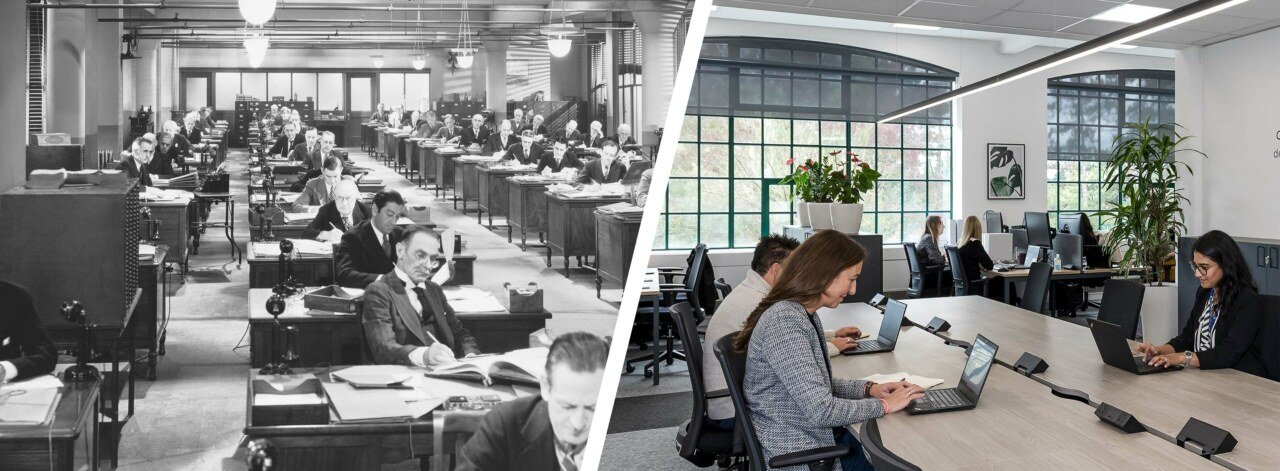
Germany is a global leader in engineering and industry, yet many institutions still rely on outdated technologies. Fax machines, for example, remain common in hospitals, law offices, and government agencies.
This contradiction reflects a cautious approach to innovation. Systems are only replaced once new ones are proven to be secure, stable, and legally sound.
Foreigners often find this frustrating, especially when digital alternatives exist elsewhere. However, Germans value reliability over speed.
Change happens slowly in Germany, but it is usually deliberate and carefully regulated, reducing the risk of large-scale failures.

German systems are designed primarily for those who already understand them. For newcomers, the complexity of rules, procedures, and expectations can feel overwhelming.
Information exists, but it is often fragmented, technical, and available only in German. Learning how things work takes time and patience.
Once foreigners adapt, life becomes stable, predictable, and secure. Until then, organization can feel like controlled chaos.
Germany is indeed organized — but understanding that organization is a process, not an instant experience.